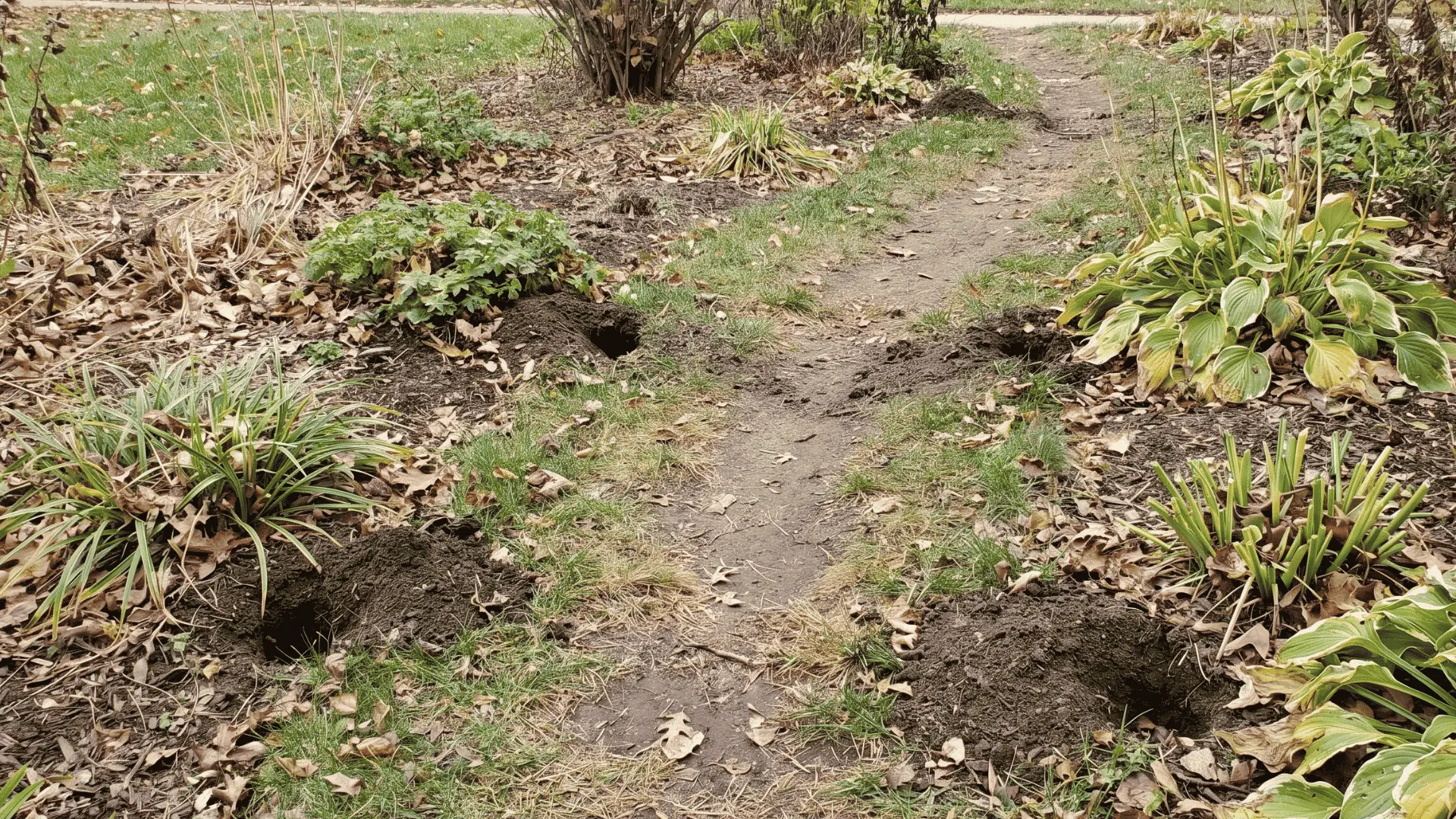
How to Get Rid of Voles in Your Yard
Many homeowners assume that small rodents like voles are merely a nuisance, but the truth is that they can cause significant damage to lawns, gardens, and trees.
A quick fix might seem tempting, but successful vole control requires careful timing, monitoring, and sometimes professional help.
Understanding how to tackle a vole infestation is essential for protecting your outdoor space and maintaining healthy plants.
What are Voles and Why are They a Problem?
Voles are small rodents with a stocky body, short legs, and a blunt snout. They have fur that is typically brown or gray and are often mistaken for other pests.
With their round ears and short tails, voles are unique but easily confused with similar animals.
Voles are notorious for damaging lawns, gardens, and trees. They feed on the roots, stems, and bulbs of plants, weakening or killing them.
Their burrowing habits also disrupt the soil structure, which makes it difficult for healthy plants to grow. Young trees are particularly vulnerable, as voles tend to gnaw on tree bark, causing long-term harm or death.
While small in size, voles can quickly create a big problem for gardeners and homeowners. Their love for plant material makes them a constant threat to outdoor spaces.
Differences Between a Vole and a Mole
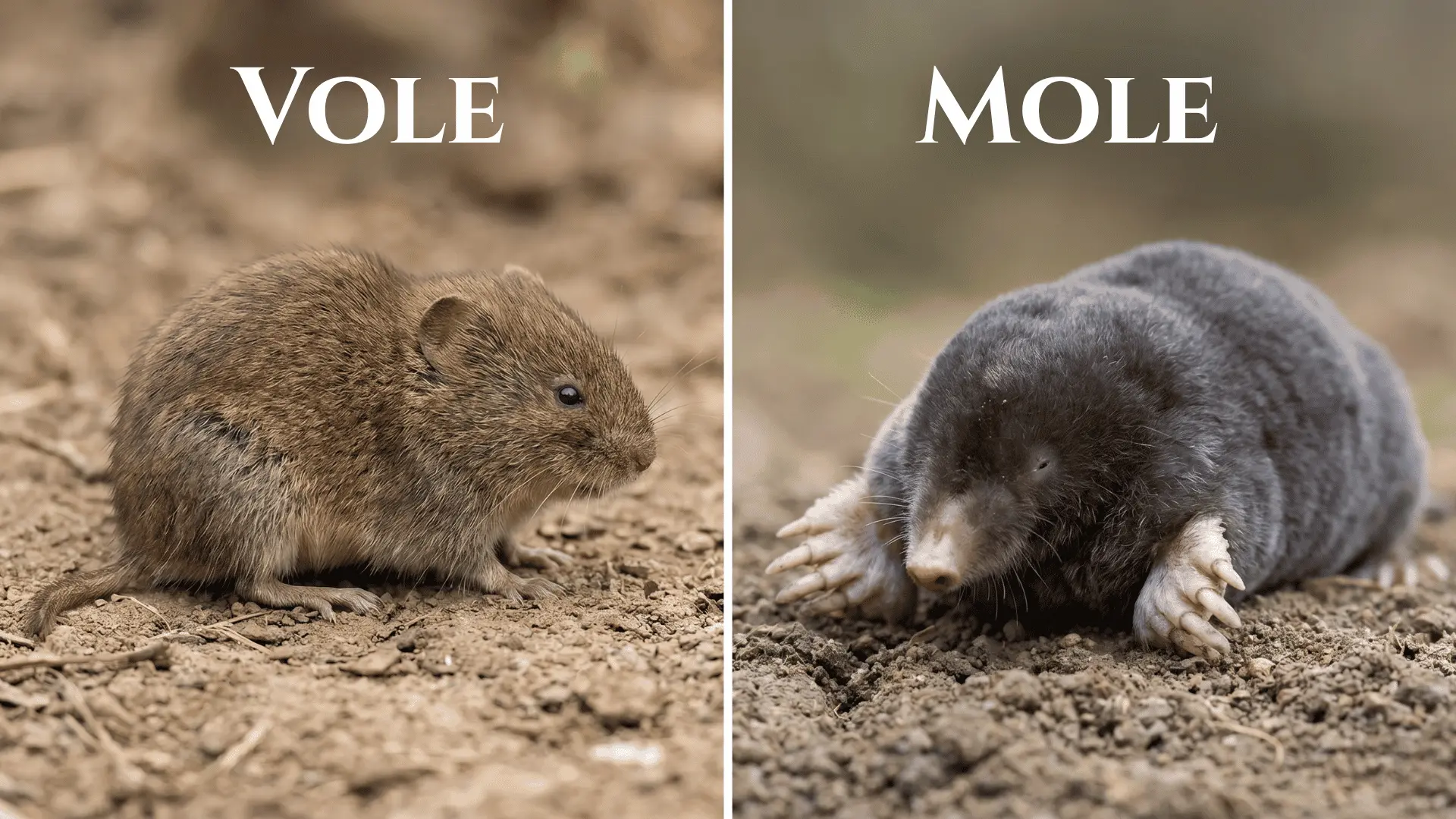
Voles and moles are often confused, but they have distinct behaviors, physical features, and impacts on your yard. Understanding these differences can help you identify the pest correctly and apply the right control methods.
| Feature | Voles | Moles |
|---|---|---|
| Diet | Herbivores (feed on roots, stems, bulbs) | Insectivores (feed on insects, worms) |
| Tunneling Behavior | Shallow burrows, surface runways | Deep tunnels, raised ridges on the surface |
| Body Shape | Stocky, suited for running along the surface | Cylindrical, streamlined for digging |
| Tail | Short, furry, more visible | Short, almost nonexistent |
| Paws and Eyes | Smaller paws for running, larger eyes | Large, spade-like paws for digging, small eyes |
| Impact on Yard | Chewing on roots, stems, bulbs, damaging plants and trees | Raised ridges damage the grass roots and plants |
This table highlights the main distinctions between moles and voles, helping you understand their behavior and how to handle each pest effectively.
What Attracts Voles to Your Yard?
Understanding what draws voles in helps you remove the problem at the source.
- Dense vegetation and tall grass: provides cover and protection from predators
- Organic mulch: warm, soft nesting material voles love
- Fallen fruit, birdseed, and exposed bulbs: easy food sources
- Poor lawn maintenance: overgrown areas give voles safe runways to travel unseen
- Moist soil: voles prefer damp conditions for burrowing
Common Signs of Vole Activity in Your Yard
Identifying vole activity early can help you take action before significant damage occurs. Voles often leave visible signs around lawns, gardens, and plant roots as they search for food and shelter.
1. Surface Runways
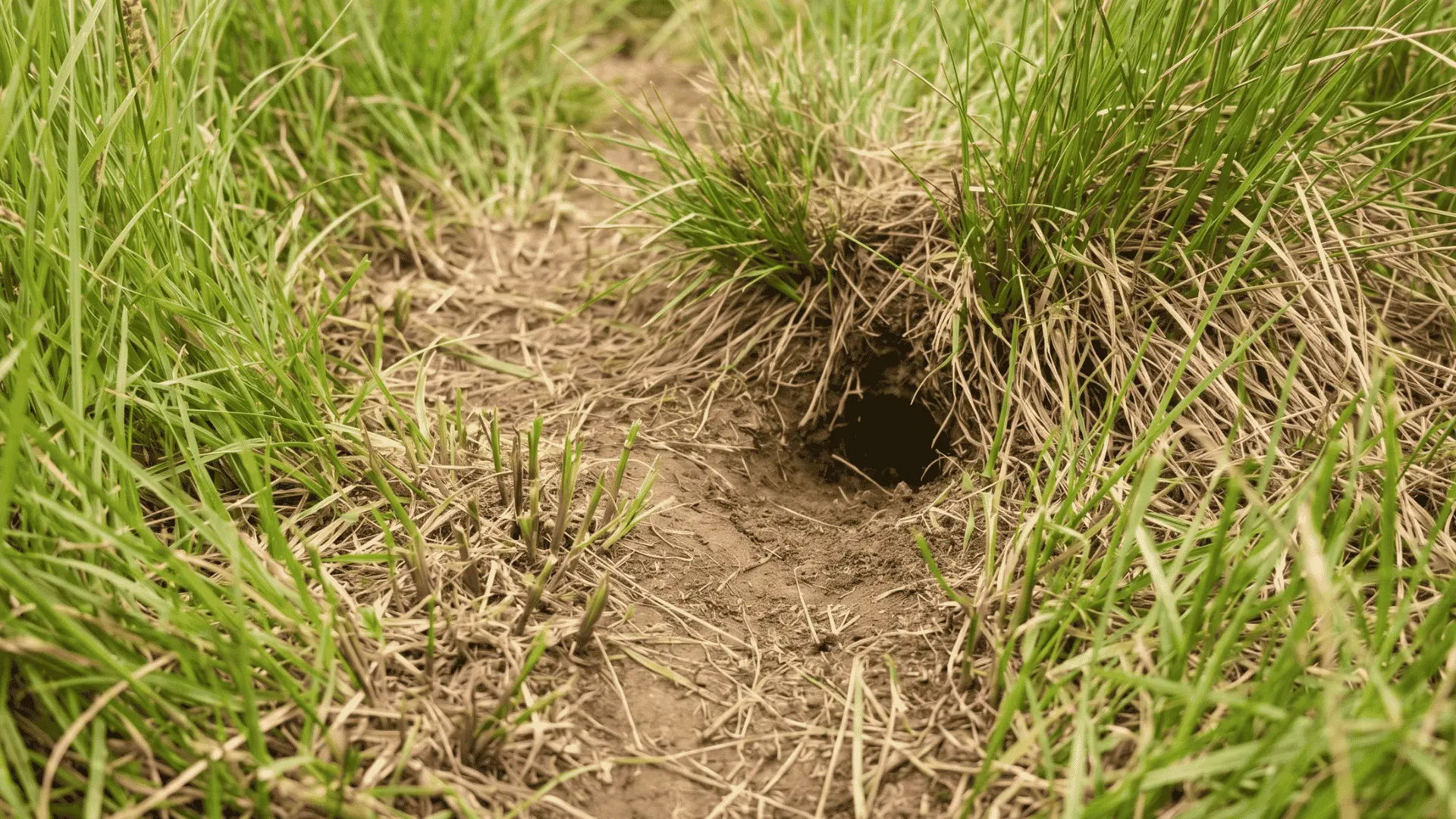
Voles create surface runways by traveling through the grass or vegetation. These runways are often visible as narrow, worn paths in your yard.
They tend to follow the same routes, leading to burrows or feeding areas. Voles create these runways as they forage for food, and they are a clear indication that voles are active in your yard.
2. Small Burrows and Chewed Plants
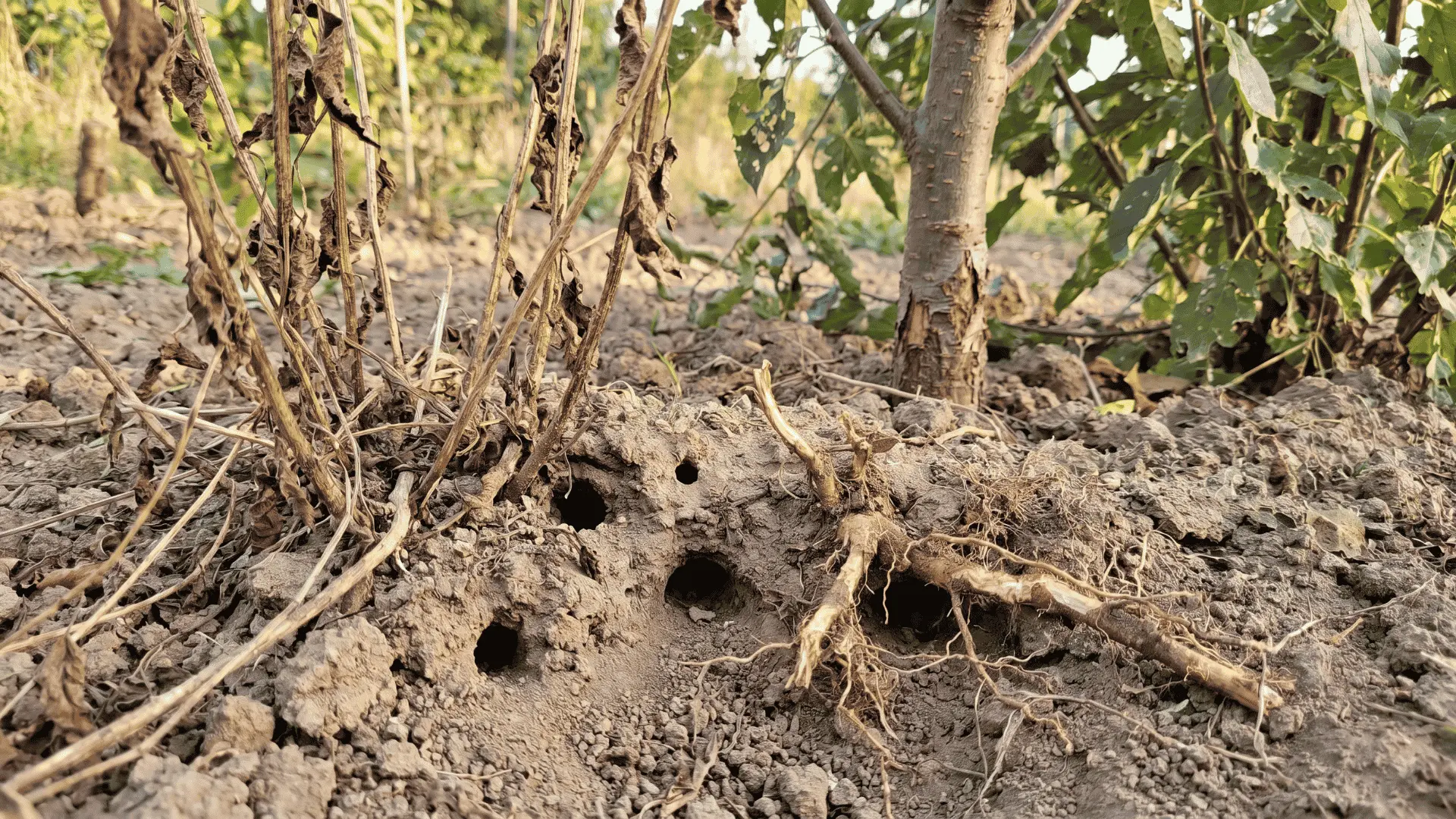
Voles are known for creating small burrows near the surface of the ground. These burrows may be hidden by grass or leaves, but can be found near plants or trees.
If you notice chewed plant stems, roots, or bulbs, it’s likely that voles are the culprit. They prefer to feed on plant material, and these chew marks are a classic sign of vole damage.
3. Voles Using Mole Tunnels
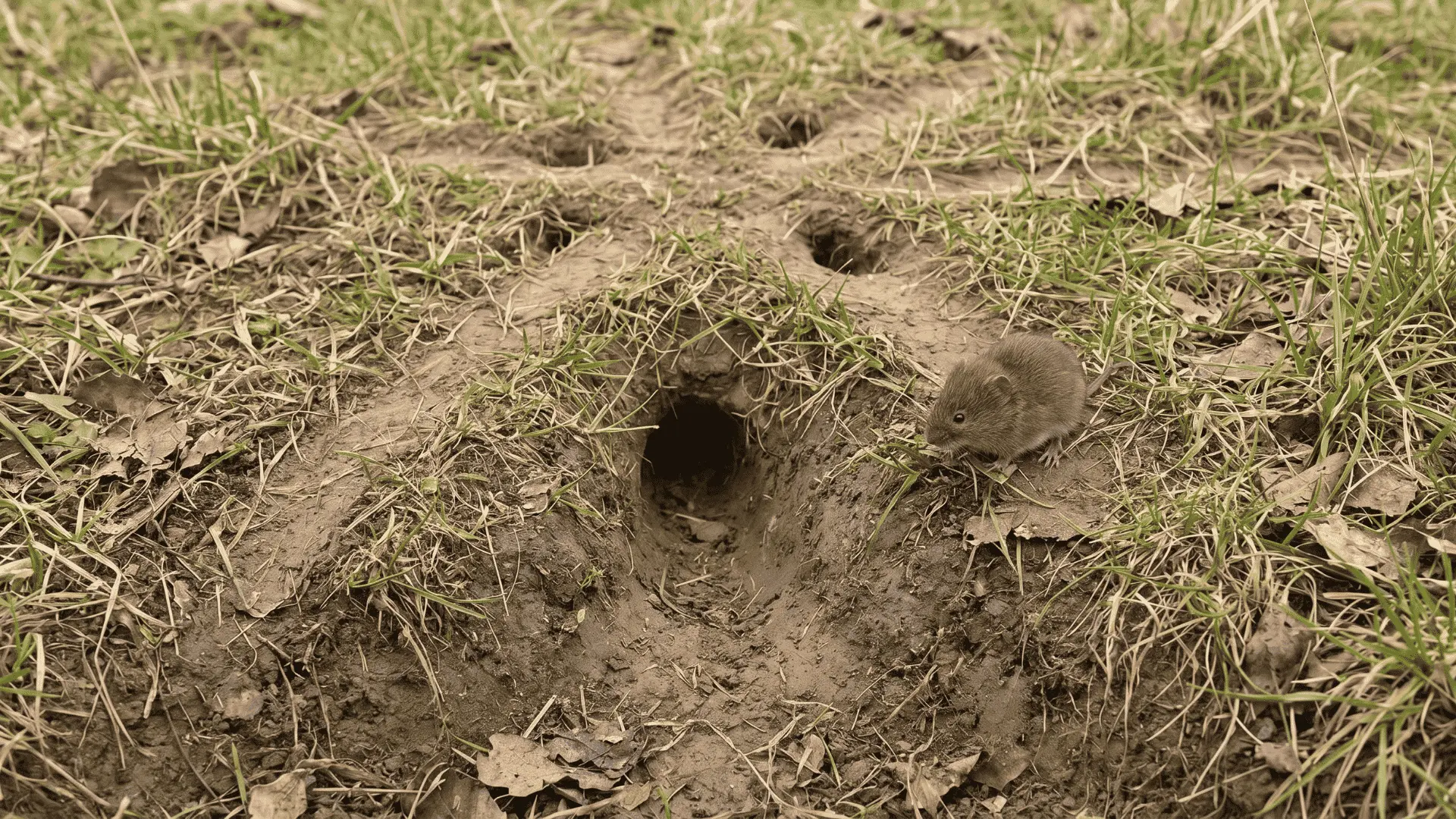
Voles often take advantage of existing mole tunnels for their own activity. Since moles dig deep underground, their tunnels provide an easy way for voles to move around and find food.
If you notice tunnels or ridges on your lawn that seem to be used for surface activity, it’s a good indicator that voles may be using these tunnels for travel.
4. Damage to Trees and Shrubs
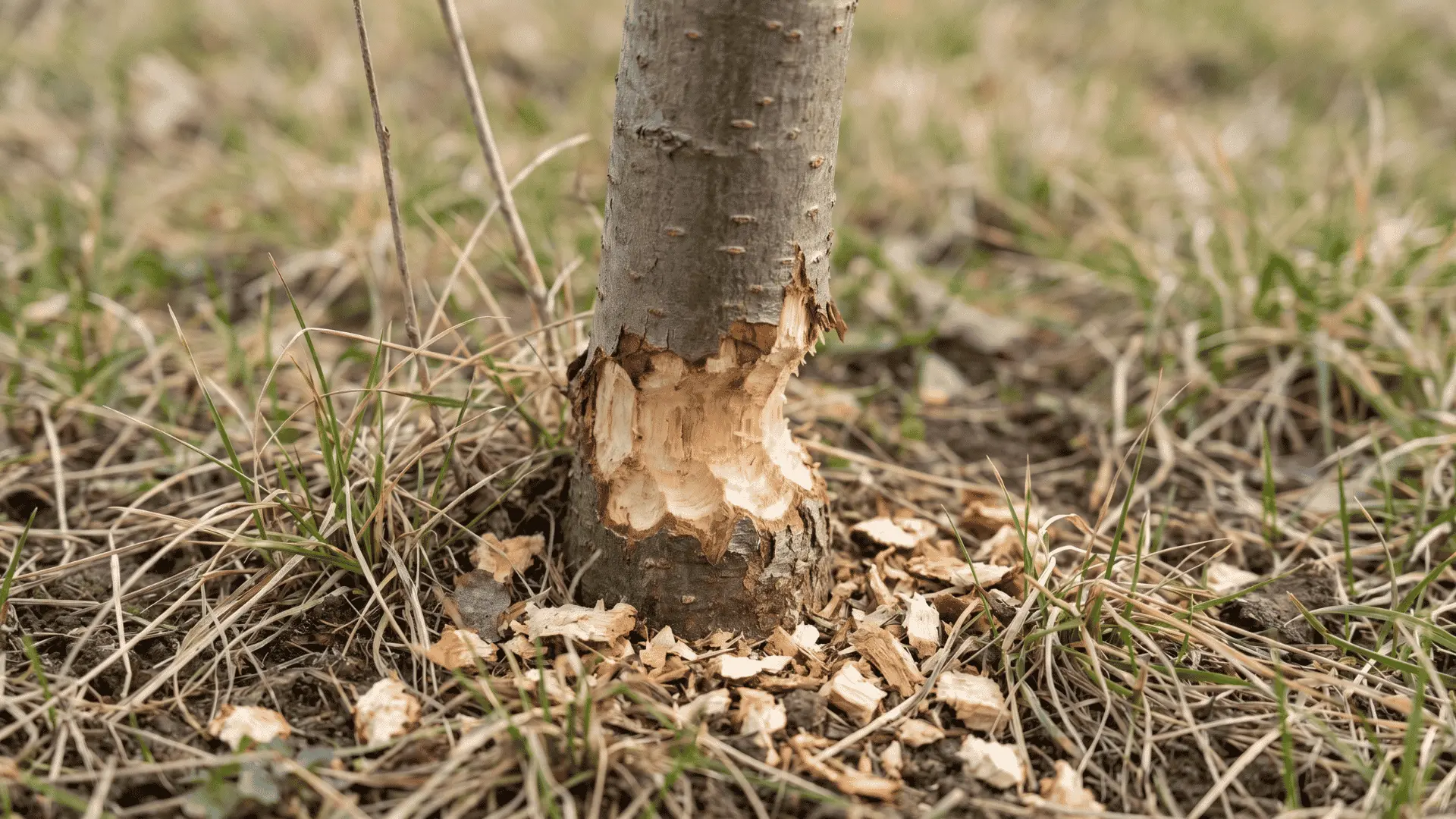
One of the most damaging signs of vole activity is the appearance of chewed bark on trees and shrubs. Voles gnaw on the bark, especially of young trees, which can harm or even kill them.
This chewing often occurs near the base of the tree or shrub, and you may notice a ring of missing bark. This is a critical sign that voles are actively feeding in your yard and damaging your plants.
Look for these signs to spot vole activity early and take action, as differentiating it from mole damage helps you apply the right control methods.
How to Get Rid of Voles in Your Yard: Effective Methods
If voles have already moved into your yard, acting quickly with the right methods can reduce damage and help restore your lawn and plants. The most effective strategy is to combine several approaches rather than relying on just one.
1. Trapping
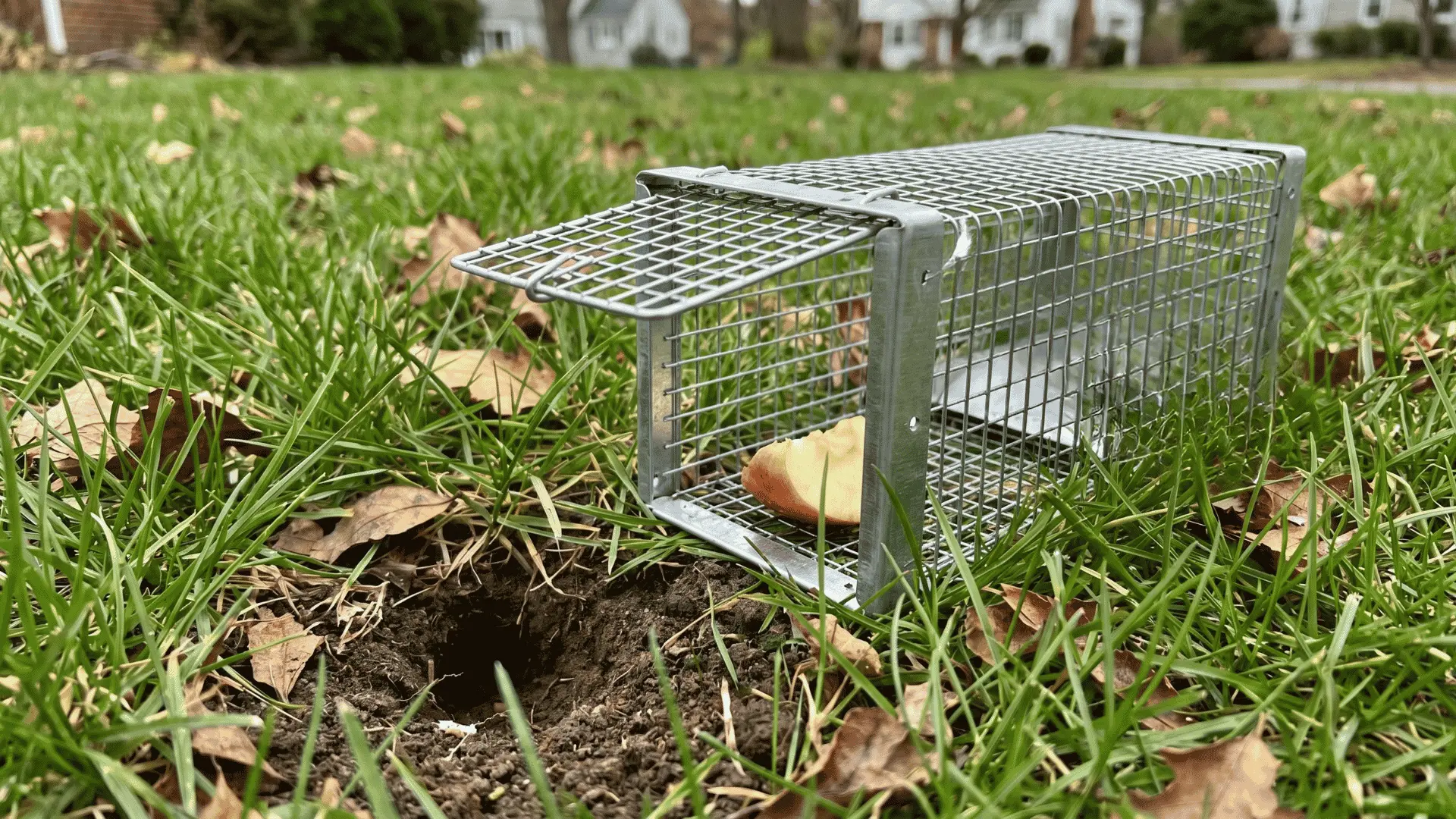
Snap traps are the fastest way to reduce vole numbers. Place them directly on runways, perpendicular to the path, and bait with peanut butter or apple slices.
Check daily and remove caught voles promptly. Set traps at 10-foot intervals along active runways for better coverage.
For extra protection, cover traps with cardboard to avoid accidentally catching birds or small pets.
2. Repellents
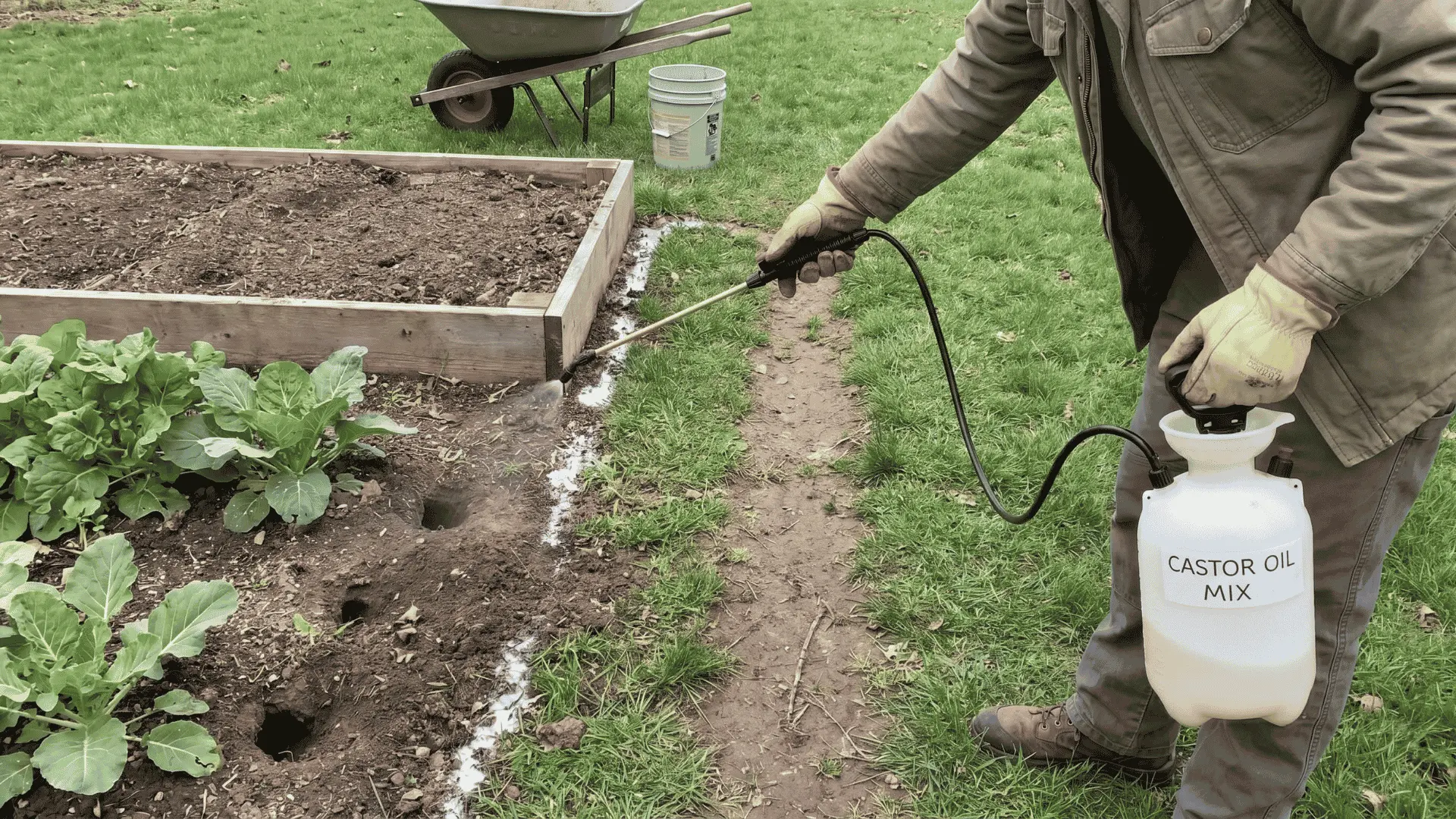
Repellents deter voles but won’t eliminate them. Mix 2–3 tablespoons of castor oil with a gallon of water and a few drops of dish soap.
Spray around runways and garden edges every 1–2 weeks. Garlic spray and predator urine can help, but need frequent reapplication.
Always combine repellents with trapping or habitat changes for noticeable results.
3. Physical Barriers
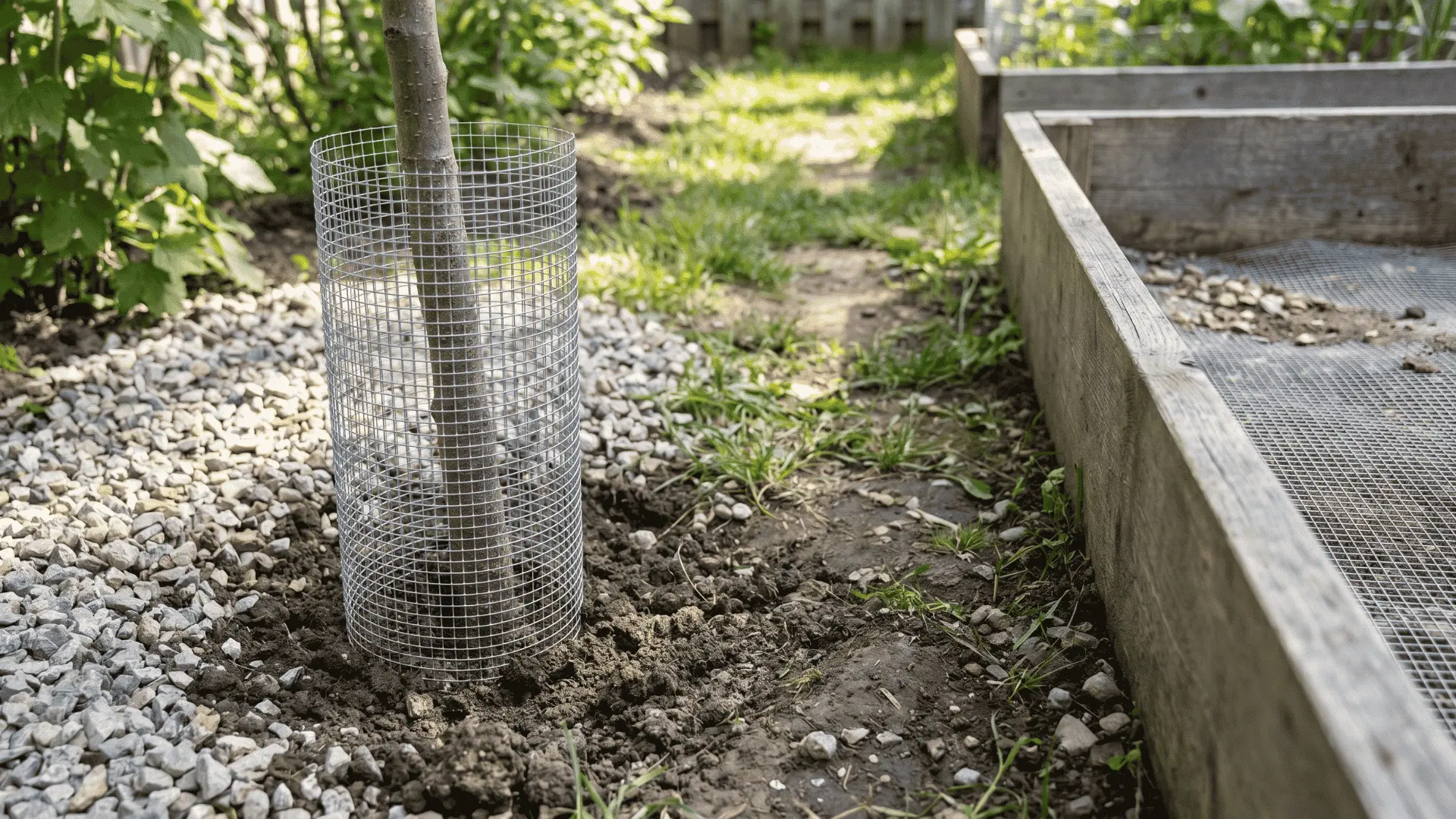
Wrap tree bases with ¼-inch wire mesh, buried 3 inches into the soil and extending 12 inches above ground. Use buried hardware cloth around garden beds to block underground entry.
For mulched areas, swap organic mulch with coarse gravel voles won’t nest in it. Unlike repellents, barriers don’t wear off and offer reliable long-term protection.
4. Habitat Modification
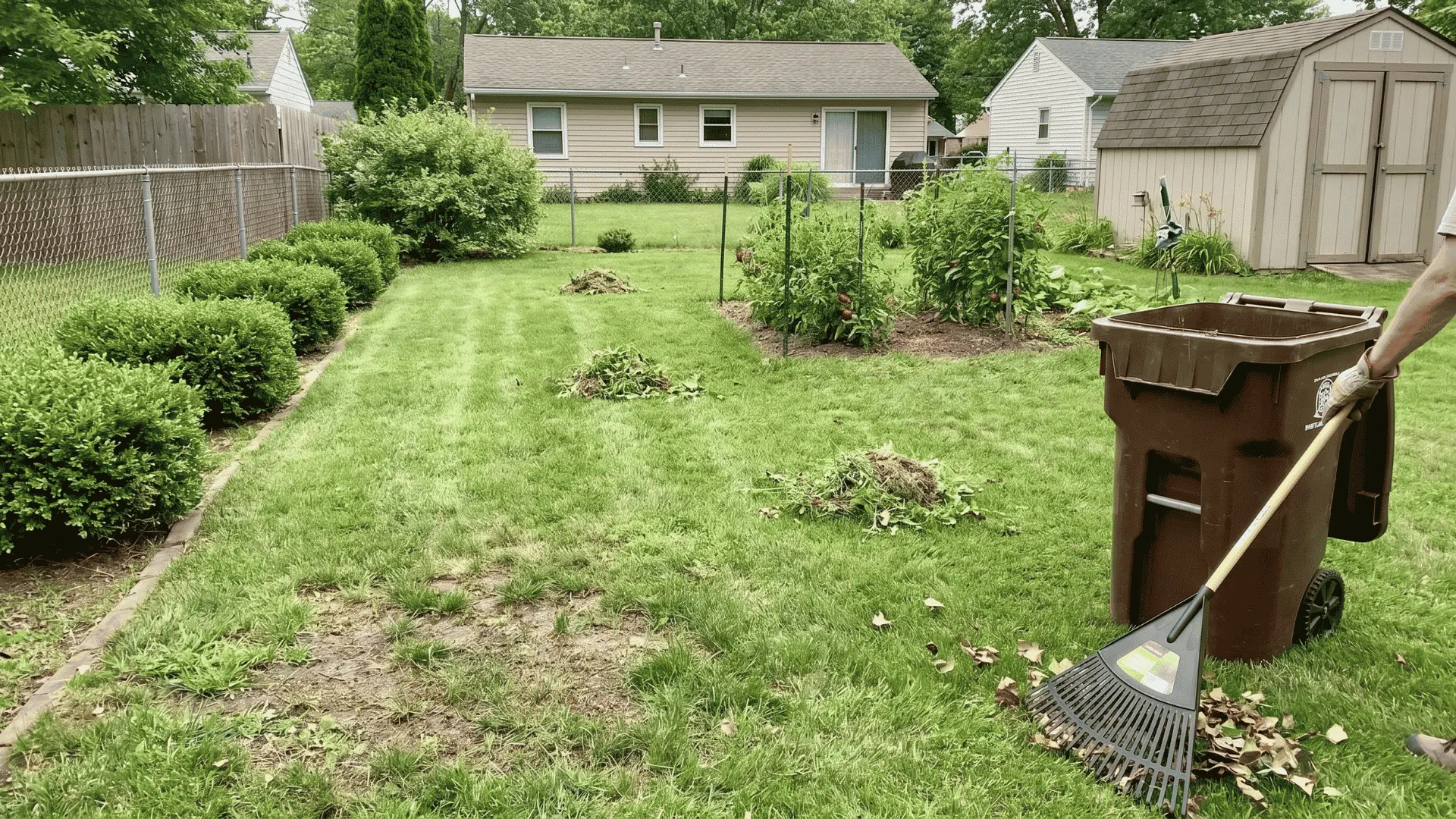
Remove what attracts voles mow regularly, clear leaf piles and debris, limit mulch to 2 inches, and clean up fallen fruit or birdseed.
Trim low-growing shrubs and pull weeds to eliminate hiding spots and nesting areas. This is considered by many pest experts to be the single most effective long-term prevention strategy.
5. Pesticides
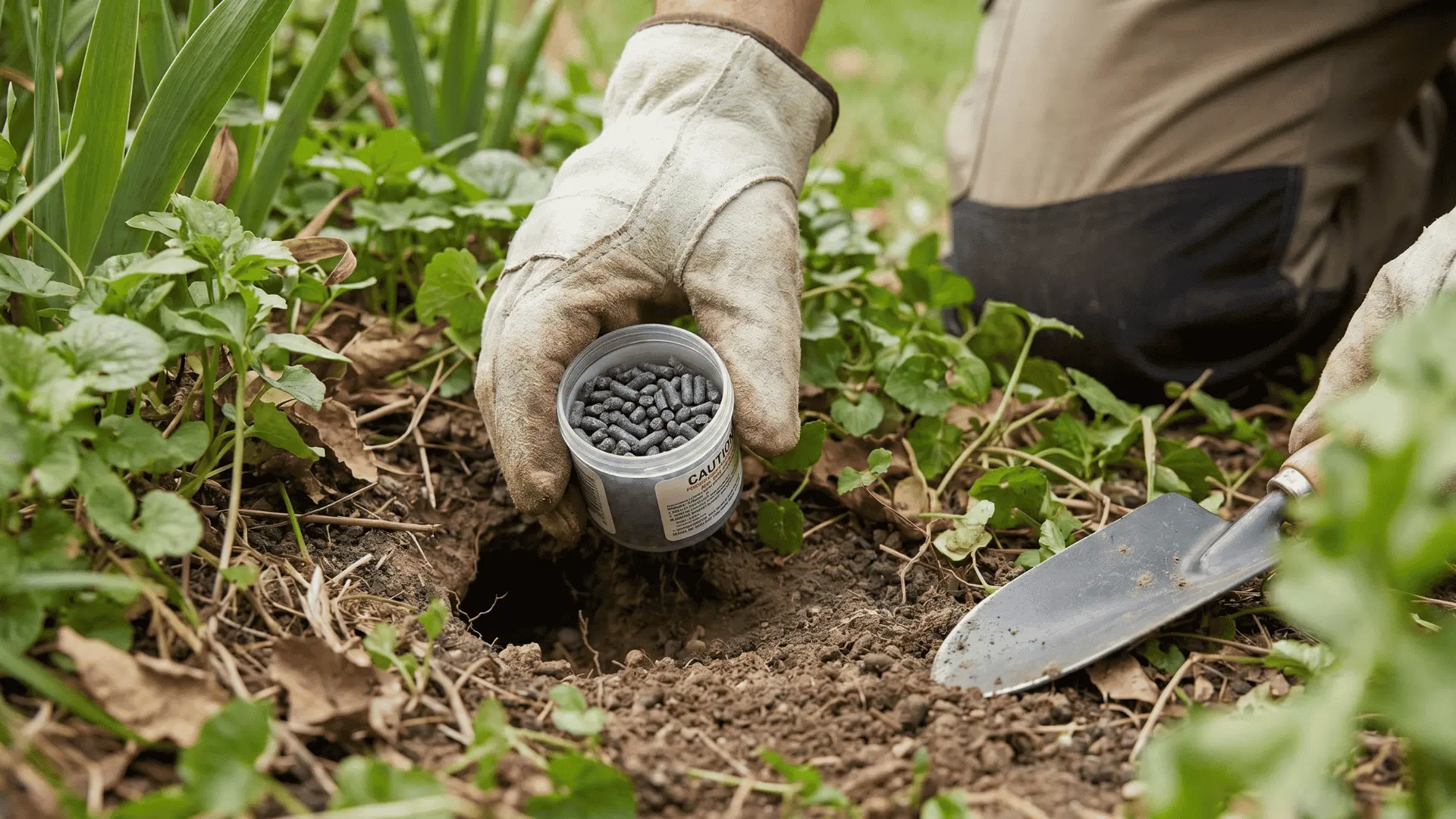
Zinc phosphide baits can work for severe infestations, but risk harming pets and wildlife. Always place bait inside burrows, follow label instructions carefully, and check local regulations before use.
Note that many rodenticides are restricted to licensed applicators in certain states. If you’re unsure, skip pesticides entirely and contact a professional pest control service instead.
Timing, Monitoring, and Prevention for Effective Vole Control
Effective vole control requires careful timing, ongoing monitoring, and proactive measures to ensure long-term results.
| Season | Vole Activity | What to Do |
|---|---|---|
| Fall | High – seeking shelter | Set traps, apply repellents, clear debris |
| Winter | Hidden under snow | Install tree guards, monitor for bark damage |
| Early Spring | High – searching for food | Inspect yard, reseed damaged areas, reset traps |
| Summer | Moderate | Maintain lawn, keep mulch thin, check barriers |
By combining proper timing, consistent monitoring, and proactive prevention, you can successfully protect your yard from voles.
When to Seek Professional Help for Vole Infestation
DIY methods work well for minor vole problems, but some infestations go beyond what traps and repellents can handle.
Signs It’s Time to Call a Professional
- Vole activity continues after 2–3 weeks of consistent trapping and repellent use
- The infestation returns every season despite your efforts
- Burrows and runways are spreading across a large area of your yard
- You’re seeing significant damage to trees, shrubs, or garden beds
- You’re not comfortable handling traps or rodenticides safely
Why Hire a Professional for Vole Control
Pest control experts assess the full infestation, identify entry points, and apply targeted treatments not available to the public, going far beyond basic trapping.
Delaying professional help only allows voles to multiply faster, turning a manageable problem into expensive lawn and tree damage. Acting early with the right help is always cheaper than repairing the aftermath.
Conclusion
Voles can quickly turn your yard into a battleground, but with the right knowledge and proactive measures, you can manage and prevent their damage.
Early identification, proper timing, ongoing monitoring, and the use of effective methods such as trapping and repellents are crucial to keeping your yard safe.
If your efforts don’t seem to make a dent, don’t hesitate to call in professional pest control for a comprehensive solution.
By staying vigilant and using the right control strategies, you can protect your plants and enjoy a healthier, vole-free yard. Act now to safeguard your outdoor space!
Frequently Asked Questions
How often should vole repellents be reapplied?
Repellents should be reapplied after rain or irrigation, and according to product instructions, since their effectiveness decreases over time.
Are voles dangerous to people or pets?
Voles generally aren’t dangerous to humans or pets, but handling areas where they’ve been active should be done with gloves because their droppings can carry bacteria
What naturally repels voles?
Castor oil-based sprays and plants that voles dislike, such as daffodils, alliums, garlic, and lavender, can act as natural deterrents.