Designing the Perfect Home Office: A Practical Guide to Comfort, Style, and Productivity
The way Australians work has changed dramatically over the past few years, with hybrid and remote arrangements becoming the new normal.
As a result, more people than ever are investing in home offices that genuinely support their daily work demands.
A well-designed home workspace boosts focus, supports physical well-being, and can even lift overall job satisfaction.
Choosing the right setup is no longer a luxury but a smart, long-term investment in both your career and your everyday quality of life.
Why Your Home Office Setup Really Matters
The space where you spend eight or more hours a day has a profound effect on your health, mood, and output.
Poorly chosen furniture leads to back pain, eye strain, fatigue, and a noticeable drop in productivity over time.
Thoughtful planning can transform even a small corner of your home into a workspace you genuinely enjoy using.
Investing in the right pieces upfront saves money, prevents physical issues, and turns your home office into a space that supports your best work.
Start With the Foundations of Your Workspace
Before buying any furniture, take the time to evaluate your daily working habits and the physical space you have available.
Consider how many hours you sit each day, the size of your room, available natural light, and any specific equipment your job requires.
Mapping these basics first helps you avoid expensive mistakes and ensures every piece you buy serves a clear purpose.
A workspace tailored to your actual workflow always outperforms a generic setup copied from a lifestyle magazine.
Lighting and Layout Make a Surprising Difference
Natural light is one of the most underrated productivity boosters available to remote workers anywhere in Australia.
Position your desk near a window where possible, but avoid direct glare on your screen during peak sun hours.
Layered task lighting becomes essential during darker months and late-afternoon work sessions.
Combining a quality overhead light with a focused desk lamp keeps your workspace bright, comfortable, and easy on the eyes throughout the entire day.
Ergonomics Should Never Be an Afterthought
Long hours of seated work take a toll on the body, even when you feel fine in the short term. Investing in ergonomic essentials such as a supportive chair, a monitor at eye level, and a properly placed keyboard pays dividends for years to come.
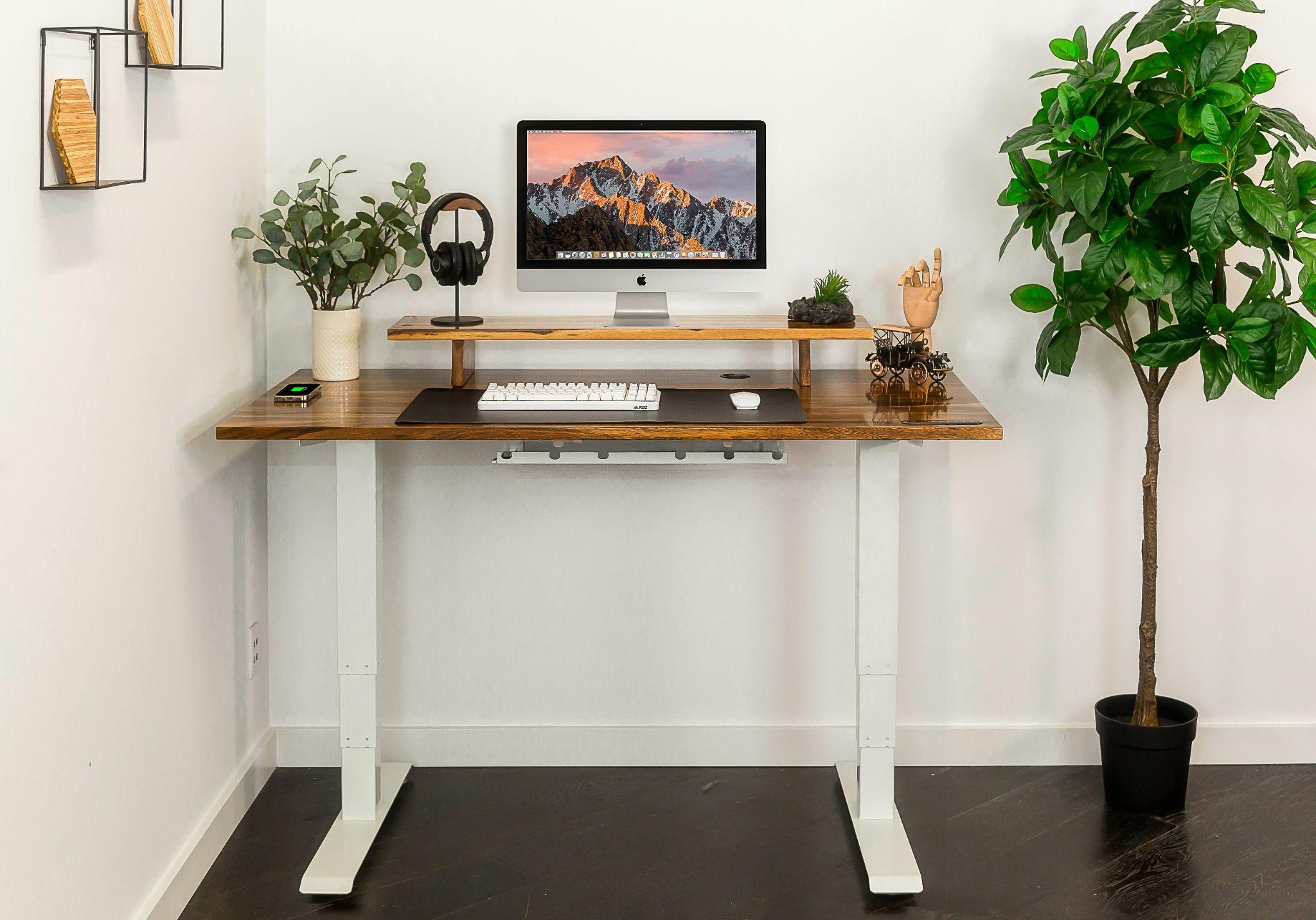
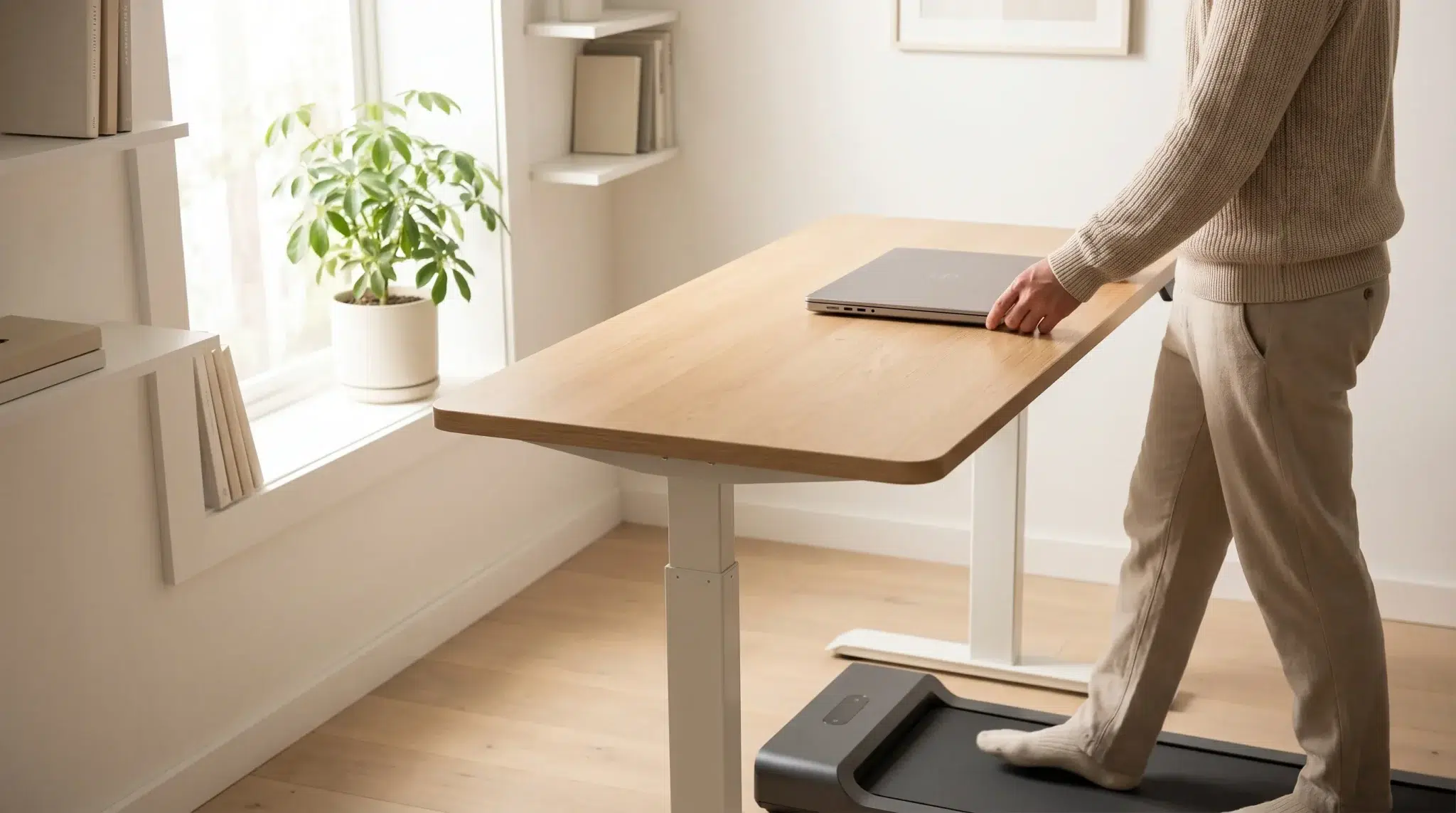
Modern workspaces increasingly feature a height adjustable desk as the centrepiece of an ergonomic setup.
These versatile desks let you switch effortlessly between sitting and standing, reducing back pain, improving circulation, and keeping your energy levels steady throughout the day.
The Productivity Benefits of Movement
Sitting for prolonged periods has been linked to a wide range of health issues, from muscular tension to reduced cardiovascular health.
Standing intermittently throughout the day naturally increases movement, encourages better posture, and counteracts the negative effects of a sedentary work pattern.
Many remote workers report sharper focus and better concentration after switching to a sit-stand routine.
The simple act of changing positions every hour or so prevents that mid-afternoon slump that affects so many home-based professionals.
Choosing the Right Desk Size and Finish
A desk that is too small leaves you cluttered and stressed, while one that is too large can dominate the room and feel impersonal.
Common sizes range from compact 1400mm options for small spaces to generous 1800mm models for those who use multiple monitors or spread out paperwork.
Finishes also play a major role in how your home office looks and feels each day. Whites and light tones brighten small rooms, while deeper finishes like black, walnut, or bamboo lend warmth and a sense of professional sophistication to the space.
Storage Solutions That Reduce Daily Friction
Cluttered desks lead to cluttered minds, which can quickly slow your productivity and increase stress levels.
Mobile pedestals, under-desk drawers, and floating shelves all help keep paperwork, stationery, and accessories tidy yet easily within reach.
Cable management is another small detail that has a disproportionately large impact on the look of any workspace.
Tidy cables under and behind your desk to reduce visual noise and make cleaning, rearranging, and upgrading your setup far easier in the long run.
Adding Character with Considered Materials
Function matters most, but a workspace that lacks personality can feel sterile and uninspiring after only a few weeks.
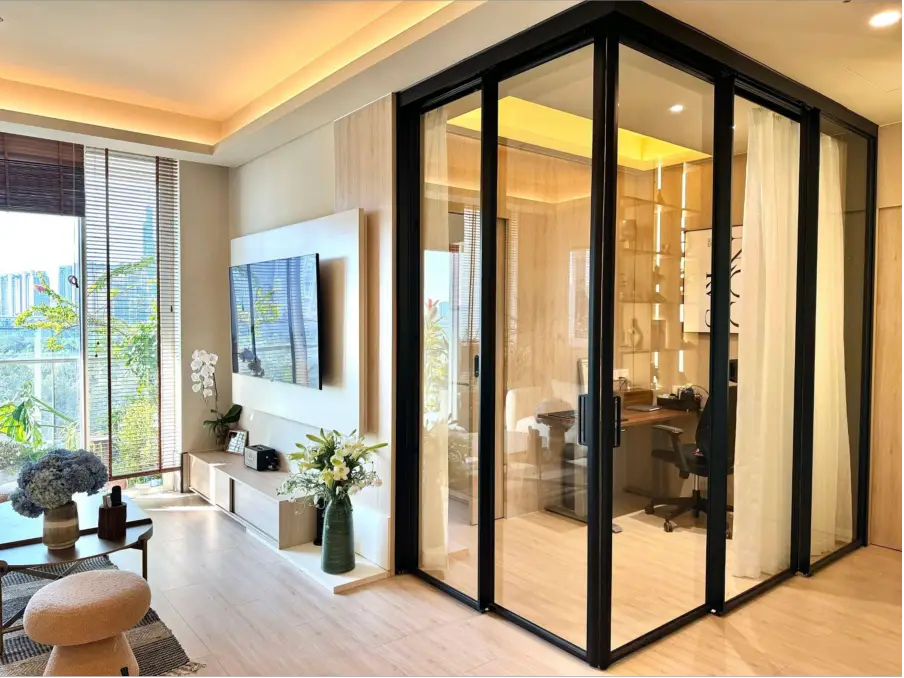
Mixing materials such as steel, glass, and timber creates visual depth and makes the space feel intentional rather than thrown together.
Few materials add character quite like a beautifully finished hardwood surface in a modern workspace.
A handcrafted timber desk made from premium Australian or imported hardwoods becomes a true statement piece that anchors the entire room.
Why Timber Continues to Stand the Test of Time
Solid timber furniture offers a warmth, weight, and presence that mass-produced alternatives simply cannot match.
Each piece carries its own grain pattern, natural variations, and character that develop further over decades of regular use.
Sustainably sourced hardwoods such as Tasmanian Blackwood, Victorian Ash, Sydney Blue Gum, and American Walnut have proven their longevity for centuries.
Choosing a custom-built timber desk means buying once and enjoying the result for a lifetime instead of replacing furniture every few years.
Combining Style and Function in One Space
The smartest home offices blend ergonomic essentials with personal style choices that reflect the user’s tastes.
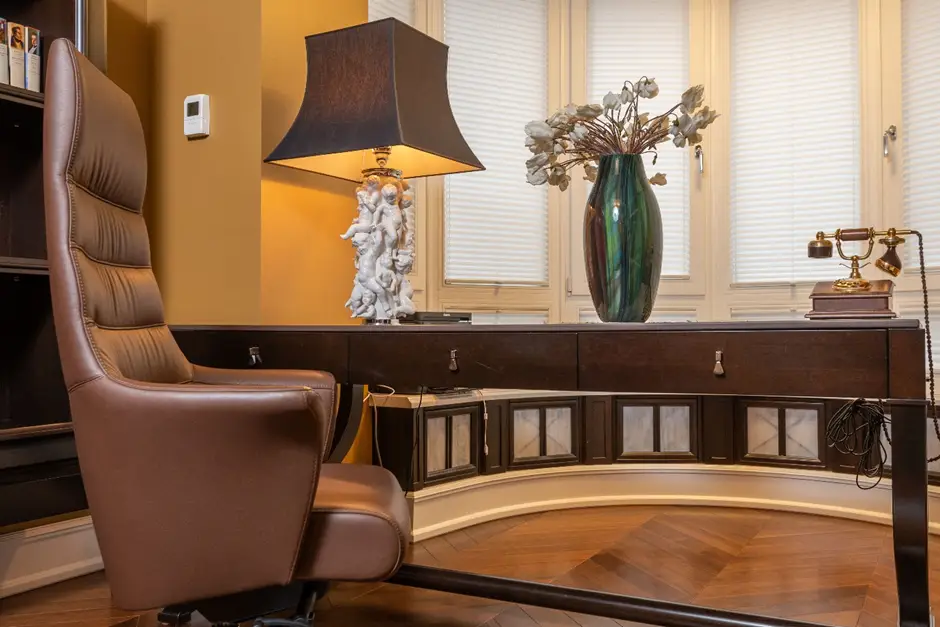
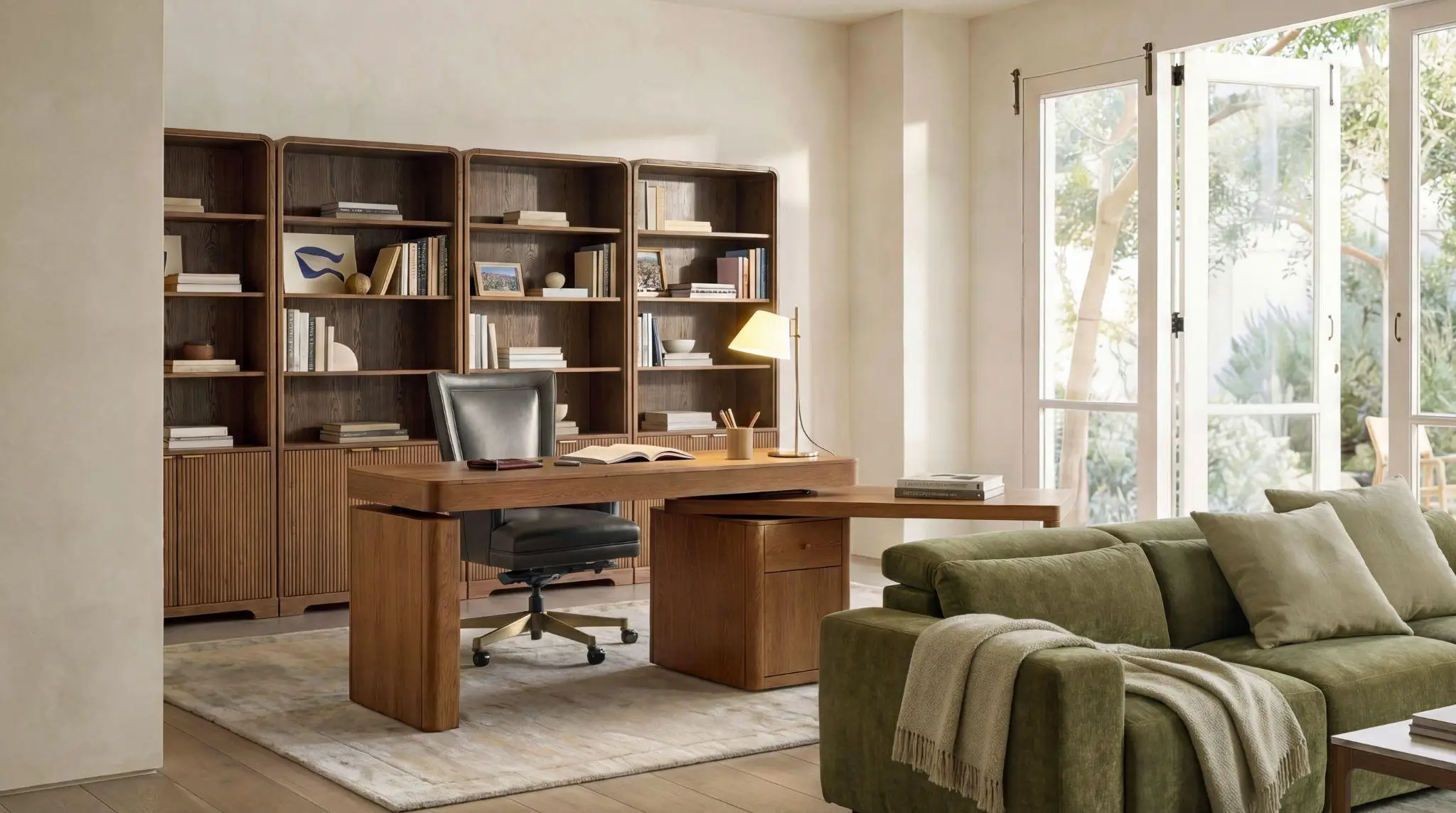
A height-adjustable workstation can sit comfortably alongside a heritage-style timber bookcase, leather chair, or feature lighting fixture.
This balance between modern functionality and timeless craftsmanship creates rooms that perform well and look genuinely inviting.
Walking into a workspace you love is one of the best ways to start each working day on a positive note.
Don’t Forget the Surrounding Environment
Your desk and chair are essential, but the surrounding environment shapes how productive and comfortable you feel each day. Indoor plants, calming wall colours, and a few personal touches can transform any room into a space that feels uniquely yours.
Acoustics also matter more than people realise, particularly during video calls and concentration-heavy tasks.
Soft furnishings, rugs, and curtains all help absorb sound and reduce echo, creating a calmer, more professional environment overall.
Future-Proofing Your Workspace
Technology and work habits evolve quickly, so building flexibility into your setup is genuinely worthwhile.
Choose furniture and accessories that adapt to changing equipment, additional monitors, or new collaboration tools as your role inevitably shifts.
Modular and adjustable solutions tend to age far better than rigid alternatives that lock you into a single configuration.
A workspace that can grow with you delivers far better value over the long term than a one-time setup that feels outdated within a few years.
Final Thoughts
Building a great home office is a careful balance of ergonomics, aesthetics, storage, and personal expression that serves your unique workflow.
The right combination of pieces supports your health, productivity, and daily wellbeing for years on end.
Whether your priority is cutting-edge ergonomic technology or timeless handcrafted timber furniture, investing in quality always pays off.
Take the time to plan thoughtfully, and your home office will reward you with comfort, focus, and genuine enjoyment every working day.
Grace Anderson is a full-time freelance writer with over a decade of experience who holds a BA in English Literature from the University of Michigan and an MA in Creative Writing from Columbia University. Her journey in professional writing began in 2009, contributing to various lifestyle and design magazines.
Her extensive background includes working as an interior design consultant before transitioning to writing. With a keen eye for detail and a passion for ergonomics, her articles blend practicality with aesthetics. Outside work, she is a great reader and enjoys gardening.