
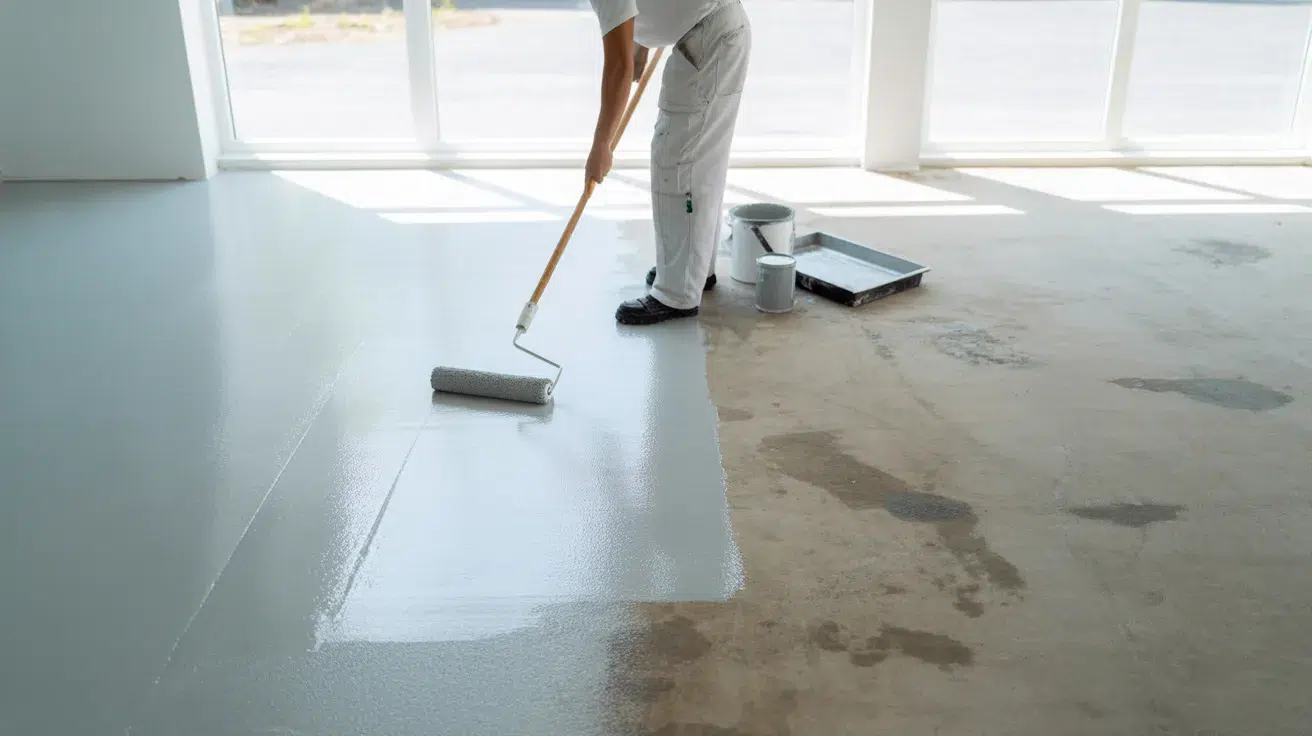
Can You Paint Concrete? What Actually Works and What Doesn’t
Concrete floors, walls, and patios all look better with a fresh coat of paint. But can you paint concrete and actually make it last? That is where most people get stuck.
Concrete is not like drywall or wood. It is porous, holds moisture, and moves with temperature changes.
Paint does not just sit on it the way you might expect. Applied incorrectly, it peels, flakes, and fails within months.
The surface, the environment, and the type of paint you choose all play a role. Miss one, and the whole job falls apart.
That said, painting concrete is very much possible. You just need the right prep, the right paint, and a clear understanding of what you are working with. Let’s get through the big question first.
Can You Paint Concrete?
Yes, you can paint concrete. But it is not as simple as painting a wall.
Concrete is porous which means it has tiny holes all over its surface. These holes absorb liquids unevenly, which makes it hard for paint to stick properly.
Paint also sits on top of concrete; it does not soak in. This creates adhesion challenges over time. The paint can peel, chip, or flake, especially in high-traffic or outdoor areas.
It can work, but only with the right prep, proper cleaning, priming, and the right type of paint, which are non-negotiable.
How to Make Paint Stick to Concrete
Getting paint to stick to concrete takes more than just a brush and a can. Follow these steps to avoid common failures and get a finish that actually lasts.
Step 1: Check Moisture and Surface Condition
Concrete holds water and slowly releases vapor over time. This moisture is not always visible, which makes it easy to miss.
If it is present when you paint, the coating will lose its grip and start peeling early. Always test for moisture before you begin, and never paint fresh or damp concrete.
Step 2: Clean the Surface Properly
Dust, grease, and oil sit on the surface, preventing paint from bonding to the concrete beneath.
When the surface is dirty, paint tends to stick to the grime rather than the surface, leading to early failure.
A thorough clean is one of the most important steps you can take before applying any coating.
Step 3: Let the Surface Fully Dry
Even after cleaning, moisture can stay trapped just below the surface. That trapped moisture pushes paint off from the inside as it tries to escape.
Even a small damp patch can cause bubbling or flaking, so give the surface enough time to dry out completely before moving on.
Step 4: Create a Rough Surface for Grip
Smooth concrete gives paint almost nothing to hold onto. The surface needs some texture for the coating to anchor itself properly.
Lightly roughening it through sanding or etching opens the surface and helps paint bond more strongly and last longer.
Step 5: Understand Movement and Limits
Concrete is not a static surface. It expands and contracts as temperatures rise and fall, and that constant movement can crack or weaken the paint layer over time.
On top of that, uneven absorption across the surface can cause patchy, inconsistent results. Knowing these limits helps you choose the right paint and set the right expectations.
Avoid these common mistakes:
- Painting in humid or wet conditions
- Skipping cleaning or surface roughening
- Applying paint to fresh concrete
Get the prep right, and the paint will follow.
Types of Paint that Work on Concrete and Why
Not all paints behave the same on porous surfaces. Choosing the wrong type is one of the fastest ways to end up with a peeling, patchy mess.
Acrylic Latex Concrete Paint
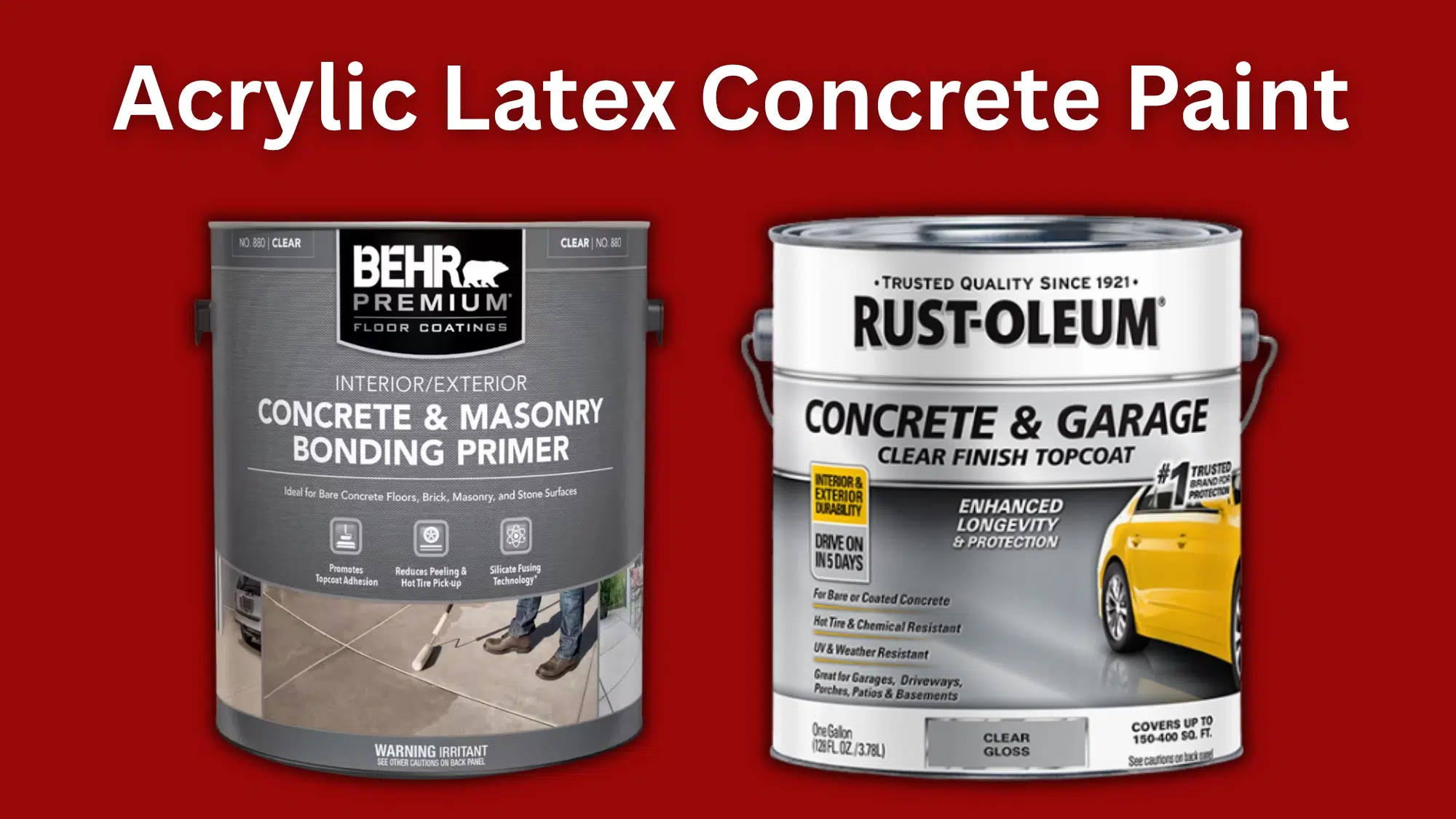
- Flexibility: Stays flexible and breathable, so it moves with the surface
- Moisture: Allows some moisture movement without cracking or bubbling
- Best for: Light-use areas like patios, basement walls, or walkways
- Limitation: Wears down faster under heavy foot traffic or repeated use
- Top picks: Behr Concrete & Masonry Paint, Rust-Oleum Concrete Floor Paint
Epoxy Paint
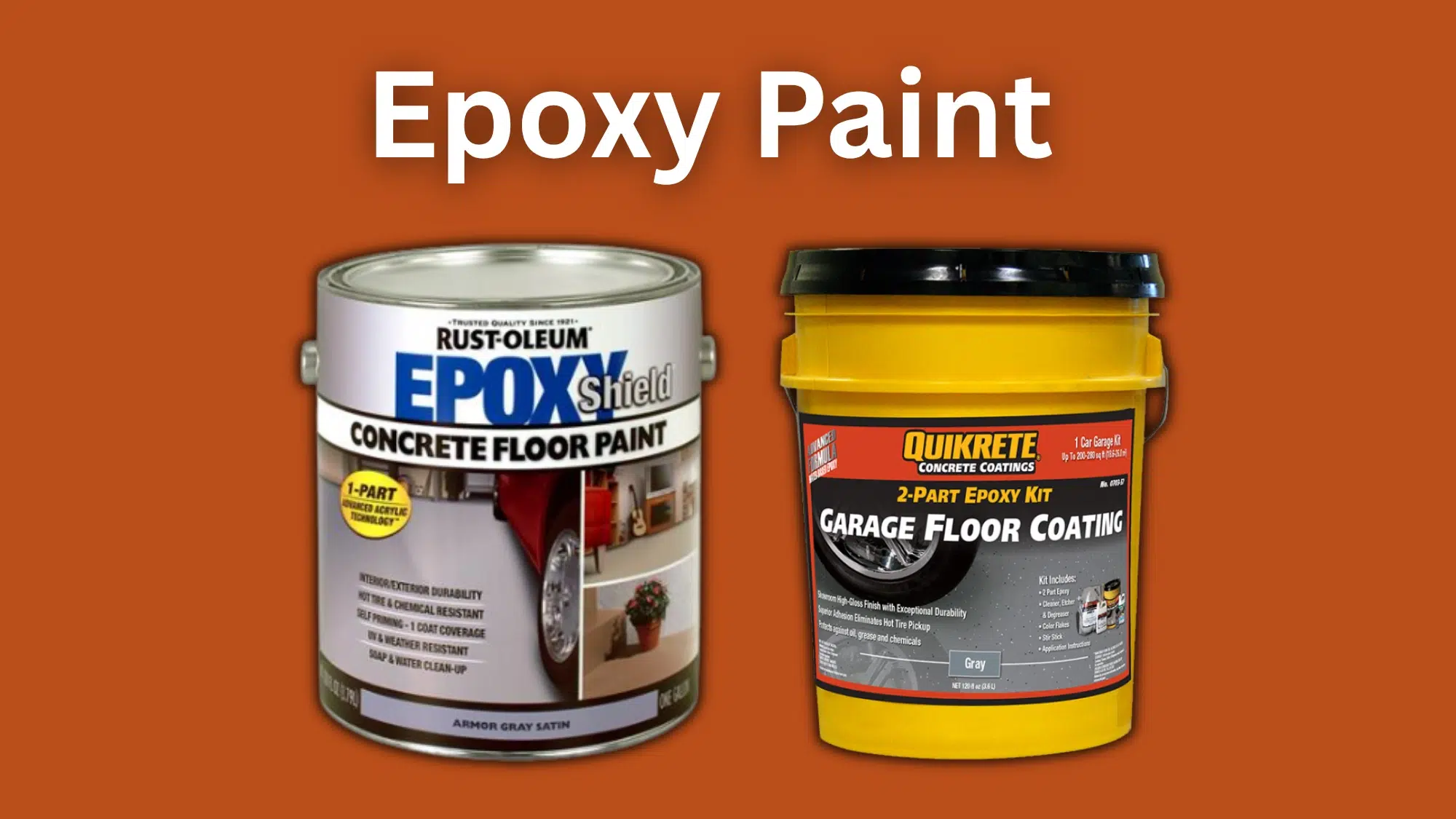
- Strength: Forms a hard, sealed coating with extremely strong surface adhesion
- Resistance: Holds up well against chemicals, stains, and heavy daily use
- Best for: Garages, driveways, and high-traffic concrete floors
- Limitation: Traps moisture beneath, fails quickly if the surface is damp
- Top picks: Rust-Oleum EpoxyShield, Quikrete Epoxy Garage Floor Coating
Masonry / Elastomeric Paint
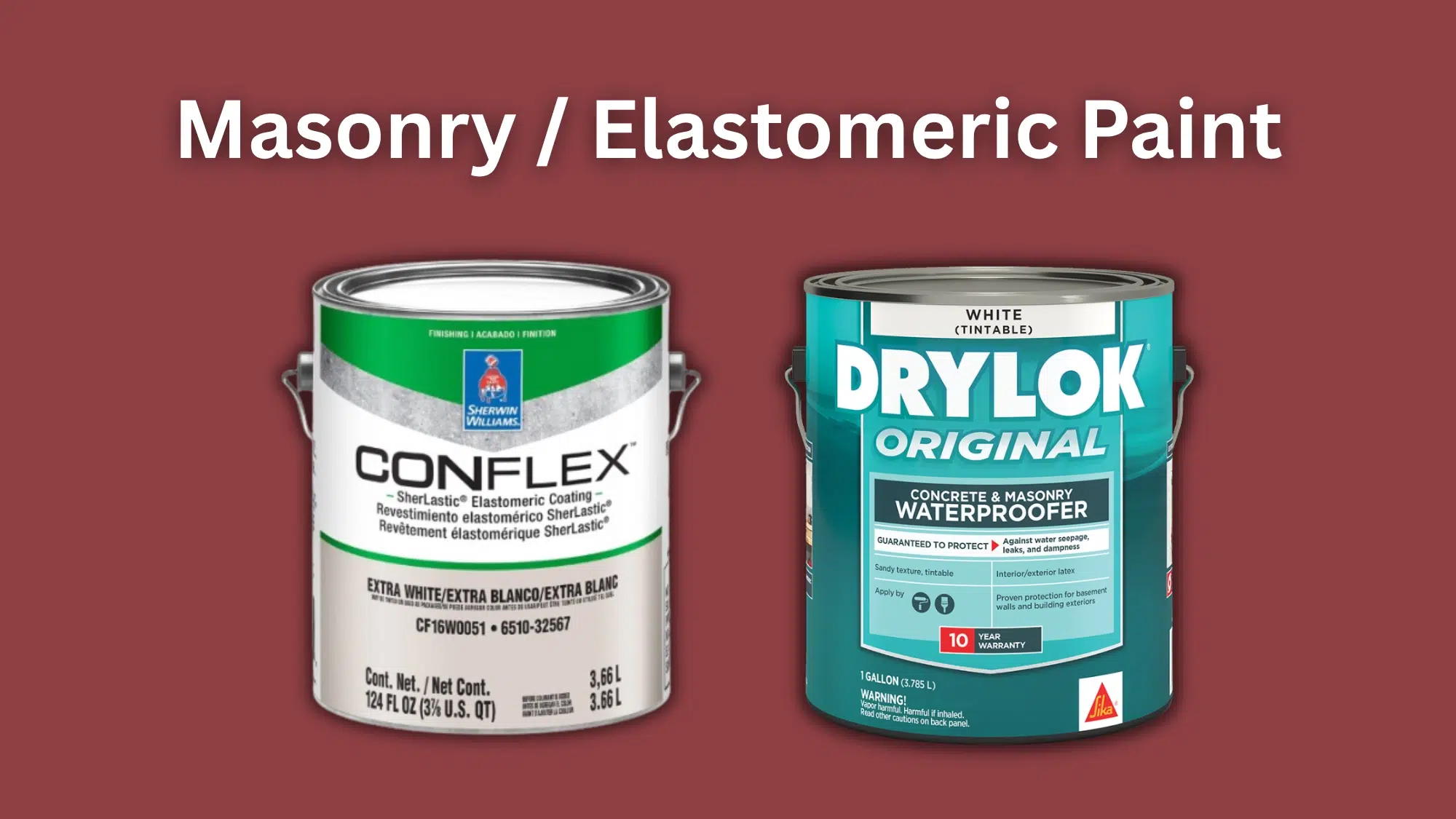
- Coverage: Thick, flexible coating that fills and bridges small surface cracks
- Movement: Built to handle concrete’s natural expansion and contraction over time
- Limitation: High moisture pressure from beneath can still cause it to fail
- Top picks: Sherwin-Williams Loxon Elastomeric, DRYLOK Masonry Waterproofer
People often assume any exterior paint will work on concrete. It will not. Regular exterior paint lacks the flexibility and bonding strength that concrete surfaces need. Always use a paint made specifically for masonry or concrete.
When Painting Concrete Works Well vs. When It Doesn’t
Knowing when to paint and when not to saves you time, money, and frustration. The right environment matters just as much as the right paint.
| Works Well When | Fails When |
|---|---|
| Interior concrete surfaces | Outdoor exposed slabs |
| Low moisture environments | High humidity or water exposure |
| Properly prepared and sealed surfaces | Poor drainage areas |
| Light foot traffic areas | Newly poured, uncured concrete |
The success of painted concrete depends more on the environment than the paint itself. Even the best product will fail in the wrong conditions.
Common Misconceptions About Painting Concrete
A lot of bad advice floats around about painting concrete. These misconceptions are exactly why so many paint jobs fail within months.
Concrete is solid, so paint sticks easily.
Not true. Concrete is porous and absorbs unevenly, making adhesion a real challenge without the right prep.
Prep work is optional.
This is the number one reason painted concrete fails. Skipping cleaning, drying, or priming almost always leads to peeling and flaking.
All paints perform the same on concrete.
Far from it. Acrylic, epoxy, and masonry paints behave very differently. Using the wrong type leads to poor bonding and early failure.
Painted concrete is a permanent solution.
It is not. Paint on concrete is a temporary finish. It needs regular maintenance and repainting, especially in high-traffic or outdoor areas.
The bottom line, concrete painting can work, but only when done with the right knowledge and the right materials.
Conclusion
So, can you paint concrete? Yes, but success depends on doing it right. The surface needs to be clean, dry, and properly prepped. The paint needs to match the surface and the environment.
Skip any of those steps, and the paint will not last. Follow them, and you can get a finish that looks great and holds up well over time.
Take your time with the prep. Choose the right paint. And know the limits of the surface you are working with. That is all it takes.
Have you tried painting concrete before? How did it go? Drop your experience in the comments below.
Frequently Asked Questions
How Long Does Paint Last on Concrete Surfaces?
Concrete paint usually lasts 3 to 5 years indoors. Outdoor areas wear faster due to weather and UV exposure. High-traffic spots may need repainting sooner. Using a sealer can extend the lifespan.
Do You Need a Primer Before Painting Concrete?
Yes, a concrete primer is important. It seals the porous surface and improves paint adhesion. Without primer, paint may absorb unevenly and peel sooner.
Can You Paint Over Already Painted Concrete?
Yes, but only if the old paint is in good condition. Remove any peeling areas, clean the surface, and use a bonding primer before applying a new coat.
Is Sealing Necessary After Painting Concrete?
Sealing is not required but recommended. A clear sealer protects against moisture, stains, and wear, especially on outdoor surfaces and garage floors.


