Seattle Homeowners’ Guide to Tree Restoration and Recovery
Seattle Homeowners’ Guide to Tree Restoration and Recovery
Key Takeaways
- Homeowners should regularly inspect their trees for the first signs of distress to prevent escalating dangers.
- Certified arborists bring expertise that can make the difference between recovery and removal.
- Proactive practices, especially pruning and pest monitoring, are essential to Seattle tree health.
- Before taking major action, be sure you understand and comply with local ordinances around tree removal or restoration.
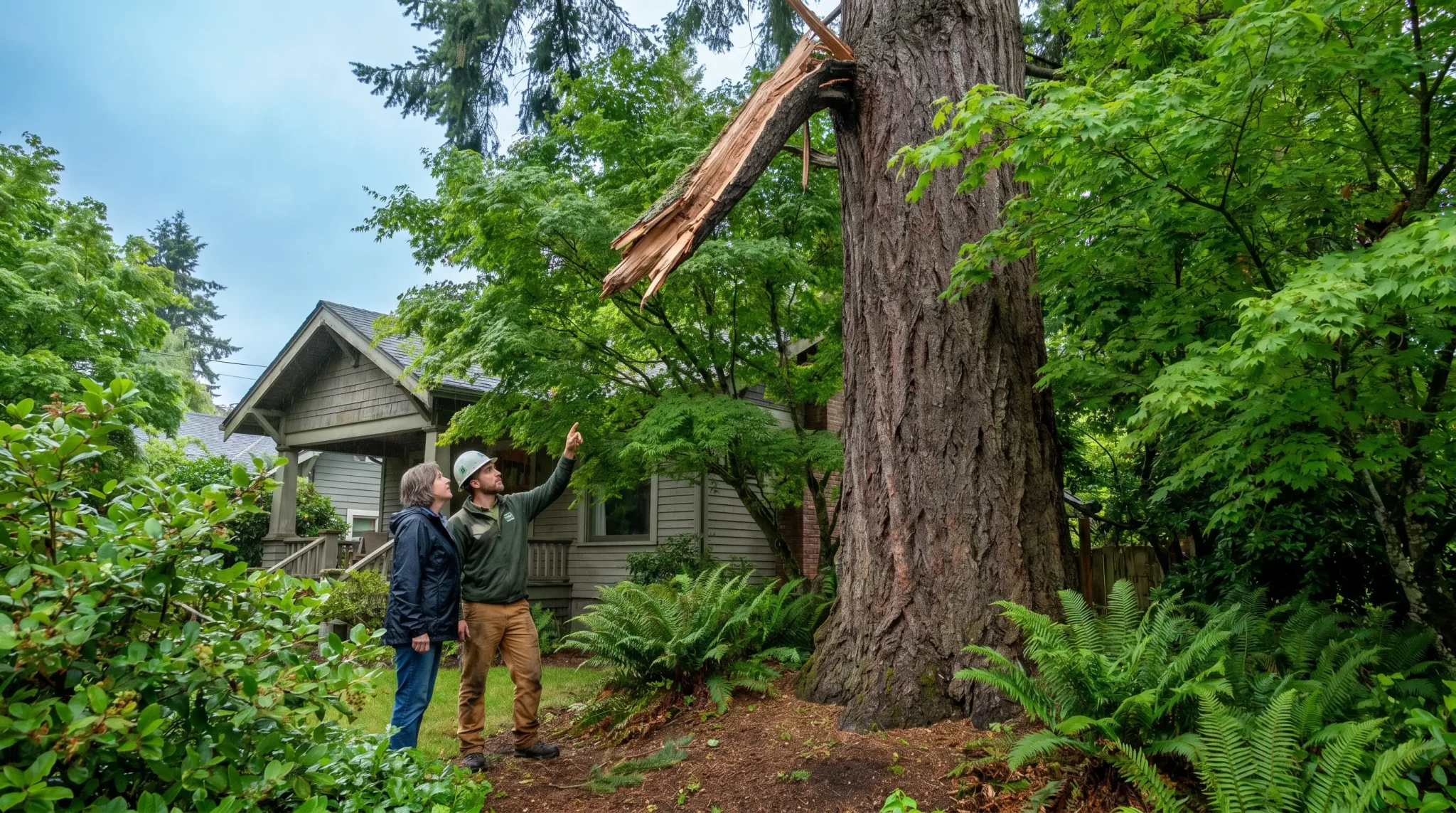
Seattle’s lush urban canopy is the city’s green soul, enhancing neighborhoods and providing vital environmental services. With such unique climate conditions, local homeowners must use specialized strategies to care for and restore their trees. Understanding tree health, knowing when to consult professionals, and staying compliant with local rules are key steps for maintaining your landscape and responding to hazards such as storms or disease. Homeowners who experience significant limb loss or trunk injuries after weather events should consider professional tree strike repair to revive and stabilize their trees safely.
Caring for trees in Seattle means more than simple aesthetic maintenance; it is about ensuring long-term safety, public health, and environmental resilience. Trees improve air quality, reduce stormwater runoff, and add value to properties, but they need occasional intervention. By recognizing early signs of trouble and acting promptly, you can keep your green assets thriving despite pests, unpredictable weather, and shifting city guidelines. Seattle’s tree cover faces special challenges from storms, dense urban development, and invasive pests. Specific solutions geared to Pacific Northwest species are necessary to keep neighborhoods green and safe for years to come.
Recognizing Signs of Tree Distress
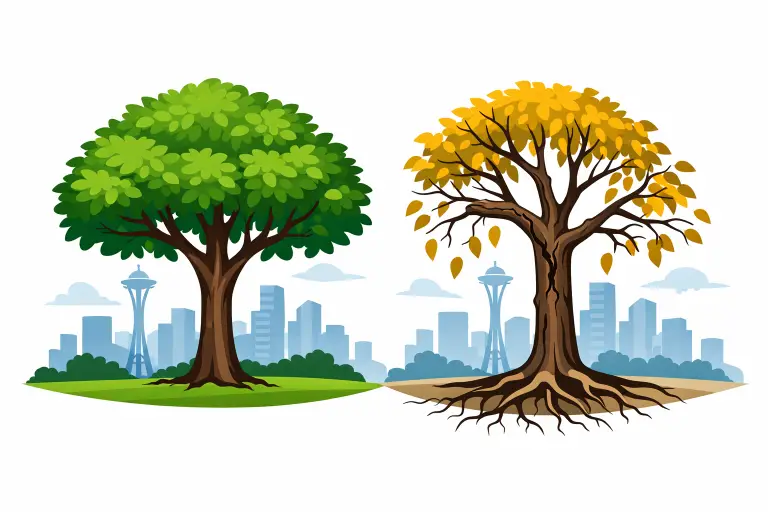
Early intervention can save trees. Seattle homeowners benefit from learning the visible signs of stressed trees. Pay close attention to the following:
- Leaf Discoloration: Leaves turning yellow, brown, or wilting outside of their normal cycle could point to fungal infections, root problems, or insufficient nutrients.
- Bark Irregularities: Cracked, peeling, or overly soft bark can suggest fungal or bacterial problems below the surface.
- Dead or Falling Branches: Brittle, leafless branches often fall with the wind and become hazards, signaling a declining tree.
- Sudden Leaning or Heaving Roots: If your tree starts leaning or you notice raised soil and exposed roots, structural failure is possible. Immediate assessment is crucial for safety.
Engaging Professional Arborists
Consult professional arborists when you see clear signs of tree distress or damage. Only experts can accurately assess structural risks and hidden diseases and recommend the right intervention. Arborists certified by the International Society of Arboriculture (ISA) are trained specifically in local species and urban forestry best practices.
- Arborists can suggest pruning, bracing, soil remediation, or, in severe cases, safe tree removal.
- They handle hazardous tree situations, such as storm damage near power lines, reducing risk to your home and neighborhood.
Get recommendations or verify certifications before hiring, and always request detailed assessments or written care plans.
Preventive Measures to Maintain Tree Health
Proactivity keeps trees stronger and less prone to invasive species or storm damage. Important preventive actions include:
- Seasonal Pruning: Remove deadwood and weak branches each year, focusing on late winter or early spring.
- Soil Management: Add mulch at the root zone, avoid soil compaction, and test nutrients to correct deficiencies promptly.
- Pest and Disease Monitoring: Seattle’s moist climate supports various pests and fungi. Regularly inspect bark and leaves for unusual insects or spots, and call an expert if an infestation spreads.
- Proper Watering: Mature trees need extra water during summer droughts, but avoid excess as soggy soil can rot roots.
A blend of careful observation and timely action makes a significant difference in tree health. For more science-based strategies, review resources like the Arbor Day Foundation’s Tree Care & Maintenance Guide.
Understanding Seattle’s Tree Regulations
Seattle’s local ordinances strictly govern tree preservation and removal. Homeowners must:
- Secure permits for removing significant or protected trees (usually those above a specific size or on city property).
- Follow rules regarding mandatory replacement of felled trees to preserve neighborhood canopy coverage.
- Refrain from removing protected native species, which have strong protections due to their ecological role.
Contact the Seattle Department of Construction and Inspections before any large-scale pruning or removal. Fines for violations can be substantial, and new plantings or mitigation plans must offset some removals.
Responding to Storm Damage
Seattle’s windstorms and heavy rain can break limbs or topple aging trees. After a storm:
- Prioritize Safety: Stay away from compromised trees, especially those tangled with utility lines, and warn neighbors.
- Hire Arborists: Only trained professionals should clear large broken branches or assess leaning trees for stability.
- Document Everything: Take photos for insurance purposes and keep receipts or reports from arborists to streamline claims.
Preparation matters as much as recovery. Keep local arborist contacts handy and schedule regular inspections before storm season.
Frequently Asked Questions
How often do Seattle trees need professional assessments?
Ideally, have major trees checked annually and after severe weather. Early identification of hazards prevents costly or dangerous emergencies.
Can I remove my own tree without consulting the city?
Rarely. Even trees on private property may be protected or require a removal permit. Always contact city authorities beforehand.
What pests should I watch for?
Be alert for aphids, scale insects, bark beetles, and fungal infections. These are common threats that spread quickly in Seattle’s humid urban environment.
What makes a tree a hazard?
Indicators include pronounced leaning, root upheaval, hollow trunks, or dead branches over walkways or buildings. If concerned, hire an arborist for a risk assessment.
Which trees are best for replacement in Seattle?
Western Red Cedar, Bigleaf Maple, and Douglas Fir are adapted to Pacific Northwest soil and rainfall, supporting both wildlife and resilient city green spaces.
Thoughtful and consistent tree care allows Seattle homeowners to enjoy thriving landscapes while contributing to the city’s environmental future.
Conclusion
Maintaining healthy trees in Seattle requires vigilance, informed decision-making, and a proactive approach. By recognizing early warning signs, working with certified arborists, and following proper care practices, homeowners can protect both their property and the surrounding environment. Staying compliant with local regulations and preparing for seasonal challenges further ensures that Seattle’s urban canopy continues to thrive. With the right balance of attention and expertise, your trees can remain strong, safe, and beneficial for years to come.