
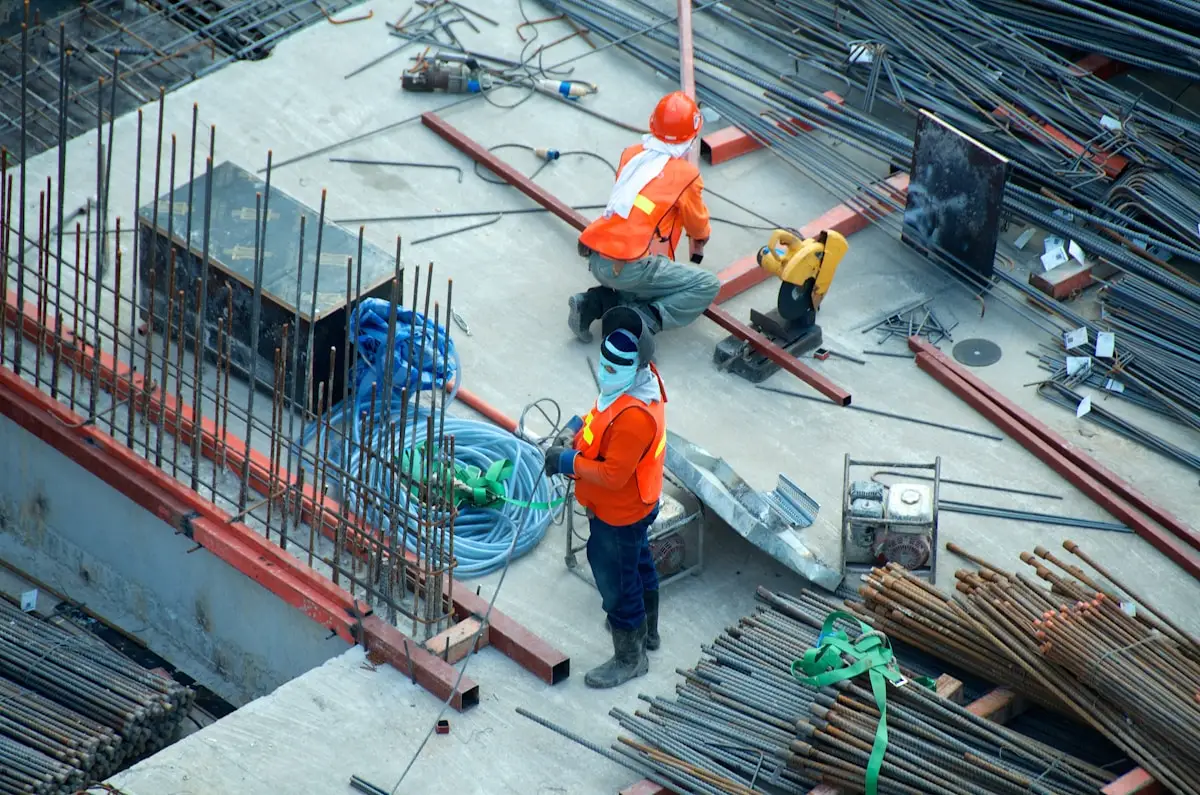
How to Prepare Your Roof Before Installing Solar Panels
Solar panels are a long-term investment. But if your roof is not in good shape before installation, that investment can quickly become a costly problem.
A structurally sound, properly prepared roof ensures your panels last as long as they should, keeps warranties intact, and avoids expensive remedial work down the line.
This guide covers exactly what to check, fix, and confirm before any solar installer sets foot on your roof.
Why Roof Condition Matters Before Going Solar
Solar panels are typically warrantied for 25 years. Most roofs are not. If you mount panels on an aging or damaged roof, you may need to remove and reinstall the entire system mid-life to make repairs.
Removal and reinstallation costs can run between $1,500 and $6,000 depending on system size, according to industry estimates. That erases a significant portion of your energy savings.
Getting the roof right first is always cheaper than fixing it later.
What Roofing Professionals Say
“We always recommend a full roof inspection before solar installation. Even a roof with two or three years of life left will need to come off once the panels are on. That costs homeowners real money.” – Daniel Brooks, Operations Lead with 15 years in site preparation and residential roofing
Step 1: Get a Professional Roof Inspection
Before contacting a solar installer, schedule a roof inspection. A qualified inspector will assess the age of your shingles, check for leaks, soft spots, or damaged flashing, and confirm whether the structure can support the added weight of panels.
Searching for a local roofing contractor in your area who provides pre-solar inspections is a practical first step. Many contractors offer written condition reports that you can share directly with your solar installer.
Most solar companies will not proceed until they receive clearance on roof condition. Some require a minimum of 10 years of remaining roof life before installation.
Step 2: Address Repairs Before Installation Day
Shingle Replacement
Cracked, curling, or missing shingles allow moisture into the roof deck. Any shingle damage should be repaired before panels are mounted, as drilling into a compromised deck creates leak paths that are difficult to trace once panels are in place.
Flashing and Sealing
Check flashing around chimneys, vents, and skylights. Solar installers drill through the roof surface to mount racking systems, and existing flashing weaknesses compound the risk of water intrusion at those points.
Attic Ventilation
Panels trap heat on the roof surface. If attic ventilation is already poor, this worsens indoor cooling loads and reduces panel efficiency. Improving ridge vents or soffit ventilation before installation addresses this.
Step 3: Confirm Structural Load Capacity
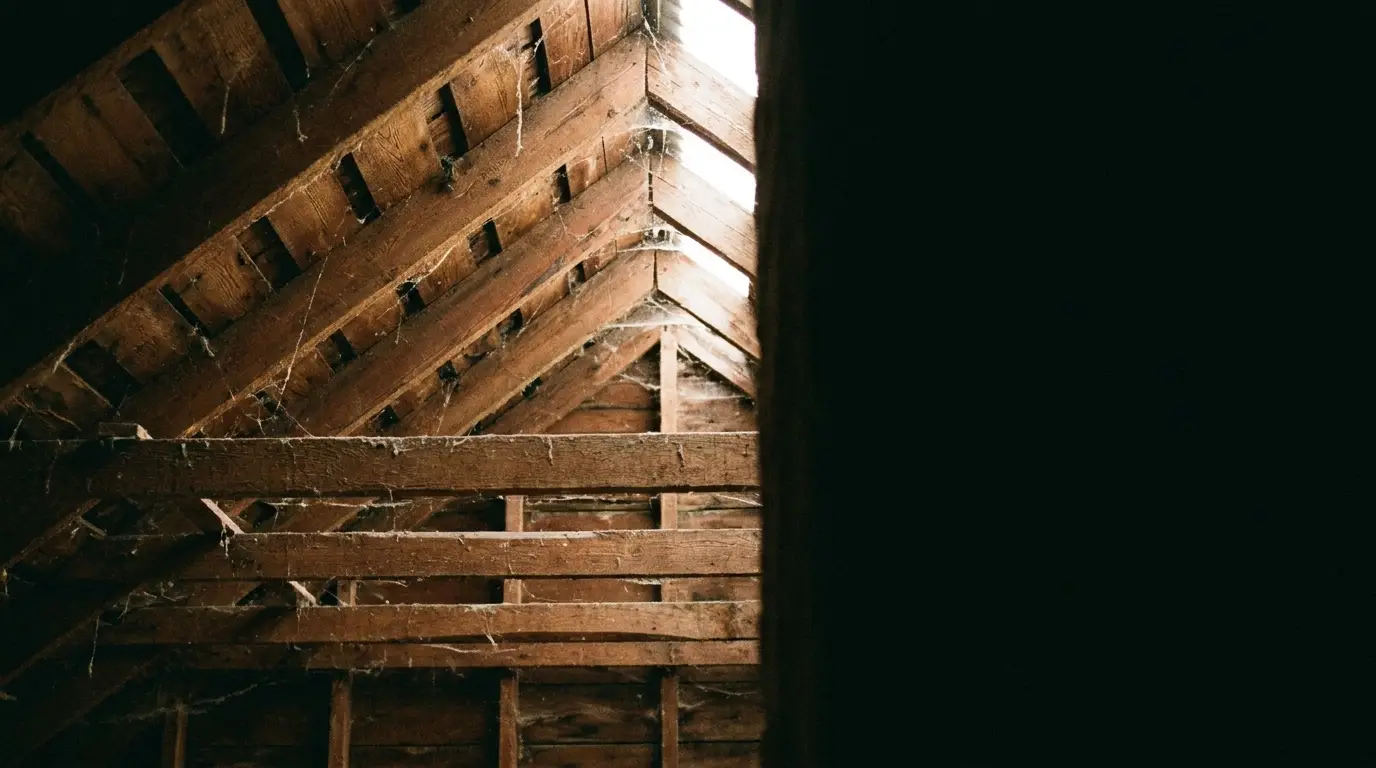
Standard residential solar systems add roughly 2 to 4 pounds per square foot of roof load. Most modern homes can handle this without modification, but older homes or those with non-standard roof framing may need structural reinforcement.
A structural engineer or experienced roofing contractor can assess this during inspection. Ask for a written assessment if your solar installer requires documentation.
The video above walks through a practical pre-solar roof inspection, covering shingle condition, flashing, and structural load assessment in plain terms.
Roof Ready vs. Roof Not Ready: Why It Changes Everything
Here is a direct comparison of what changes when you prepare your roof properly before solar installation.
| Factor | Roof Not Ready | Roof Properly Prepared |
|---|---|---|
| Solar panel lifespan | Shortened by roof damage | Maximized (25+ years) |
| Installation cost | Higher due to remedial work | Lower with clean scope |
| Warranty validity | Risk of voiding solar warranty | Full warranty maintained |
| Energy output | Reduced by poor angle/damage | Optimized for your climate |
| Leak risk | High after panel mounting | Minimal with sound structure |
More from Jack Cooper on Home Energy
If you are weighing your options on roofing materials that work best with solar, our guide on energy-efficient roofing choices breaks down the best materials by climate and budget.
For a broader look at reducing home energy costs, see our article on energy efficiency solutions for homes.
Frequently Asked Questions
How Old Does a Roof Need to Be Before Solar Panels Are Not Recommended?
Most solar installers recommend at least 10 years of remaining roof life. If your roof is 15 to 20 years old and showing wear, replacing or repairing it first is typically the better financial decision.
Can Solar Panels Be Installed on a Flat Roof?
Yes, but flat roofs require ballasted or tilted mounting systems to achieve the correct angle for energy output. The load distribution is also different, so a structural check is important.
Does a Roof Inspection Void Any Existing Home Warranties?
No. A visual inspection does not affect any existing roofing warranty. In fact, documented inspections often support warranty claims by establishing a record of roof condition over time.
How Much Does Pre-Solar Roof Preparation Typically Cost?
Minor repairs such as shingle replacement and resealing flashing usually run between $300 and $1,500. Full roof replacement before solar adds $8,000 to $20,000 depending on home size, but it eliminates the need for costly panel removal later.
Will My Solar Warranty Be Affected if the Roof Was Not Inspected First?
Some solar installers require a signed roof condition acknowledgment before installation. If a roof issue causes panel damage, warranty coverage may be disputed. An inspection beforehand protects both parties.


