
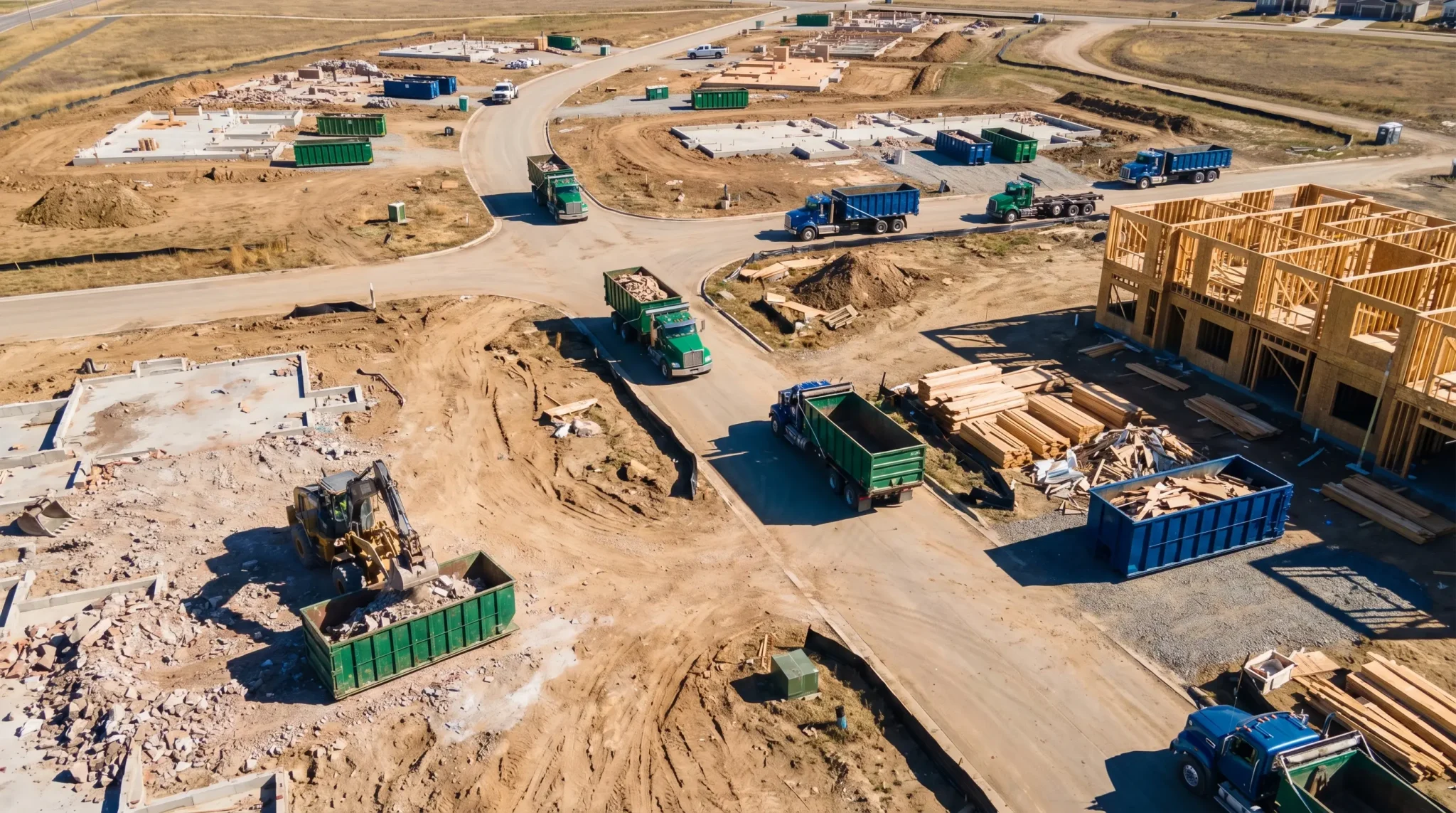
Coordinating Waste Removal for Multi-Site Construction Work
Managing a single construction site requires careful planning. Managing multiple active sites at once introduces a completely different level of complexity. Contractors overseeing multi-site construction work must coordinate crews, deliveries, timelines, and inspections across different locations—often simultaneously. One area that can quickly become disorganized without a clear system is waste removal.
Each site generates debris at its own pace, and without coordination, containers can overflow at one location while sitting underused at another. Effective waste removal planning ensures that every job site remains clean, accessible, and productive without requiring constant reactive decisions.
Why Multi-Site Waste Management Is More Complex
Unlike a single project, multi-site construction spreads resources across different locations, sometimes across multiple cities or regions. Each site may be at a different stage of construction, producing different types and volumes of debris.
For example:
- One site may be in demolition, generating heavy, high-volume waste
- Another may be in framing, producing moderate debris
- A third may be in finishing, generating lighter but continuous waste
This variation makes it difficult to apply a one-size-fits-all approach. Contractors must tailor waste removal strategies for each location while maintaining overall consistency.
Standardizing Waste Management Across Sites
One of the most effective ways to manage multiple sites is to create a standardized approach to waste handling. While each site may have unique needs, having consistent guidelines helps simplify coordination.
Standard practices may include:
- Using similar container sizes where possible
- Establishing consistent placement strategies
- Defining clear cleanup expectations for crews
- Setting regular check-in intervals for container status
Standardization reduces confusion and makes it easier for teams to operate across different job sites.
Aligning Waste Removal with Project Phases
Each construction site moves through phases at its own pace. Coordinating waste removal requires understanding where each site stands in its timeline.
Contractors should:
- Increase capacity at sites entering demolition
- Maintain steady service for mid-phase construction
- Reduce or adjust service as projects near completion
By aligning waste removal with project phases, contractors can ensure that resources are allocated where they are most needed.
Tracking Container Usage Across Locations
Monitoring how quickly dumpsters fill at each site is essential for maintaining efficiency. Without visibility into container usage, contractors may encounter unexpected overflows or underutilized resources.
Tracking can involve:
- Regular site check-ins
- Communication with crew leads
- Scheduling reviews based on project activity
This information helps contractors adjust pickup schedules and container placement proactively rather than reactively.
Coordinating Pickup Schedules Efficiently
Pickup scheduling becomes more complex when multiple sites are involved. Service must be coordinated to ensure containers are emptied before reaching capacity while avoiding unnecessary trips.
Contractors often benefit from:
- Grouping service schedules by geographic area
- Staggering pickups to match site activity levels
- Planning service windows during lower-activity periods
Efficient scheduling reduces downtime and ensures consistent disposal capacity across all locations.
Managing Logistics Across Different Locations
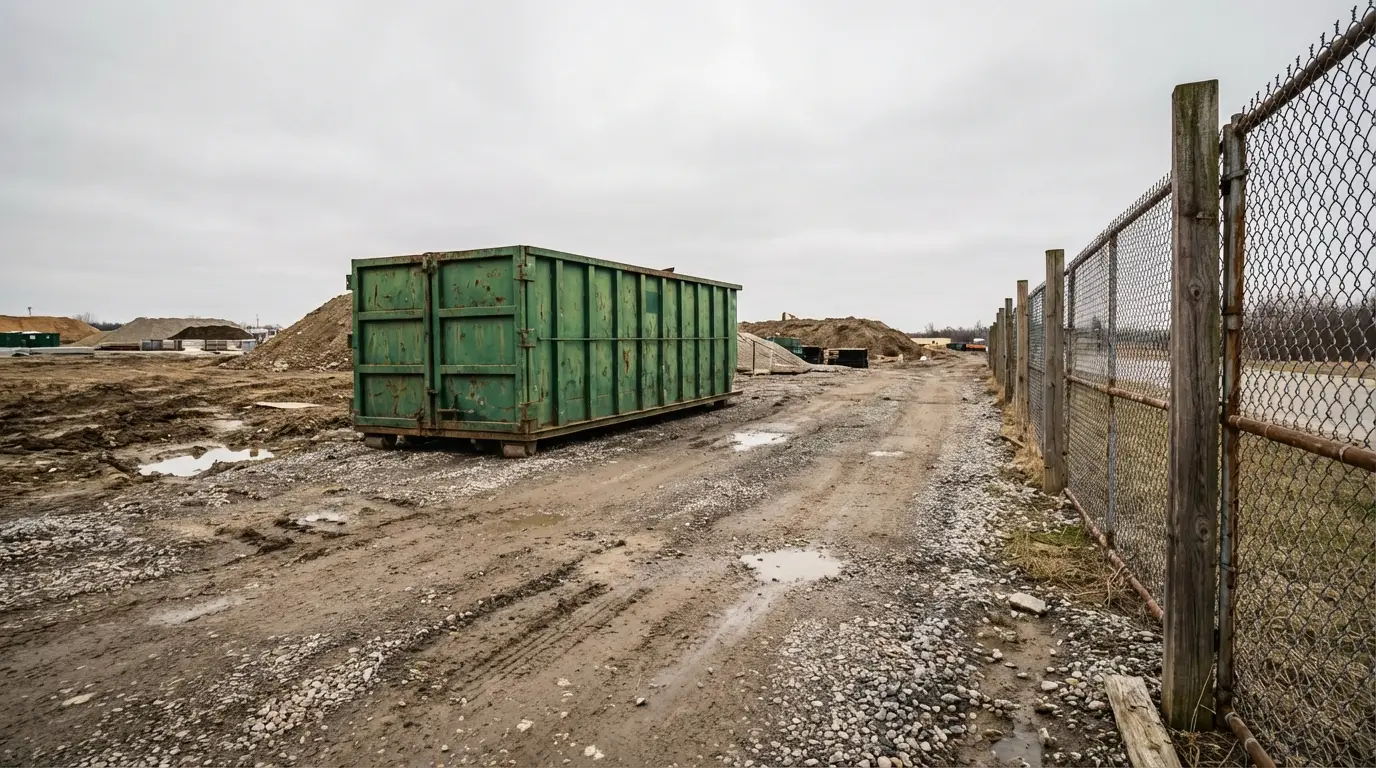
Each job site has its own layout, access points, and logistical constraints. Some may have ample space for container placement, while others may be limited by urban environments or restricted access.
Contractors must evaluate:
- Entry and exit points for service trucks
- Available space for container placement
- Traffic patterns around each site
- Local regulations affecting placement
Adapting to these differences ensures that waste removal remains effective regardless of site conditions.
Maintaining Clear Communication Between Teams
Communication is critical when coordinating waste removal across multiple sites. Contractors, project managers, and crews must all be aware of expectations and schedules.
Clear communication helps ensure:
- Containers are used properly
- Access areas remain clear for pickups
- Service needs are reported promptly
Without consistent communication, small issues can quickly escalate into larger disruptions.
Supporting Multiple Crews Across Sites
Multi-site construction often involves multiple crews working independently. Each team generates debris and relies on access to disposal solutions.
Providing consistent waste management systems across sites allows crews to:
- Dispose of materials efficiently
- Maintain clean work areas
- Avoid delays caused by full containers
Ensuring each crew has access to appropriate disposal capacity supports productivity across all locations.
Preventing Overflow and Service Delays
Overflowing dumpsters can create significant challenges, especially when managing multiple sites. Debris may need to be moved or stored temporarily, increasing labor and slowing progress.
To prevent this:
- Monitor fill levels regularly
- Schedule pickups before containers reach capacity
- Adjust service frequency based on activity
Proactive planning helps avoid last-minute issues that can disrupt operations.
Maintaining Safety and Organization Across All Sites
Debris accumulation can create hazards on any job site. When managing multiple locations, maintaining consistent safety standards becomes even more important.
Effective waste management helps:
- Keep walkways clear
- Reduce tripping hazards
- Improve visibility and organization
- Support safer working conditions
Consistency across sites ensures that safety practices are maintained regardless of location.
Working with a Reliable Waste Service Partner
Coordinating waste removal across multiple sites is significantly easier when working with a provider that can support consistent service across locations. A reliable partner can help manage logistics, adjust schedules, and ensure containers are delivered and serviced as needed.
Many contractors coordinate multi-site waste removal through providers such as Waste Removal USA to maintain consistency and reliability across projects.
Having a single point of contact simplifies communication and helps ensure that all sites receive the same level of service.
Adapting to Changing Project Conditions
Construction projects are dynamic, and conditions can change quickly. New sites may be added, timelines may shift, and debris volumes may increase unexpectedly.
Flexibility is essential for managing waste across multiple locations. Contractors should be prepared to:
- Add or remove containers as needed
- Adjust pickup schedules
- Reallocate resources between sites
Adapting quickly helps maintain efficiency and prevents disruptions.
Improving Overall Project Efficiency
When waste removal is coordinated effectively, it supports smoother operations across all job sites. Crews can focus on their work without interruptions, and materials can be handled efficiently.
Benefits of effective coordination include:
- Reduced downtime
- Improved productivity
- Cleaner and more organized job sites
- Better resource utilization
These improvements contribute to overall project success.
Coordinating waste removal for multi-site construction work requires planning, communication, and adaptability. By standardizing processes, monitoring container usage, and aligning service with project phases, contractors can maintain efficient operations across all locations.
Working with experienced providers and maintaining clear communication helps ensure that waste removal remains consistent and reliable. When managed effectively, debris handling becomes a seamless part of multi-site construction, supporting productivity, safety, and successful project completion.


