Post-Fire Home Recovery: What to Repair From Structure to Entry Points
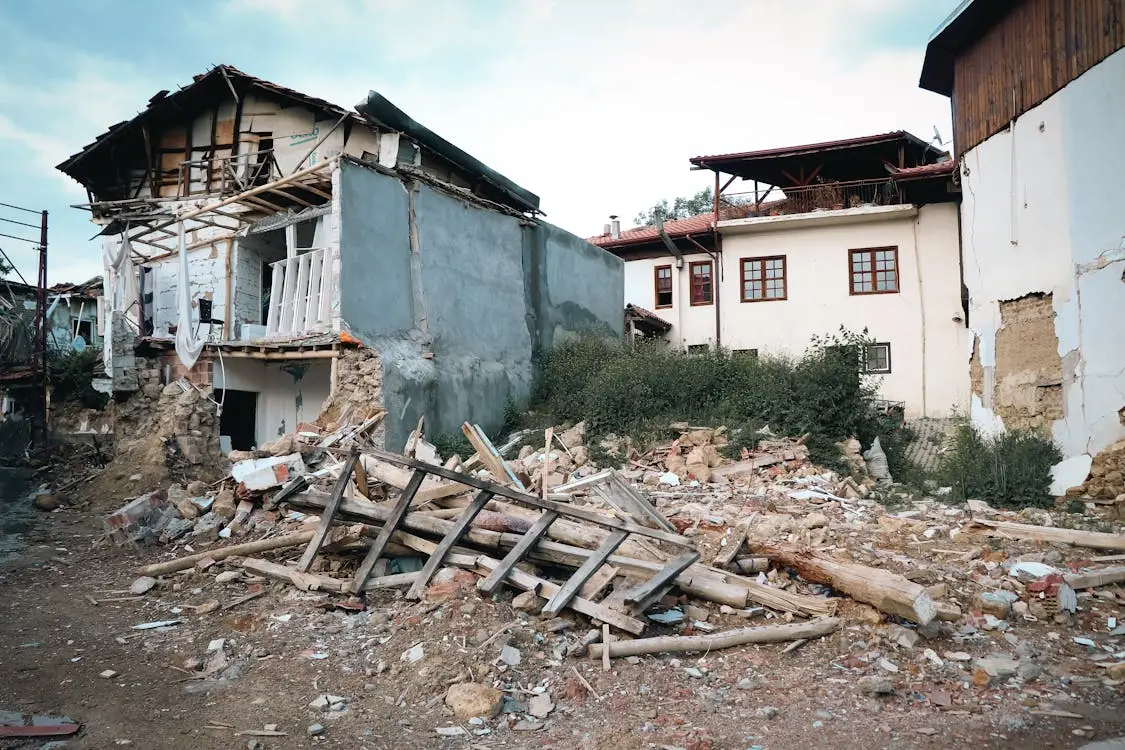
A house fire leaves behind more than visible destruction. Structural components may be weakened, protective layers may be compromised, and essential systems can become unsafe to operate. Heat alters materials in ways that are not always obvious, while smoke settles into surfaces and water used to extinguish flames seeps into hidden cavities. Recovery begins with a clear understanding of what needs attention and in what order.
The priority centers on safety and stability. Structural soundness must be confirmed before anyone spends extended time inside the home. Entry points and exterior barriers need to be secured to prevent further exposure. Roofing, electrical systems, and mechanical components follow closely behind. Each area connects to the next, so repairs should move in a deliberate sequence.
Structural Framework and Foundation Stability
Structural integrity sets the tone for the entire recovery process. Load-bearing walls, support beams, floor joists, and the foundation absorb intense heat during a fire. Even when surfaces appear intact, internal weakening may have occurred. Wood framing can char beneath outer layers, and steel components may lose strength after prolonged exposure to high temperatures.
A professional structural assessment provides clarity. Contractors examine the foundation for cracks or shifting that could affect alignment. Framing members are checked for warping, splitting, or reduced load capacity. Floors and ceilings should be evaluated for sagging or unevenness that signals deeper issues. Chimneys and masonry structures also deserve close inspection since rapid temperature changes can cause hidden fractures.
Doors and Entry Points
Entry points help restore security and environmental control after a fire. Exterior doors must be inspected for warped frames, weakened hinges, and compromised locks caused by extreme heat. Proper alignment ensures tight closure and reliable sealing. Damaged weatherstripping and thresholds should be replaced to prevent moisture and debris from entering during repairs.
Garage doors often suffer significant structural stress during a fire. Heat can distort panels, affect track alignment, and strain opener systems. Springs and cables may lose strength, increasing the risk of sudden failure during operation. Sensors and electrical components connected to the opener should also be tested for reliability. A detailed inspection and timely repairs ensure safe functionality and maintain secure conditions while the rest of the home undergoes restoration.
Roof System and Attic Protection
The roof acts as the home’s primary shield against the elements. Fire can damage shingles, underlayment, flashing, and decking, while water used during firefighting efforts may saturate the attic space. Even limited roof damage can lead to leaks that complicate interior repairs.
Inspection should begin with the outer roofing materials. Missing or brittle shingles need replacement to prevent water intrusion. Flashing around vents and chimneys must remain tightly sealed. Gutters and downspouts should also be examined, since debris and heat exposure can affect drainage performance.
Electrical System Restoration
Electrical systems demand careful handling after a fire. Wiring concealed behind walls can melt or lose insulation, creating serious hazards. In many cases, this means a full house rewiring may be needed to safely restore the system. Outlets, switches, and breaker panels exposed to heat may fail without warning. Restoring power prematurely increases risk.
A licensed electrician should evaluate the entire system before reactivation. The main service panel must be inspected for damage to breakers and bus bars. Circuits that passed through burned areas often require rewiring. Outlets and switches should be tested or replaced to ensure safe operation.
Plumbing Lines and HVAC Systems
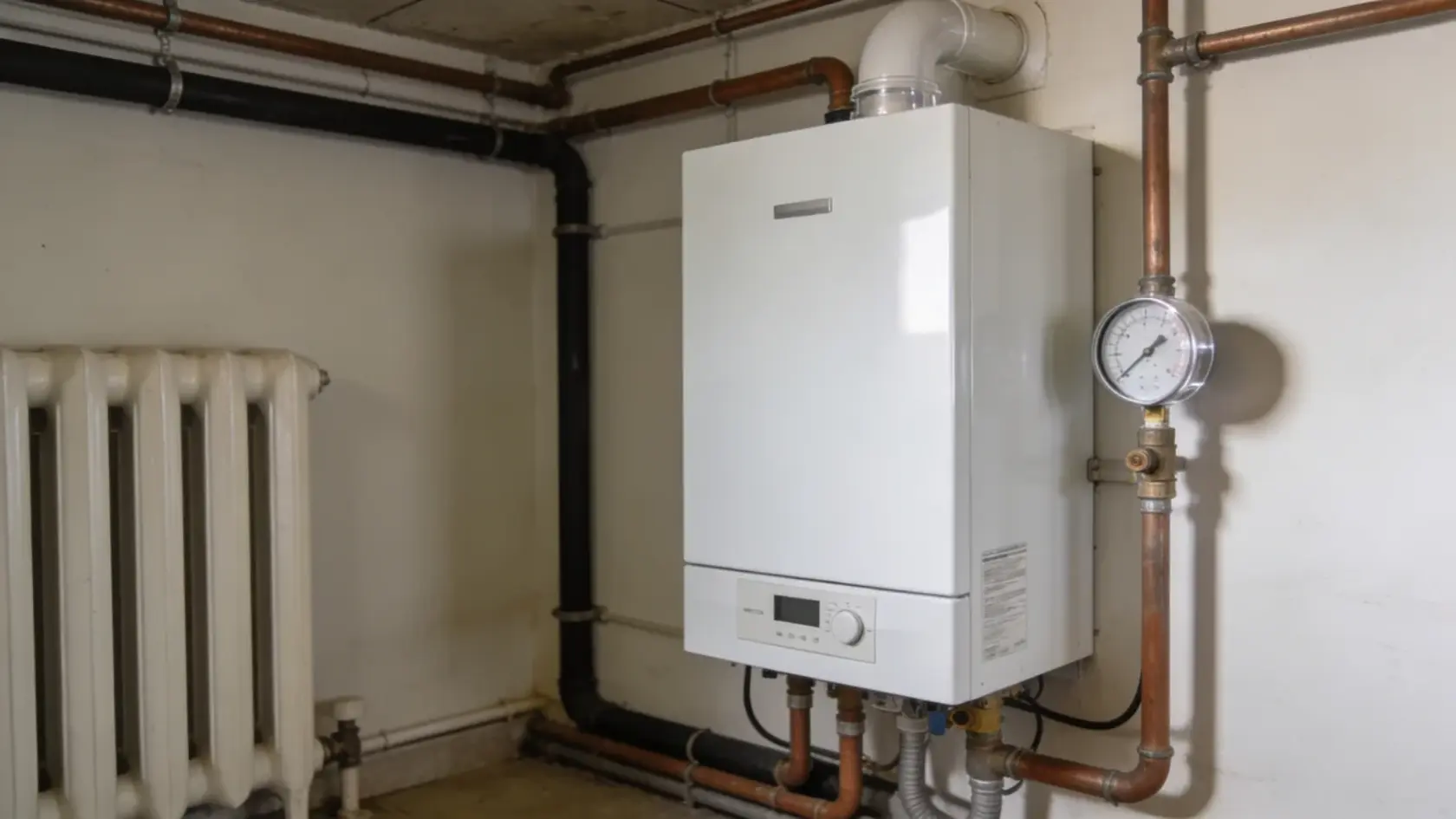
Plumbing and heating systems can suffer both direct and indirect damage. High temperatures may weaken pipes or loosen fittings, leading to leaks once water service resumes. Fire suppression efforts sometimes introduce excess moisture into mechanical components.
Plumbing lines should be pressure-tested to confirm integrity. Water heaters need inspection for heat-related stress or corrosion. Faucets and fixtures exposed to smoke may require cleaning or replacement. HVAC systems often collect soot inside ductwork and vents. Circulating air through contaminated ducts can spread residue throughout the home. Cleaning or replacing affected sections improves indoor air quality and restores system efficiency. Heating and cooling units should be tested to confirm safe operation before full use resumes.
Insulation, Drywall, and Interior Wall Systems
Interior wall systems often carry more damage than what appears on the surface. Smoke particles settle into porous materials, and water from firefighting efforts can saturate insulation and drywall. Lingering moisture creates conditions that weaken structural components and invite mold growth if not handled properly.
Damaged insulation usually requires full removal. Materials exposed to heavy smoke or water rarely regain their effectiveness. Replacing insulation restores thermal performance and helps control indoor air quality. Careful removal also allows contractors to inspect framing behind the walls for hidden charring or moisture buildup.
Windows and Natural Light Openings
Windows face intense stress during a fire. Rapid temperature changes can crack glass or weaken seals that hold panes in place. Frames constructed from vinyl, wood, or aluminum may warp under heat, affecting both appearance and performance.
A thorough inspection should confirm that frames remain square and securely anchored. Glass replacement becomes necessary when cracks, clouding, or seal failure appear. Double-pane windows that lose their seal often show condensation between layers, signaling reduced insulation performance.
Flooring, Cabinets, and Built-In Features
Flooring and built-in elements reflect the combined impact of fire, smoke, and water. Hardwood floors may cup or buckle after moisture exposure. Tile can crack from structural shifting or heat stress. Carpeting usually absorbs smoke and water beyond practical recovery.
Subflooring should be tested for moisture before any replacement begins. Lingering dampness beneath new materials can lead to warping or mold growth. Replacing compromised sections ensures a stable base for finished flooring.
Recovering from a house fire demands organization and patience. Structural stability forms the foundation for every other repair. Securing entry points and restoring the roof protects the home from additional exposure. Electrical, plumbing, and HVAC systems must operate safely before interior rebuilding begins. Walls, insulation, windows, flooring, and built-in elements complete the path toward full restoration.
Each phase connects logically to the next. Careful inspections, timely replacements, and skilled workmanship reduce the risk of lingering damage. A deliberate recovery plan transforms a damaged property into a safe and dependable living space once again.