Apartment Gardening: Grow Plants Indoors
Living in a small space does not mean you have to give up growing your own plants. With the right setup, apartment gardening can turn even a bright corner or windowsill into a productive green space.
The key is understanding how to work with limited light, compact areas, and container-based growing.
Today, you will learn how indoor gardening works, where to place your plants, what tools you need, which plants grow best, and how to handle common challenges.
If you have been thinking about starting but feel unsure where to begin, I will help you take the first step. Let’s start with the basics.
What is Apartment Gardening and How Does It Work?
Apartment gardening is the practice of growing plants in small indoor or limited outdoor spaces using containers instead of traditional garden soil.
It allows you to grow herbs, vegetables, fruits, and houseplants inside apartments, even without a yard.
This method works by creating a controlled growing environment where plants receive the right amount of light, water, and nutrients.
Containers filled with potting mix provide proper drainage and support root growth. Plants are usually placed near windows, on balconies, or under grow lights to meet their sunlight needs.
Since space is limited, careful planning is important. Choosing compact plants, using vertical storage, and maintaining regular care routines help keep the garden healthy and productive.
Best Places to Set Up an Apartment Garden
Choosing the right location is important for plant growth and easy maintenance. A good spot should provide enough light, airflow, and access to water.
- Windowsills: Ideal for herbs and small plants that need daily sunlight
- Balconies: Suitable for vegetables, fruits, and larger containers
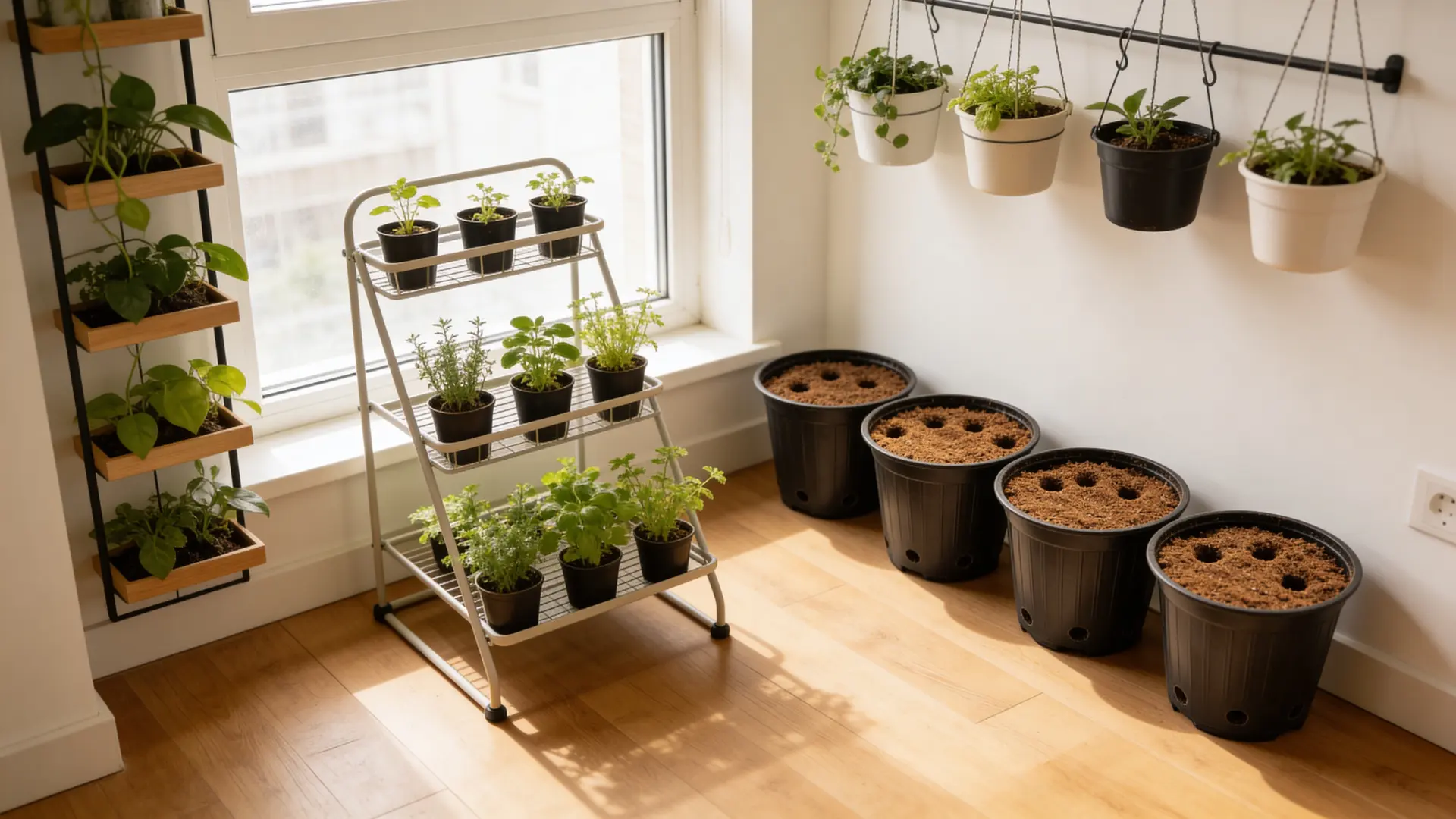
- Shelves or plant stands: Help use vertical space in small apartments
- Kitchen counters: Useful for keeping cooking herbs within reach
- Hanging planters: Save floor space and work well for trailing plants
Selecting the right place helps plants grow better and makes daily care more manageable.
How to Start an Apartment Garden: Step-by-Step Guide
Follow these simple, practical steps to set up a thriving apartment garden, even if you’re working with limited space and light.
Tools and Supplies Needed
- Containers or pots: Choose pots with drainage holes to prevent water buildup
- Potting mix: Use a light, well-draining mix designed for container plants
- Watering can or spray bottle: Helps control watering without over-soaking the soil
- Fertilizer: Provides nutrients that indoor plants may not get naturally
- Grow lights: Useful if natural sunlight is limited in your apartment
- Plant trays or saucers: Catch excess water and protect surfaces
- Basic hand tools: Small trowel or gloves for handling soil and planting
Step 1: Select a Suitable Location
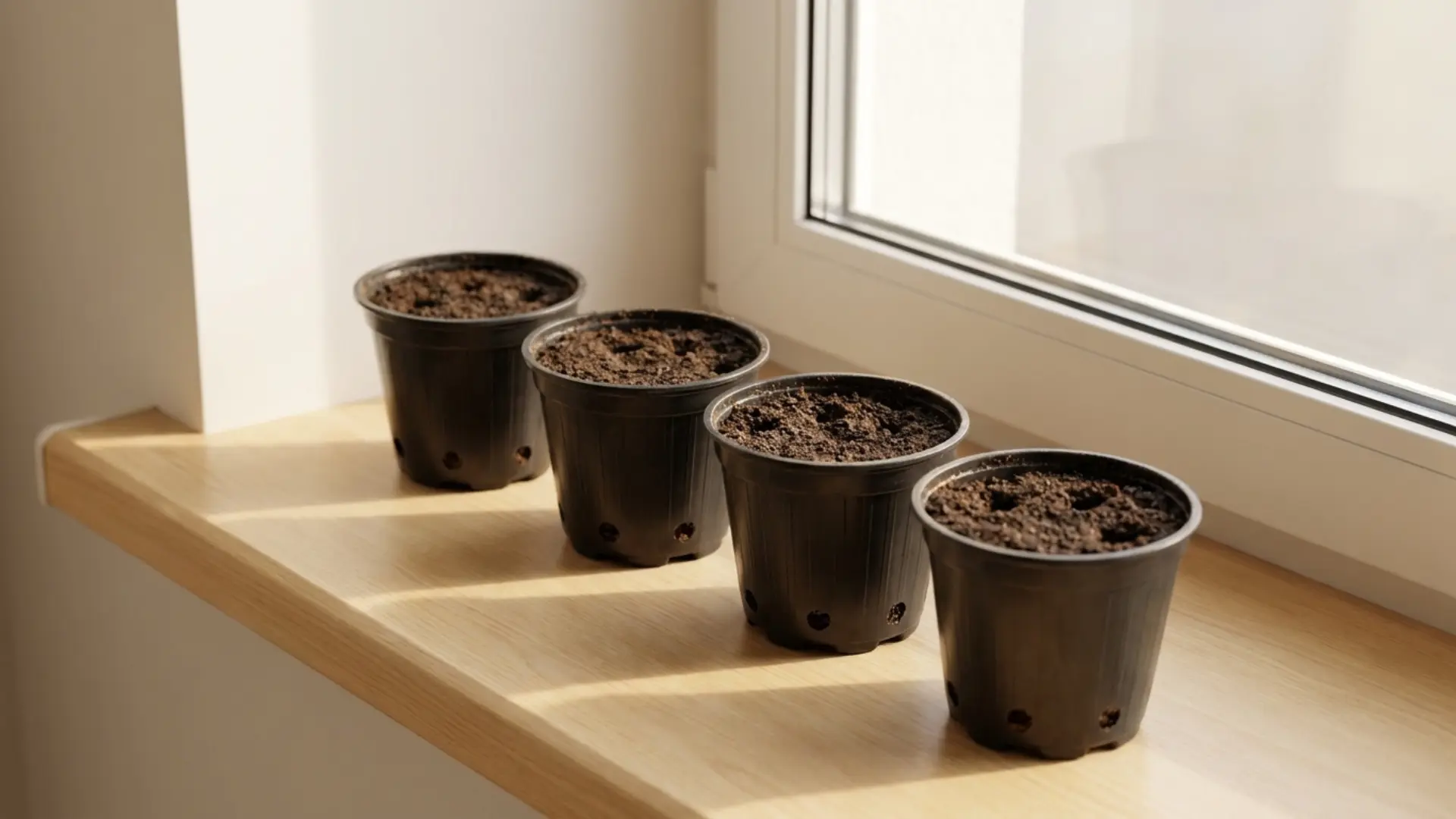
Choose a spot that receives enough natural light, such as a windowsill, balcony, or near a bright window.
Most plants need around 4–6 hours of sunlight daily, so observe light patterns in your space before placing them. Avoid dark areas, as low light can slow growth and weaken plants.
Step 2: Set up Containers and Soil
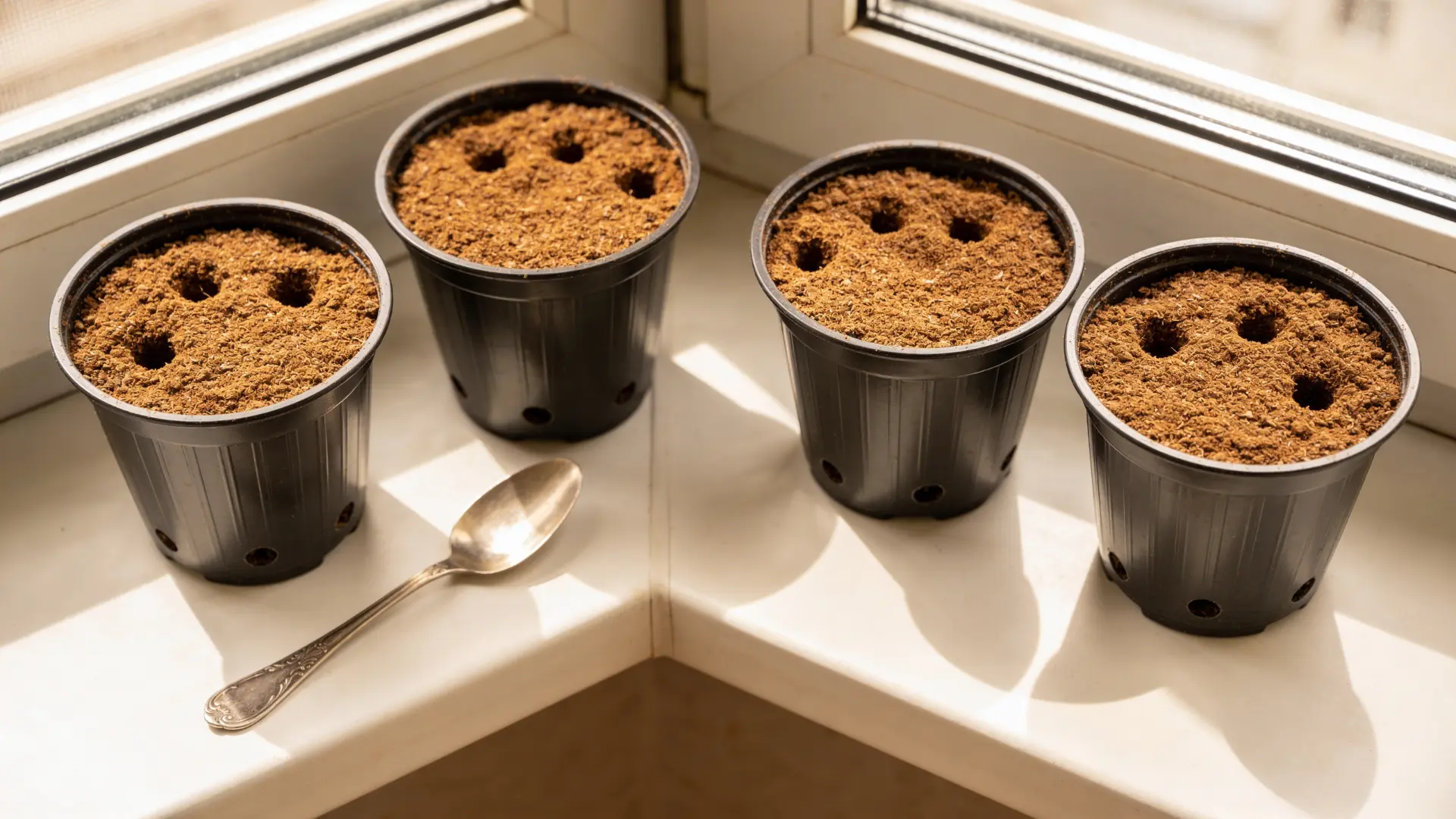
Place containers with drainage holes and fill them with a light, well-draining potting mix to support healthy roots and prevent water buildup.
Avoid using garden soil, as it can become compact in pots. A good potting mix allows air and water to move freely, which helps roots grow properly.
Step 3: Select and Plant Suitable Plants
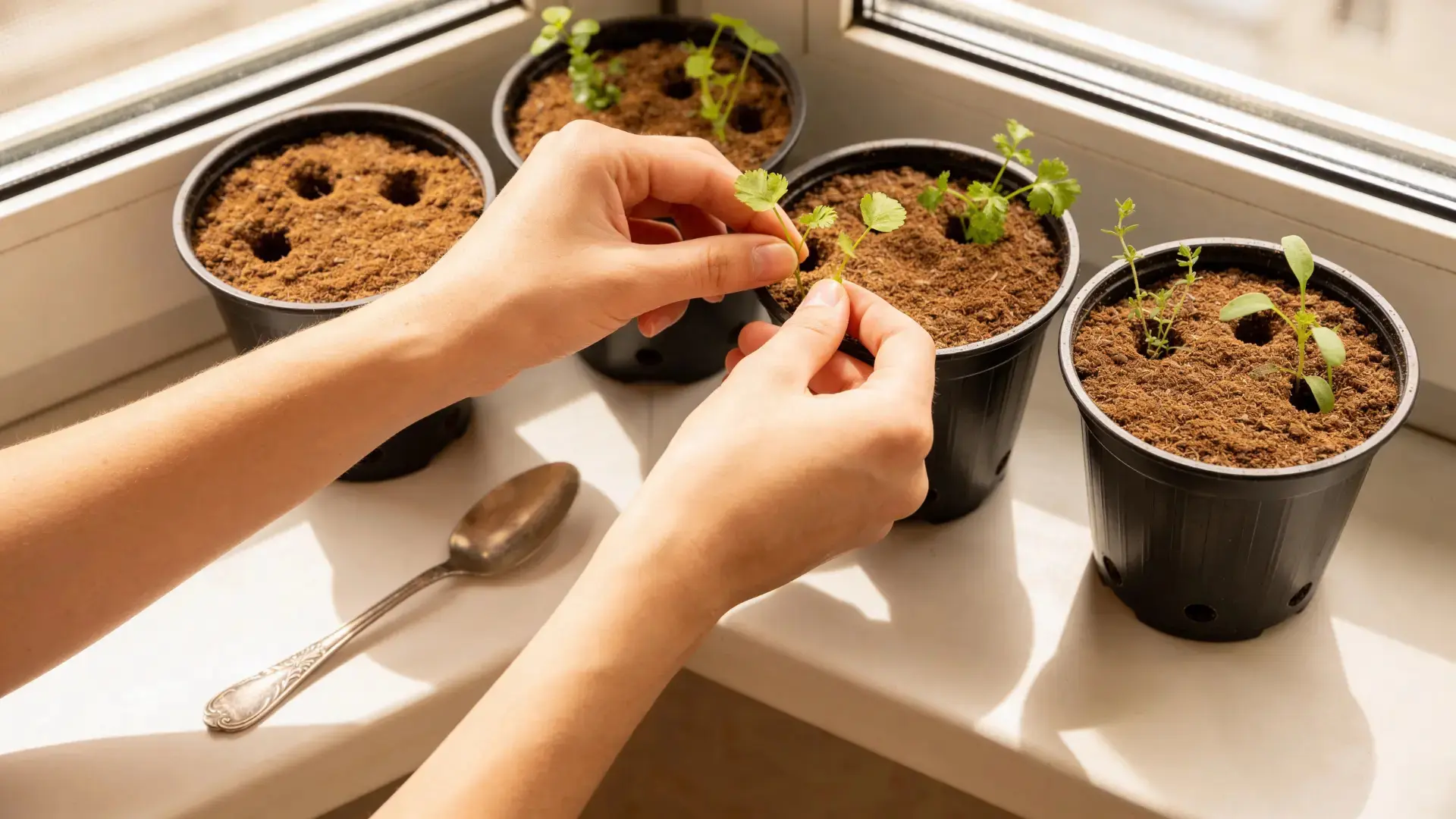
Choose plants based on your space and light conditions, then plant them at the correct depth and spacing for steady growth.
Begin with easy options like herbs or leafy greens, as they adapt well to indoor environments and require less maintenance.
Step 4: Water Properly After Planting
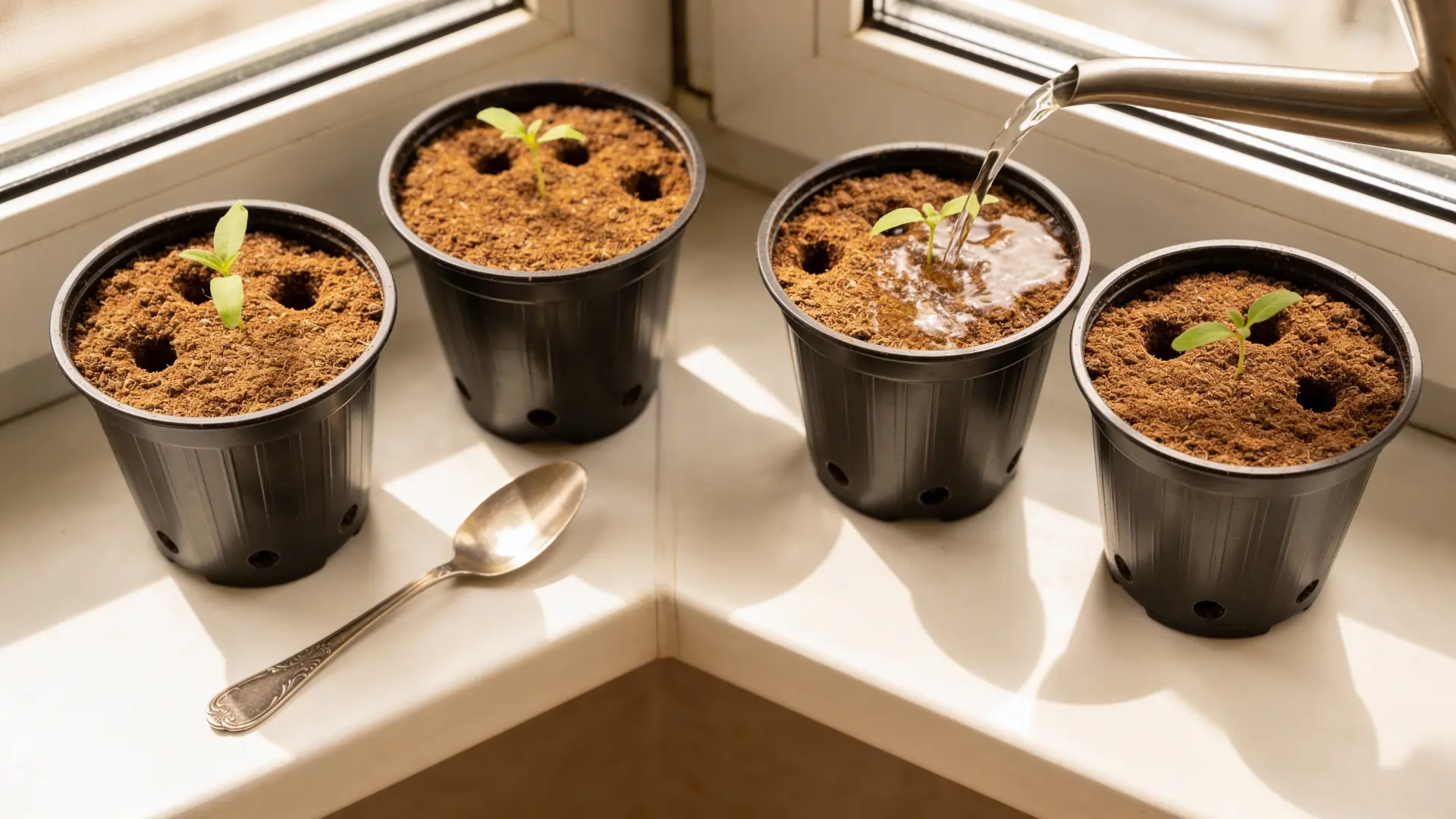
Water gently to settle the soil and keep it slightly moist, making sure excess water drains out.
Overwatering is a common mistake, so always check the top layer of soil before watering again. Proper watering helps roots stay strong and prevents damage.
Step 5: Ensure Proper Light and Placement
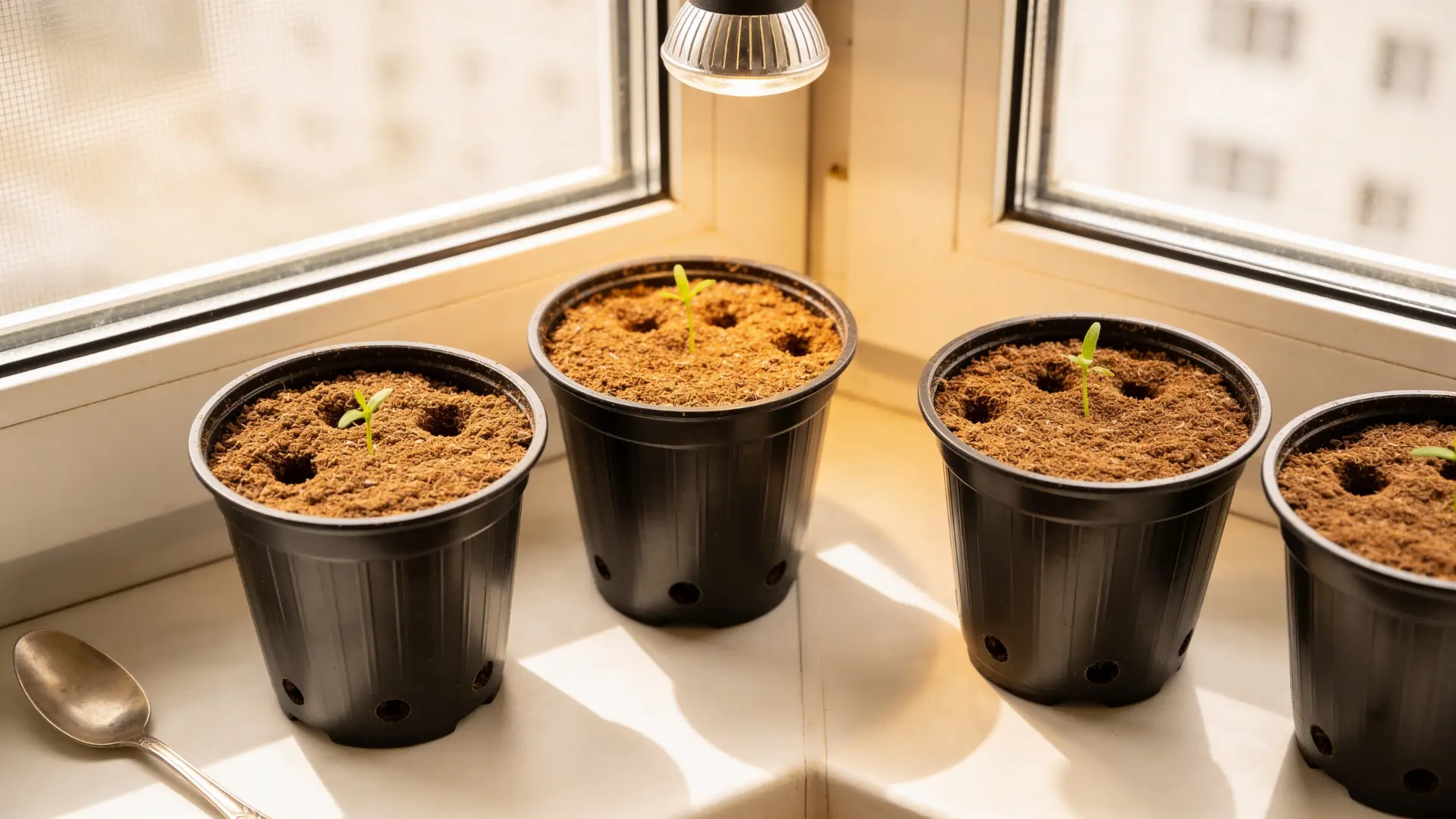
Keep plants in their selected spots and adjust placement as needed to ensure they receive consistent light.
If natural sunlight is limited, using a grow light can help maintain steady growth and prevent plants from becoming weak.
Step 6: Maintain Regular Care
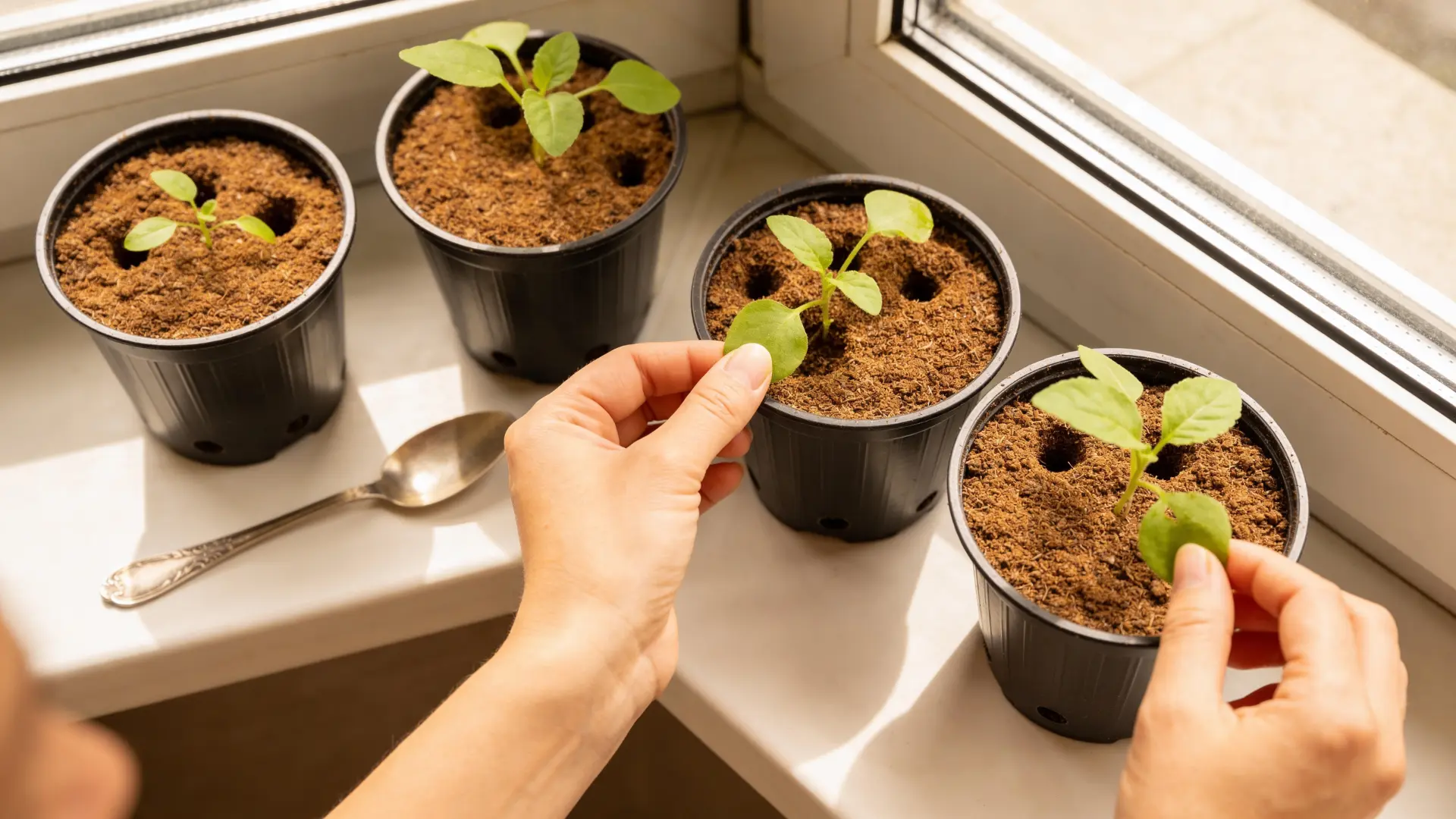
Continue checking soil moisture, watering as needed, and observing plant growth to keep your garden healthy.
Regular care also includes cleaning leaves, rotating plants for even light, and watching for early signs of pests or stress.
How to Care for Apartment Plants
Healthy apartment plants depend on consistent, thoughtful care. Because they grow in controlled indoor spaces, small adjustments in routine can greatly affect their growth, strength, and lifespan. Follow these essential care steps to keep your plants thriving.
1. Water Based on Plant Type, Not a Fixed Schedule
Avoid watering on the same day each week. Different plants dry out at different speeds depending on light, pot size, and season.
Check soil moisture by inserting your finger 1–2 inches deep. For deeper pots, use a wooden stick to test lower moisture levels. If it comes out clean and dry, it’s time to water.
Water slowly and evenly until it drains from the bottom. Empty saucers after 10–15 minutes to prevent root rot. During winter, reduce watering since most plants grow more slowly.
2. Adjust Light as Seasons Change
Light conditions shift throughout the year. A plant that thrives in summer may struggle in winter due to shorter daylight hours.
Rotate plants every week to prevent leaning toward light sources. If leaves stretch, fade, or grow smaller, the plant likely needs more light. If leaves scorch or curl, reduce direct exposure.
For darker apartments, position grow lights 6–12 inches above plants and run them 10–14 hours daily for steady growth.
3. Feed Strategically During Active Growth
Indoor plants rely on you for nutrients since potting mix becomes depleted over time.
Use a diluted, balanced liquid fertilizer (half strength) every 3–4 weeks during spring and summer. For flowering plants, choose a fertilizer slightly higher in phosphorus to support blooms.
Pause feeding during late fall and winter unless the plant is actively growing. Flush the soil with clean water every few months to remove fertilizer salt buildup.
4. Repot Before Roots Become Rootbound
Container plants eventually outgrow their pots. Signs include roots circling the bottom, soil drying too quickly, or slowed growth.
Repot every 1–2 years into a container 1–2 inches larger in diameter. Replace old soil with fresh potting mix to restore nutrients and improve drainage.
Avoid oversizing the pot, as excess soil holds too much moisture and can stress roots.
5. Improve Airflow and Humidity Levels
Indoor air can be dry, especially during heating or air-conditioning seasons.
Keep plants spaced slightly apart to improve air circulation. For humidity-loving plants like peace lilies or ferns, use a pebble tray filled with water or group plants together to raise local humidity.
Avoid placing plants near heating vents, air conditioners, or drafty windows, as temperature swings can cause stress.
6. Prune and Groom Regularly
Remove yellowing or damaged leaves using clean scissors. This encourages new growth and prevents disease from spreading.
Pinch back leggy stems to promote fuller, bushier growth. For herbs, regular trimming actually improves production.
Cleaning leaves monthly improves light absorption and reduces pest risk.
7. Watch for Early Warning Signs
Inspect plants weekly for pests such as spider mites, aphids, or fungus gnats. Look under leaves and along stems.
Common stress signs include:
- Yellow leaves (often overwatering)
- Brown crispy edges (low humidity or underwatering)
- Drooping (watering imbalance)
- Pale growth (nutrient deficiency)
Addressing small problems early prevents long-term damage.
Consistent care, small adjustments, and regular observation make a huge difference. When you respond to your plant’s signals instead of following rigid routines, indoor gardening becomes easier and more successful.
What Plants to Grow in an Apartment Garden
Choosing the right plants helps beginners get better results with less effort. It is best to select plants that grow well in containers and adapt to indoor conditions.
| Plant Type | Examples | Why It Works Well Indoors |
|---|---|---|
| Herbs | Basil, Mint, Parsley, Thyme | Grow easily in small pots and need less space |
| Leafy Greens | Lettuce, Spinach, Arugula | Fast-growing and do not need deep containers |
| Compact Vegetables | Cherry Tomatoes, Chili Peppers | Suitable for pots with enough sunlight |
| Fruits | Strawberries, Dwarf Citrus | Can grow indoors with proper light and care |
| Houseplants (Low Care) | Snake Plant, Pothos, Peace Lily | Require minimal maintenance and adapt easily |
Starting with these plants makes it easier to manage space and maintain a healthy apartment garden.
Essential Care Tips for Healthy Apartment Plants
After setting up your apartment garden, proper care helps plants stay healthy over time. A few simple habits can improve growth and prevent common issues.
- Rotate plants regularly: Turning plants every few days helps all sides receive equal light and prevents uneven growth.
- Maintain proper airflow: Good air circulation reduces moisture buildup and helps prevent mold or pest problems. Avoid placing plants too close together.
- Clean leaves and inspect regularly: Dust can block light from reaching leaves, so wipe them gently. Check for pests or damage during routine care.
- Adjust care based on seasons: Plants may need less water in cooler months and more attention during warmer periods. Observing these changes helps maintain steady growth.
These small care practices support plant health and improve long-term results in an apartment garden. Consistent care routines help plants stay strong and reduce the chances of common indoor gardening problems.
Common Problems in Apartment Gardening and How to Fix Them
A few common issues can slow plant growth indoors, but most are easy to correct when identified early.
| Problem | What It Causes | How to Fix It |
|---|---|---|
| Overwatering | Yellow leaves, root rot, drooping stems | Check soil before watering. Ensure proper drainage and empty saucers after watering. |
| Lack of Sunlight | Weak stems, small leaves, slow growth | Move plants closer to bright windows or add grow lights for 10–14 hours daily. |
| Poor Drainage | Soggy soil, root damage, fungal issues | Use pots with drainage holes and well-draining potting mix. Avoid compact soil. |
| Pests | Damaged leaves, sticky residue, stunted growth | Inspect weekly. Rinse leaves, isolate affected plants, and treat early with mild solutions. |
| Dry Indoor Air | Brown leaf tips, curling edges | Increase humidity with pebble trays, plant grouping, or a humidifier if needed. |
| Overcrowding | Limited airflow, mold risk, uneven growth | Space plants apart and avoid stacking containers too tightly together. |
| Nutrient Deficiency | Pale leaves, slow development | Feed with diluted, balanced fertilizer during active growth periods. |
Addressing these problems early keeps your apartment garden stable, healthy, and easier to manage over time.
Smart Space-Saving Ideas for Small Apartments
Limited space does not mean you cannot grow a variety of plants. Using smart placement methods helps maximize every available area in your apartment.
- Vertical gardening is one of the most effective ways to save space. Using shelves, wall-mounted racks, or tiered stands allows you to grow multiple plants without using floor space.
- Hanging planters are another useful option, especially for trailing plants, as they keep surfaces clear while still adding greenery.
- Windowsills can be used for small pots, especially herbs and leafy greens that need regular sunlight. Multi-level plant stands also help organize plants in a compact way while improving light exposure.
- Using stackable containers or narrow racks can make use of tight spaces such as corners or near walls.
- Choosing compact or dwarf plant varieties also helps manage space better. With the right setup, even small apartments can support a productive and organized garden.
Wrapping Up
Starting apartment gardening is less about having space and more about using the space you have wisely.
When you choose the right plants, provide proper light, use suitable containers, and maintain simple care routines, even a small apartment can support healthy growth.
Paying attention to watering, airflow, and placement helps prevent common issues before they start. Over time, small adjustments make a noticeable difference in plant health and productivity.
If you are ready to bring more greenery into your home, begin with one easy plant and build your garden step by step.