How Seasonal Changes Affect Your Home’s Plumbing (and Tips to Minimize the Impact)
When homeowners think about seasonal maintenance, plumbing probably isn’t at the top of their list, until something goes wrong. Just like your roof or HVAC system, your home’s plumbing reacts to seasonal changes. Freezing winters and scorching summers can put stress on pipes and water systems in ways you may not notice right away.
As a responsible homeowner, you should understand how each season affects your home’s plumbing, so you can proactively take steps to prevent damage. With the right tips, you can also avoid emergency repairs and keep your home running smoothly year-round.
Winter: Freezing Pipes
Cold weather creates some of the most serious plumbing risks, especially in regions with freezing temperatures. When water freezes inside pipes, it expands, increasing the chance of cracks or bursts. Pipes located in garages, basements, crawl spaces, and exterior walls are especially vulnerable.
Even if you live in a relatively mild climate, sudden cold snaps can still cause problems. That usually happens when your plumbing isn’t properly insulated. Outdoor faucets, irrigation lines, and hose bibs are often the first areas to fail.
How to Minimize the Impact
You can reduce the risk by insulating exposed pipes, sealing drafts near plumbing lines, and draining outdoor plumbing before temperatures drop. During extreme cold, keep your home at a consistent temperature and let faucets drip slightly. Doing so can help prevent freezing.
Spring: Thawing Pipes
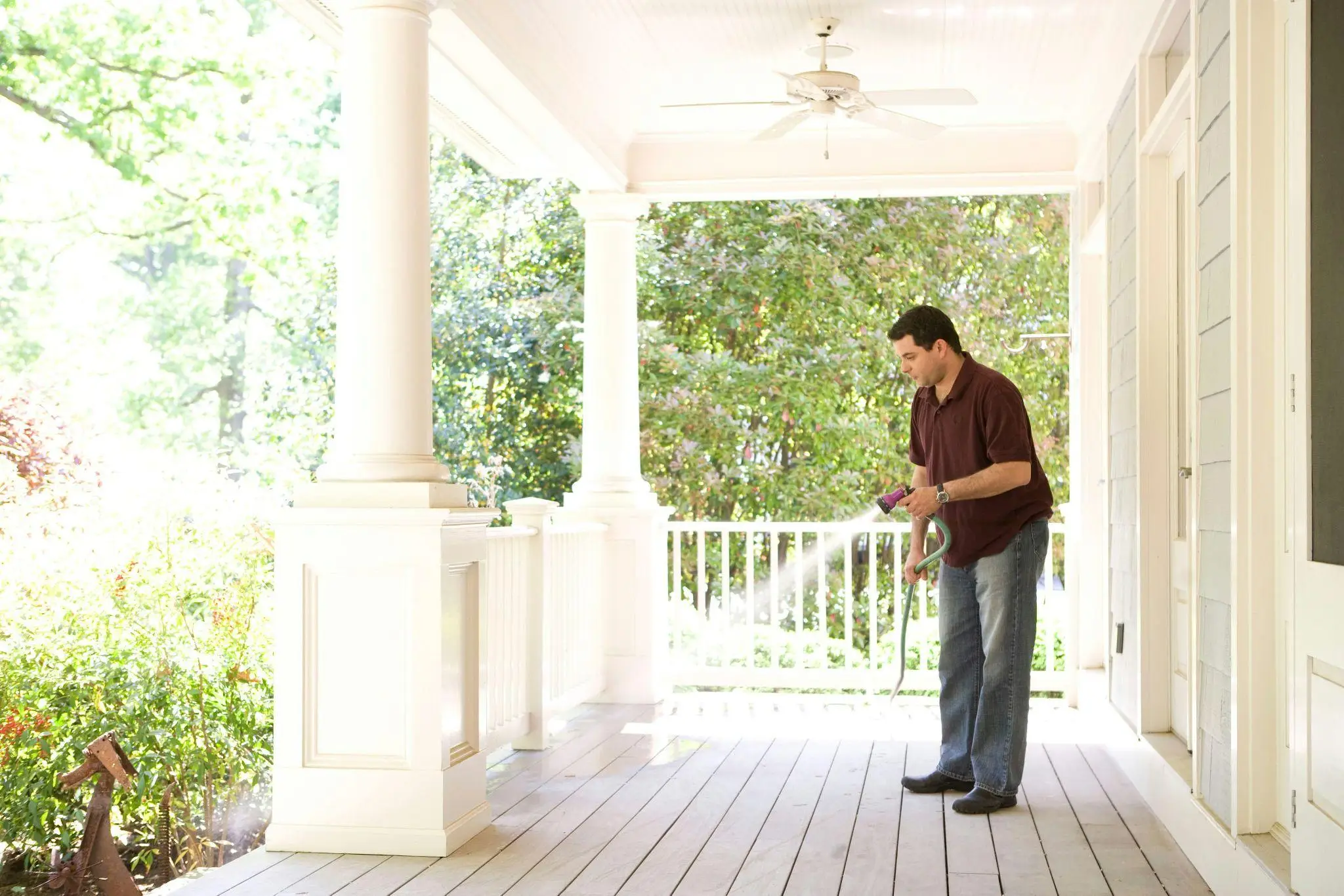
As winter fades, thawing pipes may reveal damage that wasn’t obvious during colder months. Small cracks caused by freezing often turn into active leaks once normal water pressure returns. At the same time, you’re likely using more water for gardening, lawn care, and spring cleaning.
Spring rain and melting snow can also strain drainage systems. If your drains are partially blocked or outdated, you may notice slow drainage, backups, or moisture issues in lower levels of your home.
How to Minimize the Impact
Spring is the right time to check for leaks, water stains, and unexplained spikes in your water bill. You should also clear drains, inspect outdoor plumbing, and make sure sump pumps and drainage systems are working properly. Addressing small issues now can help you avoid more expensive repairs later in the year.
Summer: Expanding and Contracting Pipes
Hot weather brings a different set of plumbing challenges. Extreme heat can cause pipes, especially older materials, to expand and contract. This increases wear on joints and connections, which, over time, leads to leaks or pipe failure.
During the summer, we also use more water. Extra showers, laundry, guests, and outdoor watering all add stress to plumbing systems. In fact, if you live in an area susceptible to summer storms or monsoons, heavy rainfall can overwhelm your drainage systems and expose sewer line problems.
How to Minimize the Impact
You can protect your plumbing by keeping an eye on water pressure and spacing out heavy water use when possible. This way, you can also address slow drains early. During high-demand months, it’s wise to seek experienced residential plumbing services from a reputable provider like ASAP Plumbing. Their expert team performs thorough checkups to ensure your system can handle the extra stress without unexpected breakdowns.
Fall: Preparing for the Year
Fall is all about preparing your home for the year-round seasonal changes. Yet this season is overlooked when it comes to plumbing maintenance. Cooler temperatures make it easier to prepare your home for winter without the urgency of freezing weather.
Leaves and debris can clog outdoor drains and sewer lines, while minor plumbing issues from summer may worsen once temperatures drop. Taking care of these problems now helps you avoid emergency repairs later.
How to Minimize the Impact
As soon as you see leaves turning brown, disconnect outdoor hoses and insulate exposed pipes. Check your water heater and clear debris from drains before winter arrives. If you didn’t ask for professional help in the summer, now is the time to schedule a professional plumbing inspection. It will allow you to fix small problems early, before cold weather turns them into costly emergencies.
How Climate Impacts Your Home’s Plumbing System
Your location plays a major role in how seasonal changes affect your plumbing. If you live in a cold climate, freeze prevention is important for your home. In warmer or desert regions, mineral buildup, pipe expansion, and water pressure fluctuations are more common. Similarly, homes in areas prone to heavy rainfall need strong drainage and sewer systems to handle sudden water surges.
Since every home and climate is different, working with residential plumbers who understand local conditions makes a real difference. Professionals like ASAP Plumbing tailor their services to address the specific environmental challenges your home faces throughout the year. A professional inspection gives you peace of mind and helps identify weak spots before they turn into urgent (and expensive) repairs.
Endnote
You can’t control the seasons, but you can control how prepared your home is for them. Regular maintenance, timely inspections, and thoughtful upgrades help your plumbing system adapt to changing weather conditions. When you stay proactive and partner with trusted residential plumbing professionals, you protect your home no matter what the season brings.