Identifying EMF from Household Appliances: What You Should Know
Electromagnetic fields (EMF) are an invisible byproduct of modern life. Almost every electrical device generates some level of electromagnetic radiation, and our homes are filled with equipment that operates around the clock. While EMF is not new, the concentration of electronic appliances in everyday living spaces has significantly increased overall exposure.
Understanding which household devices emit EMF and how to measure it is a practical step toward creating a safer and more controlled home environment.
What Is EMF and Why It Matters
EMF is produced when electricity flows through wires or electronic components. These fields are usually divided into low-frequency EMF, generated by large electrical appliances, and high-frequency EMF, which comes from wireless technologies such as Wi-Fi, Bluetooth, and mobile networks.
Although research is ongoing, prolonged exposure to elevated EMF levels is often associated with discomfort such as headaches, fatigue, sleep disruption, and reduced concentration. This makes awareness and monitoring especially important in spaces where people spend most of their time.
Common Household Appliances that Generate EMF
Many everyday devices contribute to EMF levels inside the home. Some of the most common sources include:
- Microwave ovens – Produce high-frequency electromagnetic radiation during operation. Damaged door seals or aging components may increase leakage.
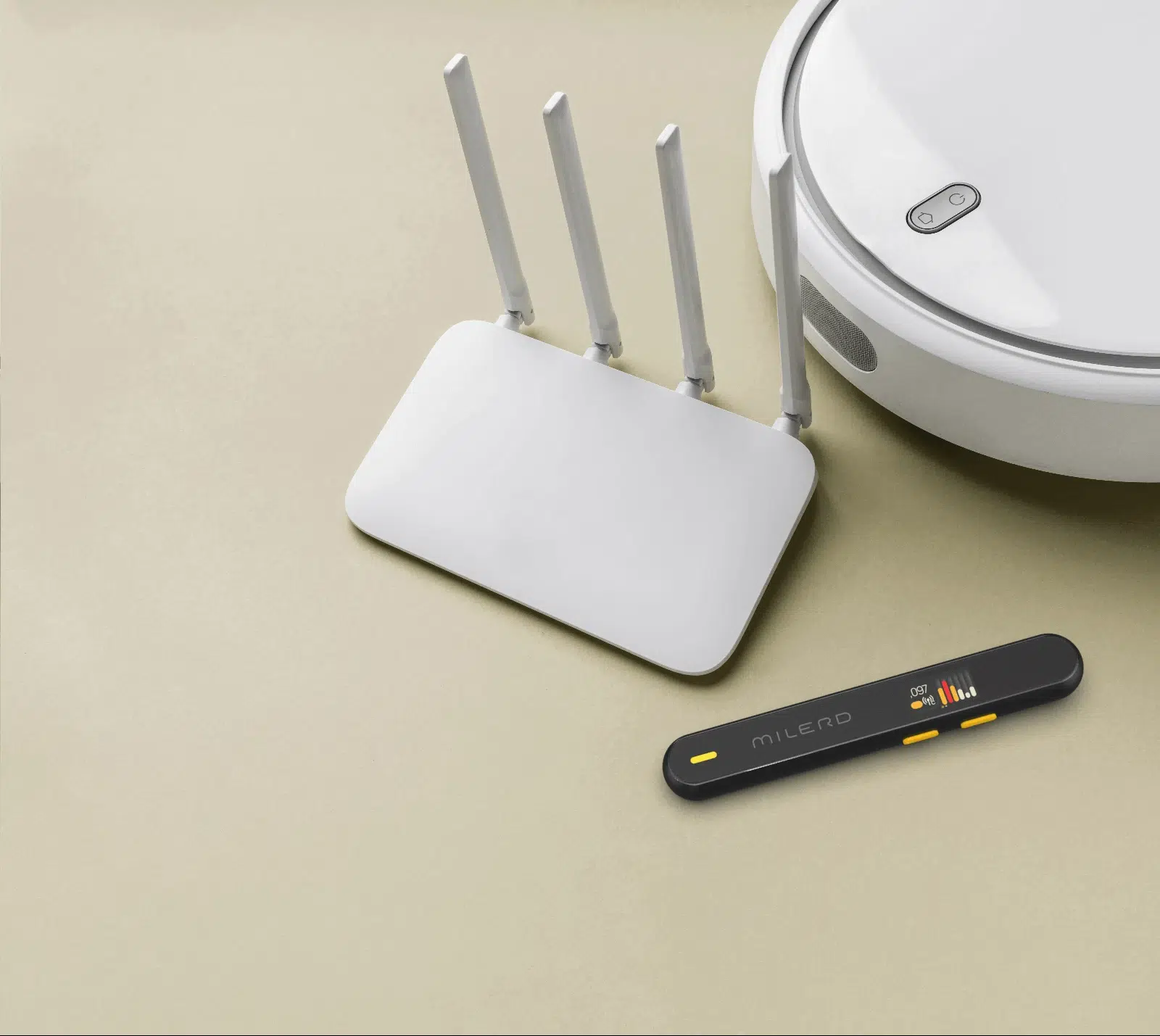
- Wi-Fi routers and smart home hubs – Emit continuous radiofrequency signals to maintain wireless connectivity.
- Refrigerators and freezers – Generate low-frequency EMF due to internal motors and compressors.
- Televisions and computer monitors – Especially smart models with built-in wireless modules.
- Mobile phones and tablets – One of the strongest sources of personal EMF exposure because of close proximity to the body.
- Induction cooktops and electric stoves – Use electromagnetic energy directly for heating, which increases EMF output during use.
- Smart meters – Transmit consumption data wirelessly at regular intervals.
Why Measuring EMF at Home Is Important

Because EMF cannot be seen or felt directly, many people underestimate their exposure. Measuring actual radiation levels allows you to identify high-emission zones, compare different rooms, and make informed decisions about device placement and usage habits.
Using a reliable EMF reader helps translate invisible radiation into clear, understandable data. This makes it easier to reduce unnecessary exposure rather than relying on assumptions.
Choosing the Right EMF Detection Tool
Not all measurement devices offer the same accuracy or range. A modern EMF detector should be able to identify both low- and high-frequency fields and provide consistent readings across different environments.
The Milerd Hirange is designed to meet these requirements by detecting a wide spectrum of electromagnetic radiation produced by household appliances, wireless networks, and mobile technologies. Its broad frequency range makes it suitable for everyday home assessments as well as long-term monitoring.
How EMF Monitoring Helps Reduce Exposure
Once EMF sources are identified, practical steps can be taken to lower overall exposure:
- Move high-emission devices away from sleeping and resting areas
- Turn off or unplug appliances when they are not in use
- Reduce continuous wireless signals by repositioning routers or limiting unnecessary connections
- Monitor changes over time to understand cumulative exposure patterns
Regular measurements allow you to evaluate whether adjustments are effective and maintain EMF levels within a comfortable range.
Creating a More Balanced Home Environment
Modern technology is an essential part of daily life, but awareness is key to using it responsibly. By understanding where EMF comes from and using accurate measurement tools, you gain control over your living space rather than reacting to potential problems later.
Monitoring household EMF is not about eliminating technology—it is about making informed choices that support long-term comfort and well-being. With the right approach and reliable detection, maintaining a healthier home environment becomes a realistic and achievable goal.