Transforming Your Home: A Complete Guide to Renovation and Interior Design
Creating your dream home is one of life’s most rewarding journeys, whether you’re renovating an existing space or building from scratch. The process involves careful planning, expert guidance, and thoughtful design choices that reflect your personal style while ensuring functionality and comfort. Every successful home transformation begins with a solid foundation of professional advice and quality materials.
Starting with the Essentials: Planning Your Renovation
Before diving into paint colors and furniture selections, it’s crucial to address the structural and regulatory aspects of your home project. Many homeowners overlook the importance of proper building assessments, which can lead to costly mistakes down the line. Working with certified building surveyors ensures your renovation or construction project meets all compliance requirements and safety standards from the very beginning.
Understanding your home’s structural integrity is paramount to any successful renovation. Building professionals can identify potential issues such as foundation problems, load-bearing wall considerations, and compliance with local building codes. This early investment in expert assessment saves money and headaches throughout the renovation process.
Designing Your Space with Purpose
Once the structural elements are sorted, the exciting part begins. Creating functional living spaces requires a balance between aesthetics and practicality. Consider how each room will be used and what features will enhance your daily life.
Open-plan living has become increasingly popular for good reason. It creates a sense of spaciousness, encourages family interaction, and allows natural light to flow throughout your home. However, open plans require careful consideration of traffic flow, furniture placement, and acoustic management.
Storage solutions should be integrated into your design from the start rather than added as an afterthought. Built-in wardrobes, under-stair storage, and clever cabinetry can maximize usable space while maintaining clean, uncluttered lines. Think vertically when space is limited, utilizing wall-mounted shelving and tall storage units.
Creating Atmosphere Through Lighting

Lighting transforms any space from ordinary to extraordinary. A well-lit home requires multiple layers: ambient lighting for overall illumination, task lighting for specific activities, and accent lighting to highlight architectural features or artwork. Natural light should be maximized wherever possible through strategic window placement and the use of reflective surfaces.
Consider the color temperature of your lighting carefully. Warm white tones create cozy, intimate atmospheres perfect for living rooms and bedrooms, while cooler whites work well in kitchens and bathrooms where clarity is important. Dimmer switches offer flexibility, allowing you to adjust lighting levels based on time of day and mood.
The Power of Color and Texture
Color psychology plays a significant role in how we experience our homes. Neutral palettes create calm, timeless spaces that can be easily updated with accessories, while bold colors make dramatic statements and express personality. Don’t be afraid to experiment with feature walls or colored ceilings for unexpected visual interest.
Texture adds depth and warmth to any interior. Mixing smooth and rough surfaces, soft and hard materials creates visual and tactile interest that prevents spaces from feeling flat or sterile. Consider incorporating natural materials like wood, stone, and woven textiles to add organic warmth.
Wall treatments extend beyond paint, offering opportunities for creative expression. Wallpaper has made a strong comeback with modern designs ranging from subtle textures to bold patterns. Timber paneling, exposed brick, and decorative moldings add architectural character to plain walls.
Flooring Foundations
Your flooring choice impacts both the aesthetic and functionality of your home. Hardwood floors offer timeless elegance and durability, though they require maintenance and can be noisy. Engineered timber provides similar beauty with improved stability and moisture resistance.
Tiles excel in wet areas and high-traffic zones, available in countless styles from classic subway tiles to large-format porcelain. Natural stone brings luxury and uniqueness, with each piece displaying individual character. For warmth and comfort underfoot, carpet remains popular in bedrooms, though low-pile options work well in living areas too.
Bringing Comfort Home: The Role of Quality Textiles

Textiles are the soul of interior design, adding softness, color, and comfort to our living spaces. The right window treatments can completely transform a room’s appearance while providing essential functions like privacy, light control, and insulation. Quality matters significantly when selecting fabrics for your home.
Natural fibers offer superior benefits compared to synthetic alternatives. Linen, in particular, has gained popularity for its breathability, durability, and timeless aesthetic that suits both modern and traditional interiors. For those seeking premium handmade textiles that combine European craftsmanship with practical functionality, 3hlinen offers an impressive range of curtains, bedding, and home textiles crafted from natural flax.
The beauty of quality linen extends beyond its visual appeal. It regulates temperature naturally, keeping spaces cool in summer and providing insulation in winter. Linen becomes softer with each wash while maintaining its strength, making it a sustainable investment for your home.
Styling Your Sanctuary
Bedroom design should prioritize rest and relaxation. Keep technology minimal, choose calming colors, and invest in quality bedding that invites peaceful sleep. Layering different textures through throws, cushions, and rugs creates a luxurious, hotel-like atmosphere.
Living rooms serve as the heart of the home, where families gather and guests are entertained. Arrange furniture to encourage conversation, ensuring adequate seating without overcrowding the space. A well-placed area rug anchors the seating arrangement and defines the living zone within larger open-plan spaces.
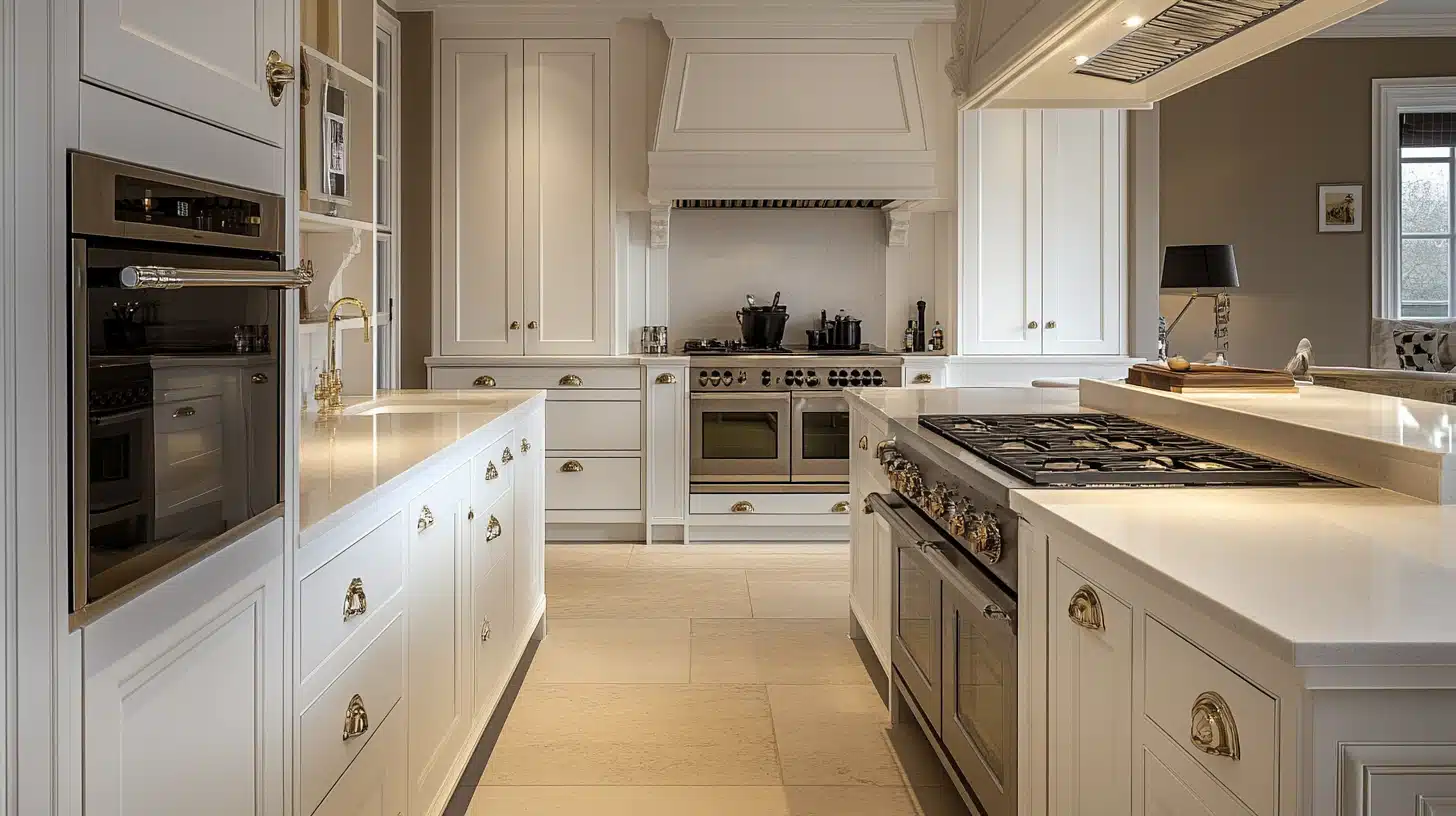
Kitchen design balances style with functionality. Work triangle principles still apply, ensuring efficient movement between sink, stove, and refrigerator. Storage should be abundant and well-organized, with frequently used items within easy reach. Quality countertops and backsplashes are worth the investment for their durability and timeless appeal.
Outdoor Extensions
Your outdoor areas deserve the same design consideration as interior spaces. Create seamless transitions between indoor and outdoor living through consistent flooring materials and complementary color schemes. Outdoor rooms expand your living space and increase property value.
Consider how you’ll use outdoor areas throughout different seasons. Built-in seating, outdoor kitchens, and weather-resistant furniture extend usability. Strategic planting provides privacy, shade, and visual interest while softening hard architectural lines.
Sustainable Choices for Modern Living
Sustainability has moved from trend to necessity in home design. Energy-efficient appliances, LED lighting, and proper insulation reduce environmental impact while lowering utility bills. Water-saving fixtures and drought-tolerant landscaping conserve precious resources.
Choose materials with longevity in mind, avoiding fast-fashion interior trends that quickly become dated. Natural, renewable materials like timber, wool, and linen offer durability and timeless appeal. Quality pieces that last for decades prove more sustainable than cheaper alternatives requiring frequent replacement.
Making It Yours
Ultimately, your home should reflect your personality, lifestyle, and values. Display meaningful artwork, photographs, and collections that tell your story. Mix inherited pieces with new purchases to create spaces with character and history.
Don’t rush the process of decorating your home. Live in spaces before making major decisions, understanding how natural light changes throughout the day and which areas get most use. Allow your home to evolve organically as your needs and tastes develop.
Creating a beautiful, functional home is a journey worth savoring. With proper planning, quality materials, and thoughtful design choices, you’ll craft spaces that nurture, inspire, and welcome you home every day.