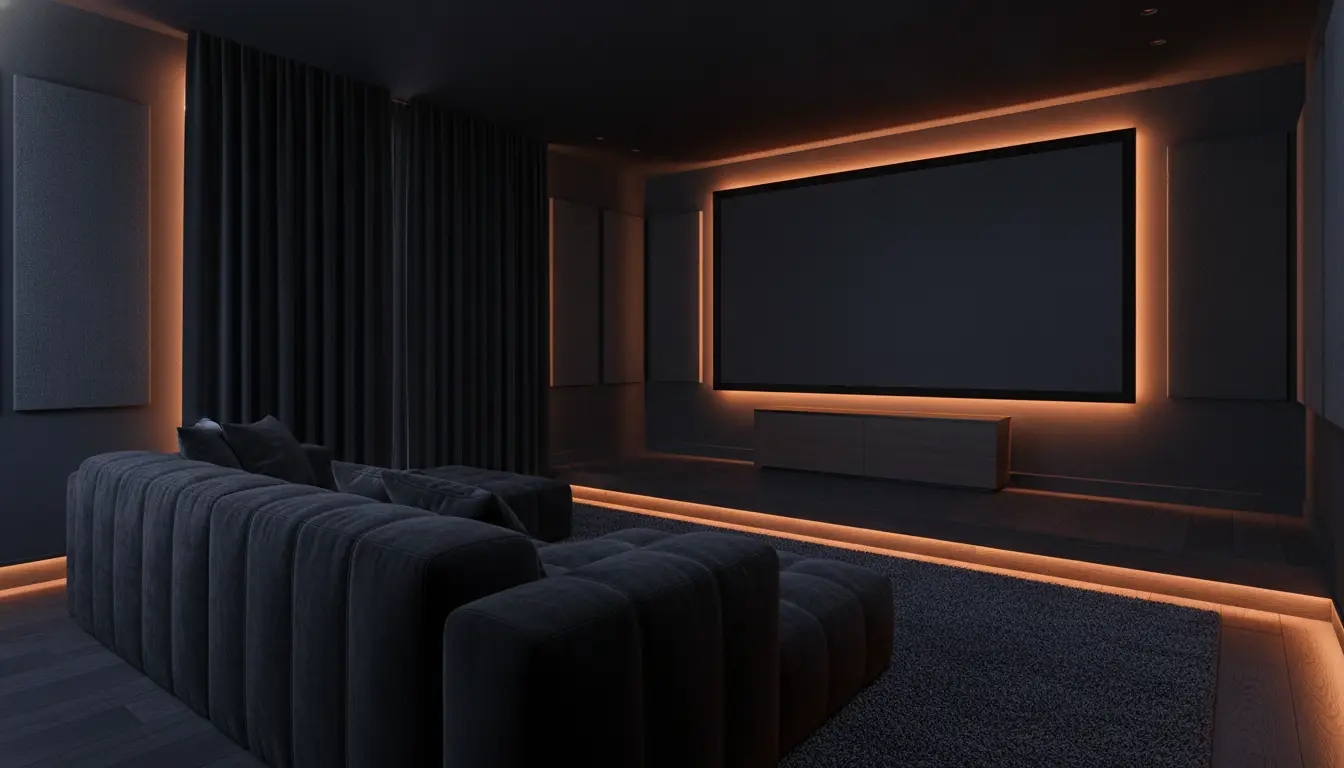
Smart Home Styling: Integrating Comfort, Technology, and Design in 2025
The modern home has evolved far beyond simple shelter into a sophisticated ecosystem where comfort, technology, and aesthetic design converge to create living spaces that are not only beautiful but intelligently responsive to our needs.
As we navigate 2025, the integration of smart technology with timeless design principles has become not just desirable but expected, transforming how we interact with our living environments and redefining what it means to create a truly functional, comfortable home.
Today’s homeowners face the exciting challenge of balancing cutting-edge technological capabilities with warm, inviting aesthetics that make a house feel like home. The key lies not in letting technology dominate your space with cold, sterile minimalism, nor in ignoring technological advances in favor of traditional design—but in thoughtfully integrating both elements to create homes that are simultaneously intelligent, comfortable, and visually stunning.
Foundational Furniture: Where Comfort Meets Contemporary Design
Before implementing any smart technology, establishing the right furniture foundation ensures your space serves its primary purpose: providing comfortable, functional living areas where you actually want to spend time. In smart home design, furniture selection considers both timeless comfort principles and contemporary technological needs, creating spaces that work beautifully whether you’re relaxing with a book or streaming the latest series.
The living room sofa represents perhaps the most critical furniture investment, serving as the primary seating for relaxation, entertainment, socializing, and increasingly, remote work. Modern sofas must balance multiple considerations: ergonomic support for extended sitting during binge-watching sessions or video calls, durable materials that withstand daily use while remaining aesthetically appealing, proportions appropriate to room size without overwhelming the space, and styles that complement rather than clash with integrated technology.

Contemporary furniture retailers have evolved to meet these demands, offering designs that bridge traditional comfort with modern aesthetics and functionality. Exploring options from retailers specializing in current design trends, such as the diverse selection available at Castlery sofas collections, reveals how modern furniture design has adapted to contemporary living patterns with features like built-in USB charging ports, modular configurations that adapt to changing room layouts and technology setups, materials engineered for durability against the wear patterns of modern use, and clean-lined aesthetics that complement rather than compete with technological elements in the room.
When selecting your primary seating, consider how it will function within your smart home ecosystem. Will you be controlling entertainment systems from this vantage point? Does the configuration allow comfortable viewing angles for wall-mounted displays? Is there convenient access to power for charging devices without unsightly cords crossing walkways? Can the furniture arrangement accommodate voice-controlled smart assistants without blocking their microphones or speakers?
Color and material choices should consider both aesthetic preferences and practical realities of technology integration. Lighter upholstery shows wear and stains more readily but brightens spaces and provides better contrast for seeing dropped devices or remotes.
Darker tones hide wear better and create cozy atmospheres but may absorb too much light in spaces relying on smart lighting systems. Performance fabrics engineered for stain resistance and durability make particular sense in tech-heavy living rooms where snacking during streaming sessions is common.
Smart Window Treatments: Controlling Light, Privacy, and Energy
Windows represent critical interfaces between indoor spaces and the external environment, affecting natural light, privacy, temperature regulation, and aesthetic character. In smart homes, window treatments have evolved from purely decorative or manually operated solutions into sophisticated systems that automatically optimize these factors based on time of day, weather conditions, occupancy patterns, and personal preferences.
Smart window treatment technology has matured significantly, offering reliable, user-friendly solutions that genuinely improve daily living. Modern systems integrate with whole-home automation platforms, allowing window coverings to work in concert with lighting, climate control, and security systems rather than operating as isolated gadgets. The result is homes that intelligently manage natural light throughout the day, maintaining comfortable temperatures while reducing energy costs and protecting furnishings from UV damage.

When implementing smart window solutions, the quality and customization of the actual window coverings matters as much as the automation technology controlling them. Premium providers offering customised blinds through brands like Unizip deliver tailored solutions that precisely fit your windows’ dimensions, match your aesthetic preferences with extensive fabric and style options, incorporate motorization that operates reliably for years rather than failing after months, and integrate smoothly with popular smart home platforms including voice assistants, smartphone apps, and centralized control systems without requiring technical expertise to configure and maintain.
Customization proves particularly important in smart window treatments because standardized sizes rarely fit perfectly, creating light gaps that undermine both privacy and the system’s ability to effectively control illumination and temperature. Custom fabrication ensures complete coverage, maximizing both aesthetic appeal and functional performance.
Additionally, the ability to select materials with specific properties—blackout capability for bedrooms and media rooms, light-filtering options for living areas, or UV-protective fabrics for spaces with valuable furnishings—allows optimizing each room’s window treatments for its specific purpose and conditions.
Smart window treatment programming should reflect your actual lifestyle patterns rather than generic schedules. Morning routines might include gradual blind opening that simulates natural sunrise, supporting healthier wake patterns. Daytime automation can track sun position, closing blinds on sun-facing windows to prevent heat gain and furniture fading while keeping others open for natural light. Evening sequences might close all blinds for privacy as lights come on, creating cozy, secure feelings.
Integration with other smart home systems multiplies benefits. Blinds working with thermostats can automatically adjust based on temperature rather than just schedules, closing during extreme heat or cold to reduce HVAC loads. Integration with lighting systems allows balanced adjustments—as natural light decreases and blinds close, interior lighting gradually increases, maintaining consistent illumination without abrupt transitions.
Smart Lighting: Setting Ambiance with Intelligence
Lighting represents perhaps the most transformative element of smart home technology, dramatically affecting both aesthetic appeal and functional performance while offering immediate, visceral results that other smart systems can’t match. Well-designed smart lighting systems provide infinite flexibility in creating atmospheres appropriate to activities and times of day, all while reducing energy consumption and virtually eliminating the mundane task of walking around flipping switches.
Modern smart lighting has progressed far beyond simple on-off control or dimming capability. Today’s systems offer millions of color options, thousands of white color temperature variations from warm amber to cool daylight, programmable scenes that recall perfect lighting combinations instantly, circadian rhythm support that adjusts color temperature throughout the day to support healthy sleep-wake cycles, and integration with entertainment systems that sync lighting effects with content for immersive experiences.

When designing smart lighting, layer different types of light sources just as traditional design principles recommend: ambient lighting provides overall illumination, task lighting supports specific activities like reading or cooking, accent lighting highlights architectural features or artwork, and decorative lighting adds visual interest through fixtures themselves. Smart technology simply allows dynamically adjusting each layer based on needs and preferences rather than being locked into fixed configurations.
Start with ambient lighting as your foundation, typically overhead fixtures, recessed lighting, or integrated architectural lighting that illuminates entire spaces. Smart bulbs or switches controlling these fixtures allow adjusting brightness and color temperature to transform room character from energizing and productive during daytime to warm and relaxing for evenings.
Task lighting benefits particularly from smart control since needs vary dramatically based on activities. Reading requires focused, bright light; working on computers benefits from reduced lighting that prevents screen glare; watching television calls for dimmed ambient light with perhaps subtle accent lighting. Creating and recalling scenes for these different activities eliminates constant manual adjustment—simply saying “movie mode” or “reading light” activates appropriate combinations instantly.
Integration between lighting and other smart systems creates sophisticated automation. Motion sensors can trigger appropriate lighting as you enter rooms, with different scenes activating based on time of day. Window blind position can trigger compensating artificial light adjustments, maintaining consistent illumination as natural light changes. Entertainment system activation can automatically dim lights for optimal viewing.
Integrating Entertainment Systems Seamlessly
Entertainment technology has grown increasingly complex with multiple streaming devices, gaming consoles, sound systems, and displays that previous generations never contended with. Smart home integration transforms potentially chaotic collections of remote controls and manual switching into streamlined systems that respond to simple voice commands or single-button presses.
When selecting and positioning entertainment furniture, consider both aesthetic integration and functional requirements. Your seating should provide comfortable viewing angles and distances from displays. The specific furniture piece supporting your entertainment technology must accommodate equipment dimensions, provide adequate ventilation for heat dissipation, offer cable management solutions, and either display or conceal technology depending on your aesthetic preferences.
Furniture That Supports Modern Living Patterns
Contemporary lifestyles involve more varied activities in living spaces than traditional design anticipated, requiring furniture selections that support this functional diversity while maintaining aesthetic cohesion. Today’s living rooms serve simultaneously as entertainment centers, remote workspaces, social gathering areas, and personal retreats—often multiple purposes within the same day.
This functional diversity requires furniture that adapts rather than constrains. Modular seating arrangements allow reconfiguration for different activities—close groupings for socializing, spread configurations for individual activities, or cleared floor space for exercise. Multi-functional furniture pieces serve multiple purposes: ottomans with internal storage reduce clutter, coffee tables with adjustable heights transform into work surfaces.
The quality and versatility of your primary furniture investments matter tremendously for supporting this lifestyle flexibility. Premium furniture designed for contemporary living patterns offers features specifically supporting how we actually use spaces today. Exploring comprehensive furniture collections demonstrates how modern design addresses real-world needs through modular sectionals that reconfigure as needs change, integrated storage solutions that reduce visible clutter, performance fabrics engineered for durability, and proportions optimized for contemporary space sizes.

When evaluating furniture for smart homes, consider how pieces will support technology usage practically. Does your sofa configuration provide comfortable angles for laptop use during video calls? Are there convenient surfaces within reach for setting down devices? Storage integration deserves particular attention in smart homes where charging cables, remotes, controllers, and other technology accessories quickly create clutter.
Smart Climate Control and Sustainability
Beyond entertainment and lighting, smart homes increasingly incorporate climate and air quality management that dramatically improves comfort, health, and efficiency. These systems exemplify how invisible technology enhances daily life—working constantly in the background to maintain optimal conditions without requiring conscious attention.
Smart thermostats learn your preferences and patterns automatically, adjust based on occupancy and weather forecasts, can be controlled remotely via smartphone, provide energy usage insights and recommendations, and integrate with other smart home systems for coordinated operation. When window blinds close to block afternoon sun, the thermostat knows less cooling is needed; when you leave home and the security system arms, climate control shifts to energy-saving mode.
Smart home technology offers substantial environmental benefits through reduced energy consumption. Smart lighting systems reduce electricity consumption through LED technology, automatic shutoff, and dimming capability. Smart thermostats typically reduce heating and cooling energy by 10-20%. Smart window treatments contribute by blocking heat gain during summer, preventing heat loss during winter, and maximizing natural light.
Conclusion: Living Intelligently in Beautiful Spaces
Smart home styling represents the convergence of interior design, technology, architecture, and psychology into cohesive living environments that serve us more effectively than any single approach achieves alone. The goal isn’t technology for its own sake or sterile minimalism sacrificing warmth for functionality, but rather spaces that are simultaneously beautiful, comfortable, efficient, and responsive to our actual needs.
The homes we create shape our daily experiences profoundly, affecting everything from sleep quality and productivity to social connections and emotional wellbeing. Thoughtful smart home styling creates spaces that support your best life—comfortable enough for genuine relaxation, functional enough for productive work, beautiful enough for aesthetic satisfaction, and intelligent enough to handle routine tasks automatically.
In 2025 and beyond, the most successful homes won’t be those with the most technology, but those where technology serves human flourishing most effectively while maintaining the warmth, comfort, and personal expression that transform houses into homes.