7 Costly Mistakes to Avoid When Renovating a Period Property
Renovating a period property can be one of the most rewarding experiences for a homeowner. These buildings carry unique charm, with craftsmanship and features that cannot easily be replicated today. Yet they also present challenges that are very different from those found in modern houses. A renovation that ignores these differences can become costly and damaging, not only to the budget but also to the building’s character.
This article explores seven of the most common mistakes made during period property renovations. By understanding why they occur and how to avoid them, you can protect both the heritage and the value of your home.
Understanding the Nature of Period Homes
Before considering what mistakes to avoid, it is important to recognise what makes a period property different. These homes were built using traditional methods, often with breathable materials such as lime mortar and timber. They were designed to respond to air movement and moisture in ways modern buildings are not.
A Georgian townhouse, for example, behaves differently from a Victorian terrace, and both differ again from an Edwardian villa. Each era used particular construction methods and materials, and understanding this context helps homeowners make decisions that respect the original design.
Misjudging the Building’s Condition
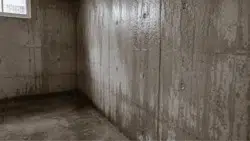
The most expensive surprises usually appear once work has already begun. Hidden damp, rotten floor joists, unstable foundations, or decayed roof timbers can all be concealed behind plaster or under floors. Many renovators rush into cosmetic changes without addressing these fundamental issues.
A structural survey is not just a formality. It is an essential investment that reveals weaknesses and informs a realistic budget. Setting aside a contingency fund of at least 15 % can also help manage unexpected repairs without derailing the project.
Overlooking Legal and Planning Requirements
Legal restrictions are one of the biggest differences between renovating a modern home and a period property. Many older houses are listed or located within conservation areas, which means changes are tightly controlled.
Carrying out unauthorised work can have serious consequences, from financial penalties to being ordered to reverse the alterations at your own expense. Even something as simple as replacing windows or changing roof tiles can require consent. Seeking advice from local authorities and heritage consultants at the outset prevents costly setbacks later.
Replacing Instead of Restoring
Period homes are valued for their original features. Sash windows, fireplaces, cornices, and timber floors give these houses their identity. Once removed, they are extremely difficult to replicate convincingly.
Replacing with off-the-shelf modern alternatives may appear cheaper, but it reduces authenticity and can diminish the property’s value. Restoration is nearly always the better route. Skilled craftsmen can repair sash windows, reline fireplaces, or restore plasterwork so that character is preserved while still meeting modern standards.
Using Incompatible Materials
Older buildings require materials that complement traditional construction. A common mistake is to apply modern cement render to walls originally built with lime. Cement traps moisture, causing damp to spread and damage to accelerate.
Using the correct materials is not about resisting modernisation but about protecting the building’s fabric. Lime-based plaster, breathable insulation, and natural paints work with the structure rather than against it. Contractors unfamiliar with these methods may recommend inappropriate solutions, so it is worth choosing professionals with heritage experience.
Neglecting Ventilation and Moisture Management
Period properties were built to breathe. Blocking air flow, sealing windows, or applying impermeable finishes can trap moisture, leading to mould, condensation, and structural decay.
Kitchens and bathrooms in older homes are especially prone to moisture build-up. Installing discreet extractor fans, keeping chimneys vented, and choosing breathable finishes helps maintain a healthy balance. Addressing ventilation at the design stage prevents costly remedial work in the future.
Underestimating Budgets and Timelines
Renovating a period home is rarely straightforward. Costs can escalate when hidden problems appear, or when specialist materials and skilled trades are required. Timelines also extend when planning approvals or conservation permissions are involved.
Homeowners who budget tightly, without contingency, often find themselves forced to cut corners. This leads to lower quality finishes and compromises that affect the property’s value. A well-structured budget should cover labour, materials, professional fees, and permissions, with an additional buffer for the unexpected. Monitoring costs regularly ensures the project stays under control.
Over-Modernising Without Respect for Character
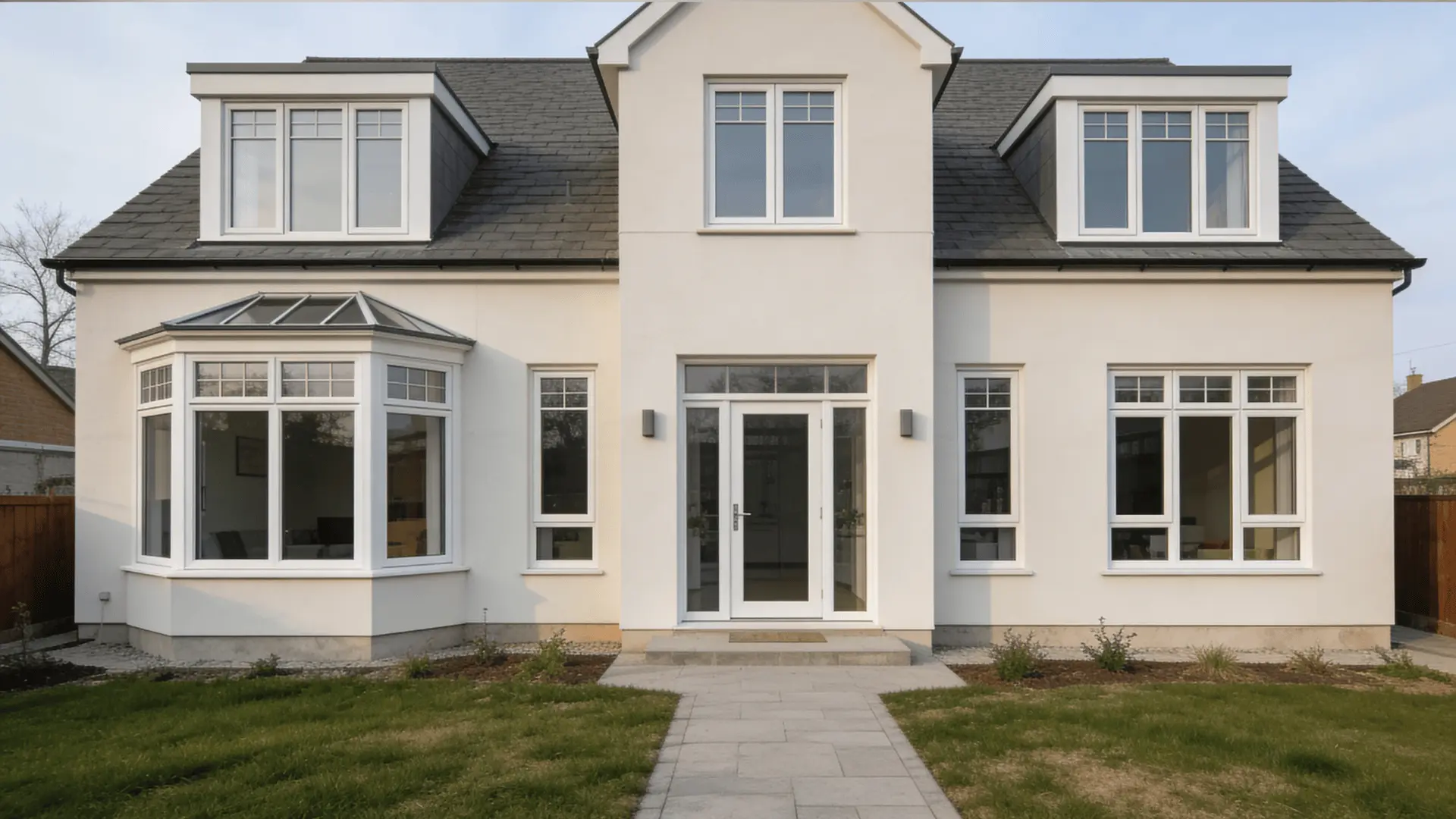
Comfort and practicality are essential, but imposing ultra-modern designs can undermine the essence of a period property. Large open-plan layouts, oversized glazing, or minimal finishes may feel disconnected from the building’s proportions.
The key is balance. Modern kitchens and bathrooms can be integrated, but they should complement original features rather than compete with them. Colour schemes, textures, and layouts that acknowledge the property’s heritage create harmony between old and new. Sensitive modernisation enhances rather than erases character.
Protecting Your Investment for Generations
Renovating a period property is more than a financial project; it is a responsibility to protect architectural heritage while making the home liveable for today. By avoiding the mistakes outlined here, you can ensure that your renovation enhances both comfort and value.
For those seeking expert support, Todi & Boys offer the craftsmanship and knowledge needed to deliver timber window and door renovations that respect tradition while meeting modern needs. With the right approach, a period property can continue to thrive for generations to come.