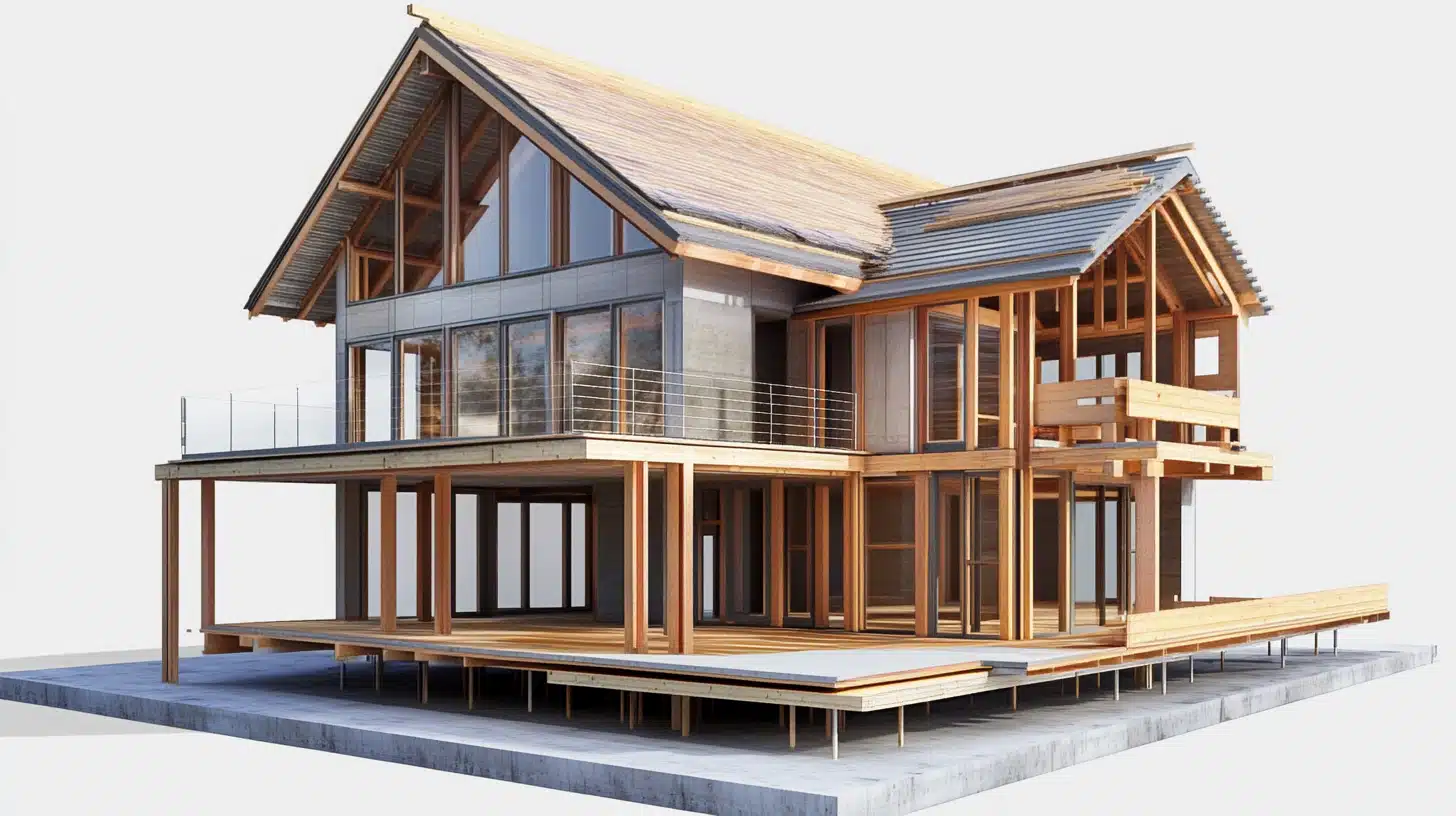
Build up Or Build Out: Which Addition Costs Less Today?
I’ve seen that adding more space to a home is one of the biggest choices you’ll ever make, and it usually comes down to two paths: building up or building out.
The question, “Build up or build out: which addition costs less today?” doesn’t have a simple answer, since costs depend on design, land, and structural needs.
Still, there are clear patterns. Building outward often costs less upfront, but going upward can be the smarter move if your lot is small or zoning rules are tight. Once you understand these differences, it’s much easier to move forward with confidence.
Let’s take a closer look at the average cost comparison to see where the numbers really land.
Average Cost Comparison
Building out is generally cheaper than building up for existing homes. Ground-level additions avoid the heavy structural work that comes with adding a second story.
If you’re leaning toward a second level, review this detailed cost breakdown for a second-story master suite to understand structural upgrades, finishes, and where most budgets increase when going vertical.
Building out usually costs $125 to $180 per square foot, with some projects as low as $100 or as high as $300, depending on the location. Building up starts at $180 to $250 per square foot, and in complex cases can reach $300 to $500.
For a 500-square-foot addition, expect $62,500 to $90,000 if building out, compared to $90,000 to $125,000 when building up. At 1,000 square feet, building out runs about $125,000 to $180,000, while building up ranges from $180,000 to $250,000.
The gap comes from structural needs. Building up often requires roof removal, reinforcement, and a staircase, while building out mainly adds foundation and framing.
That’s why, unless land is limited, building outward remains the more cost-effective choice in most cases.
Building Out or Building Up

Choosing between building out and building up depends on more than just cost.
Each option comes with its own set of benefits and drawbacks that affect your budget, lifestyle, and property value. Comparing them side by side makes the decision clearer.
| Option | Pros | Cons |
|---|---|---|
| Building Out (Horizontal Addition) | Lower average cost per square foot | Reduces the yard or outdoor space |
| Less structural work is required | May be limited by zoning setbacks | |
| Faster and less disruptive since most work happens outside | Requires a new foundation and roofing for the addition | |
| Easier to design with fewer engineering changes | Can increase footprint and property taxes | |
| Building Up (Vertical Addition) | Preserves the yard and outdoor living areas | Higher cost due to structural reinforcement |
| Ideal in urban areas or small lots with no space to expand | Requires removing and rebuilding the roof | |
| Can add more square footage without increasing the footprint | Staircase installation reduces usable space | |
| Works well for new builds with strong foundations | Often more disruptive, may require moving out during construction |
Both options can add valuable living space, but the right choice depends on your property size, local regulations, and long-term plans. If you have a large lot, building out often saves money.
If land is limited or rules restrict expansion, building up may be the smarter path despite higher costs.
Other Factors That Influence Costs
Beyond basic square footage, several details can quickly change the total cost of your addition. These are the most common factors homeowners run into:
- Permits, zoning, and HOA rules: Local permits often come with application fees and inspections. HOAs and zoning boards may add restrictions, which can require extra design changes or delays.
- Structural reinforcement: A second-story addition usually means strengthening the foundation and adding support beams. This engineering work adds both time and thousands of dollars to the project.
- Roofing changes: Building up requires removing the existing roof, then framing and installing a new one. This step is one of the biggest expenses when going vertical.
- Staircase installation: Stairs take up valuable square footage and require careful placement. Beyond labor and materials, they may also change the layout of existing rooms.
- Temporary housing: In some projects, especially second stories, parts of the home are unsafe to live in. Renting another place during construction adds to the overall cost.
These additional factors explain why final budgets often exceed the initial square-foot estimate.
Impact on Lifestyle and Home Value
Building out often means losing part of your yard. This trade-off can limit space for a garden, patio, or play area, which may matter if outdoor living is important to you.
Daily disruption also varies between the two options. Ground-level additions usually allow families to remain in the home, while second-story projects may force you to move out for weeks. Timelines also tend to stretch longer when building up.
Resale value is another key point. Both options increase square footage, but buyers respond best to layouts that feel natural and functional. A poorly designed addition can limit your return, even if it adds space.
Energy use may change as well. A bigger footprint can increase heating and cooling needs, while a second story can alter airflow and sometimes require HVAC upgrades.
These lifestyle and value effects are just as important to consider as upfront construction costs.
Common Mistakes to Avoid
Home additions are big investments, and a few common mistakes can make them more costly or stressful. Knowing these pitfalls helps you plan better and avoid unnecessary setbacks.
Here are the mistakes homeowners often make:
- Underestimating structural complexity: Adding a second story often requires major changes to the foundation, framing, and roof. Many underestimate these needs, which leads to cost overruns, longer timelines, and frustration once work begins.
- Ignoring zoning or HOA limits: Local rules may restrict how far out you can build or how high you can go. Overlooking these requirements can cause redesigns, delays, or even stop a project completely.
- Overbuilding beyond neighborhood value: Adding too much space or luxury features may not pay off when selling. If your home outprices the neighborhood, you risk spending more than you’ll ever recoup in resale.
- Skipping detailed planning and budgets: Some homeowners rush into construction without a clear design or cost outline. This often leads to change orders, rising expenses, and compromises that reduce both quality and satisfaction.
Avoiding these mistakes makes sure your addition adds real value, meets your needs, and stays within a budget you can handle.
Conclusion
I’ve found that choosing whether to build up or build out is about much more than just adding square footage. Your budget, lot size, lifestyle, and long-term plans all matter when making the decision.
Costs will vary depending on where you live, but with careful planning and by avoiding common mistakes, you can make sure the investment adds both comfort and value. The key is balancing today’s expenses with tomorrow’s benefits before committing.
So if you’re wondering, “Build up or build out: which addition costs less today?” the truth is it depends on your situation, but having the right details makes the choice a lot easier.
Want more guidance? Check out my other blogs for remodeling tips, design ideas, and smart home improvement advice.