An Easy to Follow Guide to Insulation Removal
If you’re thinking about removing old insulation, I totally understand. Over time, insulation can lose its effectiveness, and you might start noticing cold drafts or high energy bills. I’ve been there too, and it’s not fun.
In this guide, I’ll walk you through why you might need to remove insulation, how to do it safely, and the steps to get the job done.
If you’re thinking about doing it yourself or hiring a pro, by the end of this, you’ll know exactly what to expect. Let’s get started and take that first step toward a cozier, more efficient home.
Why Remove Insulation?
Insulation is key to your home’s comfort and to keeping your energy bills down. But, just like anything else, insulation can wear out over time.
Here are some signs that it might be time to remove it:
- Age of Insulation: If your insulation is older than 15-20 years, it might not work as well as it used to.
- Mold or Mildew: If you see mold or mildew in your attic or walls, it could be caused by moisture trapped in the old insulation.
- Damage: If the insulation is crushed, torn, or has water damage, it won’t keep your home as comfortable. It is usually caused by leaks or pests.
- Rodent or Pest Problems: Insulation can also attract pests, making it unsanitary and less effective.
- Higher Energy Bills: If your energy bills are rising, it might be because your insulation isn’t doing its job.
Removing old insulation can help with energy efficiency and keep your home free of health risks. It also ensures that your home stays safe and comfortable.
Step-by-Step Guide for DIY Insulation Removal
Tools You’ll Need
- Shop Vacuums: Useful for sucking up blown-in insulation.
- Dust Masks or Respirators: Protect your lungs from dust.
- Gloves and Long Sleeves: Protect your skin from sharp or itchy insulation.
- Ladders or Attic Access Tools: Help you reach high places like your attic.
- Trash Bags or Containers: To dispose of the insulation.
Step 1: Preparing the Area
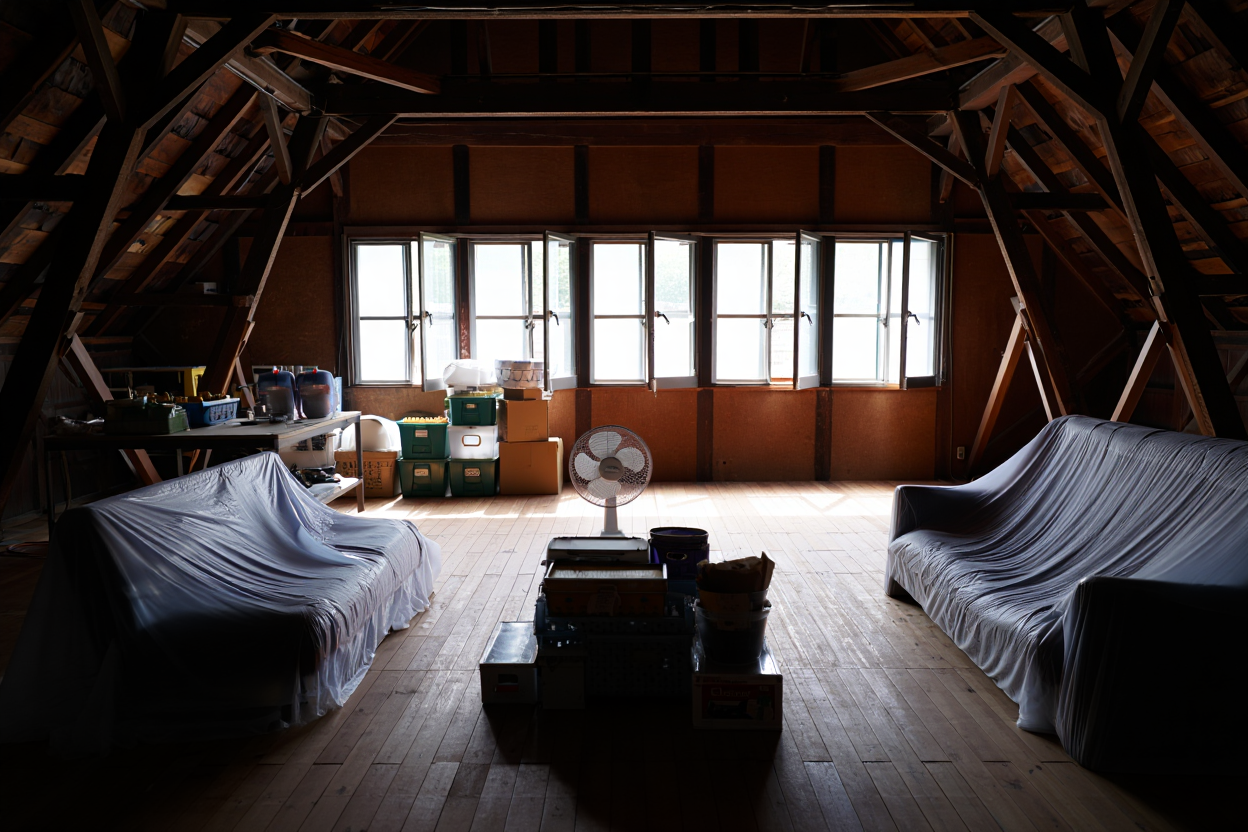
Before you start, make sure your workspace is ready. Cover any furniture with plastic sheeting or drop cloths to protect it from dust and debris.
Clear the area by removing any items you don’t need in the attic or workspace. This will provide you with ample space to work in.
Lastly, ensure good airflow by opening windows or using fans to keep the air fresh and prevent harmful dust from building up.
Step 2: Removing Insulation

The process will depend on the type of insulation you’re dealing with.
Blown-in Insulation:
- Use an insulation vacuum to remove it.
- Start at the farthest corner of the attic or space and work your way toward the exit.
- Make sure the vacuum hose is long enough to reach all areas.
Fiberglass Insulation:
- Carefully roll up fiberglass batt insulation and remove it.
- Wear gloves, goggles, and a Tyvek suit to avoid irritation.
- Avoid touching your skin and wash up immediately after handling.
Spray Foam Insulation:
- This type of insulation may need to be scraped off with a putty knife or another tool.
- Be careful not to damage the underlying surfaces.
Step 3: Disposal and Cleanup
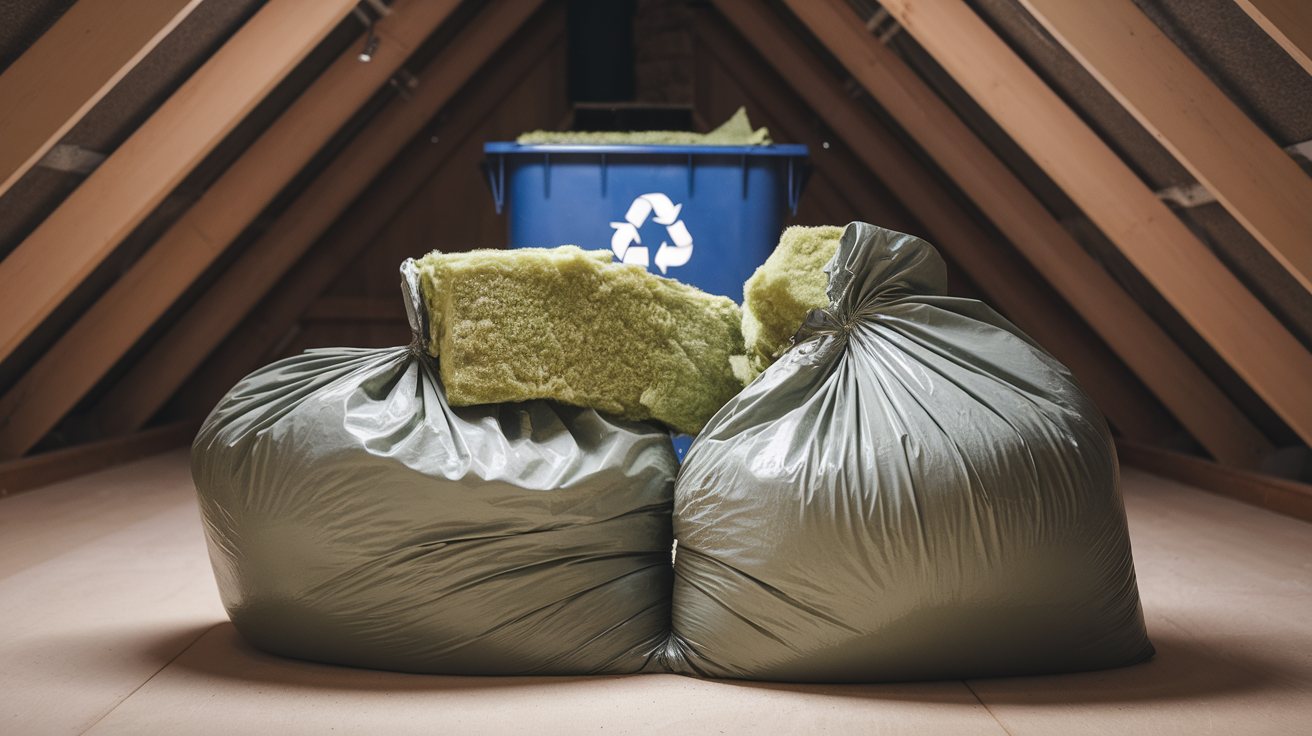
For disposal and cleanup, begin by collecting the insulation. Use strong trash bags or containers to gather the insulation.
Seal the bags tightly to stop dust from escaping. Then, take the insulation to a recycling center or dispose of it according to your local rules.
After you’ve removed the insulation, clean the area thoroughly by sweeping up any leftover dust and debris.
Wipe down surfaces with a damp cloth to make sure everything is clean and free of particles. DIY insulation removal will cost you about $200 – $500 for tools and disposal.
Professional Insulation Removal
When you hire professionals for insulation removal, they follow a clear process to ensure the job is done safely and efficiently.
First, the contractor will inspect your attic to determine the type and condition of the insulation.
Then, the professionals will use specialized tools, such as powerful vacuums, to safely and quickly remove the insulation.
After that, they will dispose of the material properly, following local regulations.
Finally, they’ll clean up the attic, making sure it’s ready for new insulation if needed. Hiring experts ensures the process is handled correctly and saves you time and effort.
Hiring a professional will cost you about $1,500 – $4,000 for full service.
Risks and Safety Considerations for Insulation Removal
Safety should always come first when removing old insulation. Certain types of insulation can cause health problems if not handled properly. Here’s what you need to know.
Health Risks
- Asbestos Exposure: Older insulation, especially in homes built before the 1980s, may contain asbestos. When disturbed, asbestos can release fibers that cause serious lung diseases. If you think your insulation has asbestos, it’s safest to hire a professional. They have the equipment to handle asbestos safely.
- Dust and Fibers: Fiberglass insulation can release fine particles that irritate the skin, eyes, and lungs. Prolonged exposure may cause breathing issues and skin rashes. Therefore, always wear protective gear when removing insulation.
- Mold and Mildew: If the insulation has been wet, it could have mold or mildew, which can lead to respiratory problems or allergic reactions. Make sure your workspace is ventilated and check for mold before starting. If mold is present, hiring a professional is often the best choice.
Safety Precautions
Wearing the proper gear is crucial for your safety.
- Masks: Always wear an N95 respirator to avoid inhaling dust and fibers.
- Gloves: Use heavy-duty gloves to protect your hands from irritants.
- Respirators: A full-face respirator is a good idea for extra protection.
- Goggles: Protect your eyes from flying particles.
- Protective suits: Wear Tyvek suits to avoid direct contact with insulation.
By keeping the above-mentioned risks and precautions in mind, you can avoid health hazards and ensure your safety.
Conclusion
In this guide, I’ve covered the important aspects of insulation removal, from why it’s necessary to how you can handle the process yourself or with the help of professionals.
Now it’s up to you to decide what’s best for your home based on your budget, time, and safety concerns.
If you decide to go DIY or hire experts, proper insulation removal will help improve your home’s efficiency and keep it safe.
Make sure to stay safe, use the right tools, and get the job done right. Check out other blogs for more informational guides and DIY tips.