How to Create Concrete Floors That Look Like Wood
Want the warm look of wood floors without the high cost or maintenance? Concrete floors that look like wood might be the perfect solution.
In this guide, I’ll show you how to make concrete look just like wood using simple methods like staining, stamping, or overlays.
I’ll walk you through each step, from prepping the floor to keeping it looking new.
You’ll also get tips to choose the right method for your space, avoid common problems, and decide if you should DIY or hire a pro.
Curious how concrete can mimic real wood so well? Let’s find out.
Why Concrete Floors are Popular
Concrete is durable, resistant to scratches, dents, and water, making it ideal for high-traffic areas.
It requires less maintenance than hardwood and is more cost-effective, offering a wood-like appearance at a fraction of the cost.
Concrete floors can blend seamlessly with any design style, creating a low-maintenance look.
Methods to Achieve a Wood-Like Look on Concrete
Staining: Use acid-based or water-based stain and a wood-graining tool, then seal for protection.
Stamping: Press wood-grain stamps into wet concrete and seal.
Overlays: Apply a thin overlay, stain it, and seal for durability.
These methods provide an affordable way to replicate the look of wood with minimal maintenance.
Step 1: Prepare the Concrete Surface
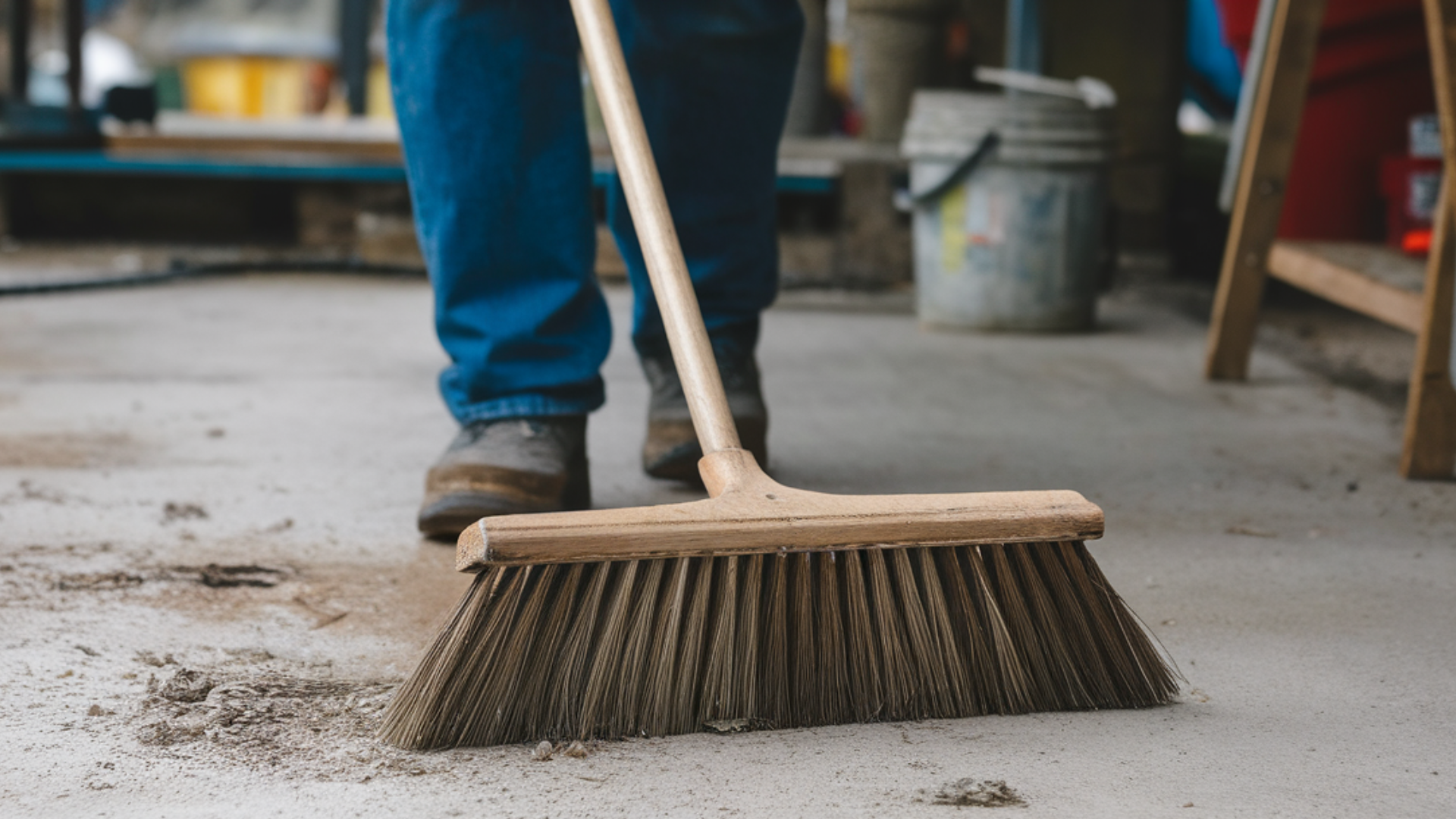
Before you begin any method, it’s important to ensure the concrete surface is clean and smooth. Sweep the floor thoroughly to remove dust, dirt, and debris.
If necessary, use a cleaner to remove any grease or stains. Patch any cracks or imperfections to ensure a smooth surface for your work.
This is crucial for ensuring that the stain, stamp, or overlay adheres properly and creates a flawless finish.
Step 2: Apply the Technique
This step involves applying one of the three methods to achieve a wood-like finish on your concrete floor.
Method 1: Staining Concrete for a Wood-Like Finish
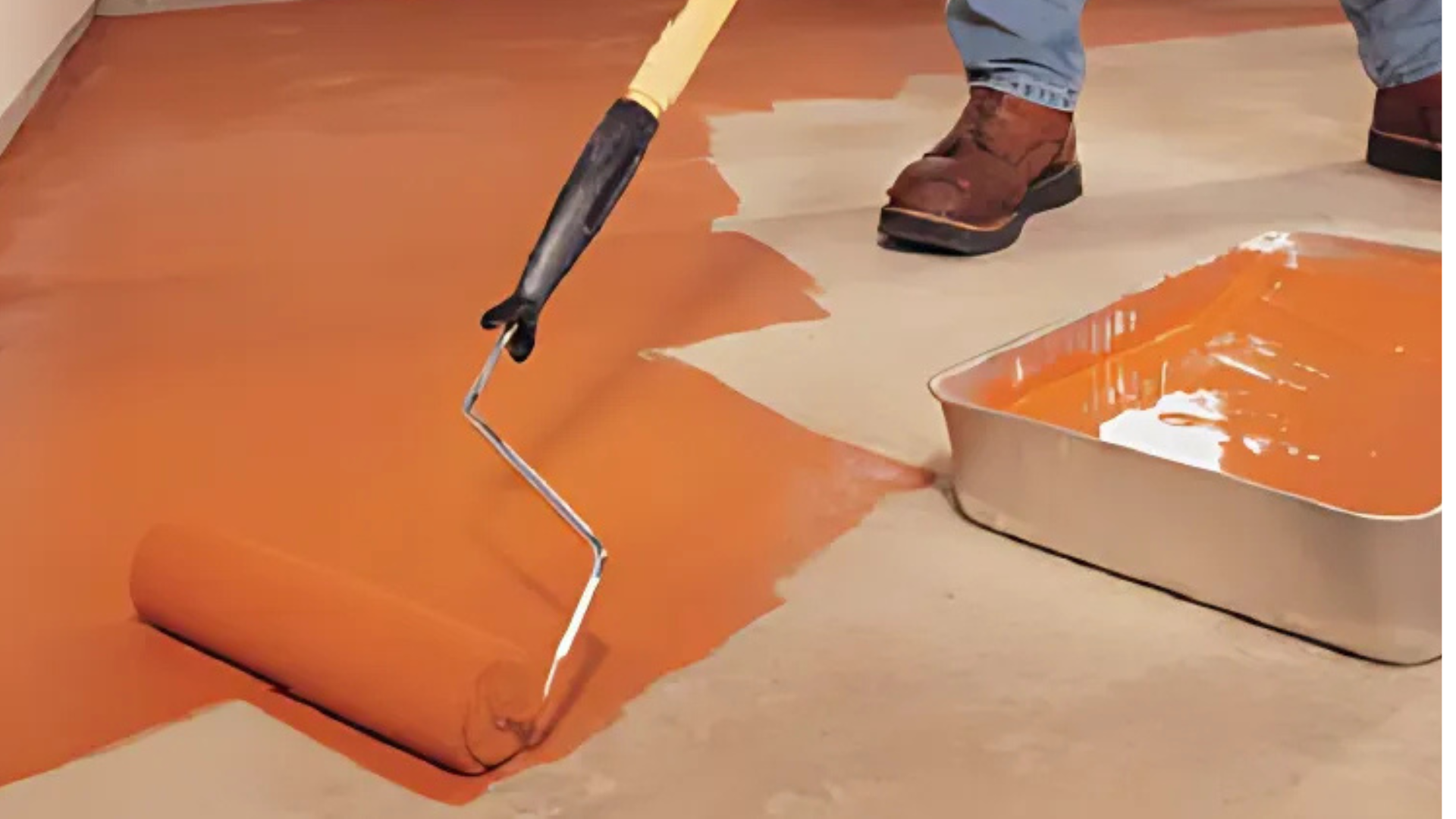
Choose the Right Stain: Acid stains are ideal for creating rich, earthy tones and a natural, wood-like appearance. Water-based stains offer a broader color range but may not provide as deep a wood effect.
Application Process: Use a brush or roller to apply the stain evenly across the concrete surface. For added texture, use a wood-graining tool to create a wood-like appearance. Work in small sections, allowing each area to dry before moving on.
Sealing the Concrete: After the stain has dried, apply a protective sealant to lock in the color and texture. This will also protect the floor from moisture and wear and tear. Use a polyurethane or acrylic sealer for the best results.
Method 2: Stamped Concrete for a Wood-Plank Effect

Apply the Stamp: While the concrete is still wet, press a stamp into the surface to create a wood plank pattern. Choose stamps that replicate wood grains like oak, maple, or pine. Apply even pressure and align the stamps carefully for a uniform design.
Finishing Touches and Sealing: Once the stamping is complete and the concrete has dried, apply a sealer to enhance the texture and colors. The sealer will protect the surface and give the concrete a more natural, wood-like appearance.
Method 3: Concrete Overlays for Textured Wood Appearance
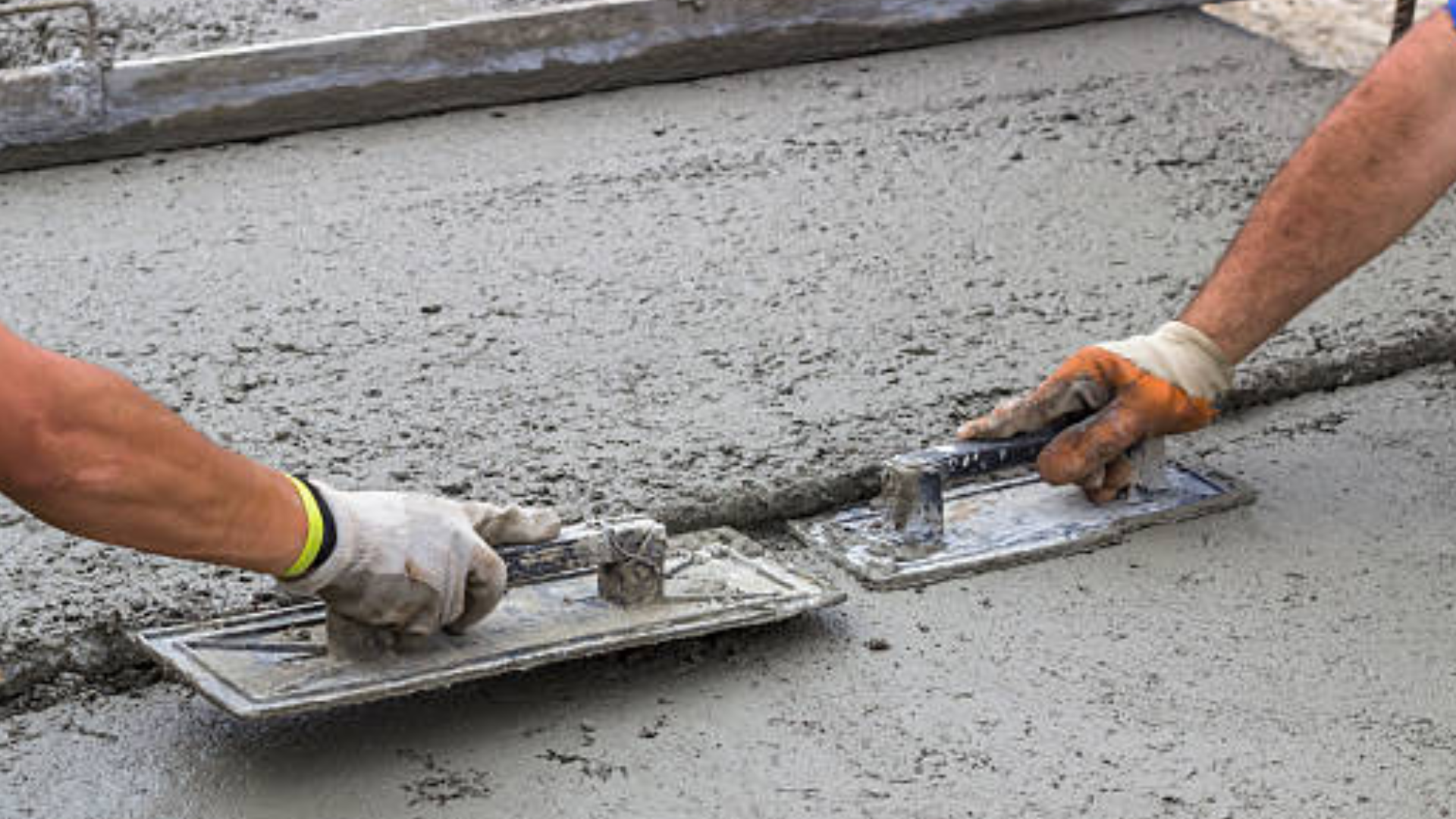
Mixing and Applying the Overlay: Mix the overlay material according to the manufacturer’s instructions, then apply it in a thin, even layer over the prepared concrete. Use a trowel to spread it evenly, creating a smooth surface that will serve as the base for your wood-like finish.
Staining and Sealing: After the overlay has dried, apply a stain to mimic the desired wood species. Once the stain has dried, seal the surface to protect it and preserve the wood-like appearance for years to come.
Step 3: Final Touches
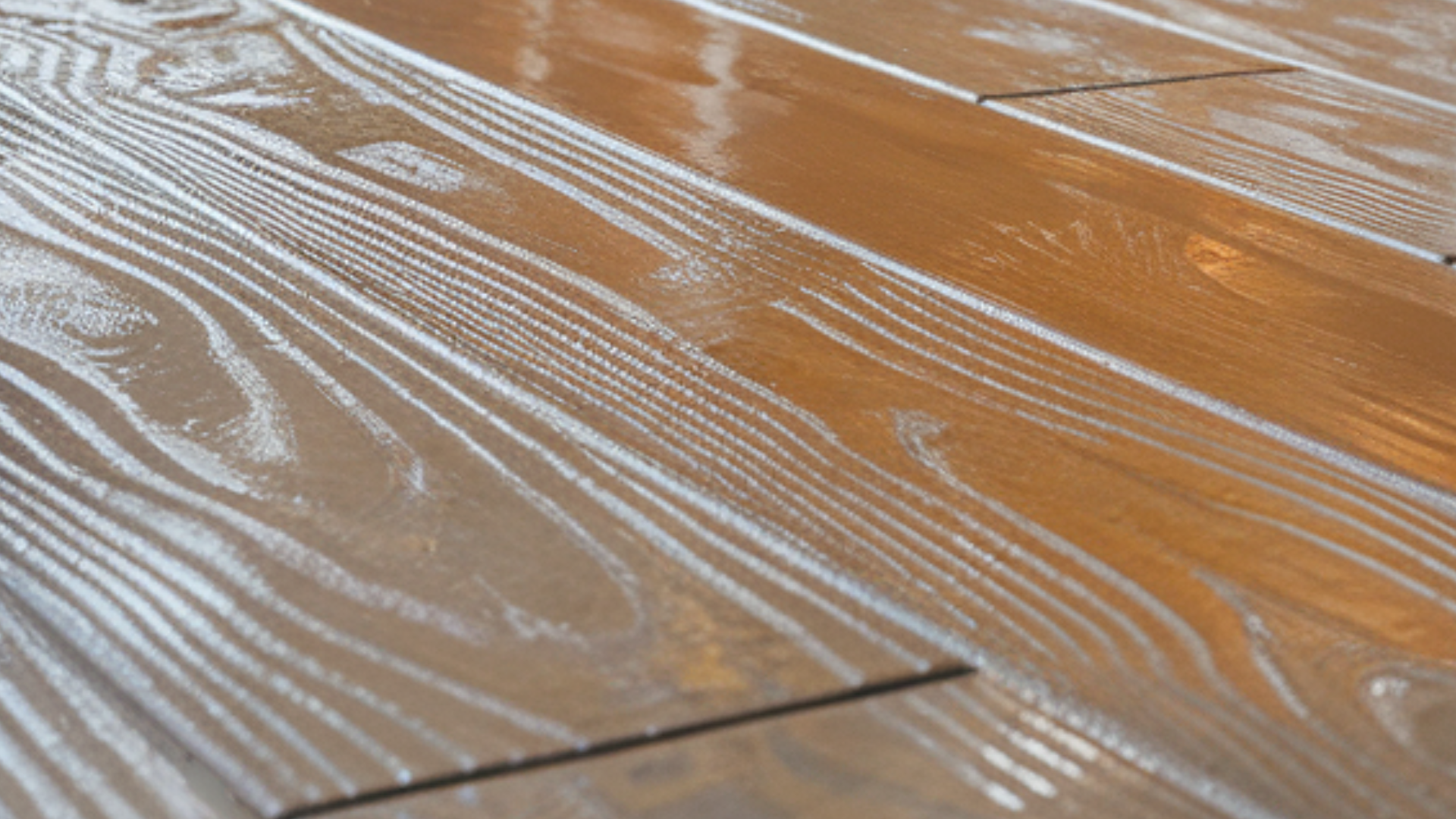
Regardless of the method you choose, sealing the surface is crucial for maintaining the wood-like finish and protecting the floor from daily wear.
Reapply the sealer every few years, especially in high-traffic areas, to keep the floor’s fresh and beautiful appearance.
By following these steps, you can achieve concrete floors that have the warmth and look of wood, without the high cost or maintenance.
Choosing the Right Method for Your Space
Decide the best concrete wood-look method based on room size, traffic, durability needs, and your design style.
1. Room Size and Coverage
If you’re working with a small area, staining might be the easiest and most cost-effective option. It requires minimal materials and can be applied quickly, making it ideal for rooms like bathrooms or small entryways.
However, if you’re covering a larger area, such as an open-plan living room or kitchen, stamping or overlays might be more suitable, as they provide a more consistent and long-lasting look.
2. Traffic and Durability
For high-traffic areas, such as kitchens, hallways, or living rooms, stamped concrete or concrete overlays are great choices. These methods create a durable surface that’s resistant to wear and tear.
Staining alone may not provide the same level of durability, especially if you choose a lighter color or a stain that wears down quickly.
3. Design Preferences
If you’re aiming for a natural, rustic wood appearance with rich tones and textures, staining will provide the depth and variation found in real wood.
Stamped concrete, on the other hand, allows for more intricate designs with distinct wood plank patterns, which may be more suited to a rustic look.
Choose the method that best suits your space’s function and aesthetic by considering traffic, area size, and desired wood finish.
Issues with Concrete Floors that Look Like Wood
Despite the careful effort, some common issues may arise during the process. Here’s how to fix them:
- Uneven Staining: If streaks or uneven color appear, lightly sand the area and apply another coat of stain to blend it with the surrounding sections.
- Difficulty with Stamps and Texture: If the wood-grain texture isn’t consistent, realign the stamps and apply more even pressure to create a uniform design.
- Sealing Problems: Issues like bubbles or peeling can occur. Ensure the floor is dry before applying sealer, and use the correct applicator for an even finish.
- Cracks and Imperfections: Small cracks or imperfections can be fixed with a patching compound or an additional layer of overlay material to smooth out the surface.
By addressing these common issues promptly, you can make sure your concrete floors maintain a beautiful, wood-like finish for years to come.
DIY vs. Professional Installation: What You Need to Know
When deciding between a DIY project and a professional installation for concrete floors that resemble wood, several factors should be considered.
For a DIY project, you’ll need to gather materials such as concrete stains, overlay materials, stamps (if stamping is desired), and sealers. This option enables you to tailor the project to suit your skills and budget.
If you choose professional installation, you’ll benefit from expert precision and a faster completion time. Professionals can handle complex designs and ensure a flawless finish, saving you time and effort.
Both options have their advantages, so consider your skill level, available time, and desired results when making your decision.
Maintenance Tips for Concrete Floors that Look Like Wood
To keep your faux wood concrete floors looking great for years, regular maintenance is essential. Proper care keeps your floors in top condition and maintains their beauty.
- Cleaning and Maintaining the Floor: Regularly sweep and mop with a soft cloth to avoid scratches. Avoid harsh chemicals.
- Long-Term Care: Reapply sealer every few years, especially in high-traffic areas, to protect and preserve the wood-like finish.
- Avoid Excessive Water Exposure: Clean spills immediately and minimize water use to prevent moisture damage.
- Buffing for Shine: Use a buffing machine or soft cloth to restore shine and remove minor imperfections.
- Repairs and Touch-ups: Address small cracks with filler and use touch-up stain for surface imperfections.
By following these simple tips, your concrete floors will stay looking fresh and last for many years.
Conclusion
Now you know how to make concrete floors look just like wood without the high cost or constant upkeep.
I’ve tried a few of these methods myself, and whether you go with staining, stamping, or overlays, each one gives you a beautiful, durable finish.
Think about what works best for your space, your style, and how much foot traffic you get. With the right approach and a bit of care, your concrete floors can keep that wood-like look for years to come.
Just don’t forget, regular cleaning and sealing really help keep the finish looking fresh.
Want more smart, budget-friendly home ideas? Take a look at other blogs on the website for simple tips, creative designs, and easy ways to upgrade your space, starting with concrete floors and beyond.