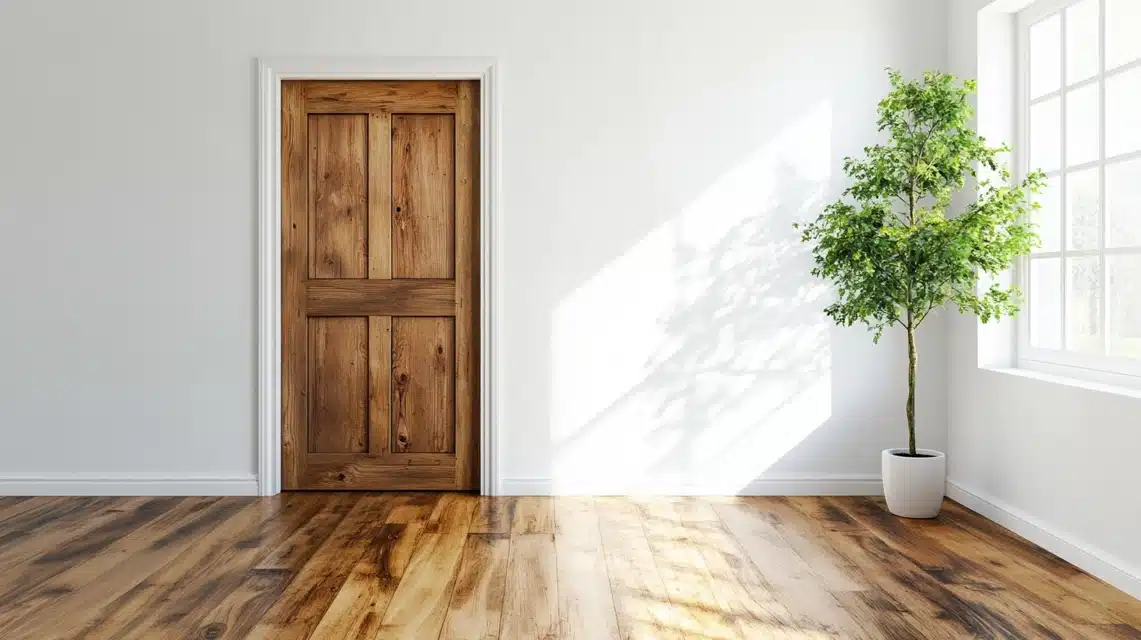
Design from the Ground Up: How to Choose the Right Hardwood Flooring for Your Space
Flooring functions as a foundational element influencing subsequent design decisions. Floors anchor furnishings, complement color selections, and establish natural light movement patterns throughout spaces. However, appropriate wood species, finish, and installation pattern selection require considerations beyond showroom appeal.
Success depends upon understanding various wood characteristic interactions with existing architectural elements, lighting conditions, and lifestyle requirements. From hickory’s dramatic grain characteristics to maple’s subtle refinement, each species presents distinctive attributes enhancing or conflicting with design objectives.
Match Wood Species to Your Lifestyle
Various wood types provide different durability levels and upkeep needs. Oak continues to be the most adaptable option, delivering superior hardness ratings and accepting stains effectively while concealing minor surface damage within its distinct grain design. Maple offers outstanding durability with a sleek, consistent look that complements modern environments but reveals every mark and impact.
For busy areas or households with animals, think about hickory or ash, which rank among the toughest native species. Their complex grain designs naturally hide everyday damage. Gentler woods like pine or fir suit bedrooms or formal dining spaces with lighter usage, providing character and coziness at a more affordable cost.
Consider Your Existing Color Palette
Your hardwood flooring should enhance, not clash with, your current design features. Warm wood shades coordinate excellently with cream, beige, and warm gray walls, establishing unified spaces that appear deliberate. Cool wood shades complement sharp whites, cool grays, and blue-toned color palettes.
Avoid attempting to precisely match your floors to your furniture or cabinetry. Instead, seek balance through underlying tones. If your kitchen cabinets feature warm brown undertones, select flooring with comparable warm undertones rather than pursuing an exact match, which seldom succeeds and can appear artificial.
Understand Grain Patterns and Visual Weight
The grain pattern you select significantly influences your space’s atmosphere. Narrow, linear grains establish peaceful, structured environments ideal for minimalist or Scandinavian design approaches. Broad, striking grain designs introduce vitality and motion, functioning well in rustic or transitional areas that can support visual intricacy.
Think about your room’s dimensions when assessing grain designs. Spacious, open areas can support bold, complex grains that might dominate smaller spaces. In contrast, understated grains may disappear in large areas where they lack adequate visual presence.
Navigate Finish Options Strategically
The finish you choose influences visual appeal and durability. Satin finishes provide the ideal compromise for most residences. They deliver a gentle shine that highlights wood’s inherent beauty without producing glare or revealing every mark. Matte finishes perform excellently in relaxed, comfortable environments where you prefer the wood to appear natural and inviting.
High-gloss finishes generate visual impact and bounce light efficiently, yet they demand increased upkeep and display scratches easily. Semi-gloss finishes suit formal areas where you desire noticeable shine without the maintenance difficulties of complete gloss. Evaluate your cleaning preferences and acceptance of visible wear when making this selection.
Plan for Visual Flow Between Rooms
In open layout designs, your flooring selection influences several areas at once. Think about how the wood will appear flowing from your living space to the kitchen to the dining room. Certain species and finishes perform better than others for establishing smooth transitions while preserving separate zones within expansive areas.
Consider visual connections between rooms. What appears ideal in your living space might seem overly dark or bright when seen from your kitchen. Capture images of samples in various rooms to assess how they function together as a unified design.
Assess Your Room’s Natural Light
Light continuously transforms wood appearance, revealing varied undertones and grain characteristics as shadows move across flooring surfaces. North-facing environments receiving cooler, indirect illumination benefit from warmer wood selections, including cherry or walnut, adding richness without dominating spaces.
South-facing rooms receiving abundant warm sunlight accommodate cooler wood tones including ash or white oak, preventing excessive yellow or orange environmental characteristics.
Consider artificial lighting interaction with wood selections during evening periods. Warm LED illumination enhances red and orange undertones within woods, including Brazilian cherry, while cooler lighting emphasises natural grey characteristics within weathered oak finishes. Evaluate samples under various lighting conditions before finalizing selections.
Test Before You Commit
Avoid making flooring choices based exclusively on tiny samples or store presentations. Request substantial samples and experience them for multiple days, noting their appearance under various lighting situations and throughout different times. Position them alongside your current furniture, wall shades, and fixtures to confirm they coordinate well.
Account for seasonal lighting shifts in your residence. Wood that appears ideal in summer’s abundant light may seem overly dark during winter’s limited daylight hours. Recognizing these fluctuations helps you select flooring that functions effectively throughout the year rather than only during your selection period.
Factor in Plank Width and Length
Plank measurements substantially influence your room’s apparent size and aesthetic. Wide planks produce a more relaxed, modern appearance while making spaces seem larger by minimizing seam lines. They function especially well in open layouts where visual flow matters more than classic proportions.
Narrow planks provide a more refined, conventional look. They suit smaller areas where wide planks could seem overpowering. They also offer greater installation flexibility, enabling installers to navigate around obstacles more smoothly. Standard 3-inch planks deliver adaptability for most projects.
Endnote
Appropriate flooring selection establishes foundations enhancing additional spatial elements, from furniture arrangement through lighting design. Through comprehensive consideration of these factors collectively rather than independently, you’ll select flooring serving spaces effectively for decades ahead.