

Sherwin Williams: Best Warm Neutral Paint Colors
If you’re like me, you want a paint color that works in every room without second-guessing it. The best warm neutral paint colors from Sherwin-Williams provide your space with a gentle, welcoming feel that’s easy to live with.
Whether you’re redoing a single wall or your entire home, selecting the right warm neutral can bring a sense of unity to your space.
In this post, I’ll walk you through my favorite picks and show you how to match them with trim, light, and flooring.
By the end, you’ll feel more sure about what works for your style, lighting, and layout. Let’s find your perfect warm neutral.
Best Warm Neutral Paint Colors SW
The best warm neutral paint colors from Sherwin-Williams bring comfort and balance to any space. These shades feature hints of beige, taupe, or greige, creating a quiet and inviting atmosphere.
They work well in both bright and low-light rooms, blending effortlessly with white trim, natural wood floors, and soft metal finishes.
If you’re painting a whole home or just one room, these tones can create a smooth flow from space to space.
Their ability to shift gently with lighting throughout the day makes them a favorite for anyone who wants a space that feels right.
Top SW Warm Neutral Colors to Try
These Sherwin-Williams warm neutrals offer the right balance of color and comfort. With different light reflectance values (LRV) and undertones, each one fits specific room types, lighting conditions, and design styles.
1. Accessible Beige (SW 7036)

- LRV: 58
- Undertone: Greige with warm beige notes
Accessible Beige is a reliable neutral that feels both warm and grounded. It doesn’t lean too yellow or too gray, making it ideal for balanced lighting.
With an earthy, natural tone, it brings a comfortable yet tidy feel to bedrooms, dining areas, and open layouts.
It blends well with soft whites, wood accents, and muted green accessories. It’s a great choice if you want warmth without a heavy look.
2. Agreeable Gray (SW 7029)
- LRV: 60
- Undertone: Warm greige
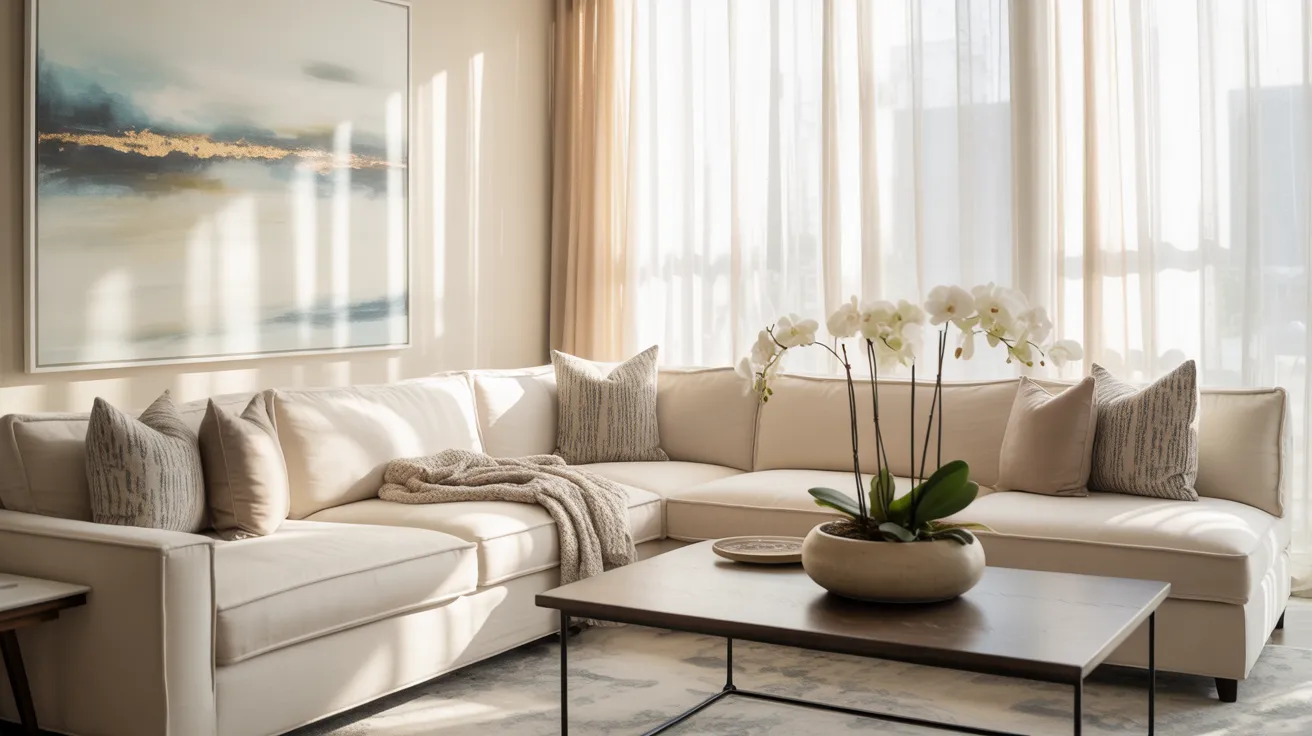
Agreeable Gray is a top favorite because it works almost anywhere. With its soft beige tone, it offers warmth while staying light and airy.
The higher LRV helps reflect light, making small or dark rooms feel more open. It’s subtle enough for full-home use and blends easily with white trim, soft blue accents, and natural wood. It won’t overwhelm and adapts well to both cool and warm décor.
3. Creamy (SW 7012)

- LRV: 81
- Undertone: Warm yellow-cream
Creamy is a soft, inviting off-white that adds warmth without going too deep. With its high LRV, it brightens spaces while keeping a cozy feel. This color is perfect for kitchens, ceilings, or trim where pure white may feel too stark.
It has just enough warmth to pair nicely with traditional or farmhouse style, and it won’t shift cool in low lighting. Think buttery light rather than beige weight.
4. Alabaster (SW 7008)

- LRV: 82
- Undertone: Subtle beige with a creamy base
Alabaster offers a fresh, clean backdrop without feeling cold. It’s one of Sherwin-Williams’ most loved warm neutrals thanks to its versatility. The slightly beige undertone makes it feel soft, especially in morning or afternoon light.
It works well as a wall color or trim and creates a calm, light look in bedrooms, baths, or open living areas. Alabaster stays neutral without looking flat or chalky.
5. Balanced Beige (SW 7037)

- LRV: 46
- Undertone: Warm taupe
Balanced Beige is a deeper neutral with intense warmth and richness. It leans more beige than gray, making it ideal for rooms with lots of natural light.
Its lower LRV gives it a grounded feel, great for dining rooms or dens. It pairs beautifully with creamy whites and deep blues or greens. This color feels cozy without being dark, giving structure and calm to larger rooms.
6. Natural Linen (SW 9109)

- LRV: 66
- Undertone: Light tan with soft yellow warmth
Natural Linen is perfect if you want a sunny neutral that still reads as calm. It adds a touch of light, warm tan to walls, helping rooms feel open without feeling sterile.
The undertone pairs well with rattan, oak, or creamy trim. Great for casual spaces like entryways or bedrooms, it reflects a gentle brightness while staying easy on the eyes. Use it where you want softness without gray tones.
7. Stone Lion (SW 7507)

- LRV: 38
- Undertone: Deep beige with gray-brown hints
Stone Lion brings a sense of depth and quiet strength to a space. It’s best used in larger rooms or areas with good natural light, where its lower LRV won’t make the space feel too closed in.
The muted brown-gray undertone gives it a grounded, natural feel. Great for accent walls, cozy offices, or dining areas, it pairs well with crisp whites or bronze finishes for a warm contrast.
8. Whole Wheat (SW 6121)

- LRV: 45
- Undertone: Yellow beige
Whole Wheat is a classic golden neutral with an inviting, earthy warmth. It adds character without being too bold.
The undertone leans yellow but not bright, making it suitable for family rooms or traditional interiors. It looks excellent with terracotta, deep red, or muted navy accents.
Its mid-range LRV lets it hold its own without darkening the space too much. It’s an excellent choice for autumn-inspired or rustic designs.
9. Shiitake (SW 9173)

- LRV: 51
- Undertone: Warm taupe with subtle green-gray base
Shiitake is a balanced, modern neutral that exudes a calm and versatile feel. It sits right in the middle of light and dark, working well in both natural and artificial lighting.
The hint of green-gray in the undertone keeps it from feeling too beige or too pink. This makes it a strong option for open spaces or kitchens where you want warmth without yellow tones. It also blends well with black, white, or wood.
Warm Neutrals by Style & Mood to Match Any Room
Some warm neutral colors are better suited to cozy corners, while others brighten up open spaces or support rustic finishes. Here’s how to pick the right one for your style and mood.
Best for Cozy Living Rooms
Kilim Beige, Practical Beige, and Woven Wicker bring warmth and comfort to shared spaces. These colors have rich beige or tan bases that feel welcoming without being dark.
They help rooms feel snug without shrinking the space. Great with warm lighting, layered textures, and soft materials like linen or wool. These shades also complement wood furniture or brown leather well.
Use them in living rooms where comfort matters most, especially in cooler months or spaces with relaxed seating.
Best for Airy, Bright Spaces
Creamy, Divine White, and Ivoire are perfect for rooms where you want a fresh, open feel. Their higher light reflectance makes walls feel bright even in soft natural light.
These neutrals feature gentle yellow or cream undertones that add softness without creating shadows. Ideal for kitchens, hallways, or sun-filled bedrooms.
They also work well with light flooring, simple window treatments, and neutral textiles. Choose these if your space already receives good light and you want to keep it feeling bright and airy.
Best for Rustic or Earthy Styles
Utaupeia, Double Latte, and StoneLion offer natural warmth and grounded tones that suit rustic homes or earthy palettes. These colors have brown or taupe undertones that blend well with stone, wood, or clay elements.
They hold their color in dim light and feel steady without being too bold. Great for accent walls, studies, or farmhouse-style rooms.
Pair them with matte black hardware, raw wood beams, or soft green accents for a relaxed, down-to-earth space that still feels clean and modern.
Room-by-Room Warm Neutral Recommendations That Work
The right warm neutral can shift slightly depending on the room. Use this quick guide to help pick the best shades based on function, light, and overall feel for each part of your home.
1. Living Room: Warm Tones That Invite You In

Use soft beiges or greiges that feel welcoming but not heavy. Colors like Accessible Beige or Balanced Beige give enough warmth to relax the space without being too bold. They work well with wood, textiles, and soft lighting.
2. Bedroom: Calm Colors for Rest and Quiet

Pick gentle neutrals with subtle warmth like Creamy or Alabaster. These shades help create a soft and restful atmosphere in bedrooms.
Pair with simple linens, warm lighting, and quiet décor for a peaceful setting that’s perfect for a restful night’s sleep.
3. Bathroom: Clean Neutrals with Light and Warmth
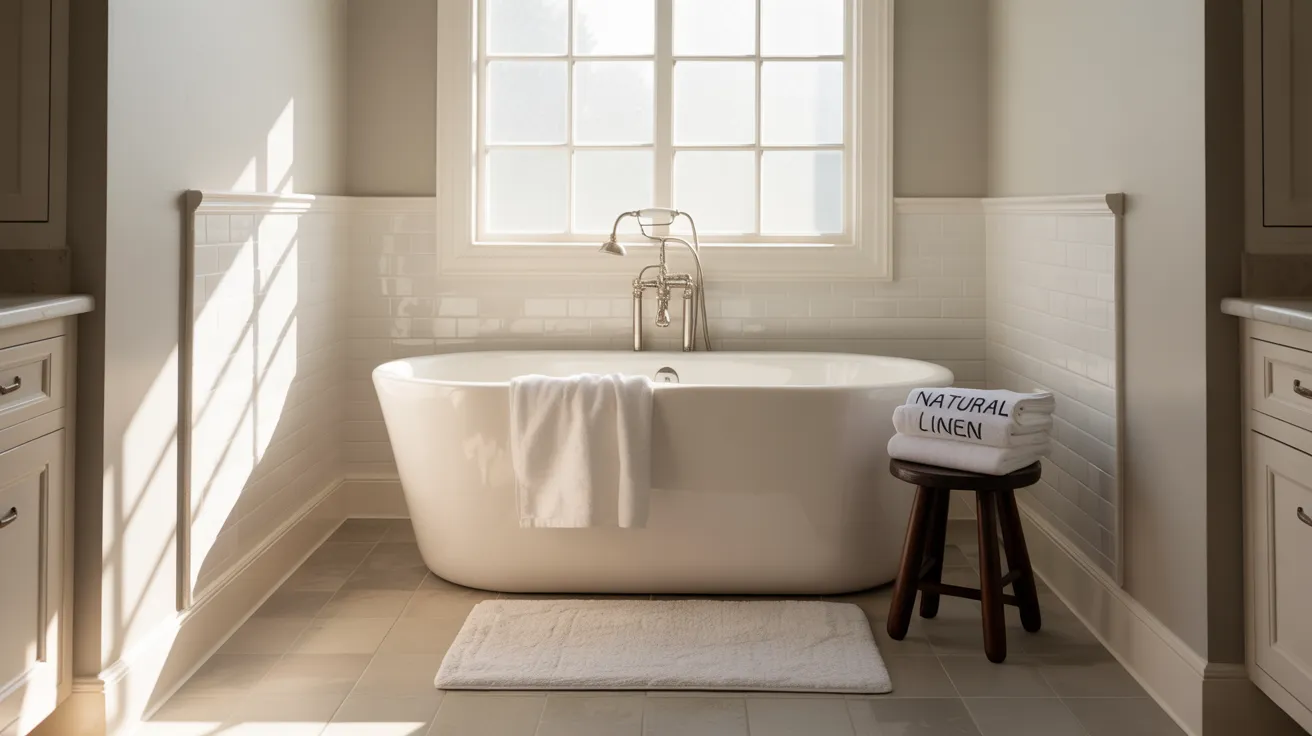
Bathrooms need both freshness and comfort. Try Natural Linen or Divine White, they brighten small spaces without looking cold. They also complement well with light tile and soft metal accents, such as bronze or brushed nickel.
4. Kitchen: Soft Shades That Feel Natural and Neat
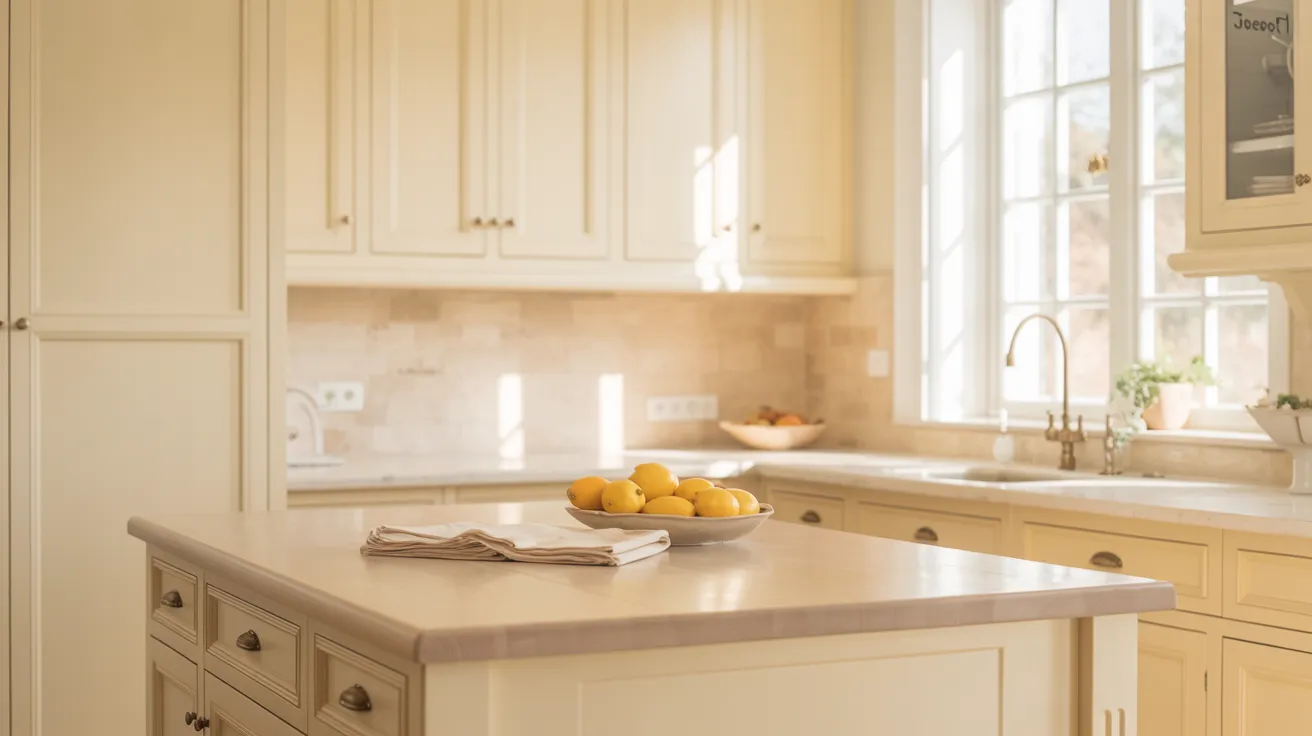
Go for warm neutrals with energy but no sharpness. Whole Wheat or Ivoire pair well with wood cabinets, stone counters, and white trim. These shades keep kitchens light and grounded without fighting bold surfaces.
5. Whole Home Use: Balanced Colors for Every Wall

If you want a consistent color throughout your home, mid-tone neutrals like Agreeable Gray or Shiitake are strong options. These shades feature balanced tones that remain consistent across various lighting conditions and room layouts.
How to Pair Warm Neutrals Without Overthinking It
Warm neutrals are flexible, but the colors you pair with them make a big difference. Trim, accents, and floors can change how your wall color feels. Use these tips to maintain balance and keep everything visually appealing.
With Trim and Ceiling Colors
Pair warm neutrals with soft whites like Alabaster, Snowbound, or Creamy. These options highlight the warmth without pulling in cool tones. Avoid bright, stark whites, as they may appear too sharp.
For ceilings, use the same trim color in a flat finish to keep it simple. This keeps your warm neutral walls soft and connected, especially in bedrooms and living spaces where comfort matters most.
Accent Colors (Navy, Olive, Terra Cotta)
Warm neutrals pair well with deep accent colors, creating a striking contrast. Navy adds a calm strength, olive gives a grounded natural feel, and terra cotta adds earthy warmth.
These work exceptionally well in pillows, rugs, curtains, or painted furniture.
Stay away from bright primaries; subtle tones help maintain a steady mood. Try mixing textures too, like linen, leather, or matte metals, to support your warm base without clashing.
With Flooring or Wood Tones
When matching warm neutrals with flooring, look for shared undertones. If your floors lean red or orange, beige or gold-based neutrals like Whole Wheat work well.
For gray-brown floors, go with taupe or beige shades like Shiitake. Don’t ignore trim and cabinets, paint that works on the wall might clash with nearby wood. Always test paint samples next to your floor, not just in open wall space.
Finish and Sheen Guide
The finish you choose can change how your paint looks, holds up, and reflects light. Here’s a guide to help you make the right choice for every room and surface.
Flat vs. Satin vs. Eggshell for Neutrals
Finish can change how a warm neutral feels, even if the color stays the same.
| Finish Type | Look | Best For | Things to Note |
|---|---|---|---|
| Flat | Soft and no shine | Ceilings, low-traffic rooms | Hides flaws, but is harder to clean |
| Eggshell | Light glow | Living rooms, bedrooms | Easy to wipe, still soft |
| Satin | Smooth and more reflective | Kitchens, baths, doors | Tougher and easier to clean |
How Finish Affects Color Perception
The finish you choose affects how your paint reflects light and shows color. Flat finishes absorb more light, making warm neutrals appear a little deeper and more relaxed.
Glossy finishes reflect light, which can make undertones appear more pronounced or even shift slightly.
View your samples in morning and evening light, especially near windows and lamps. What feels balanced during the day may seem brighter or more intense at night. Always test your final choice on the finish you’ll use.
Conclusion
Once you go through things like undertones, lighting, and how each room is used, it all starts to come together.
Now that you’ve seen my top picks and how they behave in real homes, you’re ready to choose what fits yours best.
I recommend testing a few favorites with real paint samples and checking them during different parts of the day to see how they shift.
If this guide helped you, I’d love for you to check out my other posts on paint colors and home tips. You’ve already taken the first step toward finding a shade you’ll feel great about.


