How to Stack Firewood the Smart Way
I used to wonder why my fires smoked so much and barely warmed the room. Turns out, the issue wasn’t the wood. It was how I stacked it.
If you’ve been dealing with the same problem, learning how to stack firewood properly can make a huge difference. Once I started using better stacking methods, my wood dried faster, burned cleaner, and felt safer to use.
In this post, you’ll get simple tips that actually work, whether it’s your first time or you’re just looking to improve your firewood storage, you’ll find advice that’s easy to follow.
Importance of Proper Firewood Stacking
Stacking firewood correctly helps it dry faster and burn better. Wet wood makes more smoke and less heat.
When you stack logs with space in between, air can move through and dry them out. This means your fire will start more easily and keep you warmer.
A good stack also keeps away mold and bugs. If wood is piled wrong, water can get trapped, causing mold to grow and pests to move in.
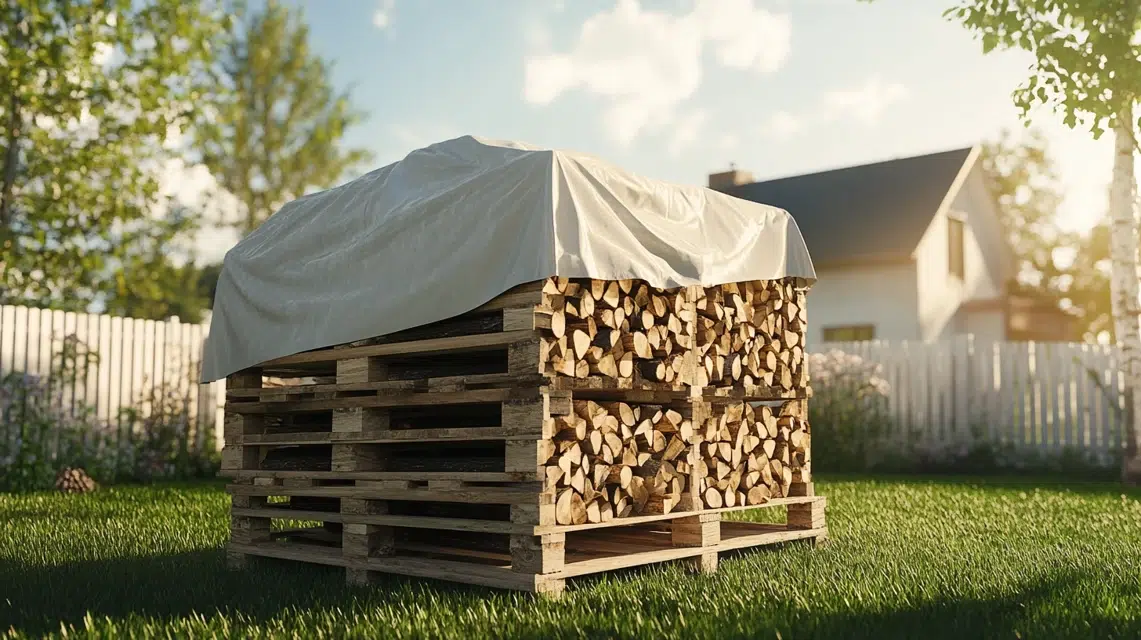
Moldy wood smells bad and isn’t safe to burn. Let the wood breathe by keeping the ends facing out and covering only the top.
Neat stacking keeps your space safe, too. A messy pile can fall over and hurt someone. Bugs or mice might hide inside. To stay safe, keep the wood a few feet from your house and off the ground.
Taking a few minutes to stack your firewood correctly means better fires, less mess, and a safer yard. It’s a small step that makes a big difference when the cold sets in.
How to Stack Firewood: Simple Methods
I’ve learned a few simple ways to stack firewood that really make a difference. If you’re looking to keep your wood dry, safe, and ready to use, these methods can help. You’ll improve airflow, save space, and make your woodpile look neat all year long.
1. Criss-Cross Pattern (Classic Wall Stack)

The criss-cross pattern is one of the most common ways to stack firewood. Place two logs side by side, then stack two more across them in the opposite direction.
Keep repeating. This shape lets air flow easily through the stack, helping the wood dry faster. It also stays sturdy.
To keep it straight, build on level ground and step back often to check that it isn’t leaning or wobbling.
2. Round or Spiral Stacking (Holz Hausen Style)

The spiral method forms a large round stack with the logs placed in circles. Start by creating a circle base with the logs standing upright around the edge.
Keep adding layers inward and upward until you reach the middle. This method can hold a lot of wood in a small space. It also looks neat and tidy, which works well in open yards or where space is limited.
3. Stacking Towers (End Pillars or Cord Markers)

Stacking towers, often called end pillars, help mark firewood cords or act as ends for longer stacks. To make one, cross logs at each layer like building blocks.
Keep them even and tight. These towers are great for measuring how much wood you have. They’re also quick to build and help support longer rows if you plan to make a full firewood wall stack later.
5. Stacking in a Shed or Against a Wall

If you’re using a shed, stack the firewood with a few inches of space between the wall and the wood to allow air flow.
Avoid placing logs directly against a house wall, since this can trap moisture and invite bugs. Shed stacking is perfect for year-round use.
It keeps wood dry and protected while still letting it breathe, especially if the shed has good airflow from vents or open sides.
6. Single Row Stack (Lean-To Style)

The single row or lean-to style works great for small yards or tight spaces. Stack the logs in a straight row, with each log laid flat on top of the other.
Use a fence, wall, or frame to support the back of the stack. This style is easy to build and allows for full airflow on the exposed side, helping the wood dry faster.
It’s perfect if you only need a small supply of firewood or want a fast and simple setup.
7. Firewood Rack Stack (Pre-Built Metal or Wood Frame)
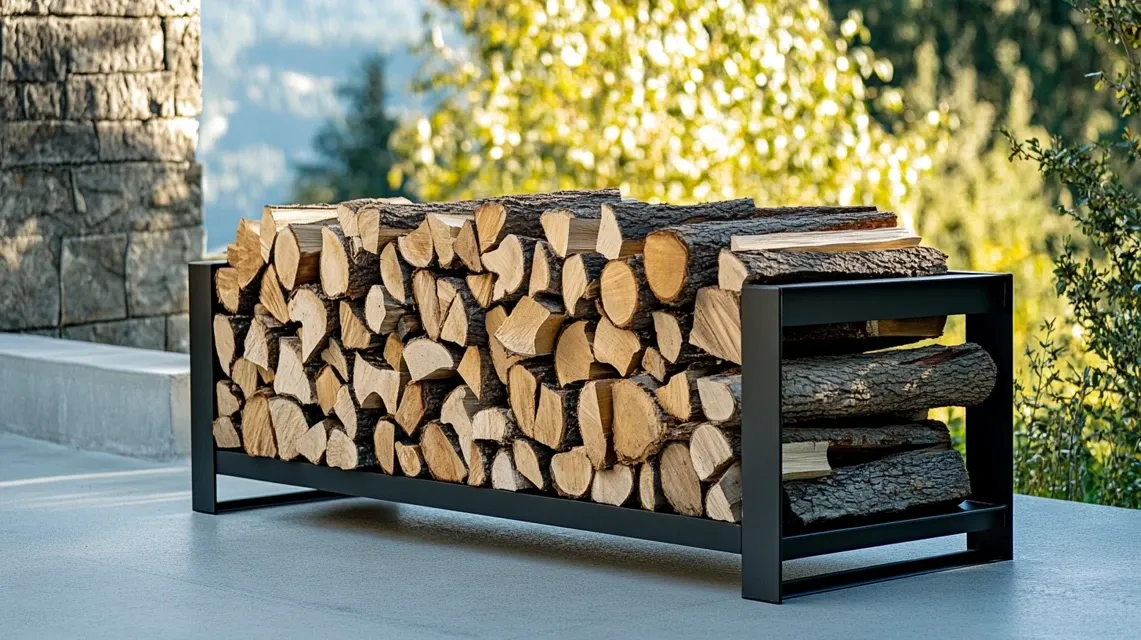
Using a firewood rack is a clean and easy way to stack wood, especially in small areas or near your house.
Racks are raised off the ground and come with side rails to hold the wood in place. Just fill the space between the rails with evenly cut logs.
This setup keeps the wood neat, off the ground, and safe from pests. It’s also ideal for people who want a low-effort stacking method that looks good and works well.
Essential Tools and Materials
Having the right tools makes stacking firewood easier and safer. Use pallets, a tarp or shed, gloves, a log carrier, and a sharp axe to stack, move, and protect wood properly.
Pallets or firewood racks: Keep the stack off the ground to allow air flow and prevent moisture buildup.
Tarp or shed: Cover only the top of the stack with a tarp, or use a shed to protect the wood from rain while still letting it dry.
Strong gloves: Protect your hands from splinters and rough wood while stacking or moving logs.
Log carrier: Helps you move several pieces of firewood at once with less effort.
Sharp axe: Useful for splitting large logs into smaller, easier-to-burn pieces before stacking.
Choosing Location for Firewood Stacking
Pick a sunny, dry spot a few feet from your home. Keep wood off the ground to avoid moisture, and let air flow around the stack for quicker drying.
1. Sun Exposure vs. Shade
Choose a spot where the sun can reach your wood during the day. Sunlight helps the wood dry faster, making it burn better and cleaner.
Avoid shady areas because they keep the wood damp for too long. Damp wood can grow mold, attract pests, and won’t burn well in your fireplace.
2. Drainage and Avoiding Ground Moisture
Don’t stack your firewood on wet or soggy ground. Moisture from the ground will move into the wood, making it harder to burn and more likely to rot.
Use bricks, wooden pallets, or anything that lifts the pile up. This lets air flow underneath and keeps water from getting trapped.
3. Proximity to Home or Fireplace
Keep your firewood close enough for easy access, especially during cold or rainy days. But don’t stack it right against your home.
Leave at least a few feet of space. This keeps bugs, mold, and moisture from reaching your walls or coming indoors, while still keeping the wood within reach.
Elevating and Covering Firewood
Keeping firewood off the ground is important. If the bottom logs sit in dirt or mud, they soak up water and start to rot. To stop this, raise your stack using pallets, bricks, or a metal rack.
Once stacked, cover only the top part. Don’t wrap the whole pile; wood needs air to stay dry. A tarp works well if set up like a roof, leaving the sides open.
Or, you can buy a firewood rack with a cover made for this job. Both work, but a good setup keeps your wood dry, clean, and ready to burn all year.
Stacking Firewood Indoors
Bringing firewood inside can be both useful and nice to look at. But it needs to be done the right way to keep your home safe and clean.
Decorative firewood storage can add a warm look to your space. You can use baskets, crates, or shelves to keep wood neat and easy to reach.
Stack it near your fireplace, but keep it off the floor and away from walls to prevent damage or mess.
For safety, only bring in small amounts of wood at a time. Always check for bugs before carrying wood indoors. Avoid stacking near heat sources, such as heaters or vents.
Keep the stack short and steady to prevent it from falling over. This keeps your space both safe and cozy.
Firewood Stacking Tips by Environment
When I stack firewood, I always think about the weather first. If you live somewhere cold, wet, or humid, you’ll need a different setup than in a dry area.
In cold areas, snow and ice can freeze your wood. Stack it under a strong cover that slants so snow slides off. Keep the stack off the ground using pallets or bricks.
Shovel around the stack often to keep snow from piling up and soaking into the bottom logs.
In damp areas, mold and rot are big problems. Choose a sunny, breezy spot for stacking. Don’t cover the sides; instead, let air move through the pile.
Raise the stack off the wet ground with pallets or blocks. Use a roof or tarp on top to keep rain off without sealing in moisture.
Common Mistakes to Avoid
Avoid these simple but common mistakes to keep your firewood safe, dry, and easy to use:
- Overstacking or leaning piles: Too much wood in one spot can make the stack fall. Keep it even and don’t stack too high.
- Poor ventilation: Tight stacks with no space between logs trap moisture. Let air flow through.
- Covering the stack completely: Don’t wrap it up. Only cover the top so air can still dry the wood.
Final Thoughts
Now that you know how to stack firewood correctly, you’ll get cleaner burns, drier wood, and fewer headaches when it’s time to light a fire.
I’ve learned that small steps, like picking the right spot and using simple tools, can make a big difference.
You’ve also got tips to avoid the mistakes I made early on, whether you’re stacking inside, outside, or in a shed.
Want more real-life tips that actually help around the house? Check out the rest of my blogs on the website for simple guides you can use every season.