
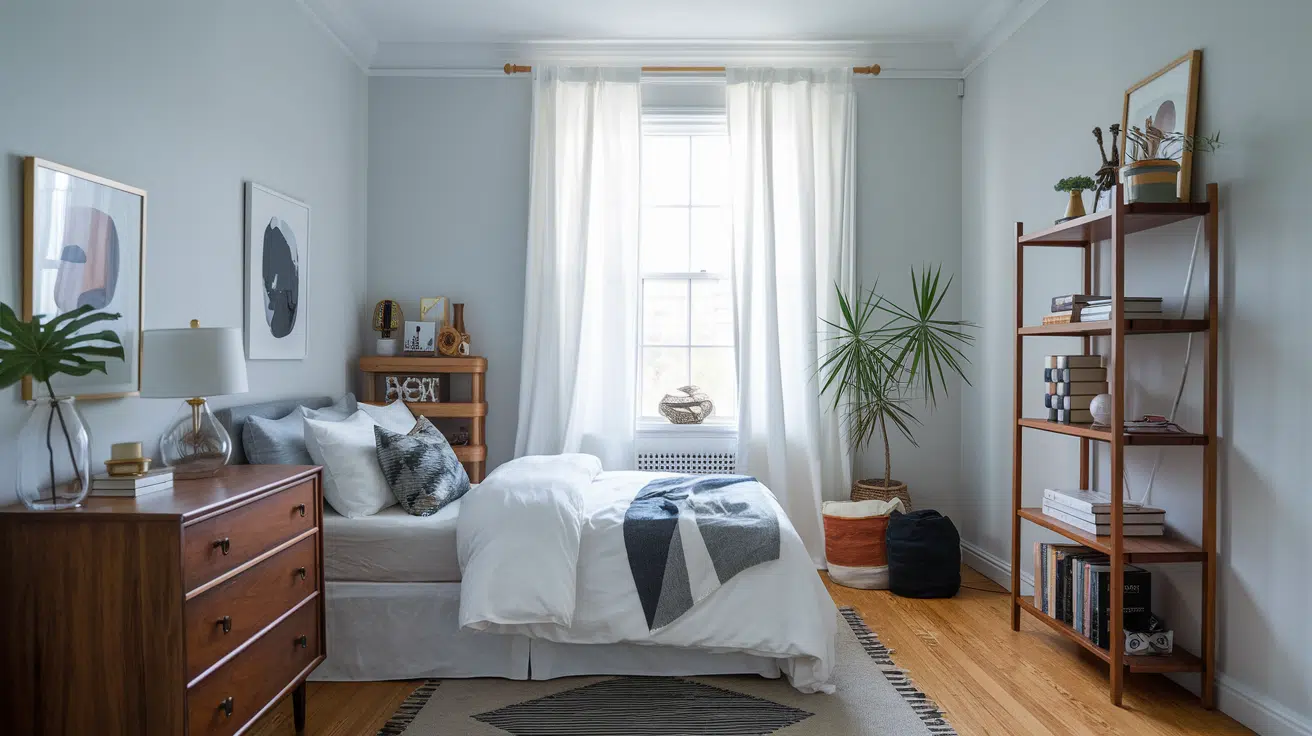
11 Small Bedroom Ideas : Stylish & practical
Creating a stylish bedroom in a small space involves finding the right balance between visual appeal and practical function.
Many people think limited square footage means compromising on design, but a compact bedroom can be both attractive and useful with thoughtful planning.
Small rooms require careful consideration of furniture placement, storage solutions, and color choices.
The goal is to craft a personal retreat that feels spacious while reflecting your individual taste. This doesn’t mean following every trend, but rather selecting elements that work together harmoniously within your constraints.
The following sections will show you practical approaches to turn your small bedroom into a comfortable and visually pleasing space without sacrificing functionality or comfort.
Aesthetic Bedroom Ideas for Small Spaces
Designing a bedroom in a limited space doesn’t mean sacrificing style for function. These ideas show how different approaches can change compact rooms into beautiful spaces.
1. Pastel Dream Bedroom
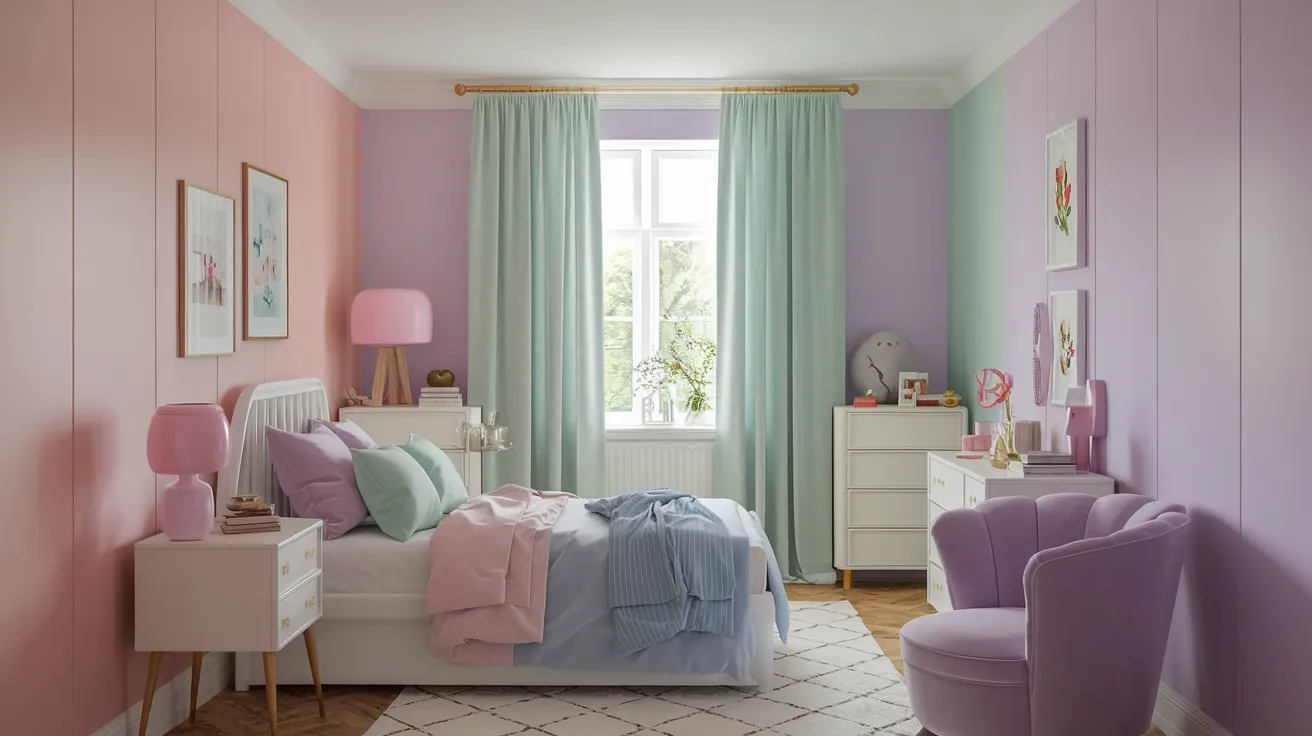
A pastel color scheme featuring soft blush pink, mint green, lavender, and baby blue can make small rooms feel more open and airy.
For maximum effect, pair pastel walls with neutral furniture to maintain a sense of openness and calm. White furniture provides excellent contrast and balance.
Complete the look with light curtains that allow natural light to filter through, soft bedding that invites relaxation, and coordinating pastel accessories like throw pillows and blankets to tie the room together.
2. Monochrome Style Bedroom
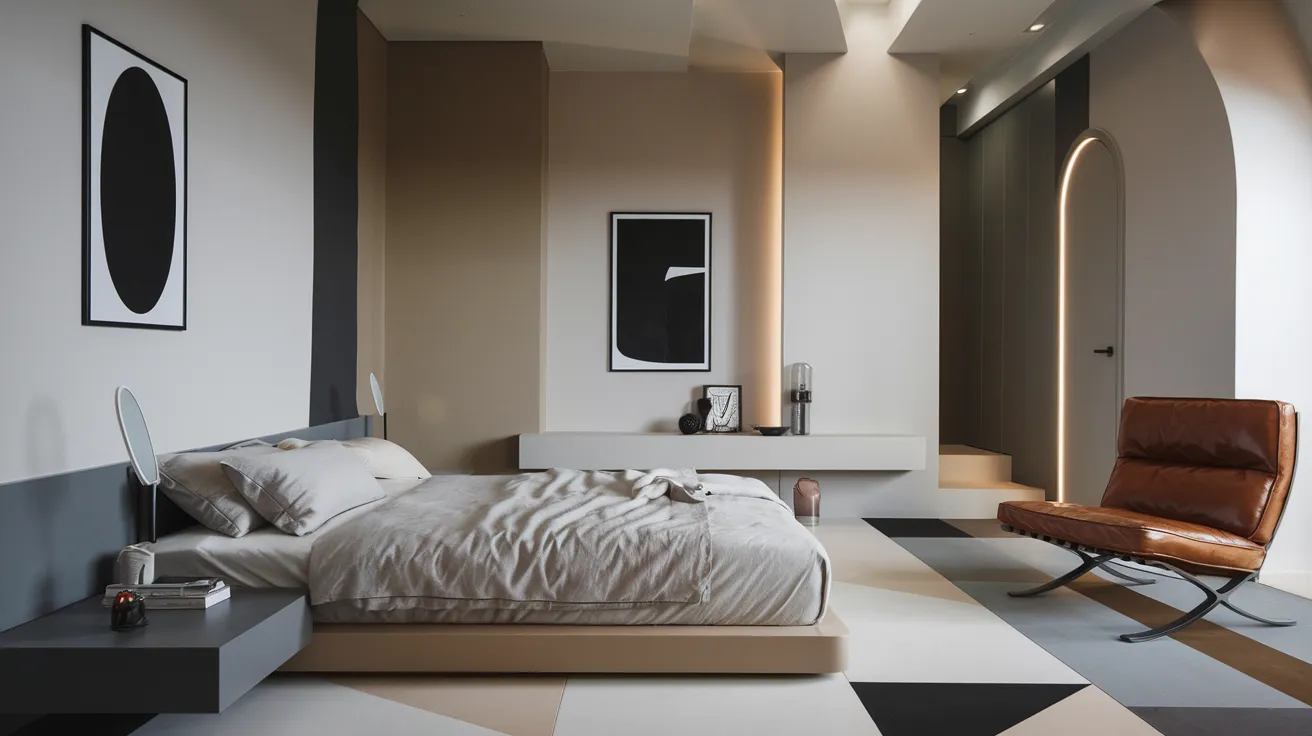
Using various shades of a single color—whether white, gray, or beige—creates a cohesive, modern appearance that works well in limited spaces.
To avoid a flat, lifeless look, incorporate different textures throughout the room. Mix matte and glossy finishes, or combine soft linen sheets with a sleek leather chair.
These features, white walls as a base, gray bedding for depth, and simple black-and-white artwork that adds interest without visual clutter.
3. Japandi Style Bedroom
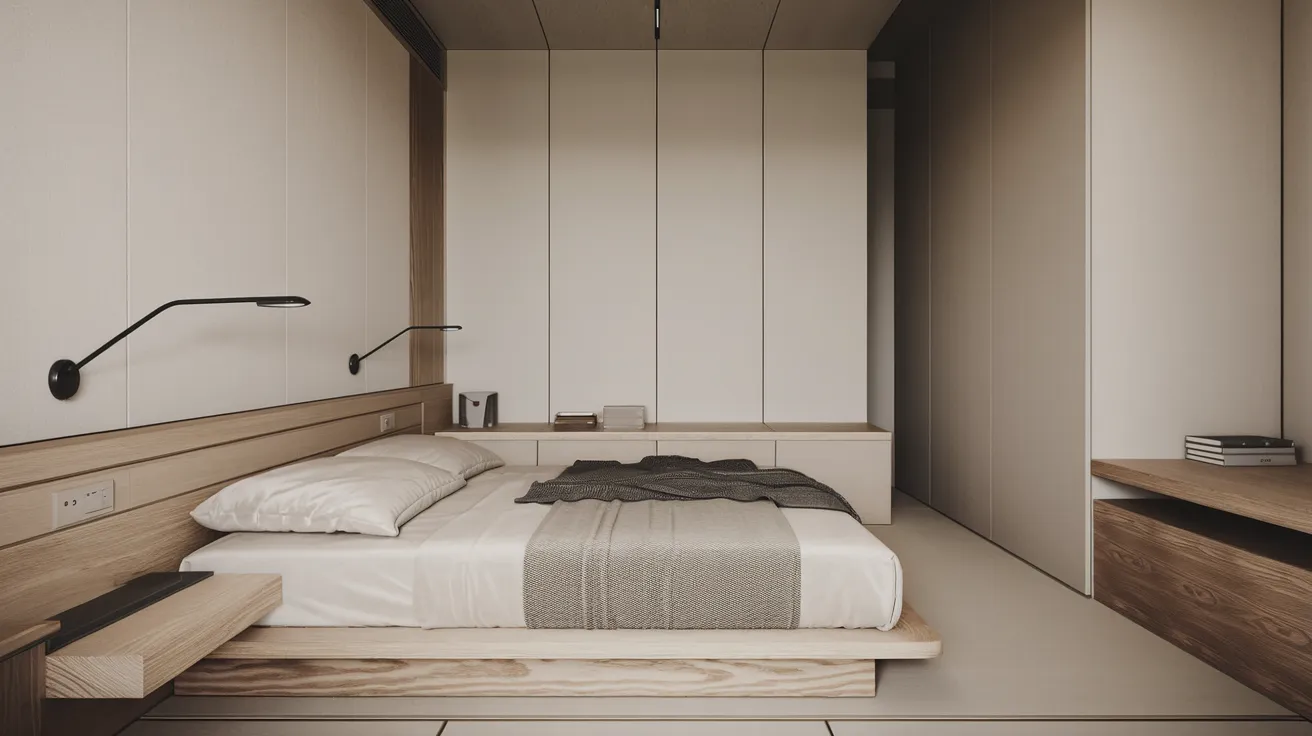
This fusion of Japanese minimalism and Scandinavian functionality centers on neutral colors like light beige, taupe, and charcoal, complemented by natural wooden elements.
The design philosophy emphasizes clean lines, low-profile furniture, and surfaces free from clutter.
Key components include simple, unadorned bedding, wooden bed frames with minimal detail, and functional furniture pieces that serve practical purposes while maintaining visual simplicity.
4. Boho Chic Bedroom
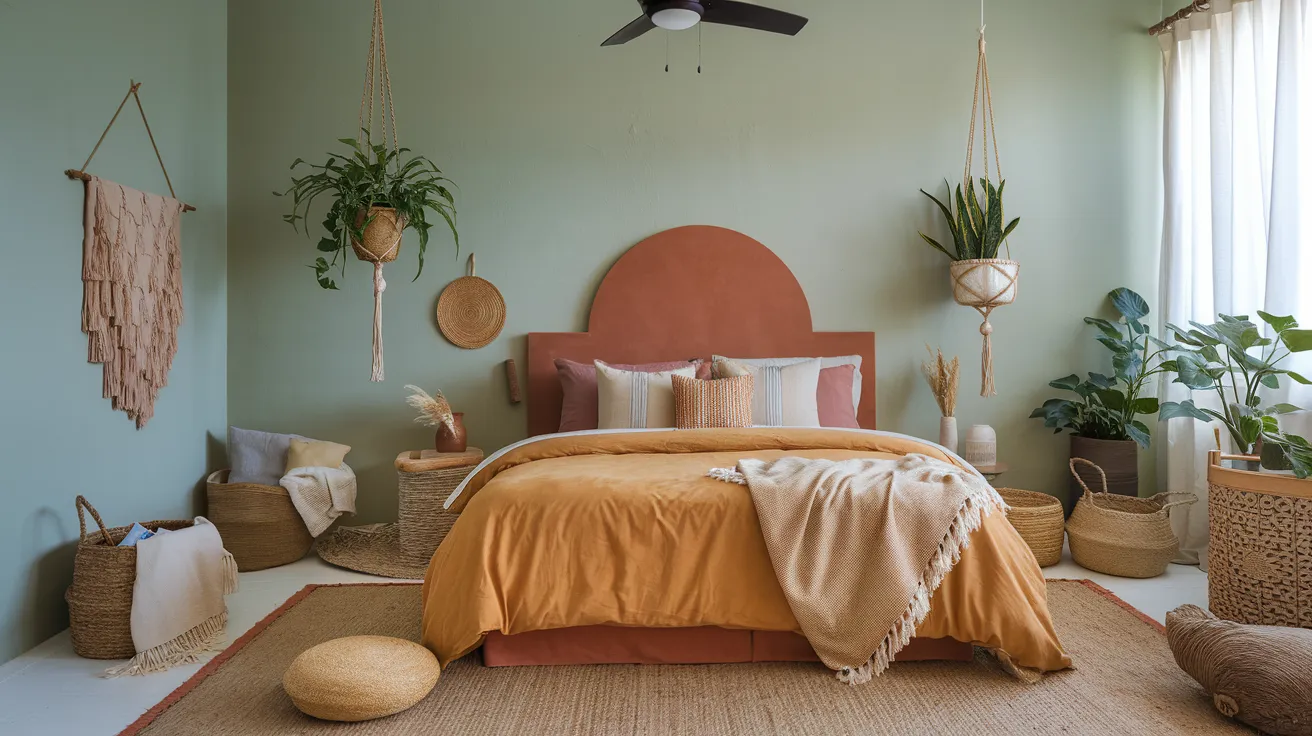
Earthy tones such as terracotta, mustard, ochre, and soft greens form the foundation of this free-spirited style.
Layering different textures is essential—incorporate rugs, throws, and pillows made from natural materials like jute, wool, and cotton. Adding plants creates a lived-in, organic atmosphere.
Signature elements include woven storage baskets that combine function with style, macramé wall hangings that add texture without taking up floor space, and vintage furniture pieces that bring character to small rooms.
5. Urban Jungle Bedroom
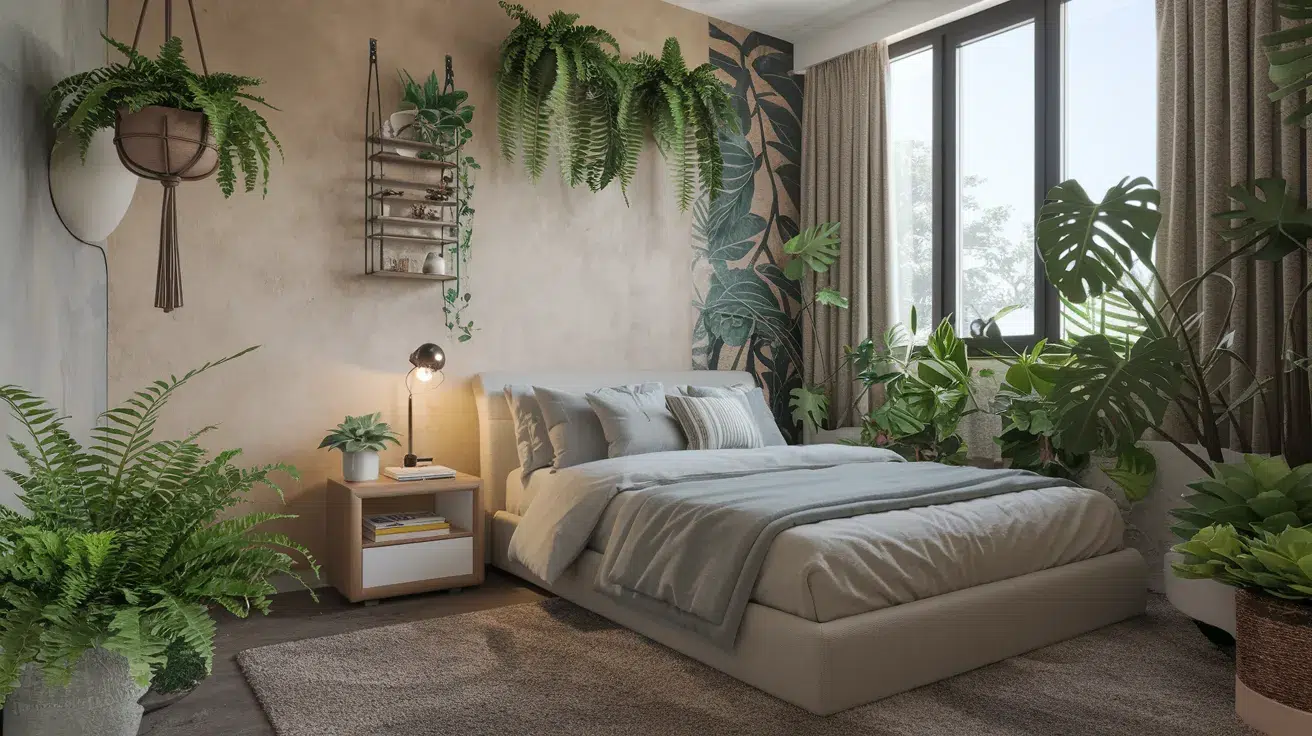
This nature-inspired style combines lush greens with neutral backgrounds and occasional bright color accents.
The key is incorporating various indoor plants, such as ferns, succulents, and hanging vines, throughout the space. Use neutral-colored furniture to allow the greenery to stand out as the focal point.
Essential features include strategically placed plant shelves that utilize vertical space, hanging planters that add dimension without consuming floor area, and an abundance of greenery that brings life and improved air quality to the room.
6. Minimalist Black and White Bedroom
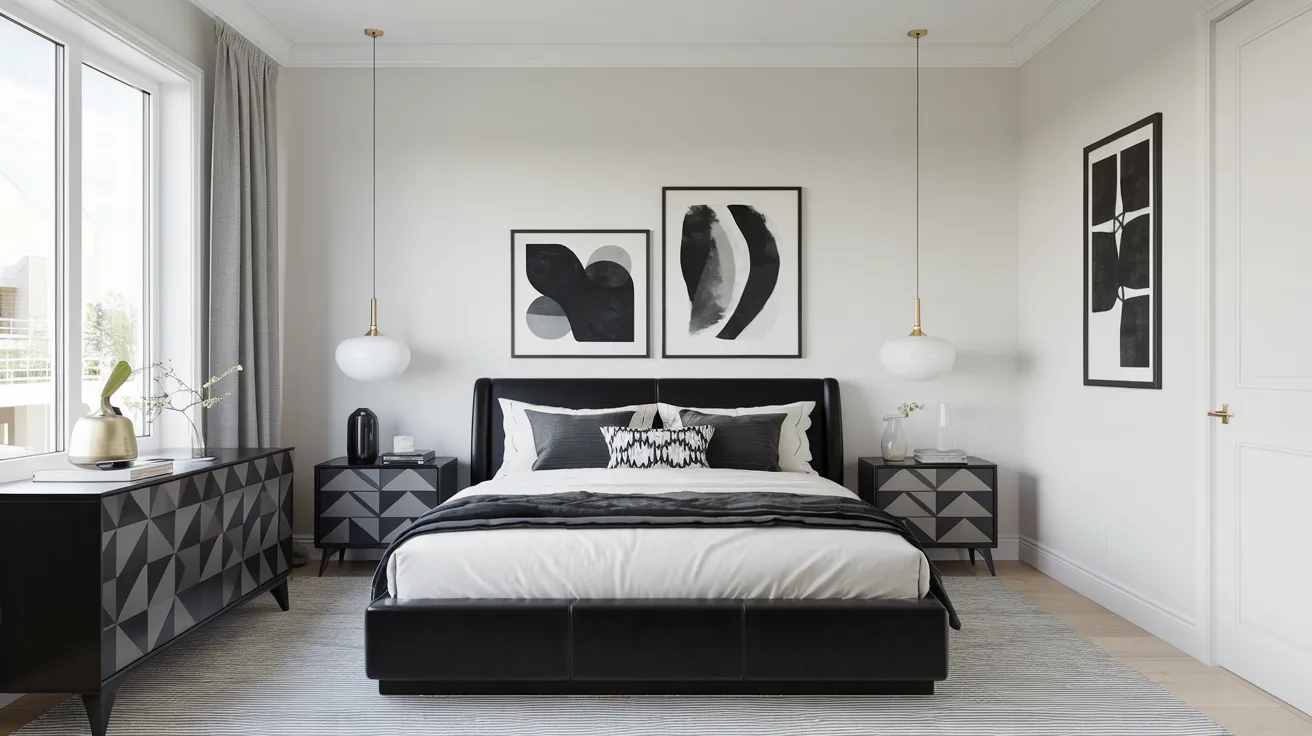
This clean, contemporary style relies on a limited palette of black, white, and gray shades. Keep furniture selections sleek and uncomplicated, with an emphasis on functional pieces that don’t overwhelm the space.
Incorporate geometric patterns or strategic black accents against white backgrounds for visual interest.
The look typically features white walls that maximize the sense of space, a statement black bed frame that anchors the room, minimalist wall art, and simple bedding that maintains the uncluttered aesthetic.
7. Vintage-Inspired Bedroom
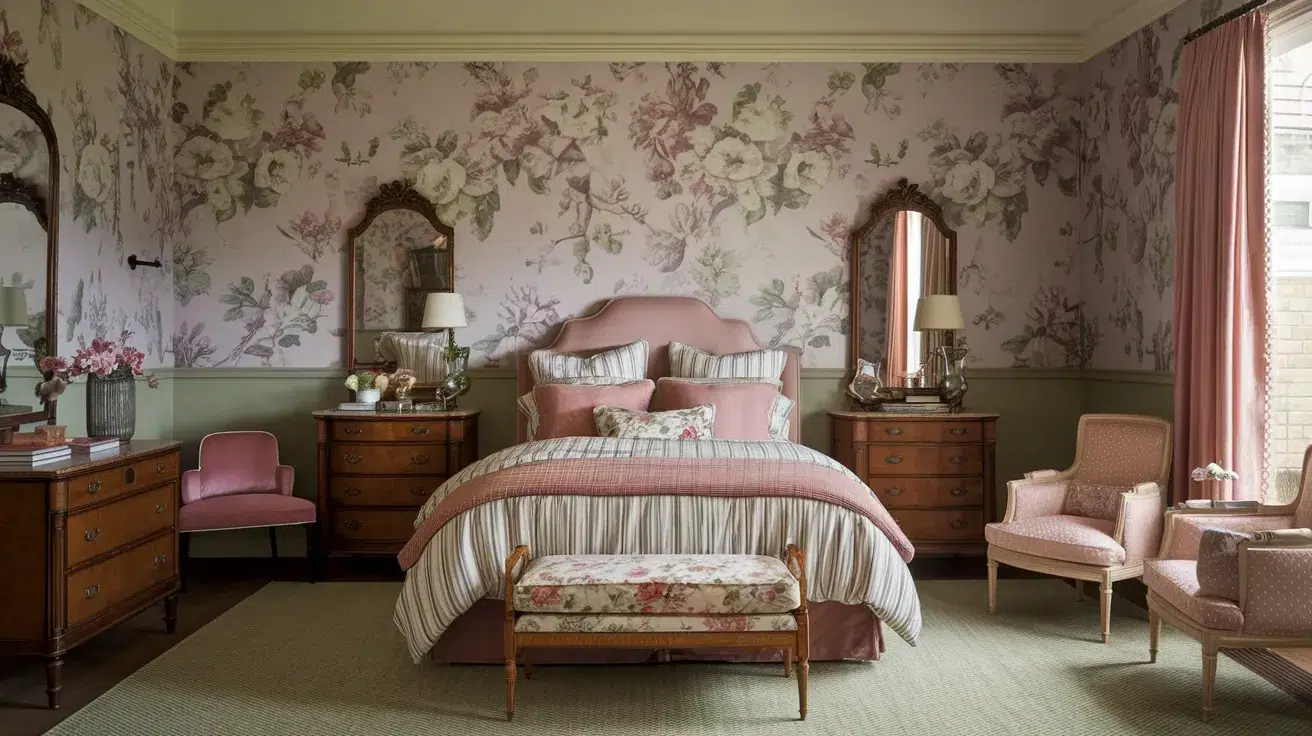
Soft, muted colors like dusty rose, pale blue, or sage green paired with wooden furniture create a nostalgic atmosphere in small spaces.
The approach involves thoughtfully combining genuine vintage pieces with modern elements for a balanced look. Floral or striped bedding adds pattern without overwhelming the room.
Characteristic elements include carefully selected antique furniture, subtle floral wallpapers that add character without making the space feel smaller, and vintage mirrors that both serve a function and act as decorative focal points.
8. Scandinavian Hygge Bedroom
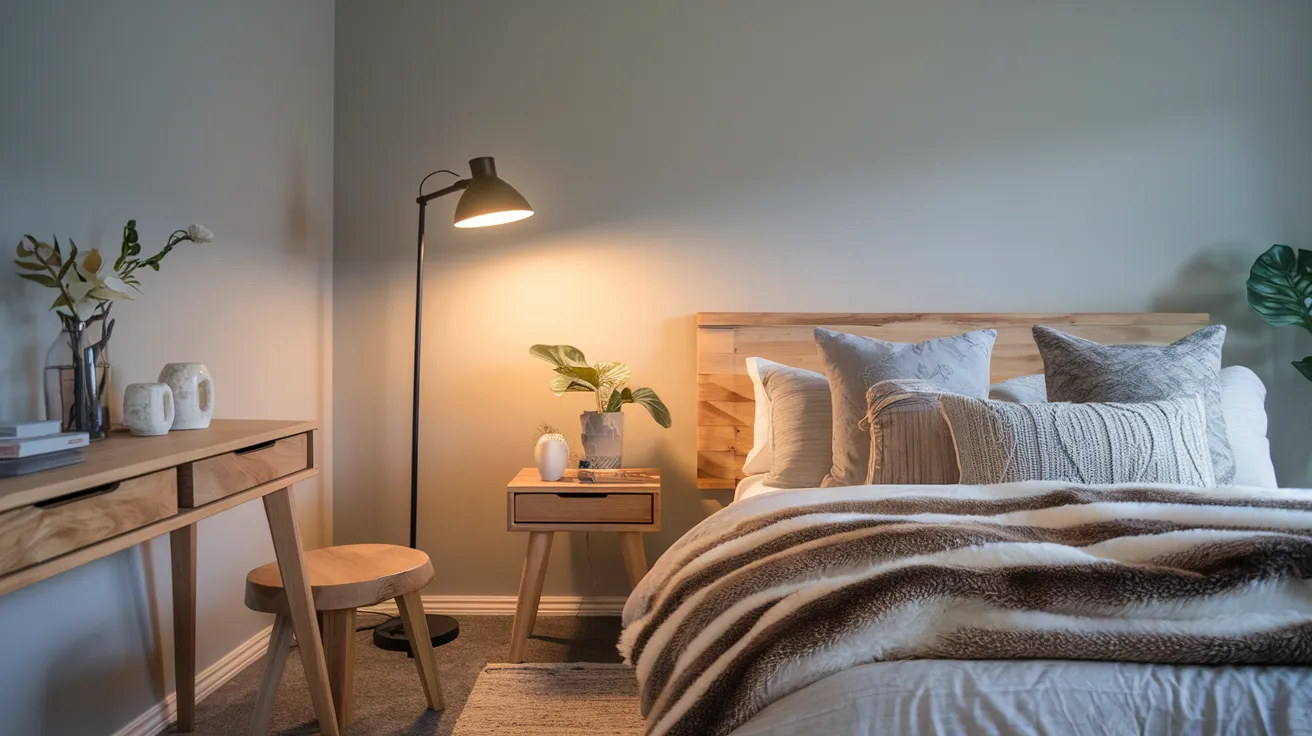
This comfort-focused style centers on soft whites, light grays, and warm wood tones that make small spaces feel more open and inviting.
The emphasis is on creating a cozy, welcoming environment through soft textiles like faux fur throws, plush bedding, and knitted pillows.
The room should feel light yet warm. Key components include gentle, ambient lighting options, natural wood furniture with clean lines, and multiple layers of textiles that add depth and comfort without bulkiness.
Functional Bedroom Ideas for Small Spaces
When working with limited bedroom space, combining functionality with visual appeal becomes essential. The right design choices can turn a cramped area into a practical, attractive room that meets all your needs without feeling confined.
9. Lofted Bed for Extra Space
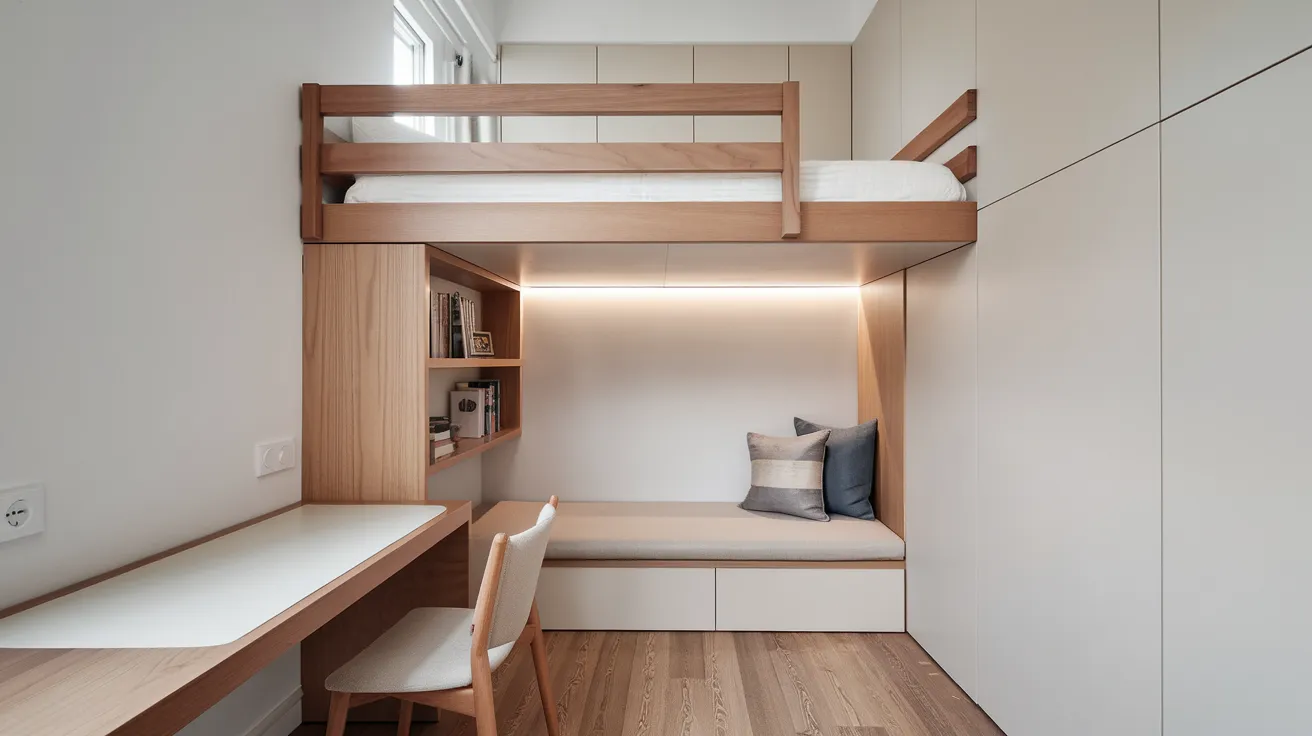
A lofted bed design effectively doubles your usable floor area by raising your sleeping space. Position your bed at an elevated height to create room beneath for a compact desk, reading nook, or storage solutions.
Choose a sturdy frame with a safe ladder or stairs for access. This approach works best with clean, uncluttered design elements to prevent the vertical arrangement from feeling cramped.
10. Built-In Storage Solutions

Custom storage that integrates with your room’s architecture maximizes otherwise wasted space. Install shelving in alcoves, add recessed cabinets, and create storage in unexpected places like above doorways or around windows.
Under-bed drawers, wall-following shelves, and mounted furniture pieces provide substantial storage without consuming floor space, allowing for better movement throughout the room.
11. Floating Furniture Pieces
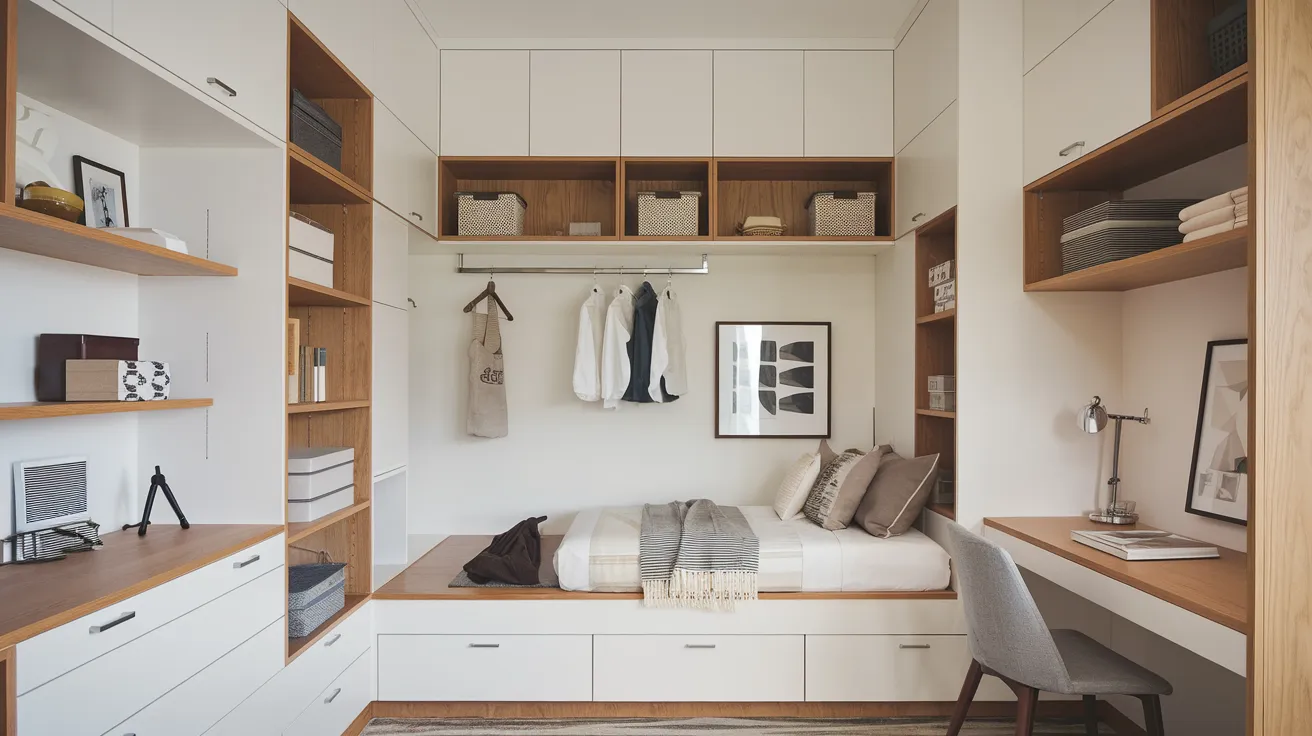
Wall-mounted furniture creates openness by keeping floor space visible and unobstructed. Attach desks, shelves, and nightstands directly to walls for an airy feel and easier cleaning.
Wall-mounted shelving units and floating nightstands provide necessary function without the visual weight of traditional furniture, contributing to a modern, spacious appearance despite limited square footage.
Additional Tips for Small Bedroom Design
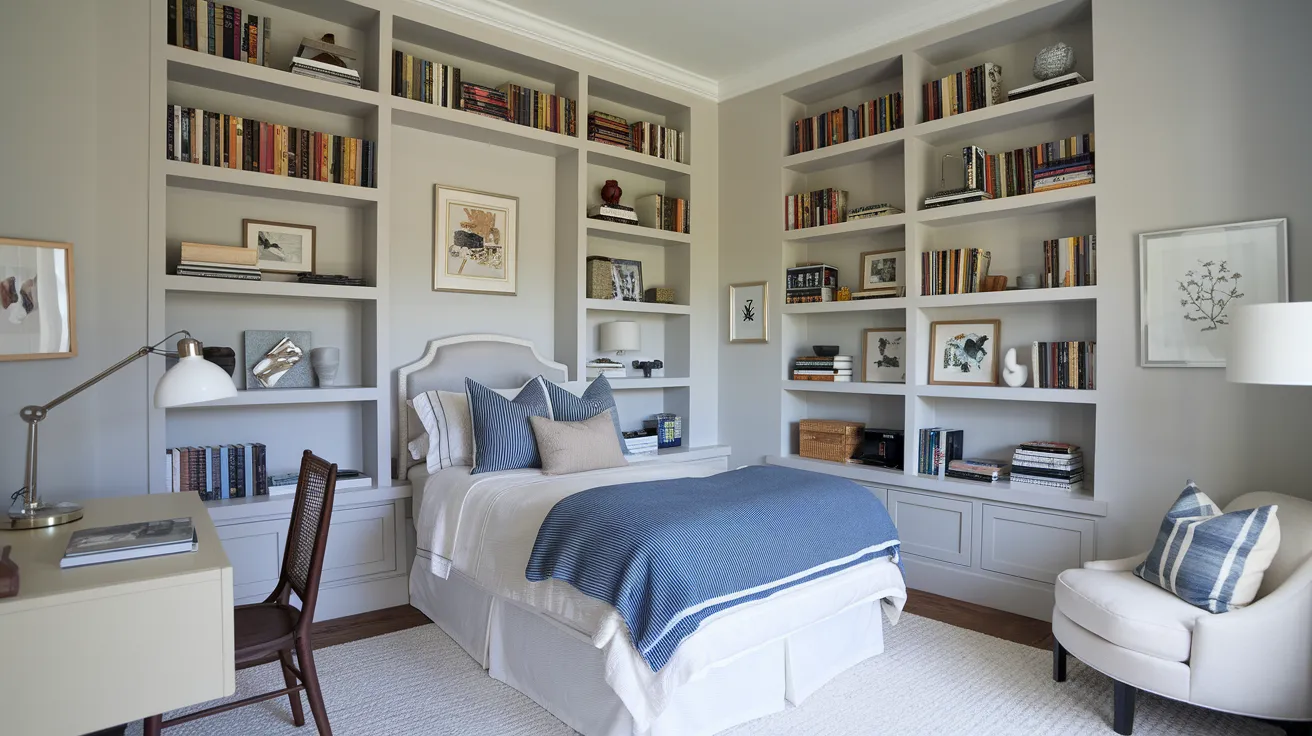
Creating a functional and visually appealing small bedroom involves more than just furniture selection and color choices. These additional considerations can help change limited square footage into a space that feels both comfortable and personal.
1. Choosing the Right Furniture
Selecting appropriate furniture is crucial for small bedrooms. Look for pieces with built-in storage like beds with drawers underneath or headboards with shelving.
Consider furniture that can serve multiple purposes, such as a desk that doubles as a vanity or a bench with storage that works as seating and extra space for belongings.
Choose proportional pieces that fit your room without overwhelming it, paying attention to height, width, and visual weight to maintain balance.
2. Color Psychology in Small Bedrooms
Colors significantly impact how spacious a room feels. Light, cool tones like soft blues, greens, and lavenders tend to recede visually, making walls appear farther away.
Creating a monochromatic scheme with varying shades of one color can establish a sense of cohesion and space.
Use darker colors sparingly as accents rather than on large surfaces. The right color choices create both visual spaciousness and the appropriate emotional atmosphere for restful sleep.
3. DIY Bedroom Decor Projects
Personalized decor adds character without requiring much space. Create custom artwork sized specifically for your available wall areas.
Make fabric headboards that add texture without depth. Craft wall-mounted jewelry organizers or hanging planters that utilize vertical space.
Repurpose items like vintage crates for shelving or storage. These projects allow you to express your style while addressing the specific spatial needs of your room.
4. Seasonal Bedroom Updates
Refreshing your bedroom seasonally creates variety without major renovations. Swap bedding and throw pillows for lighter options in summer and warmer, cozier textiles in winter.
Change window treatments seasonally to adjust light and temperature regulation. Update small decor elements like candles, artwork, or small accessories to reflect the current season.
These simple changes provide visual interest throughout the year without requiring storage for multiple furniture pieces.
5. The Role of Plants in Small Bedrooms
Plants contribute significantly to small bedroom environments. Choose varieties appropriate for your light conditions and available space.
Consider hanging plants or wall-mounted planters to avoid using the floor or surface area. Select species known for air-purifying qualities to improve room air quality.
Use plants of varying heights to create visual interest and dimension. Living elements bring texture, color, and improved air quality to compact spaces.
6. Smart Tech for Small Bedroom Efficiency
Smart technology offers particular benefits for small spaces. Voice-controlled assistants can manage lighting, temperature, and entertainment without physical controllers.
Smart storage solutions with hydraulic systems maximize space efficiency. Automated window treatments can be programmed for optimal light throughout the day.
Connected alarm systems integrate multiple functions into a single device. These technologies enhance functionality while reducing the physical footprint of traditional solutions.
Maintenance Tips for Small Bedrooms
Regular maintenance prevents small spaces from feeling cramped or disorganized.
- Implement a daily five-minute tidying routine to maintain a basic level of order.
- Regularly assess items for continued usefulness and remove those no longer serving a purpose.
- Clean from top to bottom, addressing dust on high shelves before moving on to lower surfaces.
Maintain a “one in, one out” policy for new purchases. These practices help preserve the functionality and visual appeal of compact bedroom spaces.
Conclusion
Small bedroom design requires thoughtful planning, but size limitations don’t have to restrict style. Focus on maximizing vertical space, choosing multifunctional furniture, and selecting color schemes that create an open feel.
Remember that creating your ideal bedroom is a personal process. Mix elements from different aesthetic styles to match your preferences and needs.
Start with one area at a time, adding pieces that serve both practical and visual purposes.
Your small bedroom can become a comfortable, stylish sanctuary that perfectly reflects your personality with the right combination of function and design.
Looking for more space-savvy ideas? Read our other blogs for smart, stylish tips to make the most of every inch of your home.
Frequently Asked Questions
Can I incorporate my personal style in a small bedroom without making it feel cluttered?
Yes, focus on fewer, meaningful items rather than many small pieces. Choose dual-purpose décor, use vertical space for personal touches, and be selective about what you display.
Can I incorporate bold colors in a small bedroom?
Absolutely. Use bold colors strategically as accents on a single wall, in bedding, artwork, or accessories. Balance them with neutral tones.
What type of lighting is best for small bedrooms?
Layered lighting works best: combine ambient overhead lighting with task lighting like adjustable wall sconces or reading lamps, and accent lighting to highlight features.


