7 Things to Fix Before You Finish Your Basement
Finishing a basement adds real living space to your home, but it is also one of the easiest projects to get wrong. Most basements fail because of problems that were hiding behind the drywall the whole time. Flooring and design choices are not always the culprit. If you’re renovating or remodeling your home, check these seven things first before picking paint colors.
Why Basement Preparation Matters
New drywall and flooring can make a basement look great, but they can’t fix what is behind them. A small crack or a damp corner is cheap to repair right now. If you find that same problem after your basement is finished, you will be tearing out materials you just paid for. Your basement also sits underground against wet soil. It stays cooler and holds moisture much longer than the rooms above it, so don’t treat it like any other room.
What to Handle Before the Drywall Goes Up
Here are seven things you should consider fixing before finishing your basement revamp:
1. Wall Cracks and Bowing
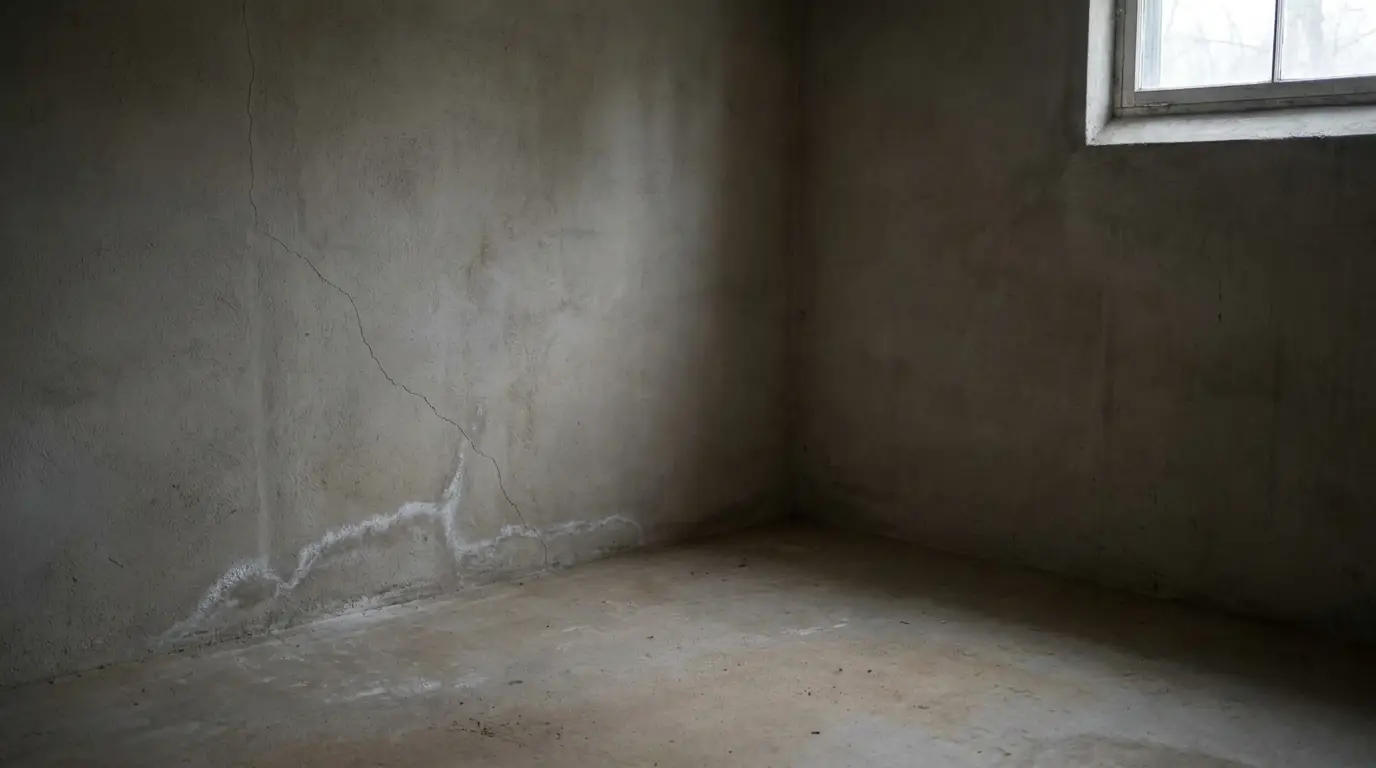
Look for cracks wider than a pencil and walls that lean inward. Also, watch out for gaps where the wall meets the floor. These signs mean the soil outside is pushing against your walls, and that pressure does not go away on its own.
Reliable foundation repair Des Moines company can tell you whether the wall needs support before you cover it. Get this checked first, or the rest of your work is wasted.
2. Water Intrusion and Seepage
Observe the basement right after a heavy rain. Wet patches, stains near the bottom of the wall, or a white powdery film all mean water is finding a way in. In most cases, painting a sealer on the inside wall doesn’t solve this. The water still needs somewhere to go, which usually means installing efficient drainage and a sump pump.
3. Musty Odors and Humidity
That basement smell is moisture in the air caused by mold. A dehumidifier helps, but it only addresses the aftereffects, not the actual source. So, find where the moisture is coming from first. Usually, it traces back to one of the other items on this list.
4. Uneven or Sloping Floors
Roll a marble across the floor. If it rolls the same direction every time, you have a slope. Uneven concrete makes flooring installation difficult and may indicate that the ground underneath has settled. Level it before you lay anything down.
5. Egress Requirements
If you want a bedroom in your basement, egress windows are not optional. Building codes require every basement bedroom to have a window big enough to climb out of during a fire. Plenty of people learn this during inspection, which is the worst possible time. Check the rule before you frame the walls because cutting a window into a finished wall is a job you only want to do once.
6. Exterior Drainage and Grading
Most basement water problems start in the yard. Walk around the house and check that the ground slopes away from the walls, not toward them. Now, look at the downspouts. If they dump water right next to the house, add extensions. Moving that water six feet out is one of the cheapest fixes on this list.
7. Insulation and Air Sealing
Insulation comes last, but it decides whether the room feels finished or just covered. Seal the gaps along the top of the basement walls and insulate properly. The space will hold its temperature instead of fighting for it all winter.
How Do You Know If Your Basement Is Ready?
Once you’ve implemented all the above steps, look for these signs to ensure your basement is 100% ready:
- Cracks that have gotten wider since you last looked
- Wet spots that come back after every rain
- A persistent smell even with the door open
- Sticking basement doors or windows
- White powdery buildup on the concrete
- Standing water near the floor drain
You can judge some of these signs on your own, while others may need professionals who can easily identify early problems. A free inspection from a reliable foundation repair company takes about an hour. The experts can tell you where you stand before you spend a dollar on materials.
Follow the Right Order
The order matters as much as the work itself. Structural repairs come first, since they make the biggest mess. There is no point sealing a wall you might have to open up again a month later. Drainage and sealing only work once the walls holding them are stable. Insulation follows, and finishes go last. Drywall, flooring, and paint should be the final things that touch the space.
Endnote
A finished basement should last for decades. That only happens when the space underneath it is solid. Work through these seven checks before you buy a single sheet of drywall. Some you can handle yourself in a weekend, and the rest are worth a professional opinion. Don’t hesitate to seek professional help whenever you’re unsure about anything.