4 Ways Blocked Drainage Can Damage Your Home
If your home’s drainage has been working just as well since it was put in place, you may not understand the extent of damage a blocked drainage system can cause. A properly functioning drainage system allows soap and water to flow smoothly through your plumbing pipes, keeping your home safe. However, over time, your sink water may change color or develop an odor, and it may take unusually long to drain, an indication that you may have a clogged drainage.
If these early signs of blocked drainage are ignored, the clog might worsen over time, leading to even more serious problems in your drainage system. Below, we’ll look at four ways blocked drainage can damage your home and how you can avoid it.
Foundation Damage
Ideally, the foundation is protected by creating a sloped grade away from the house to prevent water from reaching it. However, when there’s a blockage in your drainage system, water that is supposed to flow away safely can back up into your foundation, destroying it. Water can infiltrate the soil next to your foundation, causing it to contract and expand, and increasing pressure on the foundation.
Over time, the increased pressure on your foundation can cause its walls and floors to crack, compromising your home’s structural integrity. You can protect your home’s foundation from extensive damage by removing all the obstructions in the drainage system as soon as you spot the clog.
You must also consult local plumbers, who understand how to conduct efficient foundation inspections to assess damage and offer reliable remedies to save your home. For instance, a Glendale plumbing company can be handy if you have a drainage issue affecting your foundation.
Slow or Stagnant Water Movement
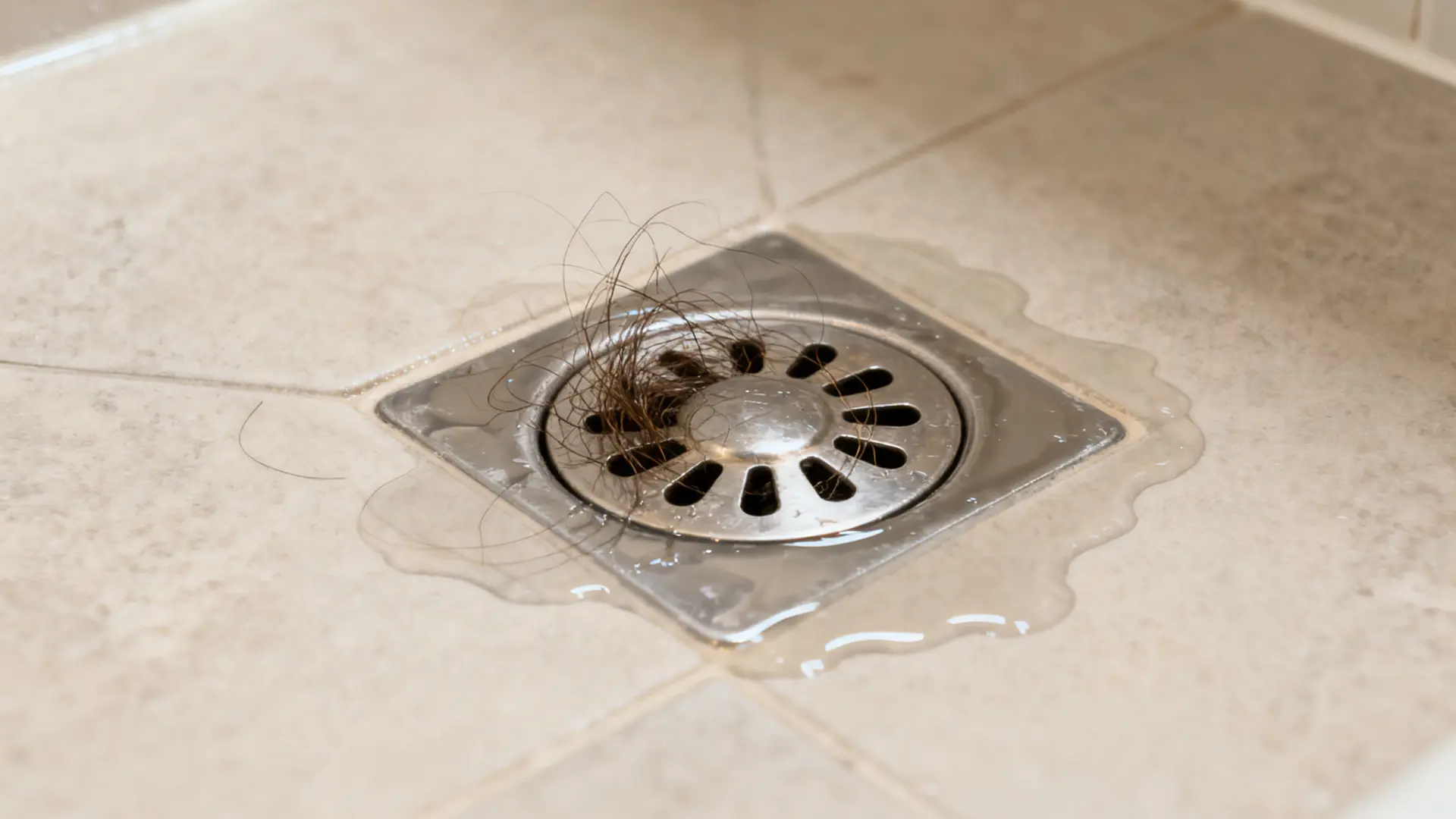
Your kitchen sink or toilet’s drainage pipes can clog over time, causing water to back up into your house and leaving behind bad odors and water damage. Debris from food, hair, and other materials always gets stuck in the pipes and builds over time, creating a more solid clog. Since this annoying problem occurs deep inside the pipe, it’s often challenging to remove the clog early in the process.
Besides the bad odor from stagnant water in your sink or toilet, it can also attract bacteria and germs, exposing your family to disease. Various hazardous bacteria, such as Cholera, Salmonella, E. coli, Shigella, and intestinal Amoebas, can be found in these blocked drains. Exposure to these bacterial infections can cause symptoms such as fever, vomiting, stomach cramps, and diarrhea.
In worst-case scenarios, blocked drains can cause sewage to back up into your home through the toilet, releasing harmful gases. Some of these gases include methane, carbon monoxide, sulfur dioxide, and chlorine. These gases can cause harmful damage to your health, which is why action should be taken immediately.
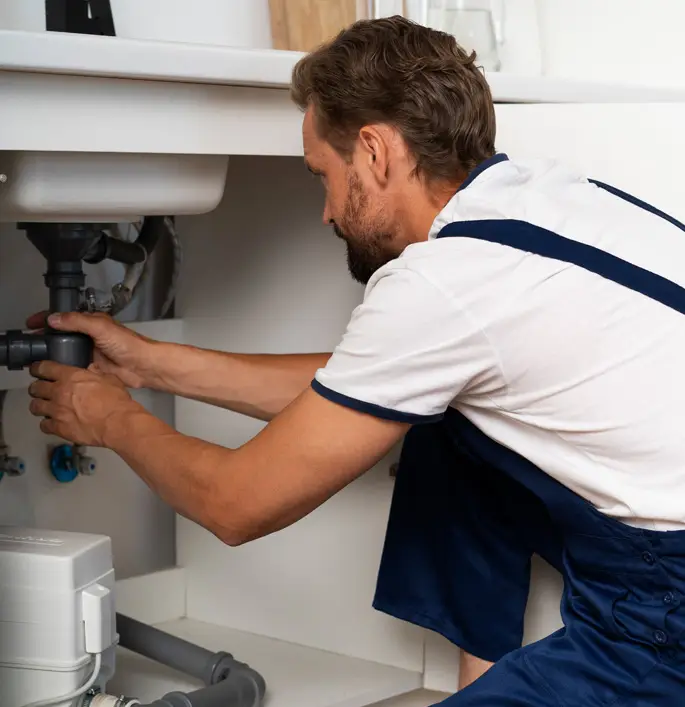
You can use a snake or plunger to restore your drainage’s primary function as early as you notice signs of water stagnation or slow movement. However, if the DIY approach feels too untidy and uncomfortable for you, you should seek help from your plumber as fast as possible.
Aesthetic Damage
Preserving your home’s exterior and interior aesthetics is important for maintaining its visual appeal. Visitors often look at the floor and walls when assessing a house’s quality and visual appeal. It’s even more crucial when listing your home for sale, as poor aesthetics can discourage potential buyers or lead them to offer a lower price.
When water backs up into your drainage system due to clogs and blockages, your walls and floors may suffer aesthetic damage. This happens when water is left stagnant on the floors or in contact with the walls for a long time. When the water finally receded, it left behind stains and spots on the walls, deteriorating their aesthetic quality.
In some instances, harmful mould and mildew can grow in these wet areas, causing severe allergic reactions among family members or visitors with sensitive respiratory systems. Always ensure these areas are inspected for any water damage and are kept in tip-top shape. Drain any blocked drainage systems that cause your walls to stain, and ensure similar issues don’t arise again or go unattended for long.
Mosquito Infestation
Stagnant water in clogged or blocked drains creates a perfect environment for mosquitoes to lay eggs, both inside and just outside your house. Mosquitoes breed in large numbers, and once their eggs hatch, the resulting mosquitoes can be a menace to manage. It will take consistent effort to prevent the irritating insects from invading your rooms and even spreading diseases.
Allowing mosquitoes into your space can spread diseases such as malaria, dengue fever, yellow fever, and chikungunya. They also cause painful bites that could leave you scratching and harming your skin, further complicating your comfort and health. The best way out of this insect-invasion problem is to ensure stagnant water is drained as early as possible to deny the mosquitoes a breeding chance.
While blocked drainage can seem like a small issue at first, leaving it unresolved for extended periods can cause expensive damage to your home. The above four damages are just examples of how a blocked drainage system can wreak havoc in your home if nothing is done in time.