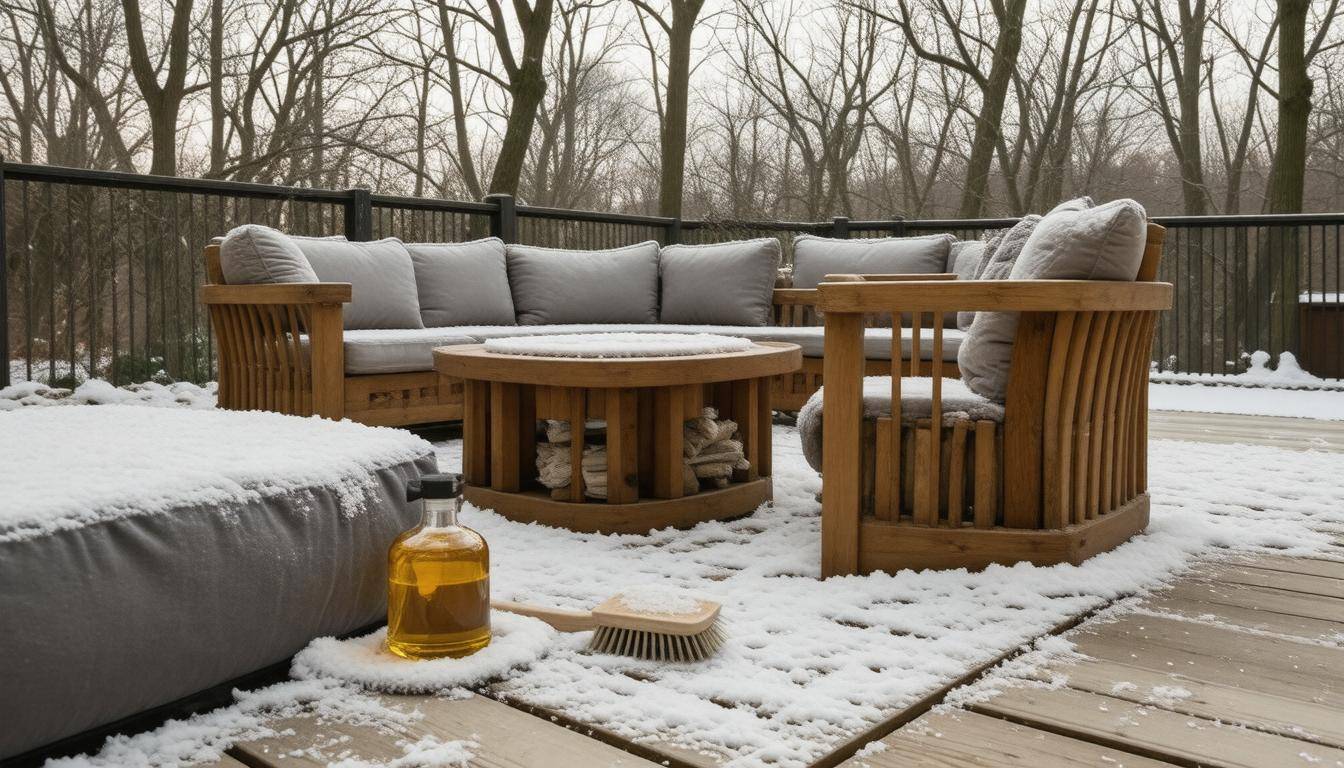
Winter-Proof Your Teak Outdoor Furniture: The Ultimate Checklist to Protect It
When winter rolls around, your beautiful teak outdoor furniture faces more than just cold weather—it faces moisture, frost, and grime that can slowly wear it down. Taking a little extra time to prepare your teak before the first freeze can save you from headaches and costly repairs later.
I’ve learned firsthand that a solid winter-proofing routine keeps teak looking great and feeling sturdy season after season, making sure your outdoor space stays welcoming no matter the weather. Let’s walk through the essential steps to protect your teak furniture through those chilly months ahead.
To winter-proof your teak outdoor furniture, start by thoroughly cleaning it to remove dirt and mildew. Next, apply a high-quality teak wood sealer to create a waterproof barrier that prevents moisture from entering and causing freeze-thaw damage. Finally, cover the furniture with heavy-duty breathable covers or store it in a sheltered area to protect against snow, ice, and debris throughout the winter months.
Thoroughly Clean Your Furniture
Start by stripping off every cushion and accessory to truly expose the wood. Use a soft-bristle brush—not something abrasive—that can reach into the cracks and joints without scratching the delicate surface. This initial step is crucial because dirt and leaves trapped in corners often harbor moisture, which speeds up wear during cold months. You want to give your teak a clean, bare canvas before introducing any treatments.
Need stain-by-stain steps? Here’s how to clean teak patio furniture without damaging the grain.
Step II – Mix a Cleaning Solution
Once your furniture is free of visible debris, it’s time to whip up the perfect cleaning brew. Warm water works best since it helps dissolve oils and dirt more easily than cold water. Add a mild detergent—something like dish soap with gentle formulations—or better yet, use a cleaner designed specifically for teak wood.
These specialized products often contain oxalic acid or natural enzymes that break down mildew stains without harming the wood’s natural oils. Keep in mind that harsh chemicals or bleach should be avoided because they can strip away teak’s inherent protective oils.
Step III – Scrub and Rinse
Now comes the careful part: scrubbing. Dip a soft sponge or non-metallic brush into your solution and gently work it over every surface of the furniture. This step allows the cleaning agents to penetrate grime stuck deep in the porous wood fibers without scratching or dulling the finish.
After scrubbing, rinse thoroughly with fresh water—not pressured too harshly, as high-pressure sprays risk damaging the cell structure of teak. All soap residue must be washed away because leftover detergent can create sticky patches where dust will cling and moisture can linger.
Step IV – Dry Completely
Don’t rush this final stage. Allow your furniture to dry fully under sunlight and open air. Teak wood needs ample drying time—usually 24 to 48 hours depending on your local humidity—to ensure no water remains trapped inside.
Moisture left behind is an open invitation for mold, mildew, and warping once winter sets in. If you’re in an area prone to damp conditions, make sure your drying spot offers good ventilation but also some protection from rain or heavy dew.
Regularly cleaning twice per year—once in early fall and again just before winter—is a practice recommended by outdoor furniture enthusiasts on platforms like Reddit. This routine not only ensures all residues are cleared but also prepares your wood perfectly to absorb sealants later on, maximizing their waterproofing benefits.
“Without thorough cleaning first, even the best teak sealer won’t bond well enough to protect against winter’s freeze-thaw cycles,” shares experts at Patio Productions.
Maintaining this disciplined approach might seem like extra effort in the short term, but it pays off immensely by preserving both the natural beauty and structural integrity of your teak furniture through harsh winter weather—and beyond.
With your teak furniture impeccably cleaned and dried, you’re ready to enhance its resilience by applying protective oil treatments that shield against moisture and sun damage, setting the stage for lasting durability.
Applying Protective Oil

Post-cleaning, your teak furniture enters a crucial phase where the application of protective oil can make all the difference. As teak wood naturally loses its oils and golden hue due to exposure to sun and weather, replenishing these oils is essential to maintain both appearance and durability. The oil acts as a barrier, locking moisture out while keeping the wood nourished from within.
Selecting the Right Oil
Choosing the appropriate teak oil is more than just picking any bottle off the shelf; it’s about selecting a product specifically formulated for outdoor use. High-quality teak oils often contain blends of tung oil, linseed oil, and crucially, UV blockers that prevent your furniture from fading into a dull silver-grey.
For instance, trusted brands like Star Brite and Golden Care incorporate these protective agents alongside nourishing oils. These products not only restore that coveted golden-honey tone but also strengthen the surface against cracking or drying out over time. Applying cheap or generic oil might leave your furniture vulnerable rather than protected.
Application Process
Once you have your teak oil ready, preparation is key before application. The surface must be completely dry and spotless—this ensures optimal absorption. Using a lint-free cloth or even a soft-bristled brush gives you control to work the oil deep into the wood grain.
Moving along the grain respects the natural pattern of the teak and allows the oil to settle evenly without streaks or blotches. It’s best to apply generously yet thoughtfully, covering every inch so the wood fully drinks in the nourishment. Letting it rest for about 15 to 20 minutes gives time for this penetration phase; during this period, you’ll notice how quickly thirsty teak takes in the blend of oils.
Wipe off Excess Oil
Simply slathering on oil isn’t enough—any surplus left sitting on the surface risks becoming sticky or attracting dust and dirt as it dries. After allowing sufficient time for absorption, take a clean, dry cloth—preferably microfiber—and gently wipe away any remaining residue.
This step polishes your furniture subtly, leaving behind that smooth matte finish which highlights teak’s beautiful grain without glossiness or tackiness. Neglecting this could result in unsightly patches and an uneven finish that detracts from both aesthetics and functionality.
For first-time protectors of teak, applying three thin coats initially is recommended if your furniture is bare wood or heavily weathered. Following applications can then be pared down to one coat annually, typically in early spring and late autumn—times when protection is most needed against intense sunlight and impending cold.
Mastering these careful steps transforms routine maintenance into a protective ritual that preserves your teak’s natural beauty through all seasons.
With a well-oiled surface ensuring lasting defense, attention naturally turns to how best to store your treasures to shield them further during harsh conditions.
Best Storage Practices

Storing your teak furniture correctly during winter is crucial to preserving its natural beauty and structural integrity. If you have the option, moving your teak pieces indoors is by far the safest choice. A garage, shed, or basement can provide protection from harsh weather elements, but it’s important to be mindful of temperature swings and humidity levels within these spaces.
Teak wood is resilient, but repeated cycles between hot and cold or damp conditions can cause it to warp or crack unexpectedly. Ideally, an indoor storage area should maintain a relatively stable climate — not too dry, not too humid — to allow the wood fibers to rest without stress.
However, it’s not just about putting the furniture somewhere out of sight. You want to ensure adequate airflow around each piece to avoid trapping moisture that encourages mold growth or mildew stains which can damage teak over time. Avoid wrapping your furniture in plastic sheets indoors, since they can trap humidity rather than protect against it.
When indoor storage isn’t feasible, outdoor arrangements require some careful planning as well.
If you must keep your teak outdoors during winter, select a spot that offers shelter but still allows for air circulation. Covered patios or porches with roofs are prime candidates since they block direct rain and snow but still let breezes flow freely around your furniture.
This is vital because stagnant air under a waterproof tarp, for example, can hold moisture against the wood leading to discoloration or surface mold.
To further safeguard teak stored outside, use a high-quality breathable cover designed specifically for outdoor furniture. These covers balance protection against precipitation while preventing condensation buildup underneath.
Look for fabric covers that repel water yet allow moisture vapor to escape—the kind endorsed by trusted brands like Starbrite or Golden Care often make this process easier and more reliable.
It may seem counterintuitive to expose outdoor furniture even slightly during winter, but teak’s natural oils respond best when protected from pressure spots caused by plastic sheeting or heavy tarps clinging too tightly in freezing conditions.
- A covered patio keeping snow off combined with a breathable canvas cover mitigates damage.
- Keeping a few ventilation gaps at the base prevents moisture accumulation inside.
Lastly, before covering or storing any piece of teak furniture, ensure it has been thoroughly cleaned and dried after application of oil or sealant. Dirt or mildew trapped on unsatisfactorily dried surfaces can set permanently during storage and prove difficult—even impossible—to remove once spring arrives.
Maintain a routine of light inspection throughout winter whenever possible: check beneath covers for trapped moisture or signs of pests like insects seeking shelter in wooden nooks. This proactive stance can prevent minor issues from turning into costly repairs later on.
“Taking these simple storage precautions ensures your teak remains beautiful year-round and maximizes enjoyment long into the future.” — Advice echoed by outdoor living experts at Patio Productions
These thoughtful measures blend protective strategy with practical care, setting the stage perfectly for exploring how proper covering techniques enhance the longevity of your treasured teak pieces during winter months.
Covering Techniques
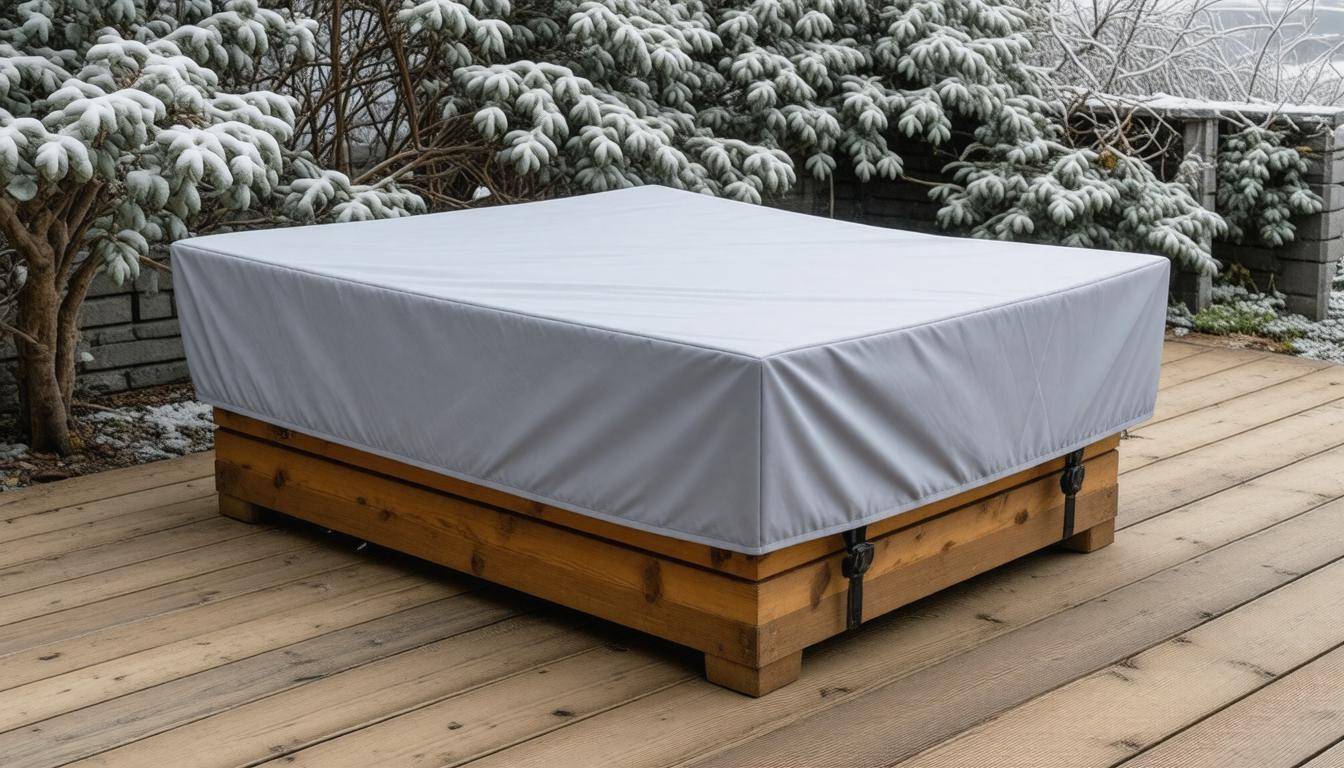
Properly covering your teak furniture isn’t just about slapping any old tarp over it and calling it a day. The way you cover your pieces makes all the difference between protection and promoting damage.
Teak is resilient, yes, but it’s still susceptible to moisture buildup, mold, mildew, and fading if the wrong materials or methods are used. Using a heavy-duty, breathable cover specifically designed for outdoor furniture is essential. These covers often feature polyester fabrics with UV-resistant coatings that repel water yet allow trapped moisture to escape, preventing a sauna-like effect under the cover.
Now, staying away from plastic tarps is more than just aesthetic advice—plastic traps moisture inside and suffocates the wood, accelerating deterioration rather than slowing it.
Imagine wrapping your teak in a rain jacket that never breathes; the trapped humidity creates an environment perfect for mold growth and wood warping. In contrast, breathable polyester blends strike a balance by blocking rain and snow while letting air circulate freely.
But having the right cover isn’t enough—how you secure that cover matters just as much. Winter storms have a knack for turning loose edges into sails that flap violently in strong winds or whip off entirely.
To avoid this nightmare, use straps, ties, or weighted hems on your covers. These features keep the covering snug without overtightening, which can stress seams or create pressure points on the furniture beneath.
Ensuring airflow is especially crucial during colder months when condensation builds up overnight and freezes into ice by day.
Without proper ventilation—aided by mesh vents or well-placed gaps—moisture accumulates within the covering, turning what should be protection into a breeding ground for mildew and rot. Many high-quality covers incorporate these vents strategically to maintain fresh air circulation without sacrificing waterproofing.
- Opt for covers with adjustable cords or hook-and-loop fasteners to customize fit precisely.
- Avoid covers that fit too loosely since they can trap wind underneath and lift off.
- Look for reinforced seams and durable fabrics rated for temperatures below freezing.
- Consider investing in covers sized for your specific furniture model; overly large covers invite moisture pooling.
In my experience working closely with outdoor furniture experts at Patio Productions, we’ve seen countless cases where poor coverage turned treasured teak sets into damaged relics by spring. Conversely, those who invest wisely and follow careful covering techniques enjoy their crisp-looking furniture year-round with minimal upkeep.
“A good cover is like an insurance policy for your teak—it guards against nature’s worst so you can enjoy nature’s best.”
If you want peace of mind through winter and wish to avoid costly restorations come springtime, always pair your storage strategy with thoughtfully chosen covers that breathe with your furniture rather than stifle it.
Understanding how to properly shield your teak lays a foundation that naturally leads us to consider how to prevent ice and snow from inflicting damage during harsh weather conditions.
Preventing Ice and Snow Damage

Ice and snow can be relentless foes for teak outdoor furniture, especially when left unchecked. Teak has natural oils that make it durable, but prolonged exposure to moisture—especially frozen water—can still cause swelling, warping, or even mold growth. That’s why regular snow removal is not just a chore; it’s an essential act of preservation.
When snow piles up on your furniture, the weight combined with moisture gradually seeps into tiny crevices where it freezes and expands, putting stress on joints and surfaces. Sweeping off snow gently with a soft-bristle broom helps avoid scratches while minimizing prolonged water contact. Metal shovels or harsh tools might seem effective, but their abrasiveness can damage the wood’s protective layer, accelerating wear and discoloration.
Elevating your furniture off the ground during winter adds another layer of protection against these elements. Placing wooden blocks or rubber feet underneath your chairs and tables prevents them from sitting directly in melted snow or accumulated rainwater that pools on patios or decks.
This small gap encourages airflow beneath the furniture, facilitating quicker drying and reducing the dampness that invites rot or mildew. Think of it as giving your teak a breath of fresh air even in the coldest months.
Without this elevation, trapped moisture can slowly erode the masonry or deck surfaces beneath and simultaneously soak into the legs of your furniture, leaving stains and structural weakness.
Combining these physical measures with quality waterproof covers creates an effective defense team for your teak pieces. As Kelsey Fischer from Havenly advises, investing in well-fitting, sealed covers during winter months significantly lowers repair costs later by shielding the wood from excessive moisture and wind-driven debris.
These covers work like a second skin—paired with periodic snow clearing and elevation—to ensure your furniture stays in prime condition year after year. Starting this routine early in fall, ideally with applying teak oil beforehand to hydrate wood fibers, ensures a proactive approach instead of reactive repairs.
“Properly maintained teak furniture isn’t just beautiful — it’s a smart investment that brings lasting comfort outdoors,” notes Fischer.
Key steps to remember for preventing ice and snow damage:
- Use soft-bristle brooms to remove fresh snowfall promptly.
- Avoid any sharp or metal tools against teak surfaces.
- Elevate furniture on blocks or rubber feet for airflow and drainage.
- Always cover with high-quality waterproof covers that fit snugly.
- Apply teak oil in fall before temperatures drop to protect wood fibers.
By adopting these protective measures early on, you create a robust shield for your outdoor sanctuary that withstands winter’s harshest trials. This groundwork naturally leads us into broader techniques for maintaining all varieties of outdoor furniture throughout the cold months ahead.
Essential Winterproofing Tips

Winterproofing your teak furniture is about more than just shielding it from cold—it’s a proactive ritual that preserves its beauty and durability through the harsh months. One of the most important practices in this process is the annual oil treatment. Applying a fresh coat of teak oil nourishes the wood deeply, replenishing natural oils that can be stripped away by frost and moisture. This treatment essentially acts like a moisturizer for your furniture—keeping teak supple and less prone to cracking or drying out during those icy days and cold nights.
When applying teak oil, it’s best to choose a high-quality product designed specifically for outdoor use; these often include UV blockers that help prevent fading caused by winter sunlight reflecting off snow. Use a clean cloth to work the oil evenly into the wood grain, allowing it to soak in fully before wiping away any excess. This small annual effort pays dividends, helping maintain the furniture’s rich color and structural integrity year after year.
Alongside nourishment, regular inspections become crucial in catching problems before they escalate.
Before winter truly sets in—and even periodically during the cold season—it’s wise to carefully examine your furniture for any signs of damage such as cracks, loose joints, or mold growth. Teak is resilient but not invincible; small cracks can expand rapidly with temperature swings, and moisture trapped in crevices can encourage mold, deteriorating the wood’s surface over time. Early detection allows you to address these concerns promptly, whether through simple repairs or cleaning treatments, which ultimately lengthens the life of your investment.
Keep an eye on fasteners too—screws and bolts may loosen as metal contracts in cold weather. Tightening them before heavy usage resumes can prevent wobbling or accidental breakage when spring arrives.
Now, while we’ve touched on covers earlier, their significance warrants extra emphasis because they serve as the frontline defense against winter’s assault.
Quality covers shield your teak furniture from snow, ice, and relentless moisture that can seep into unprotected wood. Not all covers are created equal though; investing in snug-fitting waterproof varieties designed with breathable fabrics helps reduce condensation build-up beneath them—a common pitfall that encourages mildew growth. Adjustable options available online often provide durable materials with warranties ensuring lasting protection throughout multiple winters.
Think of these covers like a warm jacket for your furniture: you wouldn’t want gaps or poorly fitting layers that let rain or snow sneak inside. Removing cushions before covering prevents trapped dampness, and storing cushions indoors or in a waterproof storage bag further guards against mold and mildew buildup.
Combining these core steps—an annual oil treatment to replenish teak’s natural oils, vigilant inspections to catch damage early, and consistent use of high-quality furniture covers—forms a comprehensive defense strategy. This ensures your outdoor teak remains inviting and sturdy no matter how fierce the winter gets.
For anyone looking to protect their patio treasures long-term, embracing these essential winterproofing tips is a small commitment now that saves considerable heartache (and expense) come spring thaw.
Understanding how to protect your teak is only part of the story; recognizing what makes this wood uniquely suited for outdoor use unlocks further appreciation for its value and performance across seasons.
Benefits of Teak for Outdoor Furniture

Teak has earned its reputation as one of the finest choices for outdoor furniture, and much of that comes down to its built-in resilience. At the heart of teak’s strength lies its natural oils—roughly 20 to 25 percent of the wood’s weight—which act as a barrier against moisture and pests. This oil imbues teak with exceptional resistance to rot and insect damage, qualities that many other woods simply can’t match. When you think about furniture exposed to rain, sun, and fluctuating temperatures, these natural properties function like a suit of armor, protecting your investment year after year.
This natural durability means that even without constant pampering, teak can last for several decades, surviving conditions that might destroy lesser woods in just a few seasons. However, it’s important to remember these oils don’t prevent every type of damage—especially mechanical wear caused by freezing and thawing cycles during winter. That’s why thoughtful winterproofing is essential despite teak’s toughness.
Transitioning from sturdy to stunning, the visual appeal of teak is undeniable. Freshly sanded teak carries a warm honey-gold color that seems to glow in sunlight, instantly elevating any patio or garden setting. Over time, this rich hue gracefully matures into a sophisticated silvery-gray patina. This transformation doesn’t compromise the wood’s integrity—it reflects teak’s natural aging process and adds character that only deepens its charm.
Rather than fading into obscurity like plastic or rusting metal furniture, teak ages with you, enhancing your outdoor living space instead of detracting from it. So if you cherish an elegant yet inviting atmosphere for your backyard gatherings, teak delivers that effortlessly.
Now, while teak is often praised for being low maintenance compared to other hardwoods, it’s not entirely hands-off. Regular cleaning removes dirt and mildew that build up naturally outdoors. More importantly, applying teak oil or sealant seasonally revitalizes those precious natural oils and adds layers of protection against UV rays and moisture intrusion.
Most homeowners find that diligent upkeep—a thorough cleaning followed by oiling or sealing once or twice a year—is enough to keep their furniture looking vibrant and structurally sound. Skipping these simple steps can accelerate weathering and leave your investment vulnerable to cracking or uneven wear.
As any seasoned teak owner will tell you: maintenance isn’t a chore when it means your furniture stays beautiful and sturdy for many years beyond most alternatives.
|
Benefit |
Description |
Why It Matters |
|
Natural Durability |
High oil content repels moisture and insects |
Prevents rot and prolongs lifespan |
|
Aesthetic Appeal |
Honey-gold color matures to elegant silver patina |
Adds timeless beauty and unique character |
|
Low Maintenance |
Requires occasional cleaning and oiling/sealing |
Saves time and effort compared to other woods |
In essence, teak provides an excellent balance between beauty, toughness, and ease of care—making it uniquely suited for outdoor environments where weather is unpredictable but style matters just as much as function.
With these benefits in mind, embracing proper winterproofing methods ensures you make the most out of what teak has to offer year after year.
Thoughtful care tailored to teak’s natural strengths will preserve both its appearance and durability through tough winters. Protecting your teak furniture now ensures it remains a stunning centerpiece in your outdoor living space for decades ahead.