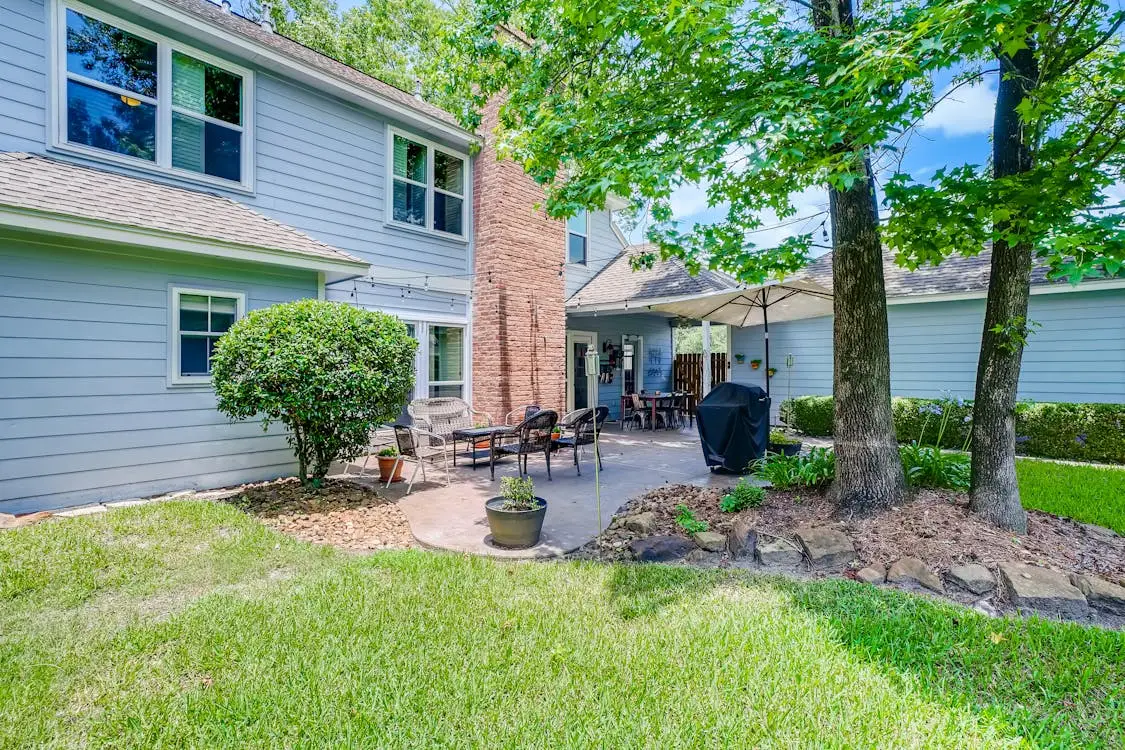
Why Backyard Upgrades Work Best When Water Flow Is Fully Considered
Most homeowners don’t think about water until it starts becoming a problem. The focus usually stays on how the yard looks—new grass, a patio, maybe some lighting to make evenings feel nicer. Everything comes together visually, and for a while, it feels like the space is finally working. Then something small shows up. A soft patch near the walkway. A corner that never quite dries. Plants that don’t grow the same way as the rest.
Those moments usually point back to one thing that never got planned properly. Water movement. It doesn’t sit still, and it doesn’t follow the layout you had in mind. It moves based on slope, soil, and pressure. Once it finds a path, it keeps using it. A backyard that feels easy to manage almost always has one thing in common. Someone paid attention to where water goes before adding everything else.
Start With Flow, Not Fixtures
It’s natural to start with what you can see. Sprinklers, plants, lighting, maybe even a new layout. Those upgrades feel like progress right away. Still, without knowing how water behaves in your yard, those additions can start working against each other. A sprinkler might keep watering a spot that already holds moisture. Drainage might get added later, but only after something else has already been built over it.
Thinking about flow first gives homeowners a robust foundation. You start noticing where water collects after rain, how it travels across the yard, and where it tends to sit longer than it should. Once that becomes clear, everything else fits well. Working with Sunrise Irrigation makes sense in this kind of setup, where sprinkler repair, drainage work, and system adjustments support a plan that already understands the yard instead of trying to fix it afterward.
Slope Makes a Difference
A yard can look flat and still have water issues, since slight changes in ground level can affect how water moves. Homeowners often notice this after a rain, where certain areas stay wet while others dry out quickly.
Adjusting the slope doesn’t mean rebuilding the whole yard. Sometimes it’s a small correction that redirects water away from areas where people walk, sit, or spend time. Once water has somewhere to go, those damp spots stop showing up again and again. The yard feels more usable, especially after watering or rainfall, without needing constant attention.
When Water Just Sits
A puddle might not seem like a big deal at first. It disappears after a while, and life goes on. Still, if that same spot keeps holding water, the ground underneath starts changing. Soil becomes heavier, less stable, and harder for plants to grow in properly. Homeowners often notice this when one area of the yard starts looking uneven compared to the rest.
Plants in those spots struggle because their roots stay too wet for too long. Some plants thrive, others don’t, and the yard starts losing its balance. Fixing how water drains keeps the soil in better condition, which makes everything growing on top of it more consistent.
Watering Done Right
Sprinklers are meant to help, but they can create problems if they aren’t working with the yard’s natural layout. Homeowners often see this in patches. One area looks full and healthy, while another looks dry or stressed. It doesn’t always come down to how much water is being used. It’s about where that water is actually going.
A well-planned irrigation setup spreads water evenly across the space. It supports all areas instead of favoring certain spots. Once the system lines up with how water naturally moves, the yard starts maintaining itself more easily. Less adjusting, less guesswork, and fewer uneven results show up over time.
Mosquito Zones
Comfort matters just as much as appearance in a backyard. Areas that stay damp tend to attract mosquitoes, which can quickly make parts of the yard less enjoyable. Homeowners usually notice this during warmer months, especially in spots where water collects without being obvious.
Managing how water moves and drains keeps those areas from forming in the first place. The yard becomes a space you actually want to spend time in, without needing constant fixes or treatments to make it comfortable.
Too Much Water, Hidden Damage
Water is helpful until it starts overstaying its welcome. Many homeowners assume more water means healthier plants, greener grass, and better results overall. That sounds right on the surface, but excess moisture often creates problems that aren’t obvious right away. Soil begins to loosen, especially near patios or walkways.
Cracks, slight shifts, or uneven settling usually trace back to moisture sitting where it shouldn’t. These changes don’t happen overnight, which makes them easy to miss early on.
Lighting Needs the Right Spot
Outdoor lighting adds a lot to a backyard. It makes the space usable in the evening and gives it a finished feel. Placement, though, isn’t only about how it looks. Moisture plays a big role in how well those fixtures hold up over time. Areas that stay damp can affect wiring, fixtures, and overall performance.
Homeowners often notice lights flickering or wearing out faster in certain spots. That usually links back to moisture sitting below or around the installation area. Keeping lighting away from zones where water collects helps avoid those issues.
Water Pressure Across Bigger Yards
Larger yards bring a different kind of challenge. Water doesn’t naturally reach every corner evenly, especially if the space relies on pumps or wells. Some areas end up getting more than they need, while others don’t get enough. Homeowners usually notice this through uneven growth or dry patches that don’t respond well to regular watering.
Balancing that distribution takes more than just turning the system on. It requires understanding how water travels across the entire space. Once that flow is controlled, pump and well systems start working the way they’re meant to. Every section of the yard gets what it needs without creating stress in other areas.
Where Roof Water Ends Up
Water coming off the roof doesn’t disappear. It gets directed into the yard through downspouts, and where it lands matters more than most people think. If that water pours into the same spot every time, it can create pooling or push moisture toward areas that should stay dry.
Homeowners often notice this after heavy rain. One section of the yard becomes overly saturated while the rest feels normal. Adjusting where that water goes can completely change how the yard handles rainfall. A simple redirection can prevent repeated pooling and protect nearby features from excess moisture.
A backyard that feels easy to live with usually has one thing working quietly in the background. Water moves where it should, without creating problems along the way. Most issues people deal with later don’t come from poor design. They come from water being left out of the plan. Paying attention to flow early changes everything. It keeps upgrades working the way they’re supposed to, reduces ongoing fixes, and makes the space feel stable day after day.