What to Do Before You Pack the First Box
You’ve decided to move—exciting, until you realize how much stuff you own and the dread sets in. Moving isn’t just packing boxes; it’s planning, organizing, and making smart choices before the tape comes out. With fewer Americans moving due to high costs and uncertainty, the process matters more than ever.
In this blog, we will share how to prepare wisely, what to do before packing starts, and why the right help early can save you stress and money.
Start With the Stuff You Don’t Need
Before the first box gets taped, take a long look at your belongings. Moving is the perfect excuse to shed what you don’t use. Think of it as a reset button. Why haul a broken lamp, an outdated printer, or a pile of sweaters you never wear to a new place? Every item you move takes time, space, and money.
The current trend of minimalism didn’t just appear out of thin air. People are realizing that clutter adds stress. Studies even show that too much stuff can increase anxiety and lower productivity. Moving gives you a chance to lighten that load. Create three piles: keep, donate, toss. If you haven’t used something in a year, chances are you won’t miss it.
Once you cut down the volume, everything else becomes easier. Packing goes faster. Unpacking feels lighter. And, most importantly, you won’t spend money transporting things you’ll regret bringing.
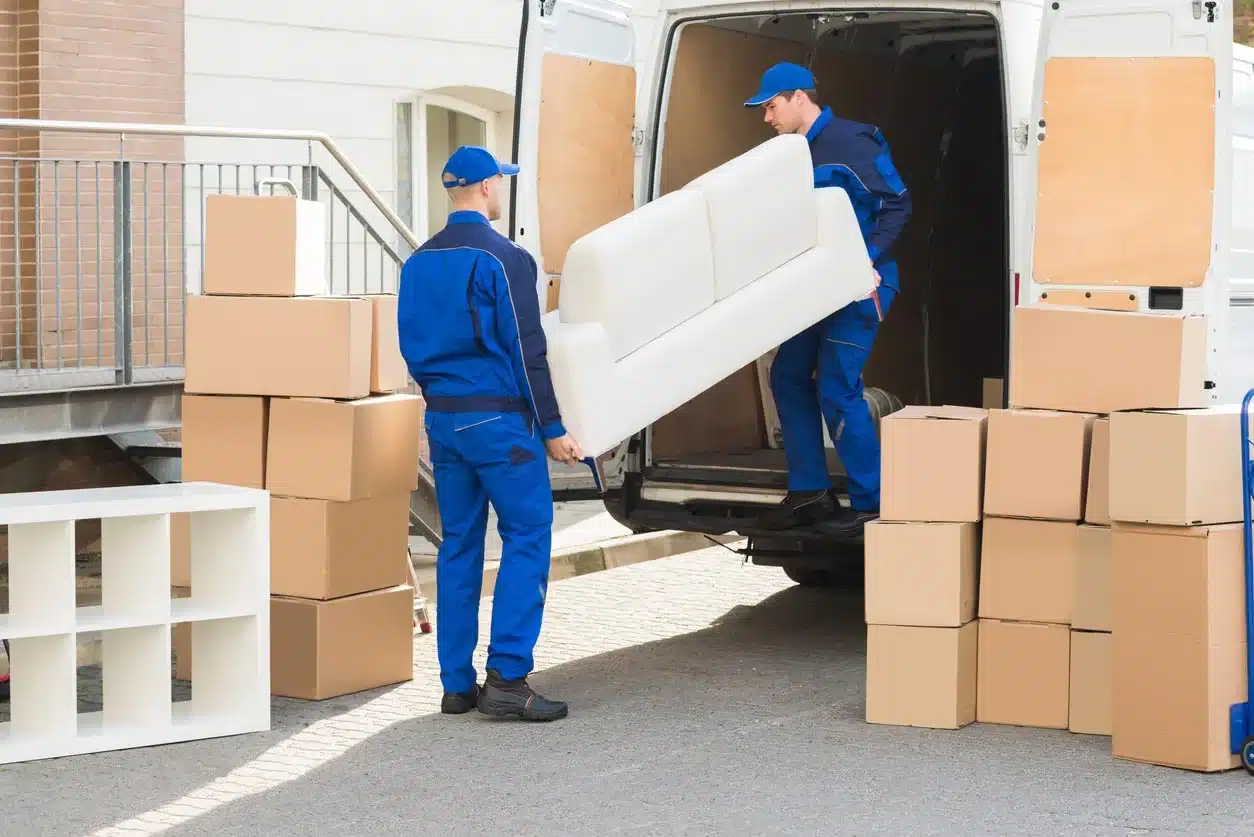
This is also where smart planning comes into play. If you’re working with local moving services, fewer boxes often mean a smaller bill. Movers typically charge based on time, weight, or volume. By decluttering first, you’re saving money and giving yourself less to worry about later. A leaner load makes the entire process smoother, both for you and the professionals helping you.
Handle the Details That People Forget
Packing isn’t the only thing on the checklist. There are practical details that need attention before you leave your old place behind. Skip them, and you’ll be dealing with avoidable headaches later.
Start with your utilities. Call your providers early and schedule shut-off dates. You don’t want to be paying for water, electricity, or internet weeks after you’ve moved out. At the same time, set up services at your new place. Nothing’s worse than arriving ready to unpack only to find the lights won’t turn on and the Wi-Fi is weeks away.
Then there’s your address. Update it with the postal service, banks, insurance companies, and subscriptions. In today’s digital age, missing mail might not seem like a big deal, but one late bill or misplaced package can cause major stress.
Another overlooked step is measuring. Yes, measuring. Will your couch fit through the new doorway? Will your bed frame squeeze up the stairs? Countless moving day disasters could be avoided if people pulled out a measuring tape before the truck arrived. Knowing what fits means you won’t waste time or risk damaging your furniture—or your walls.
Create a Timeline Instead of Rushing
One reason moving feels so chaotic is because people leave everything until the last possible week. By then, the pressure builds, the panic sets in, and boxes get thrown together in random piles. A little timeline solves this problem.
Work backward from your move date. Two months out, start decluttering. Six weeks out, tackle non-essentials—seasonal clothes, books, decorations. A month out, pack the guest room, storage closet, and items you rarely touch. Two weeks out, box up the kitchen gadgets you don’t use every day. By the last few days, only daily essentials should be left.
Breaking the process into smaller steps makes it manageable. You won’t feel buried in boxes or scrambling to tape them shut at midnight before the truck arrives. Instead, you’ll feel in control.
And here’s the bonus: when you’re organized, unpacking becomes much less painful. Labeled boxes with thoughtful packing mean you can actually find your coffee maker on the first morning in your new place.
Think About Costs Beyond Boxes
The financial side of moving often gets ignored until it’s too late. People focus on the price of tape, boxes, and maybe a rental truck, but they forget about all the other hidden expenses.
Cleaning supplies for the old place. Snacks and water for moving day. Temporary storage if dates don’t line up. Even the gas for extra trips back and forth adds up. Planning for these small expenses keeps your budget realistic.
There’s also the question of whether to DIY or hire help. Doing it all yourself sounds cheaper, but when you factor in the cost of a truck, gas, equipment, time off work, and potential injuries, professional movers don’t look so expensive anymore. Especially if you’re dealing with heavy furniture or multiple flights of stairs, investing in help can save both your back and your wallet.
Make Your First Day Easy
Here’s one last trick that makes a huge difference: pack a “first day” box. This should include essentials you’ll need right away—clothes, toiletries, bedding, basic kitchen items, chargers, and important documents. The last thing you want after a long moving day is to tear through twenty boxes just to find your toothbrush.
Think of it as your survival kit. It keeps the first night in your new place stress-free, even if the rest of your boxes take days to unpack.
Moving doesn’t have to feel like a tornado tearing through your life. The truth is, the real work happens before you pack the first box. Decluttering, handling logistics, creating a timeline, and thinking ahead about costs all take pressure off the big day.
When you prepare early, you avoid the frantic chaos most people accept as “normal.” Instead of tripping over random boxes and stressing about forgotten tasks, you’ll move with confidence.
At the end of the day, a move isn’t just about getting from one address to another. It’s about making the transition smoother, smarter, and less stressful. And that starts with what you do long before you ever touch a roll of tape.