What Are Architectural & 3 Tab Shingles?
Your roof does more than keep rain out. It protects your biggest investment and shapes how your home looks from the street.
Most homeowners face the same question when it’s time for a new roof: which shingles should I choose?
Architectural shingles have become the go-to choice for modern homes. They’re thicker, last longer, and look better than basic options. But they also cost more upfront.
Are they worth it? Or should you stick with traditional 3-tab shingles?
This guide breaks down everything you need to know. You’ll learn what makes architectural shingles different, how they compare to 3-tab shingles, and which option fits your home and budget best.
Let’s get started.
What Are Architectural Shingles?
Architectural shingles are premium roofing materials made from multiple layers of asphalt bonded together.
They’re also called dimensional or laminate shingles because of their thick, layered construction.
These shingles consist of a fiberglass mat base coated with weatherproof asphalt and topped with ceramic granules for color and UV protection.
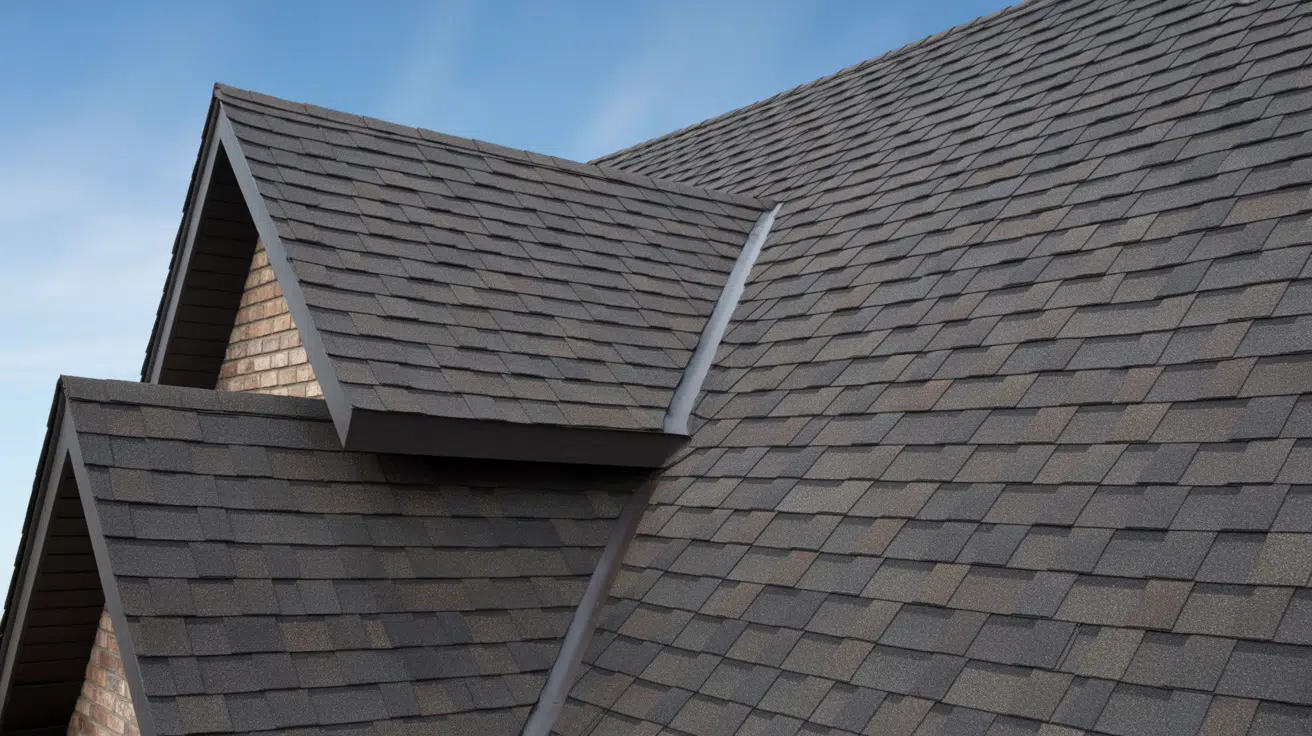
Unlike flat, basic shingles, architectural shingles have a textured, three-dimensional look that mimics the appearance of natural wood shakes or slate tiles.
This gives your roof more depth and visual interest. Their thicker build makes them heavier and more durable than standard options. Homeowners choose them for both style and long-term performance.
Key Characteristics of Architectural Shingles

Now that you know what architectural shingles are, let’s explore their key characteristics that make them a top choice for homeowners and roofers alike.
1. Durability
Architectural shingles are built tough with multiple layers of asphalt. This thick construction helps them resist wind speeds up to 130 mph in many cases.
They also hold up better against hail, falling branches, and heavy rain compared to thinner roofing options.
2. Lifespan
These shingles typically last 25 to 50 years, depending on the brand you choose and your local climate.
Homes in harsh weather areas may see slightly shorter lifespans. Still, they outlast most budget shingle options by 10 to 20 years or more.
3. Aesthetic Appeal
Architectural shingles offer rich, dimensional depth that makes roofs look high-end. They come in dozens of colors and styles, from rustic wood tones to modern grays.
The layered design creates shadows and texture that flat shingles simply can’t match.
4. Weight
Because of their multi-layer build, architectural shingles are heavier than standard shingles. A typical square can weigh 250 to 400 pounds.
This extra weight adds stability and wind resistance, but it also means your roof structure must be strong enough to support it.
5. Warranty
Most manufacturers back architectural shingles with 30-year to lifetime warranties. Some even include coverage for wind damage and algae growth.
These extended warranties give homeowners peace of mind and protect their investment for decades.
What Is a 3-Tab Shingle?
A 3-tab shingle is a basic, single-layer asphalt shingle with three evenly spaced tabs across its surface. This simple design creates a flat, uniform pattern on your roof.
These shingles are lighter and thinner than architectural options, which makes them easier to install and more affordable upfront.
They typically last 15 to 25 years, depending on weather conditions and maintenance.
Because of their lower cost, 3-tab shingles work well for rental properties, budget-conscious projects, or homes in mild climates where extreme weather isn’t a major concern.
They get the job done without the premium price tag.
Architectural Shingles vs. 3-Tab Shingles: Side-by-Side Comparison

Now that we’ve covered both types individually, let’s compare architectural shingles and 3-tab shingles side by side to see how they truly differ in cost, durability, and appearance.
| Feature | Architectural Shingles | 3-Tab Shingles |
|---|---|---|
| Layers | Multi-layer (laminated) | Single-layer |
| Appearance | Dimensional / Textured | Flat / Uniform |
| Durability | High (wind up to 130 mph) | Moderate (wind up to 60 mph) |
| Lifespan | 25–50 years | 15–25 years |
| Cost | Higher upfront | Budget-friendly |
| Warranty | Extended / Lifetime | Basic / Limited |
Benefits of Choosing Architectural Shingles
After comparing both types, it’s easy to see why many homeowners prefer architectural shingles. Let’s take a closer look at their standout benefits.
- Increased Home Value and Curb Appeal: Architectural shingles boost your home’s resale value and make it stand out in the neighborhood with their rich, textured look that buyers love.
- Better Weather Resistance (Wind, Rain, UV): These shingles handle harsh weather conditions better, offering strong protection against high winds, heavy rain, and damaging UV rays that can wear down your roof.
- Lower Long-Term Maintenance Costs: Because they last longer and resist damage better, architectural shingles need fewer repairs over time, saving you money on maintenance and replacements.
- More Energy-Efficient and Sound-Insulating: The thicker, layered design helps reflect heat in summer and provides better sound insulation, keeping your home quieter and more comfortable year-round.
When to Choose 3-Tab Shingles Instead?
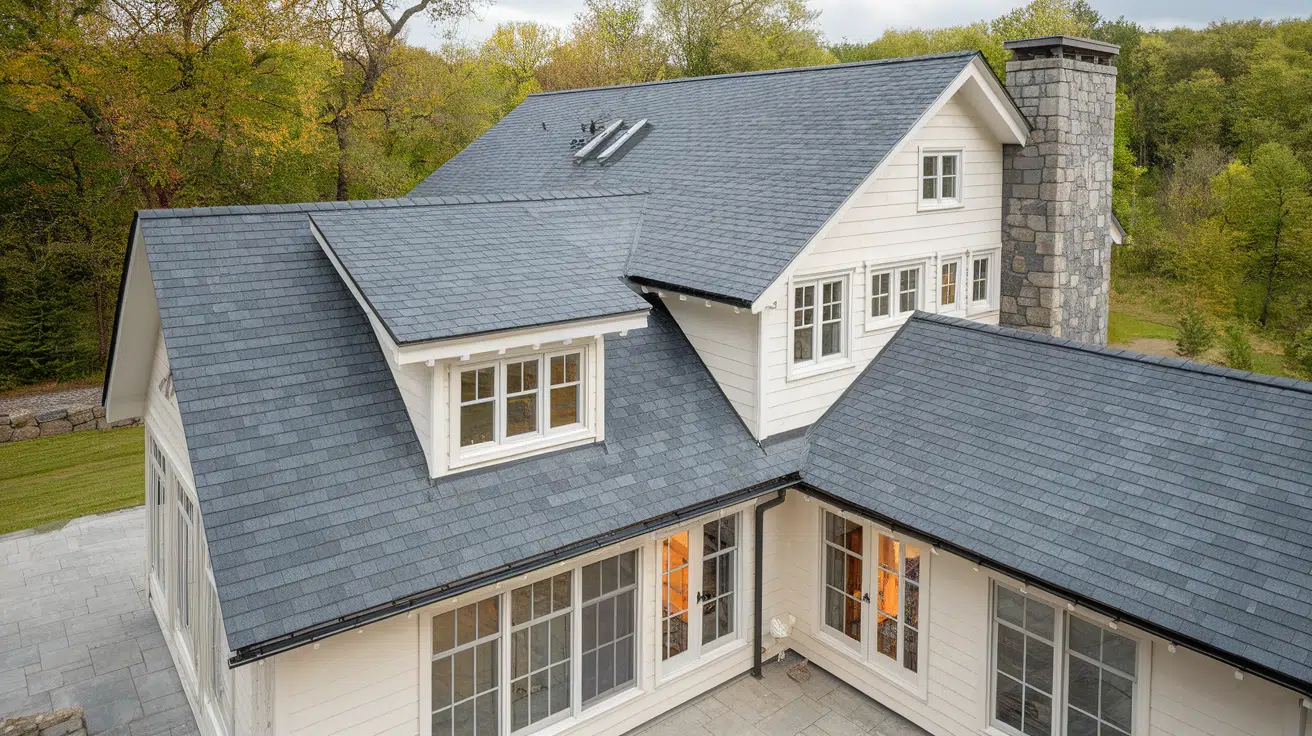
Choose 3-tab shingles when staying within budget is your main goal, and you need a functional roof without the premium cost.
They work great for smaller structures like sheds, garages, or workshops where a high-end appearance isn’t necessary.
If you’re planning to sell your home soon, 3-tab shingles can give you a fresh roof without overspending on features you won’t enjoy long-term.
They’re also a smart choice for rental properties where keeping costs low matters more than maximum lifespan.
In mild climates with less severe weather, these basic shingles can perform well enough for many years.
Architectural vs. 3-Tab: Cost and Installation Breakdown
Beyond looks and durability, cost and installation are major factors when choosing between architectural and 3-tab shingles. Here’s how they compare.
| Factor | Architectural Shingles | 3-Tab Shingles |
|---|---|---|
| Installation | Needs professional fitting; thicker and heavier. | Easier, quicker to install. |
| Labor Effort | Moderate–High | Low–Moderate |
| Cost per sq. ft. | $3.50–$5.50 | $2.00–$3.00 |
| Durability Value | Longer lifespan (25–50 yrs) | Shorter lifespan (15–25 yrs) |
| Regional/Brand Impact | Varies by climate & brand (e.g., GAF, Owens Corning). | Minimal regional variation; basic styles. |
Maintenance Tips for Asphalt Shingles

Keep your asphalt shingles in top shape by inspecting your roof at least twice a year, especially after major storms or high winds.
Clean your gutters regularly to prevent water backup that can damage shingles and cause leaks.
If you notice moss or algae growth, install zinc or copper strips along the roof ridge to naturally prevent buildup over time.
Watch for warning signs like curling edges, missing granules, or multiple leaks; these mean it’s time to schedule a roof replacement.
Catching small problems early helps you avoid bigger, costlier repairs down the road. A little regular care can add years to your roof’s life.
Closing Remarks
Choosing the right shingles for your roof comes down to three things: your budget, how long you plan to stay in your home, and the look you want.
Architectural shingles cost more upfront but deliver better protection, longer life, and stronger curb appeal. They’re a smart investment if you’re staying put for years.
3-tab shingles work well when affordability matters most or for temporary roofing needs.
Either way, your roof deserves professional care. Don’t guess, get expert advice from a licensed roofing contractor in your area. They can assess your home’s needs, explain your options, and provide accurate estimates.
Ready to upgrade your roof? Contact a local roofing professional today and get a free inspection. Your home will thank you.