

22 Types of Porches (Styles, Designs, and How to Choose)
A porch enhances your home by creating a comfortable outdoor living space that bridges indoors and outdoors.
Whether for relaxing, entertaining, or boosting curb appeal, the right porch adds both functionality and charm to your property.
Choosing the best porch depends on your home’s style, budget, and how you’ll use the space.
This blog covers types of porches organized by location, coverage, architectural style, and roof design to help you make the right choice.
What is a Porch?
A porch is a covered outdoor structure attached to the entrance of a house.
It has a roof supported by posts or columns and typically features a raised floor made of wood, concrete, or composite materials.
Porches create a sheltered transition space between indoors and outdoors, protecting you from rain and sun.
They’re commonly found at the front, back, or side of homes and serve as spots for relaxing, greeting guests, or enjoying the outdoors while staying protected from the elements.
Common types include front porches, wrap-around porches, screened porches (with mesh to keep bugs out), and back porches.
People often furnish them with chairs, swings, or benches for comfortable outdoor living.
Types of Porches by Location
Porches can be positioned in different areas around your home, each offering unique advantages based on accessibility, privacy, and functionality.
1. Front Porch

A front porch sits at the main entrance, creating an inviting transition from the street to your home.
It’s perfect for greeting guests or enjoying morning coffee.
This traditional feature instantly boosts curb appeal.
2. Back Porch

Back porches offer private outdoor space away from street views.
They typically connect to your kitchen or living areas, making them ideal for family gatherings. Many homeowners prefer them for relaxed entertaining.
3. Side Porch

Located along the side of your house, this type provides easy access to side yards or gardens. Side porches work well on corner lots as secondary entrances.
This placement gives you extra outdoor living space without taking up prime yard areas.
4. Wraparound Porch

These porches extend along two or more sides of your home, creating expansive outdoor areas.
A wraparound design lets you follow the sun throughout the day or find shade when needed.
They’re signature features of Victorian and Southern-style homes.
5. Entry Porch / Stoop

An entry porch is a small, raised platform at your doorway, often with just a few steps. Stoops provide basic shelter from the weather while you unlock the door.
They’re common in urban homes where space is limited.
Types of Covered Porches
Covered porches vary by their level of enclosure, from fully open designs to climate-controlled spaces that function year-round.
6. Open Covered Porch

This design features a roof overhead with no walls or screens enclosing the space.
You get protection from the sun and rain while maintaining full airflow and visibility. Open covered porches are the most versatile and budget-friendly option.
7. Screened-In Porch

Mesh screens surround this porch type, keeping insects out while allowing fresh air to flow through.
You can enjoy the outdoors comfortably during bug season. Screened porches are popular in areas with mosquitoes or other pests.
8. Enclosed Porch

Enclosed porches have solid walls with windows, creating a room-like space that’s separated from the elements.
They offer more protection than screened versions but less insulation than interior rooms.
This type works well for storage or casual seating areas.
9. Three-Season Porch

Built for use in spring, summer, and fall, these porches lack the heating and insulation needed for winter.
They typically feature large windows and screens for temperature control.
Three-season porches extend your living space for most of the year.
10. Four-Season Porch (Sunroom)

Fully insulated with heating and cooling systems, four-season porches function year-round as livable space.
They feature energy-efficient windows and proper weatherproofing. These sunrooms essentially add an extra room to your house.
11. Rain Porch

Designed specifically to withstand heavy rainfall, rain porches have enhanced drainage systems and water-resistant materials.
The roof pitch is steeper to quickly shed water.
This type is practical in regions with frequent storms.
Types of Porches by Architectural Style
Porch designs reflect distinct architectural traditions, from classical porticos to ornate Victorian styles, each complementing specific home aesthetics.
12. Portico
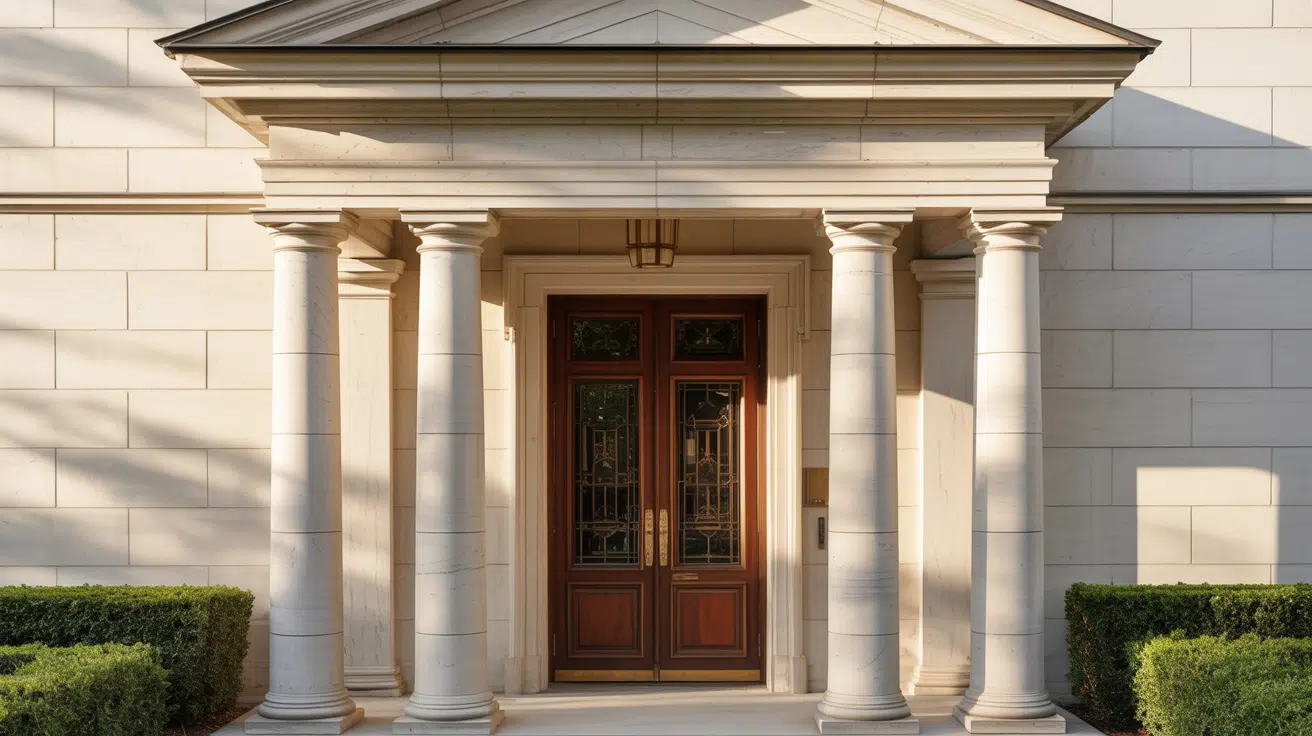
A portico is a small, roof-covered entrance supported by columns at your front door. This classical design element adds grandeur without requiring extensive square footage.
Porticos are common in Greek Revival and Colonial architecture.
13. Farmer’s Porch

Also called a country porch, this style typically spans the full width of the house with a simple roof.
Farmers’ porches have a practical, unpretentious design that complements rural homes. They’re deep enough for rocking chairs and casual furniture.
14. Bungalow Porch

Bungalow porches feature thick, tapered columns and low-pitched roofs that match the home’s compact design. They usually extend across the front with open sides.
This style emphasizes horizontal lines and natural materials.
15. Craftsman Porch

Characterized by substantial square or round columns on stone or brick piers, Craftsman porches showcase quality woodwork.
They often include built-in benches and decorative brackets under the roofline. This style highlights handcrafted details and natural materials.
16. Colonial Porch

Colonial porches are typically symmetrical with evenly spaced columns and classical proportions. They’re often painted white and feature simple, refined details.
This formal style complements traditional two-story homes.
17. Victorian Porch

Victorian porches are ornate, featuring decorative woodwork, spindles, and elaborate trim details.
They often wrap around corners and include intricate railings. This romantic style emphasizes embellishment and grandeur.
Types of Porches by Roof Design
Porch roofs come in various styles, each offering different aesthetic appeal, weather protection, and structural benefits.
18. Gable Roof Porch

A gable roof has two sloping sides that meet at a center ridge, forming a triangular shape. This classic design provides excellent water runoff and ventilation.
Gable roofs are cost-effective and complement most home styles.
19. Hip Roof Porch

Hip roofs slope downward on all four sides, creating a pyramid-like shape over the porch.
They’re more stable in high winds than gable designs. This style offers consistent overhang protection on all sides.
20. Flat Roof Porch

Flat roofs appear level but actually have a slight pitch for drainage purposes. They create a modern, minimalist look and can serve as second-story decks.
This design is budget-friendly but requires proper waterproofing.
21. Shed Roof Porch

A shed roof slopes in one direction, typically away from the house. This simple, angular design is easy to construct and attach to existing structures.
Shed roofs work well for contemporary homes and narrow side porches.
22. Mansard Roof Porch
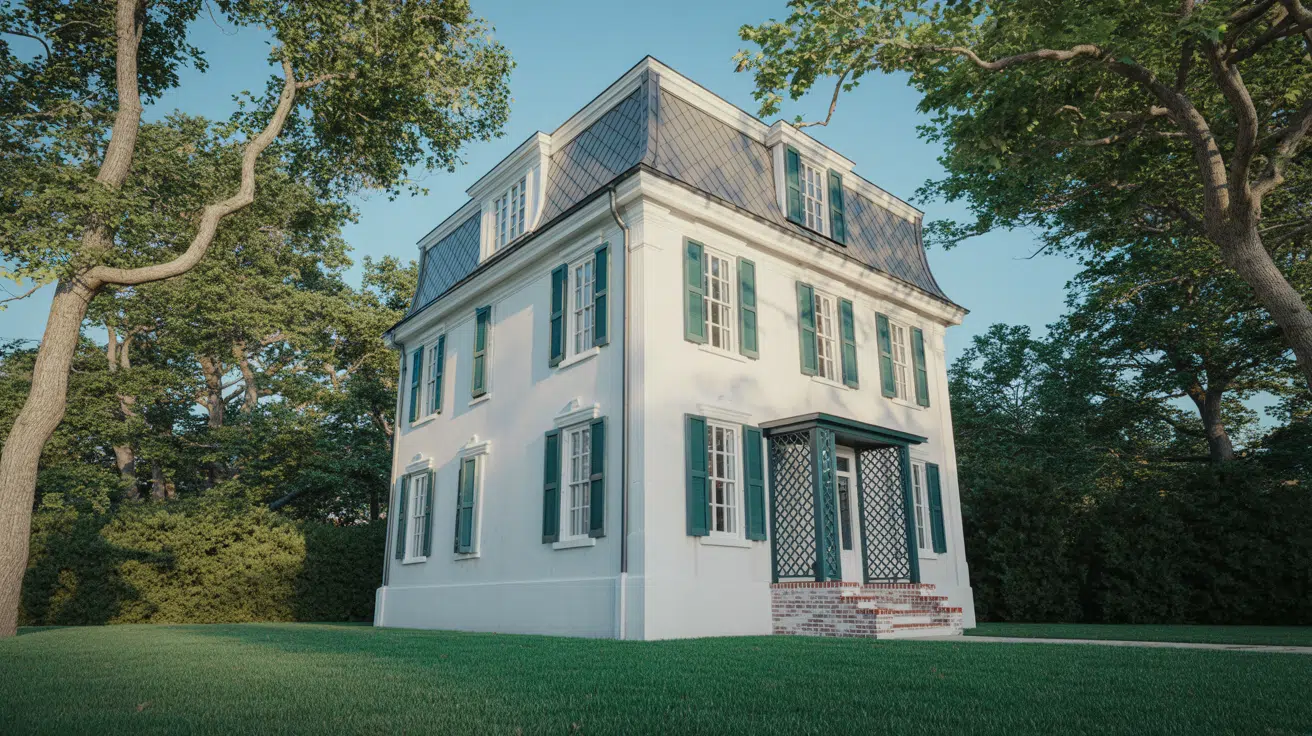
Mansard roofs have two slopes on each side, with the lower slope being steeper than the upper.
This French-inspired design adds architectural interest and can create usable space above.
Mansard roofs are less common but highly distinctive.
Differences Between Common Porch Types
| Porch Type | Location | Key Features | Best For |
|---|---|---|---|
| Front Porch | Front of house | Open sides face the street | Greeting guests, curb appeal |
| Back Porch | Rear of the house | Private faces the backyard | Family time, privacy |
| Screened Porch | Any side | Enclosed with mesh screens | Bug-free outdoor living |
| Wrap-Around | 2+ sides of the house | Continuous coverage, spacious | Entertaining, multiple seating areas |
| Side Porch | Side entrance | Narrower, utility access | Secondary entrance |
| Sleeping Porch | Upper floor | Designed for outdoor sleeping | Summer sleeping, fresh air |
Choosing the Right Type of Porch
Select a porch that matches your home’s style, budget, and lifestyle needs.
- Match Your Architecture: Align your porch with your home’s design. Traditional homes suit front or wrap-around porches, while modern homes work with sleek side porches.
- Consider Space and Budget: Front porches need 6-8 feet of depth for furniture. Screened porches cost more than open designs due to materials and framing.
- Think About Usage: Entertainers benefit from larger wrap-around or back porches. Bug-prone areas need screened options.
- Account for Climate: Screened porches handle humidity well, while deeper roofs protect against rain.
Conclusion
The right porch enhances your home’s appeal and creates valuable outdoor living space.
Whether you choose a front porch for curb appeal, a screened option for bug-free comfort, or a wraparound design for entertaining, align your choice with your home’s style, budget, and lifestyle.
Consider your climate and maintenance needs to ensure long-term satisfaction.
Ready to start? Consult a contractor to bring your porch vision to life.


