
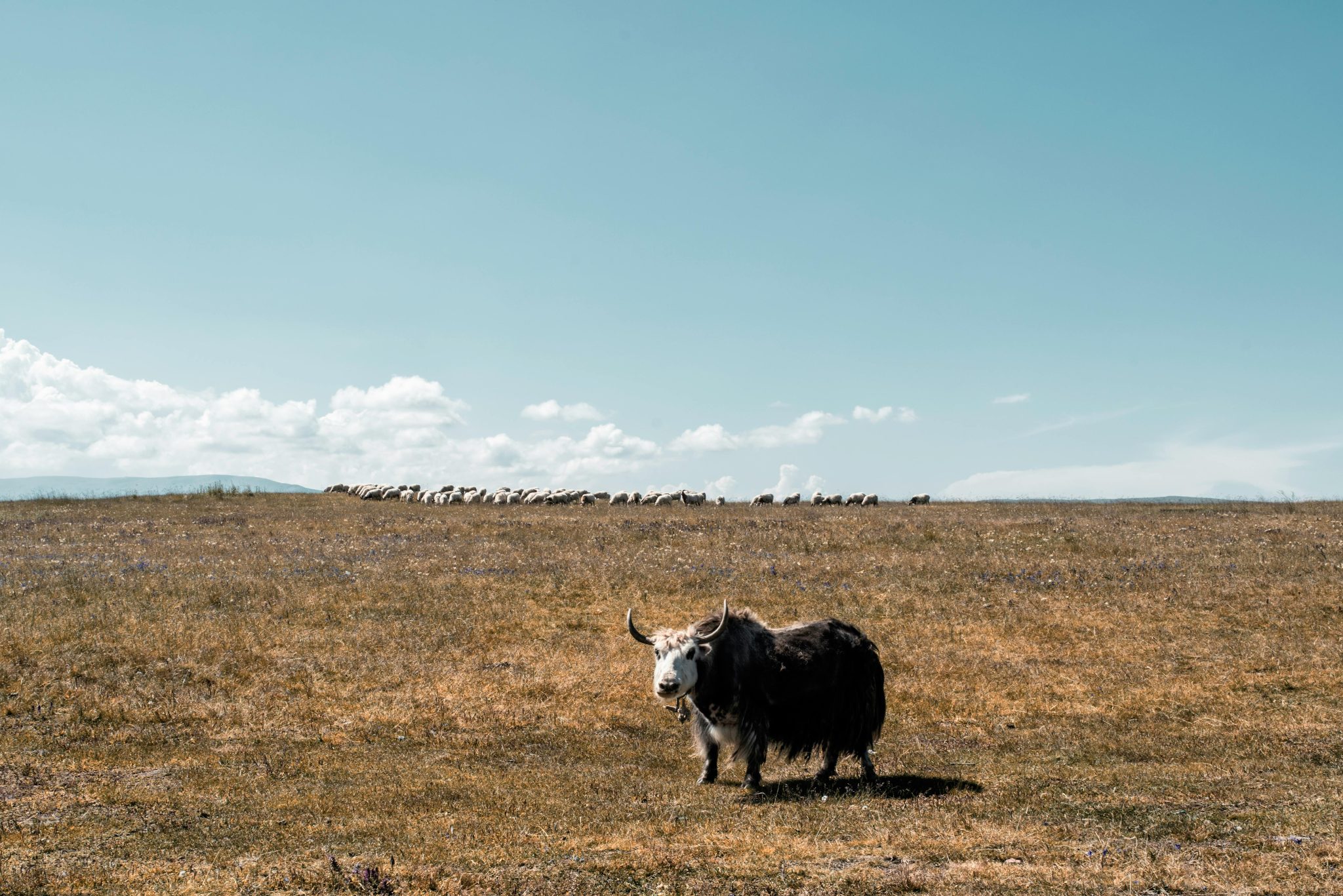
The Role of Yaks in The Langtang Ecosystem
Just like the saying goes, where there is will, there is a way. Regardless of remoteness and inaccessibility, the essential goods are supplied using yaks. Lantang Valley is a Himalayan valley in the north-central part of Nepal. Located 80 kilometers (50 miles) north of the Kathmandu valley in Rasuwa district in Bagmati province.
It is famous for the Langtang trek, where numerous trekkers from around the world flock here during peak seasons (Spring and Autumn). Tourists get fascinated by looking at the snowcapped peaks and the wildlife diversity of Lantang. Tamang culture, summiting Tserko Ri and Kyanjin Ri peaks, staying in Kyanjin Gompa, and wildlife sightings are a few highlights of this trek.
This is a remote location to use yaks for transporting goods across the rugged terrain of Langtang. Yaks play a vital role in sustaining the Langtang ecosystem and local life. Perfectly adapted to the cold, high-altitude terrain, they help maintain alpine meadows by grazing excess vegetation and enriching the soil through their dung, which also serves as an important source of fuel for villagers.
Their movement across the landscape supports grass regeneration and balances the fragile mountain environment. For local Tamang and Tibetan communities, yaks are essential for daily survival, providing milk, butter, wool, and transportation on rugged trails.
In many ways, yaks are not just animals but the heartbeat of Langtang, connecting the natural ecosystem with the cultural and economic life of the people who depend on them.
Life at High Altitude: Why Yaks Thrive Where Few Animals Can
Yaks are designed for life in the rugged, altitude setting of the Himalayas, where they outdo most other animals. In Langtang, they do very well at over 3000 meters, which is a place of extreme temperatures, thin air, and rough terrain.
Their thick shaggy coats are nature’s heating and cooling systems, which protect them from the chilling wind and snow. Also, unlike most farm animals, yaks have large lungs and hearts, which enable them to breathe easily in a low-oxygen environment.
Their wide hooves give them stability on rocky paths, while their short legs help save energy on steep and uneven terrain. The Yaks’ diet is mainly of alpine grass and shrubs, from which they are able to find nutrition in what little is available in very sparse pastures that other animals cannot use.
Also, they require very little care from humans; they do very well through cold winters and low food supply, with great endurance. This resilience makes them crucial for both the ecosystem and the people of Langtang, as they provide milk, meat, and transport in one of the most challenging yet beautiful regions on Earth.
Yak Dung: The Unsung Hero of Energy and Fertility
In the high villages of Langtang, life runs on rhythm, wind, and yak dung. It’s not the prettiest thing to talk about, but up here, it’s gold. Where firewood is scarce and power lines don’t reach, families gather yak dung, shape it into flat rounds, and leave it to dry under the sun.
By winter, those brown disks become warm, slow-burning, smoky, and steady enough to keep a home alive through nights that dip below freezing. It’s nature’s quiet deal with the people, which is warmth without cutting a single tree. Beyond the hearth, yak dung feeds the land too.
Mixed into soil, it breathes life back into the fields, helping barley, potatoes, and buckwheat grow on earth that barely knows softness. Every handful carries the scent of survival, fuel, food, and future, all in one.
In Langtang, yak dung isn’t just a waste. It’s a story of the balance of people learning to live on the mountain, not against it. A small, humble thing keeping one of Nepal’s harshest landscapes alive.


