The Quiet Craft and the Artistry Behind Modern Dining Chairs
Every well-made chair begins with an idea, a quiet study of proportion, posture, and purpose. What seems like a simple piece of furniture is in truth a small work of engineering, art, and ergonomics. It holds the weight of daily rituals, shaping how people sit, eat, and connect. Beyond utility, dining chairs express a space’s personality, balancing comfort with craftsmanship and presence with restraint. The artistry of a well-designed dining chair lies in how it turns everyday moments into gestures of quiet beauty.
The Meaning of Everyday Design
Dining chairs are often the first point of contact in a home’s shared space. They are touched, moved, and used more than almost any other item of furniture. Over time, they record the rhythm of everyday living: a scuff along a leg, the softening of fabric, the patina of wood. Each mark tells a quiet story of gatherings and conversations.
The artistry of a dining chair lies in this intersection of function and familiarity. Good design must serve comfort and endurance while maintaining form. A well-crafted chair does not demand attention; it supports it, both physically and visually, allowing the table and the people around it to take centre stage.
From Sketch to Structure

Designers often describe the process of creating a chair as precise and patient. Every curve and angle must correspond to the natural movement of the body. A difference of a few millimetres can determine whether a chair feels inviting or awkward.
The journey begins with drawings that explore proportion, how height relates to depth, how backrest curvature supports the spine, and how leg placement balances stability with elegance. Prototyping follows, where designers refine these relationships through repetition and touch. A good chair is shaped as much by hand as by measurement.
In this way, a chair becomes an embodiment of both discipline and empathy, built to support the body without confining it.
Material as Language
Material selection transforms a chair from an object into an experience. Timber offers warmth and natural variation, telling its own story through grain and texture. Oak, walnut, and ash each create distinct tones and moods. When paired with fabric or leather, the chair becomes tactile, inviting comfort and contrast.
Modern design experiments with lightweight metals, engineered plywood, and recycled composites. These materials allow designers to create thinner silhouettes and stronger joints while remaining durable and sustainable. The tactile quality of each surface, smooth, woven, or polished, affects how a chair interacts with light and how it feels in the hand.
Material is also emotional. It determines how a chair communicates quietly and naturally, confidently and refinedly, or softly and welcomingly. Designers use material like writers use words: to express tone and personality.
Joinery and Craftsmanship
Behind every elegant dining chair lies a story of craftsmanship. The joints, often unseen, define the chair’s strength and longevity. Traditional methods like mortise-and-tenon or dowel joinery have endured for centuries because they marry precision with durability.
Contemporary makers still rely on these time-tested techniques, often blending them with modern technologies such as CNC machining or laser cutting. This balance allows for precision while preserving the spirit of handwork. Sanding, finishing, and assembly remain tactile processes in which human touch brings out the material’s character.
When done with care, these invisible details give a chair its quiet confidence. It does not squeak, wobble, or flex. Instead, it feels solid, as though it belongs to the space it occupies.
Form, Proportion, and the Human Body
Designing a dining chair means studying how the human body moves and rests. Every angle matters: the tilt of the backrest, the depth of the seat, the curve under the knees. These subtleties determine comfort over long periods.
Ergonomic design translates this understanding into shape. The backrest supports posture, while the seat’s contour distributes weight evenly. Legs are positioned for both balance and elegance, maintaining stability without bulk.
When proportions are right, the chair feels natural. The body settles easily, the shoulders relax, and the furniture seems to disappear into experience. This is the essence of design: serving rather than dominating.
A Dialogue Between Form and Space
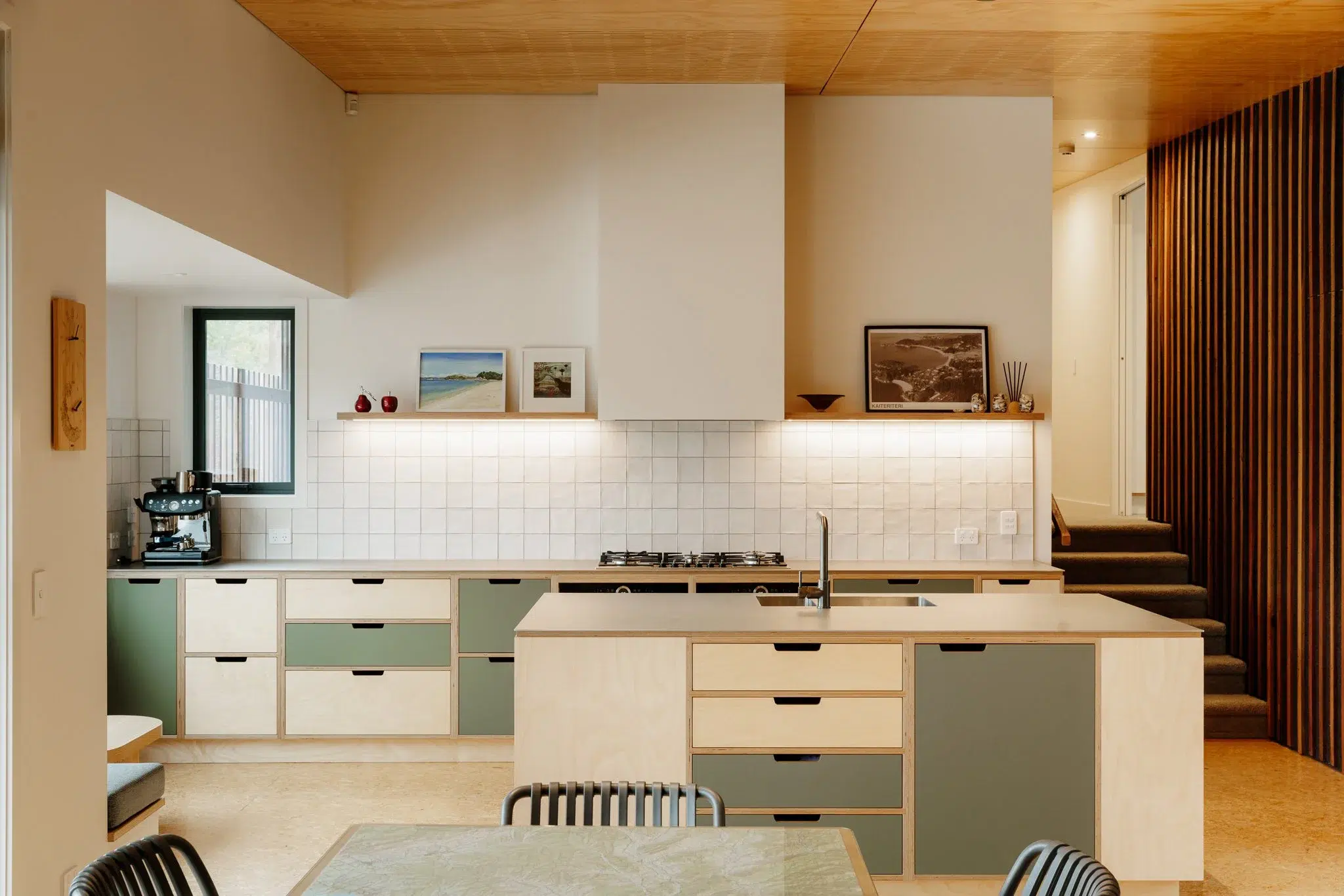
A well-designed dining chair must not only stand beautifully on its own but also in relation to its surroundings. Its form interacts with the table, flooring, and architecture around it. Designers consider how chairs align, how shadows fall, and how repetition creates rhythm.
Texture and tone influence this relationship. Lighter woods open space, while darker tones bring intimacy. Upholstery adds colour and softness, grounding the visual balance between structure and comfort. The goal is harmony, not competition.
A collection of chairs should read like a conversation unified in purpose, distinct in detail. Together, they create the visual tempo of the room, shaping how light moves and how people gather.
Sustainability and the Value of Time
Sustainable craftsmanship values longevity over novelty. A chair made with care should last decades, not seasons. Designers are increasingly turning toward renewable materials, low-impact finishes, and local production methods that reduce environmental strain while supporting artisanship.
Sustainability is also about emotional endurance. When design transcends trends, it remains relevant and cherished. Chairs that age gracefully, gaining patina and softness through use, remind us of the beauty of longevity. In an era of fast production, choosing timeless design becomes an act of preserving craft, culture, and quality.
The Emotional Weight of Craft

A dining chair may seem ordinary, yet it carries emotional weight. It holds stories, welcomes guests, and anchors routine moments that define daily life. Its presence is felt not through grand gestures but through quiet reliability.
Designers often speak of restraint, removing excess until only the essential remains. The best chairs are those where nothing feels forced or decorative. Simplicity becomes sophistication, and comfort becomes an art form.
The true beauty of a chair lies not in its novelty but in its honesty. It reflects the intention behind its making and the care of its use.
Where Design Finds Balance
The artistry of a dining chair lies in harmony between strength and comfort, form and feeling, material and meaning. Each piece represents the meeting of craft and creativity, designed not to impress but to endure.
In a well-curated dining space, chairs complete the conversation started by the table. They bring softness to structure and rhythm to stillness. This relationship between proportion and purpose defines the essence of thoughtful interiors. The same sensitivity to balance and craftsmanship can be seen in Shopica’s dining tables, where enduring design complements the quiet beauty of the modern chair.