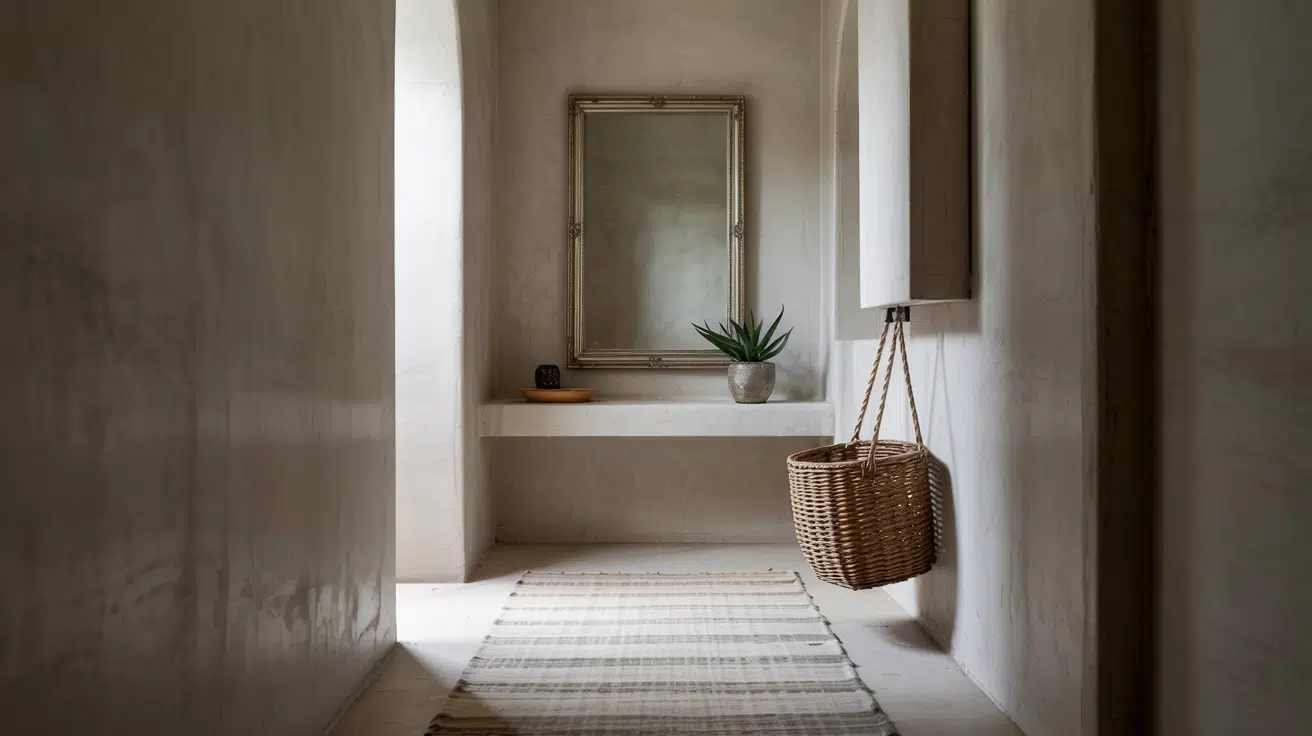
The Psychology of Storage: Why Well-Designed Cabinets Reduce Stress at Home
Storage is often treated as a purely practical concern. You need space for dishes, clothes, papers, and tools, so you add cabinets. Problem solved. But the effect of storage goes far beyond tidiness. The way a home stores its belongings directly influences how the people living in it think, feel, and move through their day.
Clutter is not neutral. It competes for attention and drains mental energy. When storage is poorly designed, everyday tasks take longer and feel harder than they should. When storage is thoughtful and intuitive, the home feels calmer. The difference is psychological, not just visual.
How Clutter Impacts the Brain
The human brain is constantly processing information. Visual stimuli, unfinished tasks, and disorder all demand attention, even when we are not aware of it. A cluttered environment increases cognitive load. This makes it harder to focus, plan, and relax.
Disorganization also leads to decision fatigue. When items lack a clear place, the brain must repeatedly decide where things go and where they might be. Over time, this creates low-level stress that accumulates throughout the day.
Research in environmental psychology consistently shows a connection between messy spaces and higher levels of anxiety. People report feeling overwhelmed more easily and less able to rest in cluttered homes. Order, by contrast, supports clarity and emotional regulation. Storage plays a central role in creating that order.
Custom vs. Generic Storage: Why Fit Matters
Generic storage solutions are designed for averages. Real people do not live in averages. They have specific habits, heights, preferences, and routines.
When cabinets do not fit how a household actually functions, they create frustration. Shelves go unused. Items are stacked awkwardly. Storage exists, but it does not work. This is why many homeowners turn to custom cabinet builders, who design storage around real daily behavior rather than assumed use cases.
Custom or well-planned storage addresses this mismatch. It considers how often items are used and who uses them. It adapts to real behavior rather than idealized organization systems.
Psychologically, this creates comfort. The space feels supportive instead of resistant. Over time, this reduces stress because the home works with you rather than against you.
Cabinets as Psychological Tools, Not Just Furniture
Cabinets are often seen as static objects, but psychologically, they function as tools. They help define what belongs where. They create limits. They hide visual noise.
The simple act of closing a cabinet door provides a sense of completion. Items are contained. The space feels resolved. This matters because the brain is sensitive to unfinished visual cues. Open piles and exposed clutter signal ongoing tasks. Closed storage signals rest.
Well-designed cabinets also provide predictability. When storage is consistent, the brain learns patterns quickly. This reduces mental effort and increases comfort. The home begins to feel easier to navigate, even during stressful moments.
Design Elements That Actively Reduce Stress
Not all cabinets reduce stress equally. Design details matter.
Layout and accessibility are critical. Cabinets that require awkward bending, reaching, or searching create friction. Over time, these small frustrations add up. Storage that aligns with natural movement patterns feels effortless and reduces irritation.
Consistency and symmetry also play a role. The brain prefers order so that it can quickly interpret. Uniform cabinet fronts, aligned handles, and balanced spacing create visual calm. Irregular design can be striking, but it often requires more mental processing.
Materials and finishes also influence mood. Soft, neutral tones tend to feel grounding. Natural textures such as wood introduce warmth without visual clutter. Highly reflective or heavily patterned surfaces can overstimulate.
Functionality matters too. Quiet mechanisms, smooth drawers, and soft-close doors reduce sensory stress. Loud or obtrusive hardware disrupts the sense of calm that a well-designed space should foster.
The Role of Cabinets in Daily Routines
Daily routines shape how we experience our homes. Cabinets sit at the center of many of these routines, from morning coffee to evening cleanup.
When storage is intuitive, tasks take less time. You do not pause to search or reorganize. Everything has a place, and that place makes sense. This reduces micro-stress throughout the day.
Efficient storage also supports faster decision-making. Choosing clothes, preparing meals, or putting items away becomes automatic. The brain conserves energy for more important decisions.
These small efficiencies compound. Over weeks and months, a home with good storage feels calmer simply because it removes friction from daily life.
Storage, Identity, and a Sense of Control
An organized home is often associated with self-discipline and control. This is not accidental. Order reinforces the feeling that life is manageable.
Cabinets contribute to this by supporting personal standards. When storage makes it easy to maintain order, people are more likely to do so. This reinforces positive habits without constant effort.
Storage also allows for balance. It supports minimalism without requiring extreme reduction. Items can exist without dominating the space. This helps people feel in control without feeling deprived.
That sense of control is deeply calming. It anchors the home in stability rather than chaos.
Practical Tips: Designing Stress-Reducing Cabinets
Effective cabinet design starts with behavior. Before choosing finishes or layouts, observe how the space is used. Identify pain points and repeated frustrations.
Visibility should be intentional. Frequently used items should be easy to see and reach. Less attractive or rarely used items benefit from concealment.
Avoid overcomplication. Too many compartments can become as stressful as too few. Simplicity supports clarity.
Finally, design for real life. Perfectly styled cabinets are not the goal. Functional, forgiving storage that accommodates daily habits is far more valuable.
Conclusion: Designing for the Mind, Not Just the Space
Well-designed cabinets are not just about storage capacity. They shape how a home feels on a psychological level. They reduce visual noise, support routines, and conserve mental energy.
Investing in thoughtful storage is an investment in long-term well-being. It creates a home that feels calm, predictable, and supportive.
Less chaos leads to more clarity. And often, that clarity starts behind closed cabinet doors.