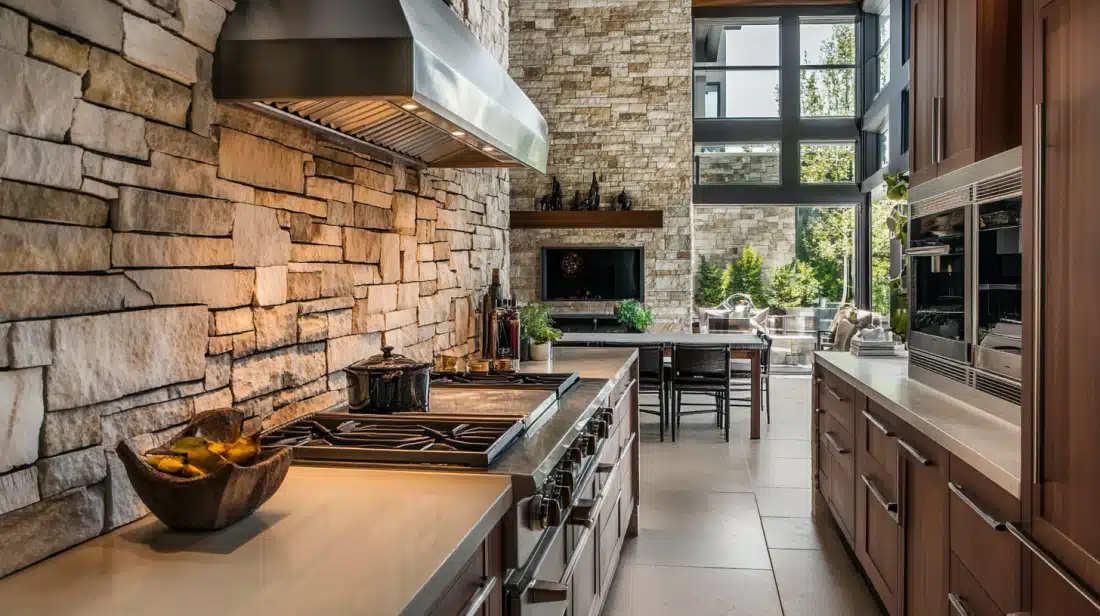
Sustainable Materials for Stylish Homes: Earth‑Friendly Building Options That Look Great
Picture a home that feels warm, looks modern, and quietly helps the planet breathe easier. That is the promise of sustainable building materials—products chosen and crafted to keep carbon, toxins, and waste low without forcing you to sacrifice design flair.
As interest in green construction grows, so does the demand for eco-conscious practices across industries, including civil engineering. San Antonio, in particular, has seen a rise in sustainable design efforts, with civil engineering San Antonio firms incorporating greener materials into everything from stormwater systems to public buildings. Whether you’re planning a remodel or a new build, understanding these materials can help you make choices that are both stylish and environmentally smart.
Below is a clear-spoken guide to today’s most exciting earth-friendly options, how they perform, and why they’re changing the face of construction—one sustainable step at a time.
1. Style and Sustainability Can Co‑Exist
For years, eco‑friendly choices carried a “rustic only” stigma. New engineering methods, however, let architects mill, mold, and finish green components in ways that rival concrete, marble, and exotic hardwoods for sheer visual impact. The result: you can now lower embodied carbon, improve indoor air quality, and still nail the clean lines or cozy textures you have pinned on your mood board.
2. Timber Re‑Imagined
Cross‑Laminated Timber (CLT)
CLT panels sandwich layers of softwood in alternating directions—think giant plywood on steroids. The criss‑cross pattern boosts strength while staying far lighter than concrete, which cuts transportation emissions and foundation loads. Designers love leaving the honey‑toned surface exposed for an instant Scandinavian vibe.
Reclaimed & FSC‑Certified Wood
Pulling beams from retired barns or rivers gives lumber a second life and a story to tell. When new stock is required, look for Forest Stewardship Council (FSC) certification; it signals responsibly managed forests where planting matches or exceeds harvesting. Pairing reclaimed oak flooring with crisp white walls creates an effortless modern‑farmhouse look.
3. Fast‑Growing, Fast‑Renewing Heroes
|
Material |
Key Perks |
Design Notes |
|
Bamboo |
Regenerates in four–six years, naturally pest‑resistant |
Available in wide planks, edge‑grain panels, and decorative veneers that mimic tropical hardwoods |
|
Cork |
Harvested from bark without felling the tree; superb acoustic and thermal insulation |
Comes in tiles or floating floors; soft, warm underfoot, great for bedrooms and nurseries |
4. Plant‑Based Composites That Insulate and Breathe
Hempcrete
Mix hemp hurd (woody core) with lime and you create blocks or spray‑on insulation that locks away more CO₂ than it emits during production. Hempcrete also resists mold, fire, and pests—ideal for interior wall systems that regulate humidity naturally.
Straw Structural Panels
Prefabricated straw panels encased in timber frames deliver high R‑values and meet stringent fire codes. Their muted wheat color can be left exposed behind slatted screens for a resort‑style aesthetic.
Mycelium Insulation
Fungal root networks grown in molds create lightweight boards that slot between studs. Once heat‑treated, mycelium becomes inert, odorless, and surprisingly strong, offering an ultra‑low‑carbon alternative to polystyrene. Recent European pilots are moving this tech from lab to permanent walls.
5. Re‑Thinking Stone and Concrete
Portland cement alone accounts for about 8 percent of global CO₂. Swapping even part of it for industrial by‑products or earth reduces that footprint dramatically. These material innovations are not just for private homes; they’re gaining traction in land development services as well, where planners and engineers aim to reduce emissions at the earliest stages of construction.
- Fly‑ash or slag blended concrete: Replaces up to 50 % of cement; yields a soft gray finish perfect for minimalist interiors.
- Geopolymer mixes: Activate alumino‑silicate waste with alkaline solutions, creating rock‑hard slabs without limestone kilns.
- Rammed earth & stabilized adobe: Local soil compacted in layers forms sculptural walls with warm striations. Add an earth‑toned sealer for a gallery‑like backdrop to modern furniture.
6. Metals and Glass with a Past
Recycled Steel & Aluminum
Both metals can be melted repeatedly with little quality loss. Opting for recycled content slashes energy demand by up to 75 percent versus virgin smelting. Brushed steel stair stringers or matte‑black aluminum window frames give an industrial edge without the guilt.
Upcycled Glass & Plastic Surfaces
- Glass terrazzo counters combine post‑consumer bottles with cement or resin binders, flashing jewel‑like chips under pendant lights.
- Recycled‑plastic tiles mimic encaustic patterns yet shrug off moisture—excellent for colorful bathroom accents.
These options divert tons of waste from landfills while adding bold texture.
7. Finishes That Let Walls Breathe
- Low‑ and zero‑VOC paints: Modern formulations swap petroleum solvents for water‑based carriers, eliminating the “new‑paint headache.” Look for GreenGuard Gold or ECARF labels.
- Natural sealers & plasters: Limewash, clay plaster, and beeswax finishes provide soft matte hues and regulate interior humidity. Pair a sage‑green limewash with reclaimed beams for an inviting, earthy palette.
- Rapidly renewable textiles: Hemp or organic cotton drapes complete the package, ensuring every layer, down to window treatments, aligns with your eco goals.
8. How to Select the Right Mix
Choosing materials is about more than buzzwords. Use the quick checklist below to keep decisions grounded:
- Audit your climate zone: Moist coastal air favors mold‑resistant hempcrete; dry deserts pair well with thick rammed‑earth walls.
- Calculate embodied carbon: Tools like EC3 compare kg CO₂e per cubic meter so you can weigh bamboo versus FSC pine objectively.
- Source locally: A CLT panel trucked 1,500 miles erodes its green edge. Seek regional mills or reclaim material within a two‑hour drive.
- Demand transparency docs: Environmental Product Declarations (EPDs) reveal supply‑chain impacts that marketing brochures may gloss over.
- Consider end‑of‑life: Can the material be disassembled, recycled, or composted? Mycelium boards, for instance, biodegrade in months.
- Blend finishes for contrast: Match sleek recycled‑steel handrails with warm cork floors to avoid a one‑note look.
9. Real‑World Styling Tips
- Contrast textures: Pair rough‑sawn reclaimed oak with polished concrete countertops for visual depth.
- Show the structure: Exposed CLT ceilings double as finish, meaning fewer added materials and costs.
- Use color strategically: Low‑VOC whites brighten small rooms; earth‑pigment limewashes highlight built‑in niches.
- Let light guide you: Larger recycled‑aluminum window frames bring daylight deep into rooms, reducing energy bills and highlighting natural grain patterns.
- Think beyond walls: Recycled‑plastic planters, cork bulletin boards, and bamboo pendant shades carry the sustainable story through every detail.
10. The Payoff: Beauty that Builds a Better Future
Investing in sustainable building materials is more than a design choice—it is a quiet vote for cleaner air, healthier forests, and vibrant communities of makers finding value in what was once waste. Each bamboo panel, mycelium board, or terrazzo countertop whispers the same truth: good style and good stewardship belong together.
So whether you are sketching a dream kitchen or planning a full ground‑up build, let these earth‑friendly options inspire confident, creative decisions. Your home will look stunning today—and the planet will thank you tomorrow.
civil engineering San Antonio