16 Smart and Creative Kitchen Soffit Ideas
Got some big boxy walls above your kitchen cabinets that feel out of place? That’s a kitchen soffit—I had the same question when I first ran into one. If you’re not sure what to do with it, you’re in the right spot.
Kitchen soffits can make a space feel cramped, outdated, or just awkward. But don’t worry—there are ways to work with them.
In this blog, I’ll walk you through real kitchen soffit ideas that helped me: from hiding them, dressing them up, reusing the space, or even taking them out.
I’ll also go over what to watch for behind the soffit and the pros and cons of each option.
Let’s find a fix that works for your kitchen and your style.
What is a Kitchen Soffit?
A kitchen soffit is the boxy structure you often see above kitchen cabinets. It fills the space between the top of the cabinets and the ceiling. It’s usually made of drywall or wood and painted to match the wall or cabinets.
Soffits aren’t just for looks—they actually serve a purpose.
They Hide What You Don’t Want to See: Inside a soffit, you might find air vents, wiring, or pipes. Without it, all of that would be exposed and messy.
They Close the Gap: Sometimes there’s space between the tops of cabinets and the ceiling. Soffits help cover that area so it doesn’t gather dust or feel unfinished.
They Help Cut Costs: Building taller cabinets is expensive. Soffits give builders a way to fill the space without the extra cost.
Common Problems With Kitchen Soffits
Soffits can be helpful, but they’re not always the most attractive feature in a kitchen.
Here are a few common complaints:
- They can make the kitchen feel more cramped or closed off.
- Older homes often have soffits, but newer designs usually skip them for a more open feel.
- If you take out the soffit, you might have room to install taller cabinets, which means more storage.
Amazing Kitchen Soffit Ideas to Try
If your kitchen soffit feels out of place, don’t worry, you’ve got options. Here are some creative and practical ideas to help you make the most of that space.
Disguising Soffits
Make your soffit blend into the background with clever tricks that match your kitchen’s colors, textures, and cabinet designs.
1. Paint to Match the Wall
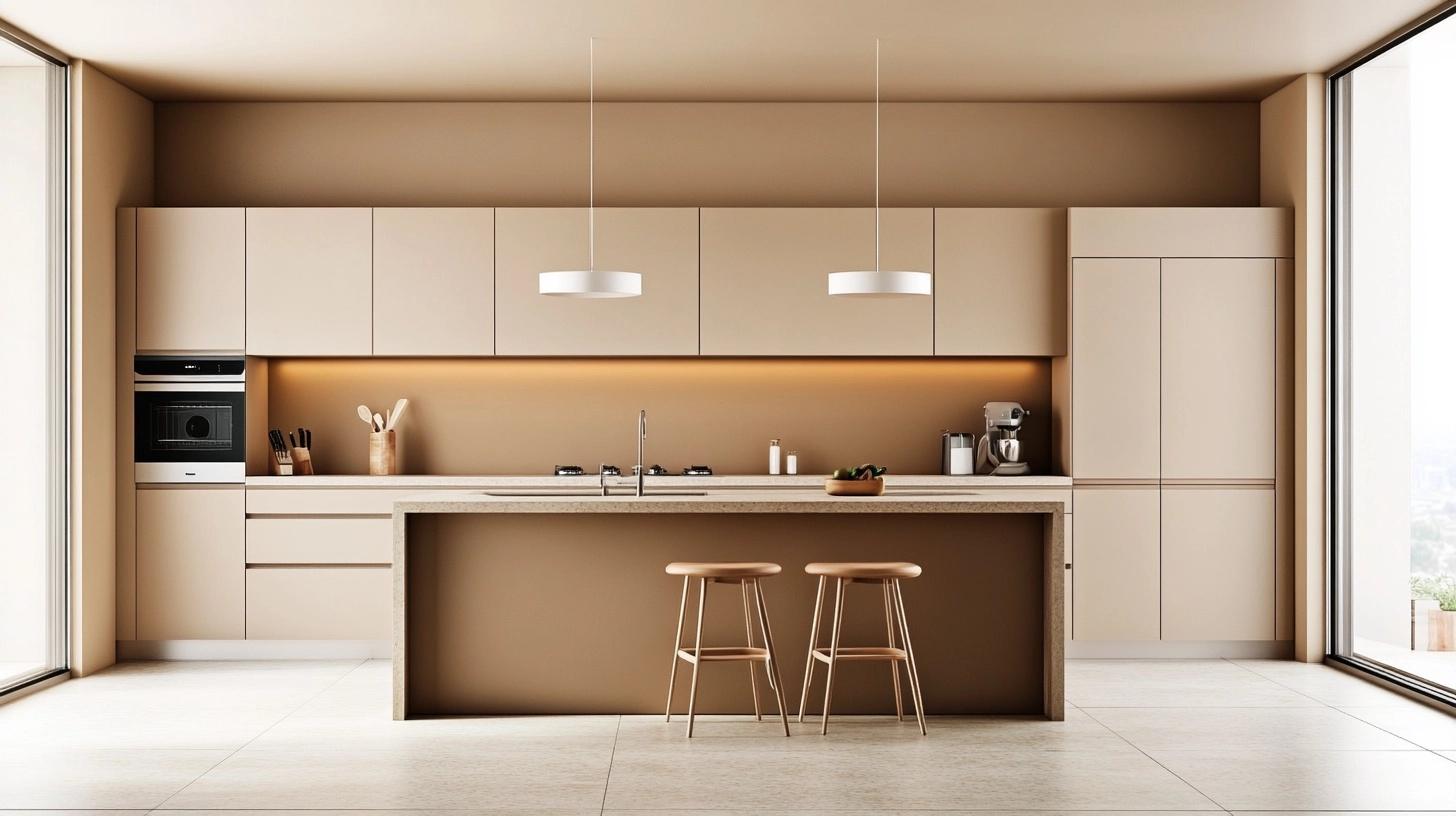
One of the quickest ways to make a soffit less noticeable is to paint it the same color as your walls. This trick helps the soffit blend in and not interrupt the flow of the room.
It’s easy to do, budget-friendly, and works well in most kitchens. For a clean and calm look, choose a neutral paint color that matches the walls exactly or very closely.
2. Use Crown Molding
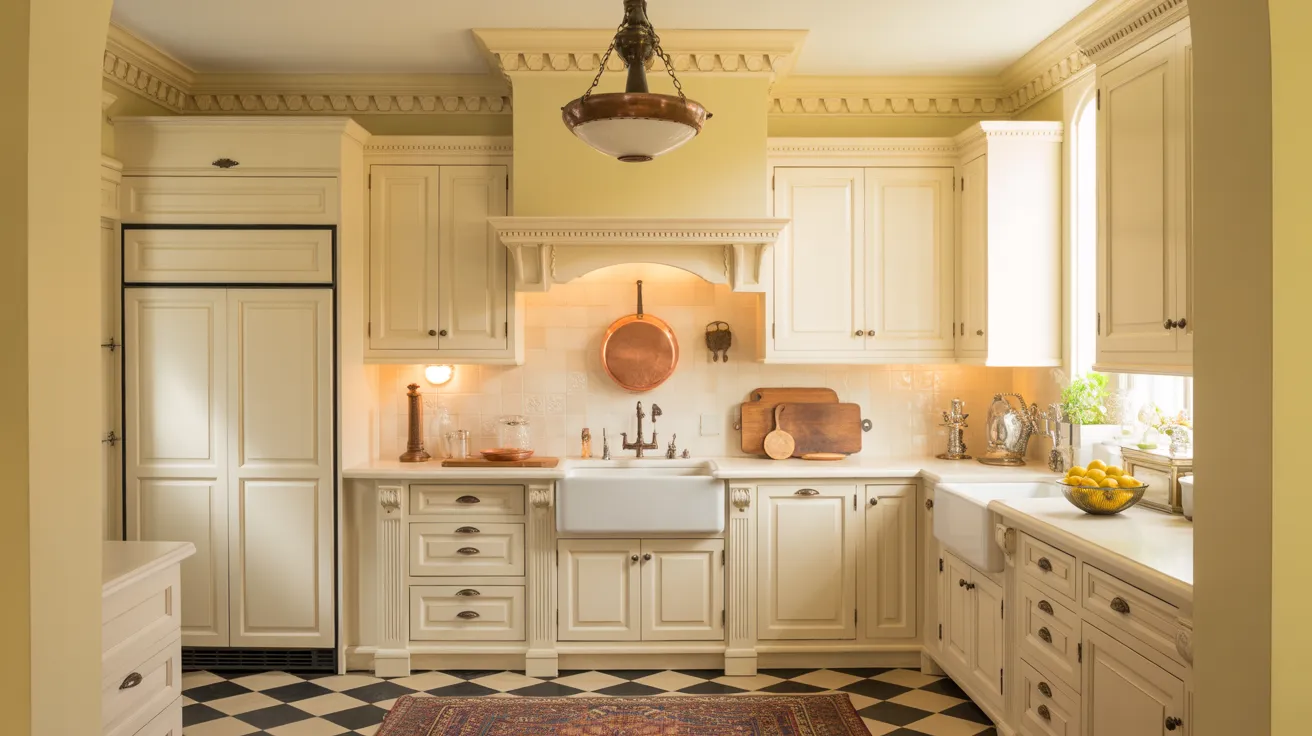
Crown molding gives a soffit a polished, finished look. It helps connect the soffit with the ceiling and makes it feel more like part of the original kitchen design.
This is a good idea for traditional or formal kitchens, but simple molding can also work in modern spaces. The added trim brings visual balance and can help hide uneven lines where the soffit meets the ceiling.
3. Add Beadboard or Shiplap
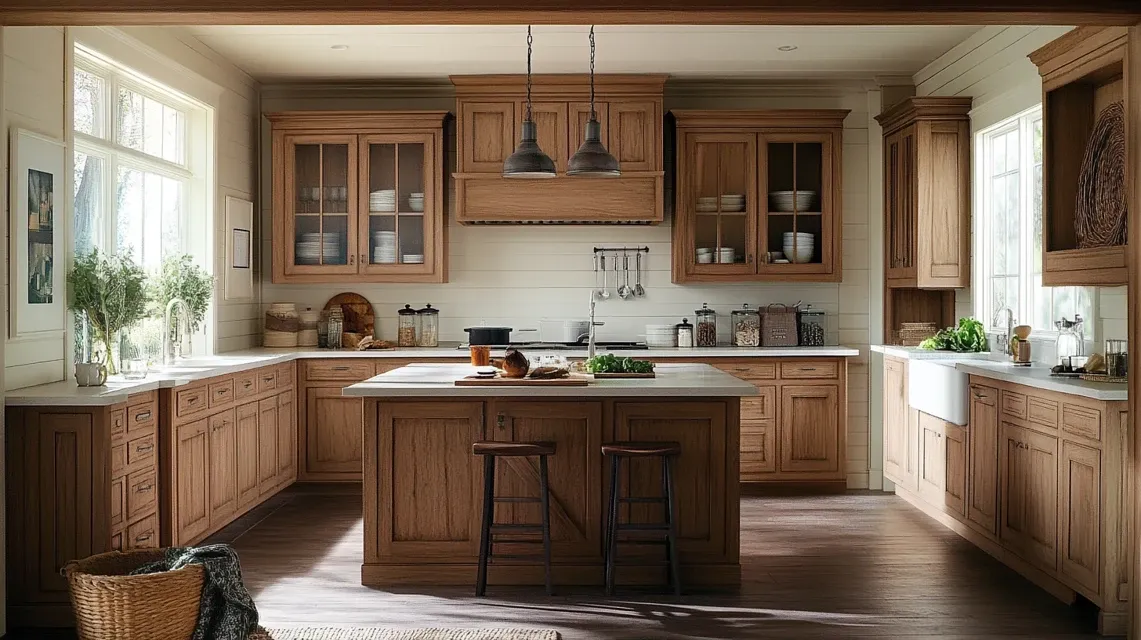
Adding beadboard or shiplap to your soffit gives it texture and style. These panels work especially well in farmhouse, rustic, or cottage kitchens. You can paint them white for a bright look or match them to your cabinets.
This approach turns the soffit into a charming feature instead of something to hide. It’s also a great way to bring personality into a plain kitchen.
4. Match Cabinet Color
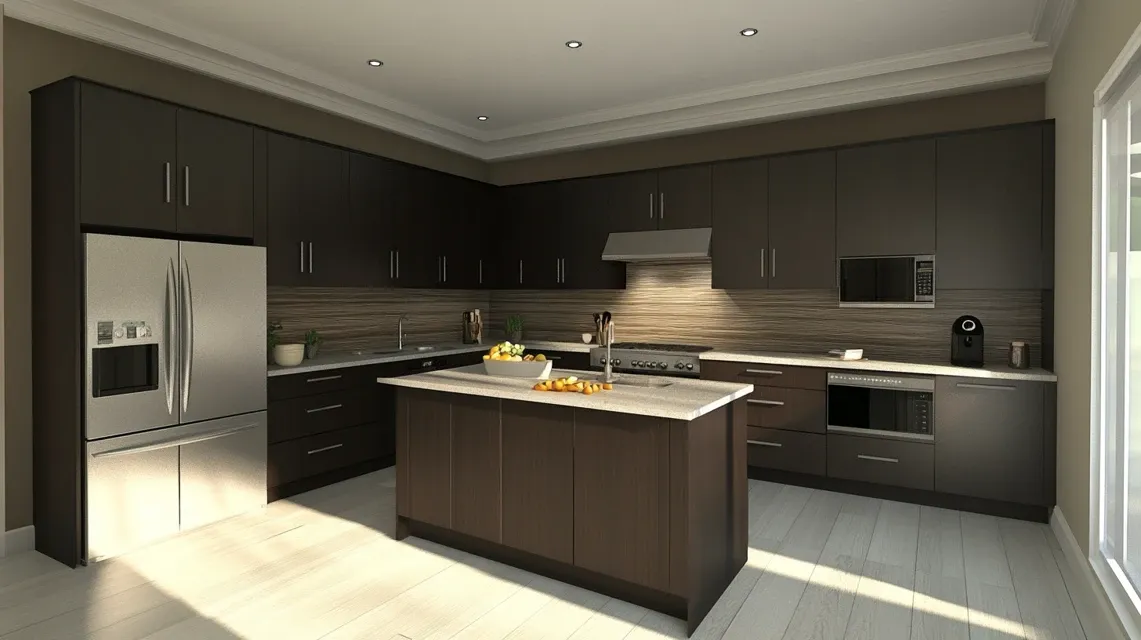
Painting the soffit the same color as your kitchen cabinets makes it feel like an extension of them. This helps your kitchen look more unified and clean.
When the soffit blends with the cabinetry, it no longer looks like an extra box on the wall. This simple step is effective, especially in kitchens with tall upper cabinets or dark colors that add depth to the space.
5. Extend Cabinets Upward
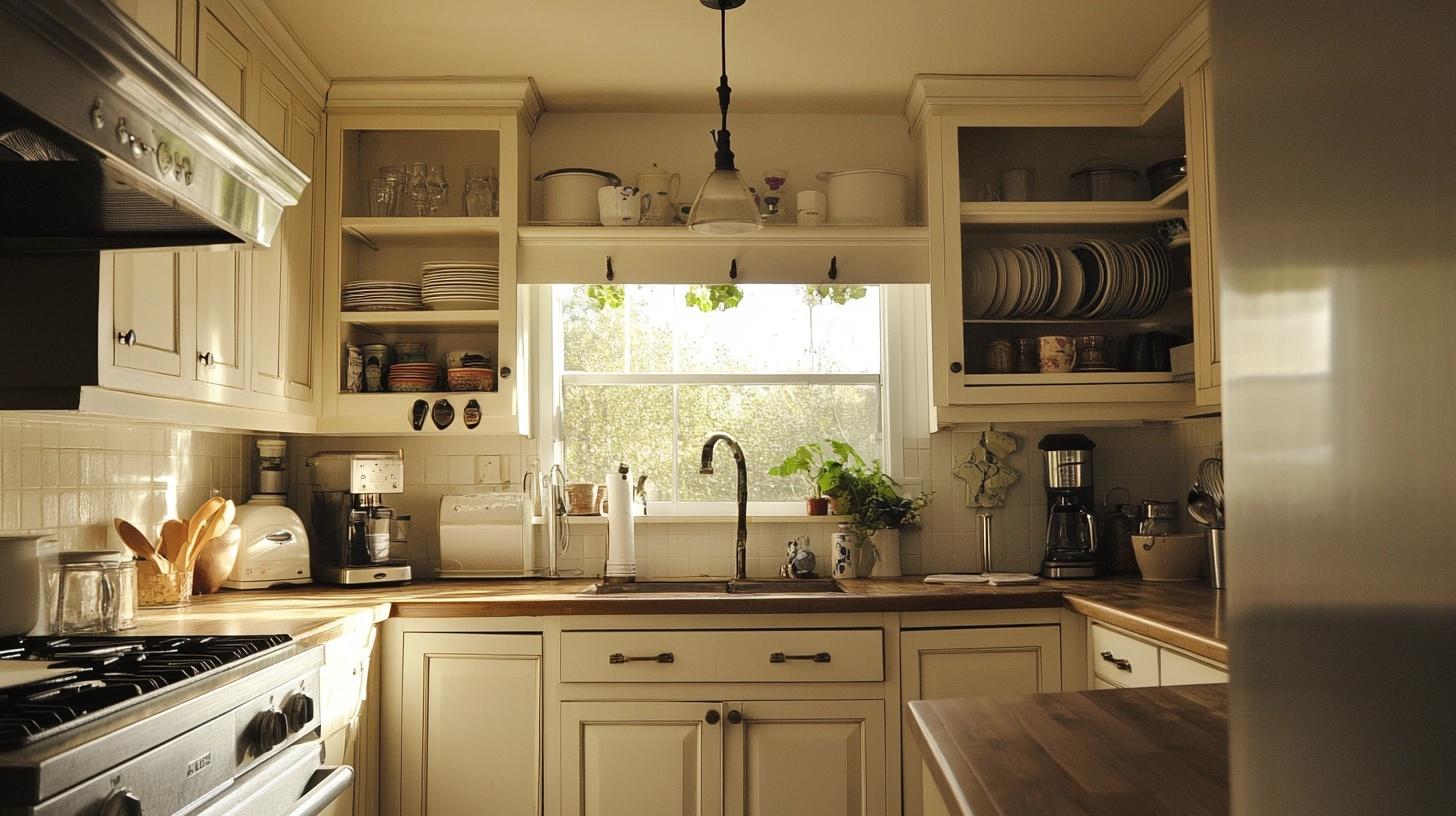
You can create faux cabinet fronts on the soffit to make it look like the cabinets go all the way to the ceiling. These panels don’t need to open; they just need to match your cabinet style.
It gives your kitchen a custom, built-in appearance. This trick is especially good for older homes where soffits were added later, and you want everything to look connected and seamless.
6. Install Wallpaper or Decals
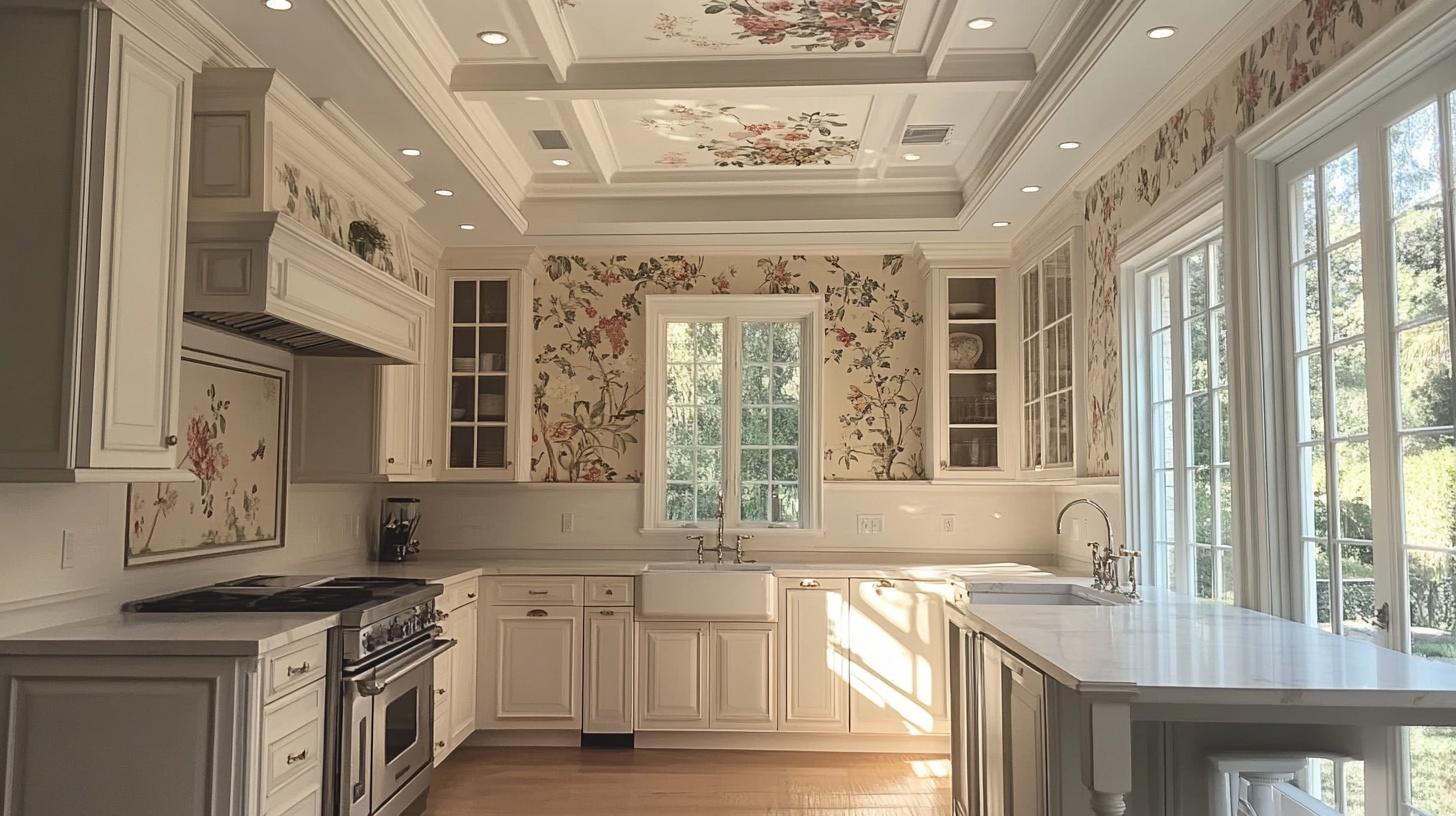
Peel-and-stick wallpaper or decals can bring color and pattern to a plain soffit. Choose designs that match your kitchen’s look: floral, geometric, or simple stripes.
This method is great for renters since it’s removable. You can also swap it out whenever you want a new look. It’s a fun and creative way to turn a dull area into something that adds interest and charm.
7. Add Faux Cabinet Doors
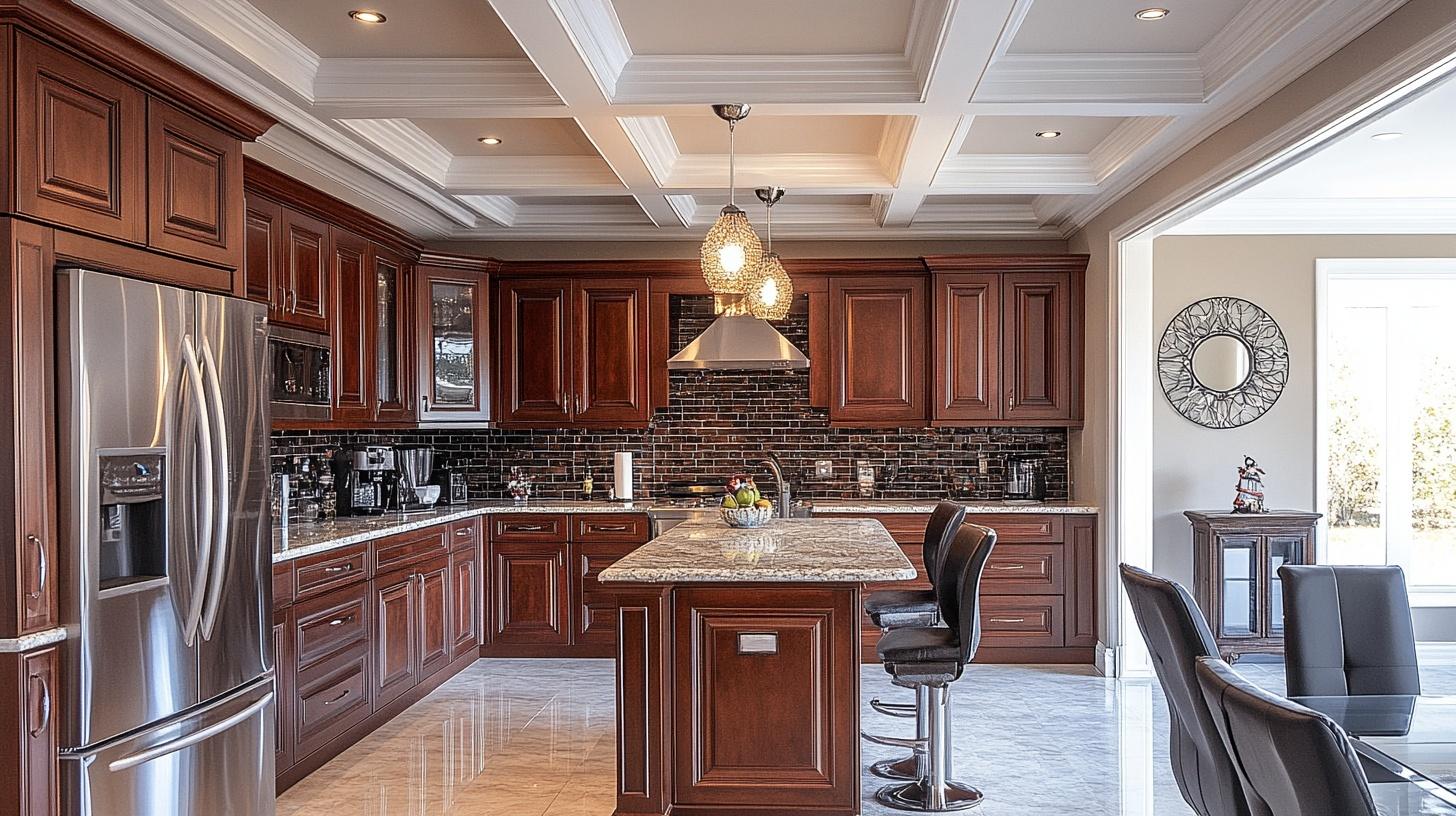
Attach faux cabinet doors or trim pieces to the front of the soffit to make it look like part of your cabinetry. This makes the soffit seem like hidden storage, even if it’s not.
Choose doors that match your cabinet color and style for a seamless appearance. This idea is perfect for traditional kitchens or anyone who wants their soffit to blend in instead of stand out.
Decorating Soffits
Turn your soffit into a fun, stylish feature by adding decor, lighting, or personal touches that show off your personality.
8. Display Art or Vintage Signs

Turn your soffit into a space for small artwork or vintage kitchen signs. Use lightweight pieces that won’t damage the soffit.
Framed recipe cards, fun food quotes, or antique metal signs all work great. This adds personality and warmth to your kitchen. It’s especially nice if your soffit is at eye level and easily seen.
Choose pieces that reflect your taste and the kitchen’s overall style.
9. Add Potted Plants or Hanging Herbs
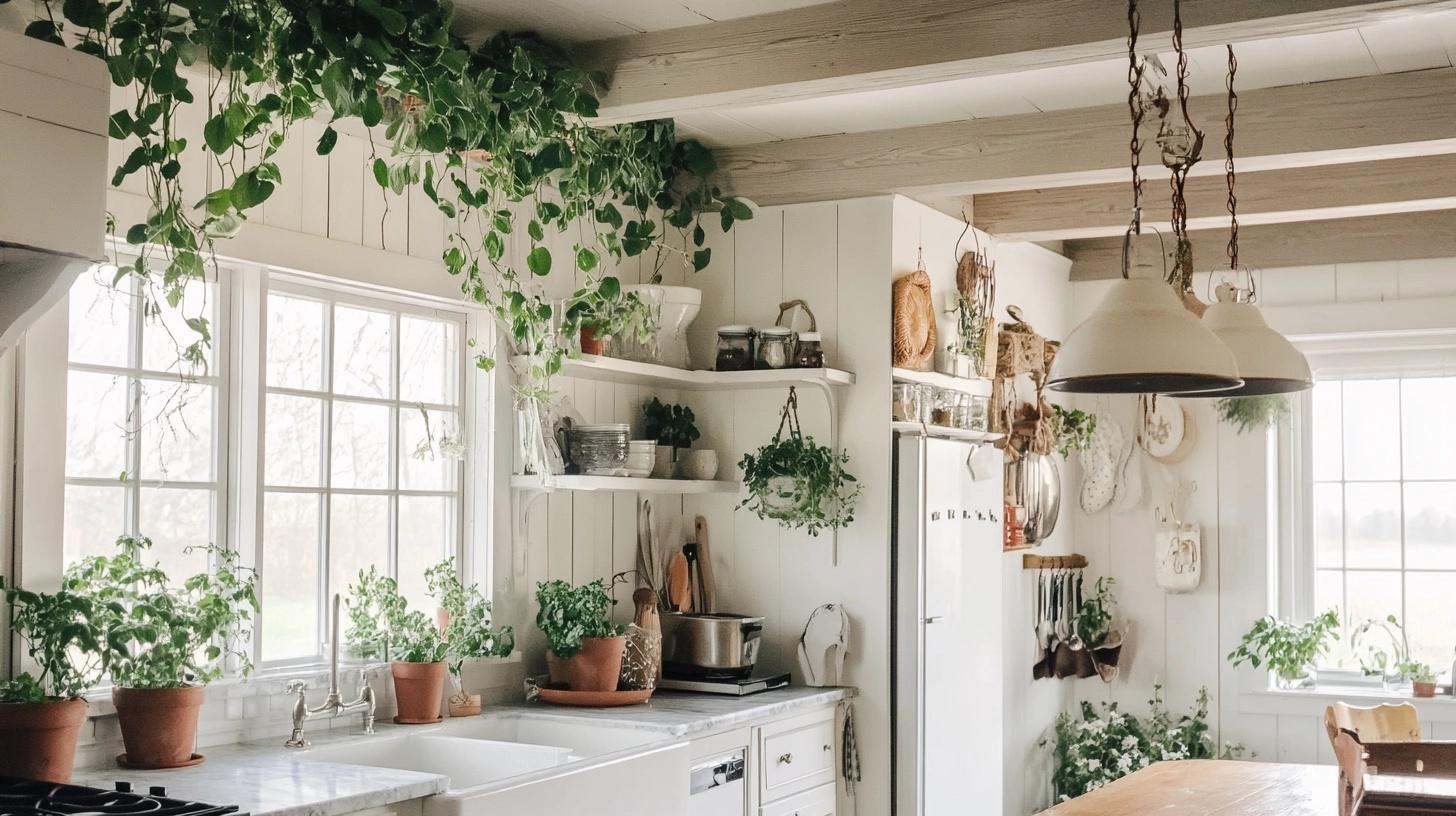
If your soffit has a flat top, it’s a great place for small potted plants or faux greenery. Use trailing vines, succulents, or even herb planters for a fresh, natural feel.
Hanging herb baskets nearby can add a nice touch, too. Plants bring color and life to the kitchen. If you don’t have good light or time to care for real plants, good-quality fake ones work fine.
10. Use LED Strip Lighting
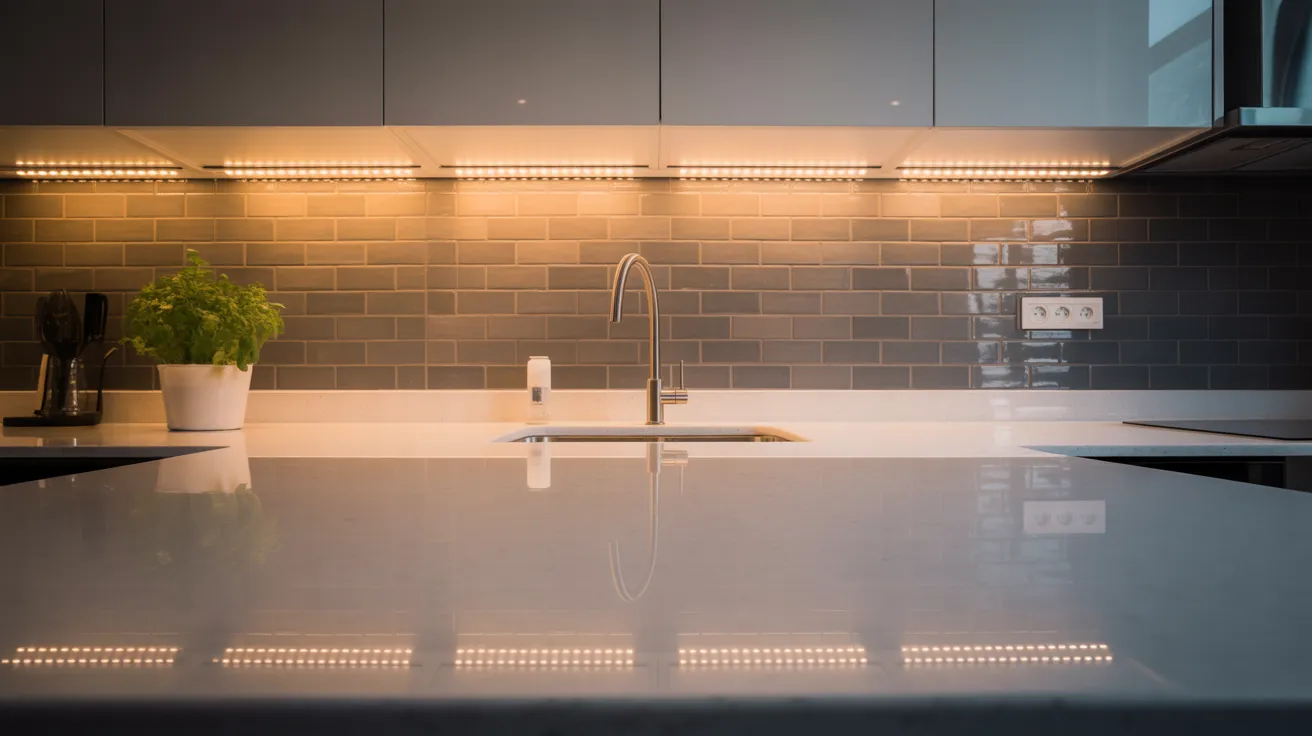
Install LED strip lights under the soffit for a soft glow that lights up your countertops. This is both stylish and practical.
LED strips are easy to attach and come in many colors or warm tones. Some even come with remotes. They’re perfect for modern kitchens or anyone who wants to add mood lighting. These lights also help when cooking or preparing food at night.
11. Create Seasonal Displays
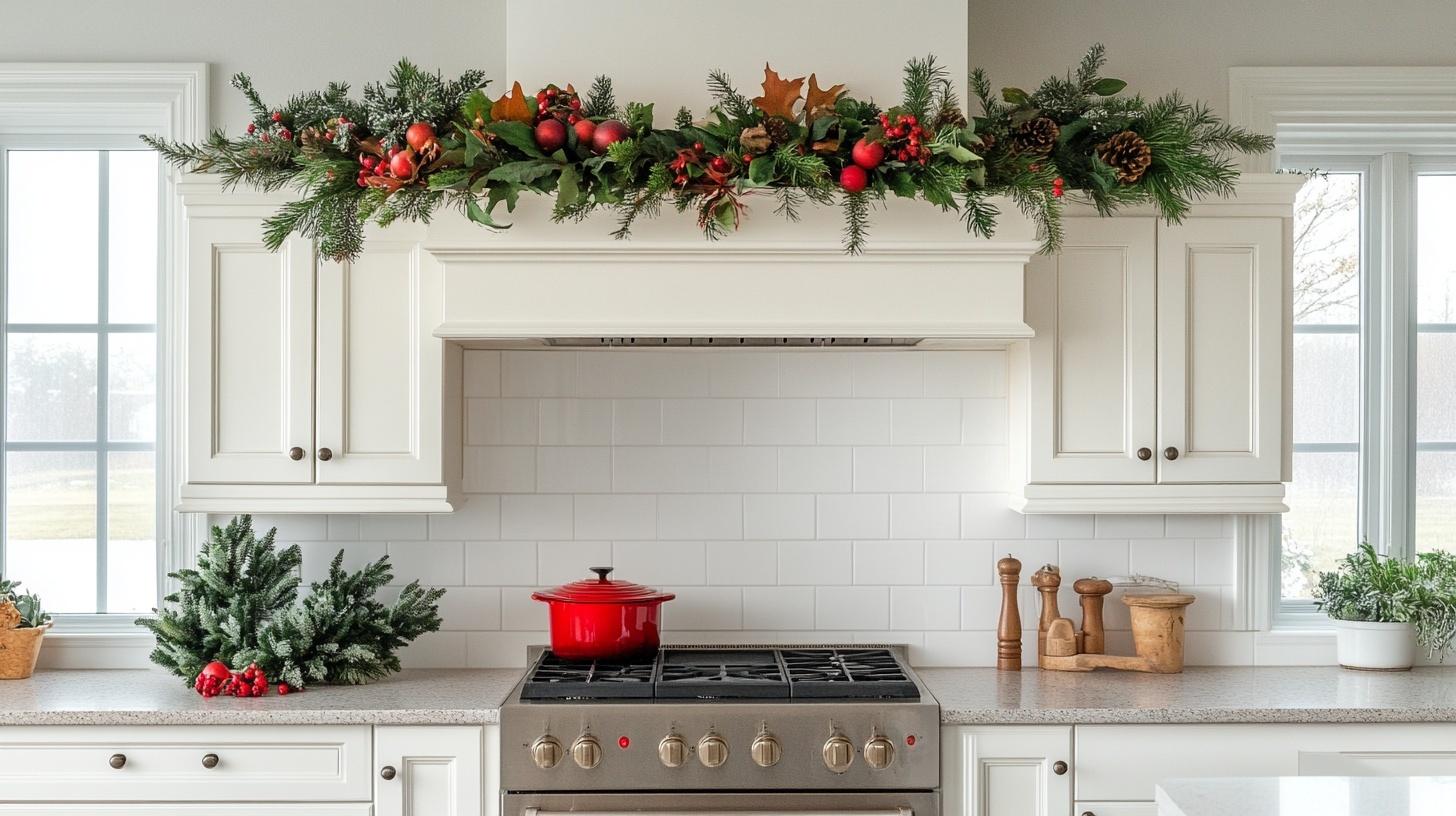
Use the soffit as a display area for seasonal decorations. In fall, add pumpkins or leaves. For winter, hang snowflakes or string lights.
Spring can bring flowers, and summer can feature lemons or bright colors. You don’t need to overdo it—just a few pieces go a long way. This idea keeps your kitchen feeling fresh and fun all year round without taking up counter space.
12. Install a Gallery Wall
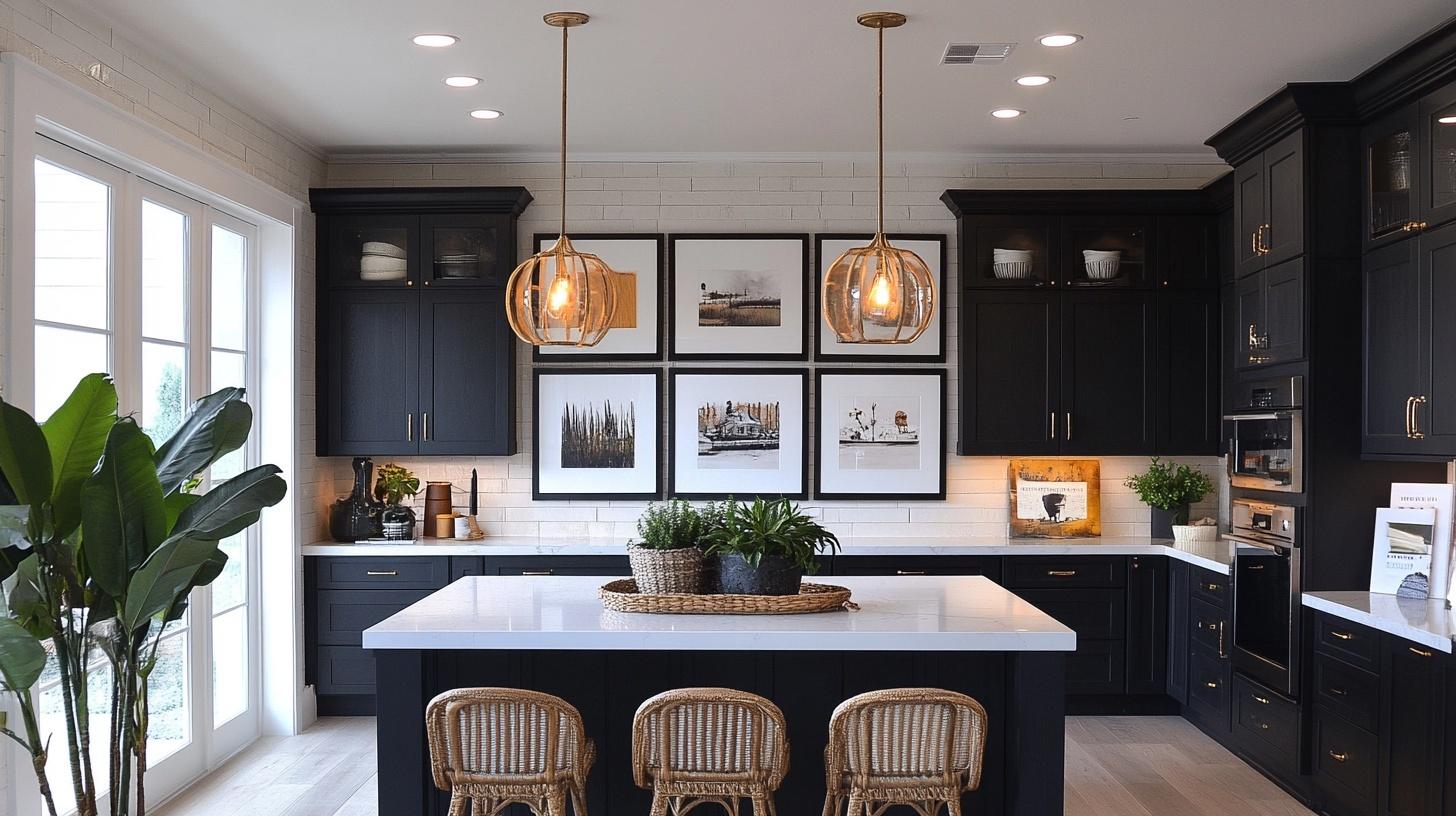
Use your soffit to show off personal items like family photos, kids’ art, or framed recipes. Treat it like a mini gallery wall. Keep the frames small and lightweight.
This adds a personal touch to your kitchen and turns the soffit into something meaningful. You can also swap out the items from time to time for a fresh look or to show off recent memories.
13. Create a Message Board
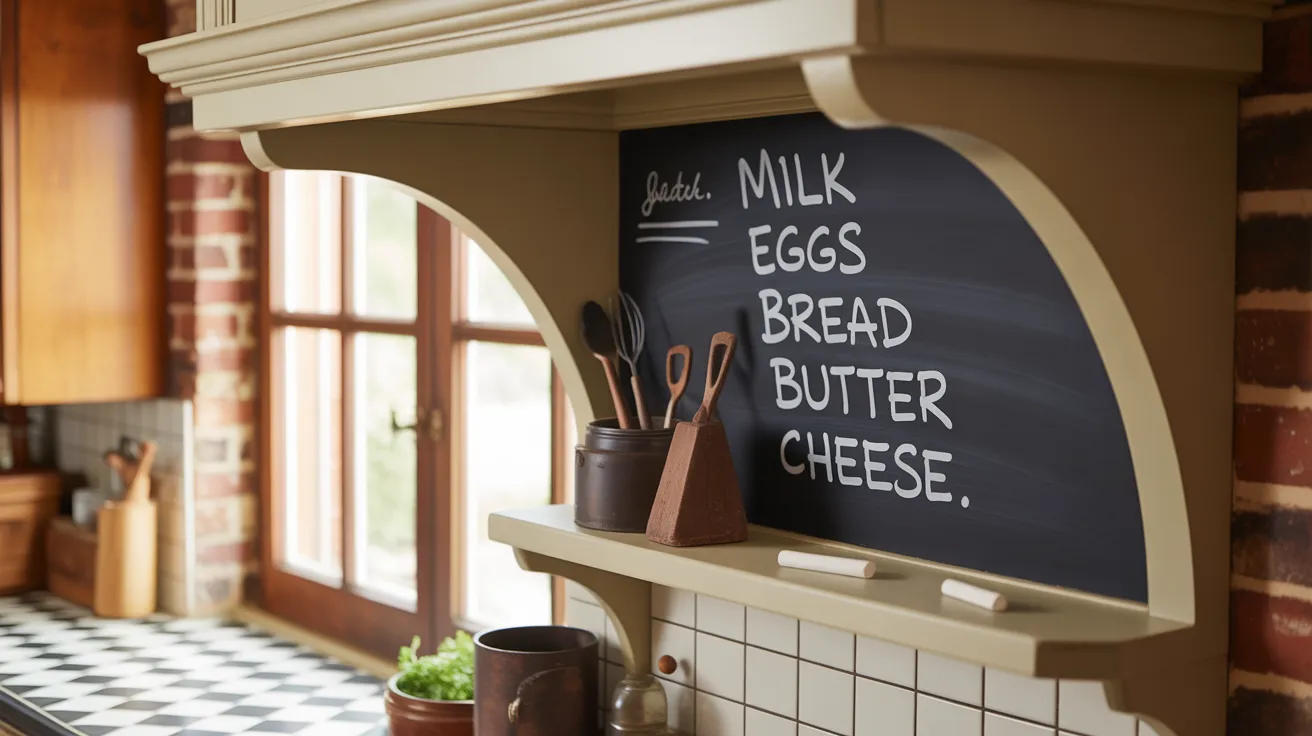
Turn your soffit into a useful space by painting it with chalkboard or whiteboard paint. You can write notes, grocery lists, or daily reminders right on the surface.
This is especially great for busy households or families. Add a little shelf underneath with chalk or markers. It’s functional and fun, and it turns a boring soffit into something you’ll use every day.
14. Add a Tile Feature
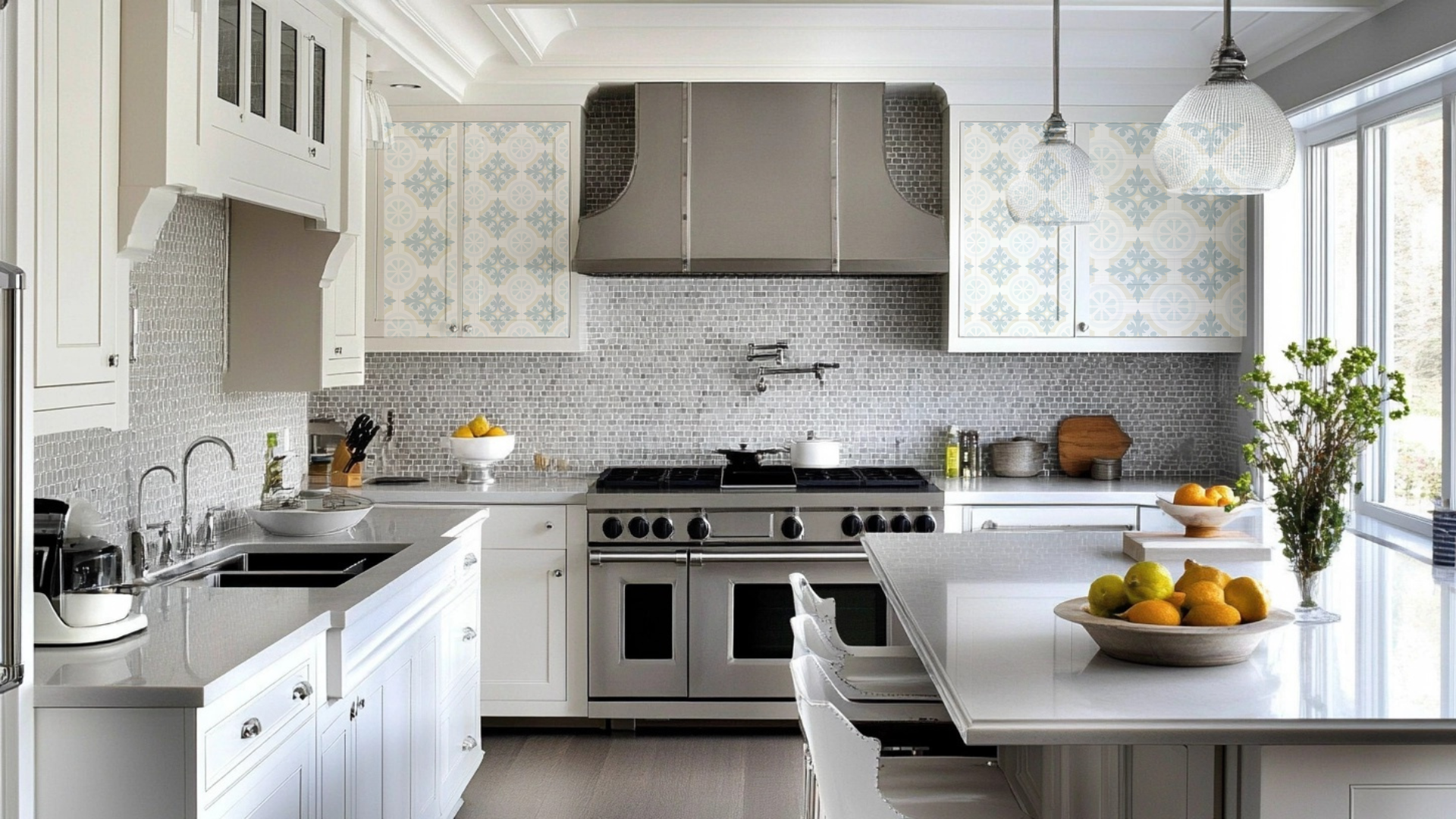
Apply tile to the face of the soffit to create a design element similar to a backsplash. Use simple patterns or small mosaic tiles.
You can go with neutral shades or bold colors, depending on your style. Tile adds texture and interest without being too bold. Peel-and-stick tiles make the job even easier.
This works especially well in kitchens with tiled backsplashes or modern details.
Repurposing or Building Around Soffits
Can’t remove it? Make it useful with shelves, ledges, or trim that add function and style to the space.
15. Build Additional Shelves
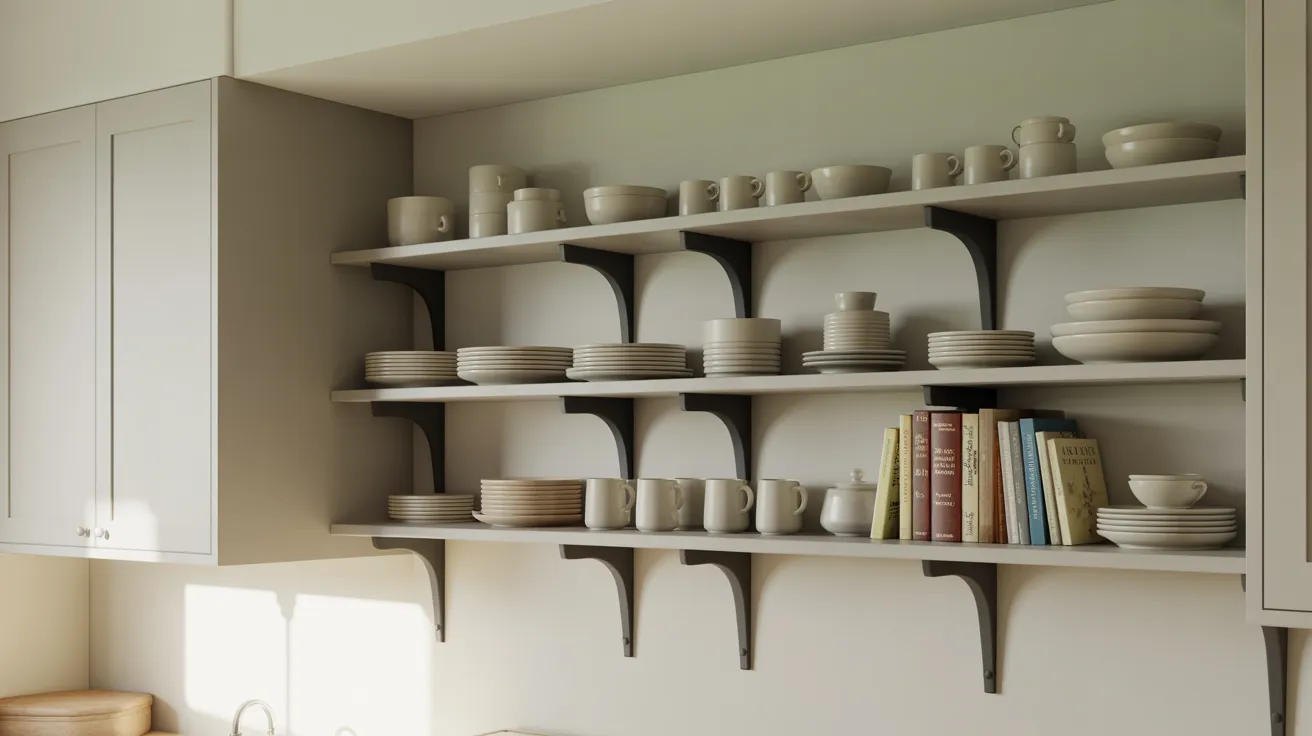
If there’s space between your cabinets and the soffit, add a row of open shelves below it. These shelves are perfect for storing dishes, mugs, or cookbooks.
They also help fill awkward gaps and make the kitchen feel more put-together. Use wood or metal supports that match your style. Shelving makes the most of your wall space and gives you extra storage without a big remodel.
16. Turn It into a Beam-Style Divider
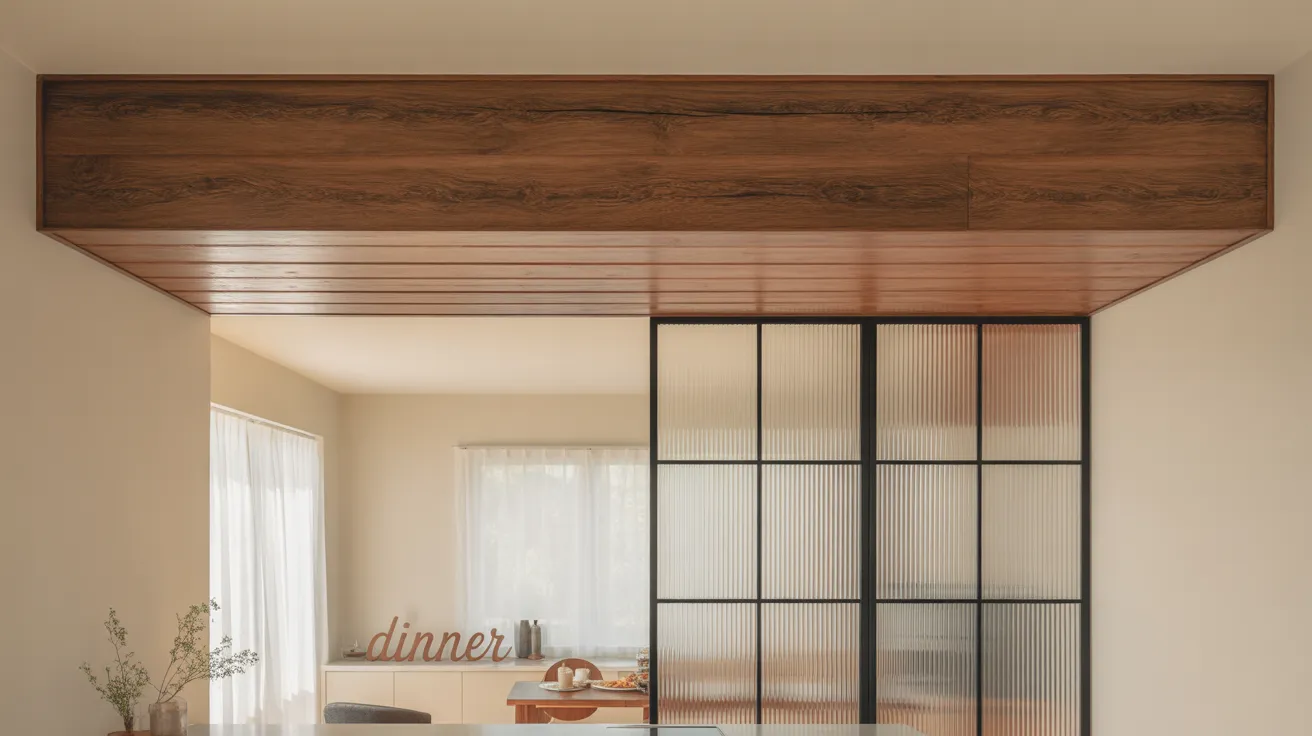
Wrap the soffit in wood or wood-look panels to make it look like a ceiling beam. This works well in open kitchens where the soffit separates two spaces.
The beam adds warmth and makes the soffit feel purposeful. You can stain the wood to match other finishes in the room. It’s a smart way to make something that sticks out feel like it belongs.
Should You Remove Your Kitchen Soffit?
Taking out a kitchen soffit can really change the feel of your space, but it’s not always a simple choice. Here’s a quick look at the pros and cons to help you decide if it’s the right move for your kitchen:
| Pros | Cons |
|---|---|
| More space | Hidden surprises |
| Allows for taller cabinets or open wall space, making the kitchen feel bigger. | You may uncover vents, pipes, or wiring that are costly to move. |
| Updated look | Higher cost |
| Gives your kitchen a more modern and clean appearance. | The work can lead to extra expenses for repairs and finishing. |
| Better lighting | Messy project |
| Makes room for ceiling lights or taller windows for better brightness. | The process can be loud, dusty, and time-consuming—especially if you’re living in the home. |
Before you grab the tools, take time to check what’s inside your soffit and what changes you’re really ready for. It might be worth it or not depending on your space and budget.
Before deciding to tear it out, you need to know what’s inside the soffit. Many soffits aren’t empty. They often hide:
- Electrical wiring
- Plumbing pipes
- Air vents or ductwork
- Support beams
- Old lighting fixtures
You can’t always tell just by looking. In most cases, a professional will need to take a peek inside to see what you’re working with. If the soffit holds important systems, you’ll have to move or reroute them, which adds time and cost.
DIY vs. Professional Kitchen Soffit Removal
So, should you remove a kitchen soffit yourself or hire a professional? It depends on what’s inside the soffit and how comfortable you are with tools and home projects.
If the soffit is likely empty and you’re handy, DIY removal could be a weekend task. You’ll need to turn off electricity and water just to be safe, carefully take down the drywall, and stay ready for any surprises behind it.
But if you’re unsure what’s inside or you discover wiring, plumbing, or vents, it’s best to bring in a pro.
A contractor can inspect the area, deal with anything safely, and fix up the ceiling and walls when the soffit’s gone. Professional help is the safer choice if you want the job done right, quickly, and without the headache of unexpected problems.
Common Mistakes to Avoid
Before making changes to your kitchen soffit, watch out for common slip-ups. These simple mistakes can lead to extra costs, design problems, or safety issues during your project.
- Skipping the Inspection: Never remove a soffit without first checking what’s inside. You could run into hidden pipes, wires, or vents that are costly to move.
- Not Measuring Cabinet Space: If you’re replacing a soffit with taller cabinets, make sure the new cabinets actually fit your space before starting demo work.
- Ignoring Building Codes: Some soffits may hide things tied to local building codes. Removing them without checking could lead to legal or safety issues.
- Rushing the Demo: Tearing into the soffit too fast can cause damage to your walls or ceiling. Take your time and remove it carefully.
- Underestimating the Cleanup: Removing a soffit is messy. Be ready for dust, noise, and patching work—even if it’s a small section.
Final Thoughts
Now that you’ve seen all the different ways to work with kitchen soffits, I hope it’s clear—they don’t have to stay plain or get in your way. With the right idea, you can turn that overhead box into something useful, stylish, or both.
If your plan is to add storage, cover the soffit with trim, or take it down, this guide gives you the info you need to make the best call for your kitchen.
No need to rush—take your time, check what’s inside, and plan based on your space and your budget.
I started with just one small update, and it made a big difference. You can too. Try one of these soffit ideas and see how it changes your space.