Rug Size Chart: A Complete Guide
Not sure what size rug you need? Choosing the right rug can be tricky, especially when you’re trying to match it with furniture and fit it into your space.
This rug size chart will help you pick the perfect rug for your living room, bedroom, hallway, or outdoor patio.
You’ll learn how to measure your room, avoid common mistakes, and understand which rug works best by room and furniture layout.
Ready to make your room feel more pulled together with the right rug size? Let’s get started.
How to Choose the Right Rug Size for Your Space
Selecting the right rug size can significantly impact the ambiance of a room. It’s not just about style; it affects balance, comfort, and how your furniture and space work together.
Start by measuring your room. Don’t guess. Know the length and width so you can pick a rug that fits naturally without feeling too small or too bulky.
Think about your furniture layout. In living rooms, ensure that rugs are placed under the front legs of sofas and chairs to connect the pieces and define the space.
Watch the walkways. In open areas, leave 18–24 inches of space between the rug and the wall, and avoid blocking doorways or paths with the rug’s edge.
Choose based on how you use the room. Lounging spaces need more rug coverage, while reading corners or entryways work fine with smaller or accent-sized rugs.
What are Standard Rug Sizes?
Rugs are sold in standard sizes that manufacturers produce most often. These sizes work well for most homes and furniture layouts.
- 2×3 feet: This size is Great for small spots like bathrooms, kitchens, or entryways. Use it as a doormat or near the sink for a soft touch underfoot.
- 4×6 feet: This size works well in small bedrooms, reading nooks, or cozy dining areas. It adds warmth without overwhelming tight spaces and works well under a small coffee table.
- 5×8 feet: A solid choice for living rooms or under coffee tables. It frames furniture nicely in apartments or smaller homes, helping to define your seating area.
- 6×9 feet: Works well in larger bedrooms or medium-sized living rooms. Place it under a queen bed or in front of a full sofa with ample space.
- 8×10 feet: This size is ideal for spacious living rooms or under large dining tables. It helps anchor furniture groupings and keeps chair legs on the rug for easy movement.
- 9×12 feet: This size is ideal for open floor plans or grand rooms with extensive furniture. It fills big spaces, brings balance, and adds a polished, cohesive look.
Rug Size Conversion Chart
Use this handy chart to find the right rug size for your space, with quick conversions and ideal room placements.
| Size (Feet) | Size (Inches) | Size (Centimeters) | Best Used For |
|---|---|---|---|
| 2×3 | 24×36 | 61×91 | Bathroom, kitchen, accent |
| 3×5 | 36×60 | 91×152 | Small bedroom, reading nook |
| 4×6 | 48×72 | 122×183 | Medium bedroom, small dining |
| 5×8 | 60×96 | 152×244 | Living room, large bedroom |
| 6×9 | 72×108 | 183×274 | Dining room, living room |
| 8×10 | 96×120 | 244×305 | Large living room, family room |
| 9×12 | 108×144 | 274×366 | Great room, open floor plan |
| 10×14 | 120×168 | 305×427 | Very large spaces |
Rug Size by Room Type
Different rooms have different needs when it comes to selecting the right rug size. The furniture you have, how you use the space, and the room’s shape all affect what size rug works best.
1. Living Room Rug Sizes

Living rooms need rugs that bring furniture together and define the seating area. The size you choose depends on your furniture arrangement and room dimensions.
- Small Living Rooms: It works best with 5×8 rugs that support the front legs of sofas and chairs. These rugs are great for apartments or compact spaces with minimal furniture.
- Medium Living Rooms: Go for 6×9 or 8×10 rugs. These let you anchor more furniture while keeping the room open, balanced, and comfortable.
- Large Living Rooms: Use 9×12 rugs or larger. These sizes fit full furniture setups, adding polish and creating a defined zone in large or shared spaces.
2. Dining Room Rug Sizes

Dining room rugs should extend beyond your table and chairs so that the chairs remain on the rug even when pulled out for seating.
- Rectangular Tables: Go for a rug that’s at least 48 inches longer and wider than your table. For example, a 6×4 table needs an 8×10 rug to keep all chairs fully on the rug.
- Round Tables: Pair round tables with round rugs. For a 4-foot round table, opt for a 6-foot round rug or larger to maintain balance and ensure chairs are comfortably positioned on the rug.
- Square Tables: Follow the same 48-inch rule. A 4×4 table needs at least a 6×8 rug, but go for an 8×8 if space allows for a more proportional and polished look.
3. Bedroom Rug Sizes

Bedroom rugs can be placed under the bed, in front of the bed, or on the sides of the bed. The placement you choose determines the size you need.
- Twin Beds: Use a 4×6 or 5×8 rug under the lower two-thirds of the bed. It leaves space on both sides and at the foot for added comfort.
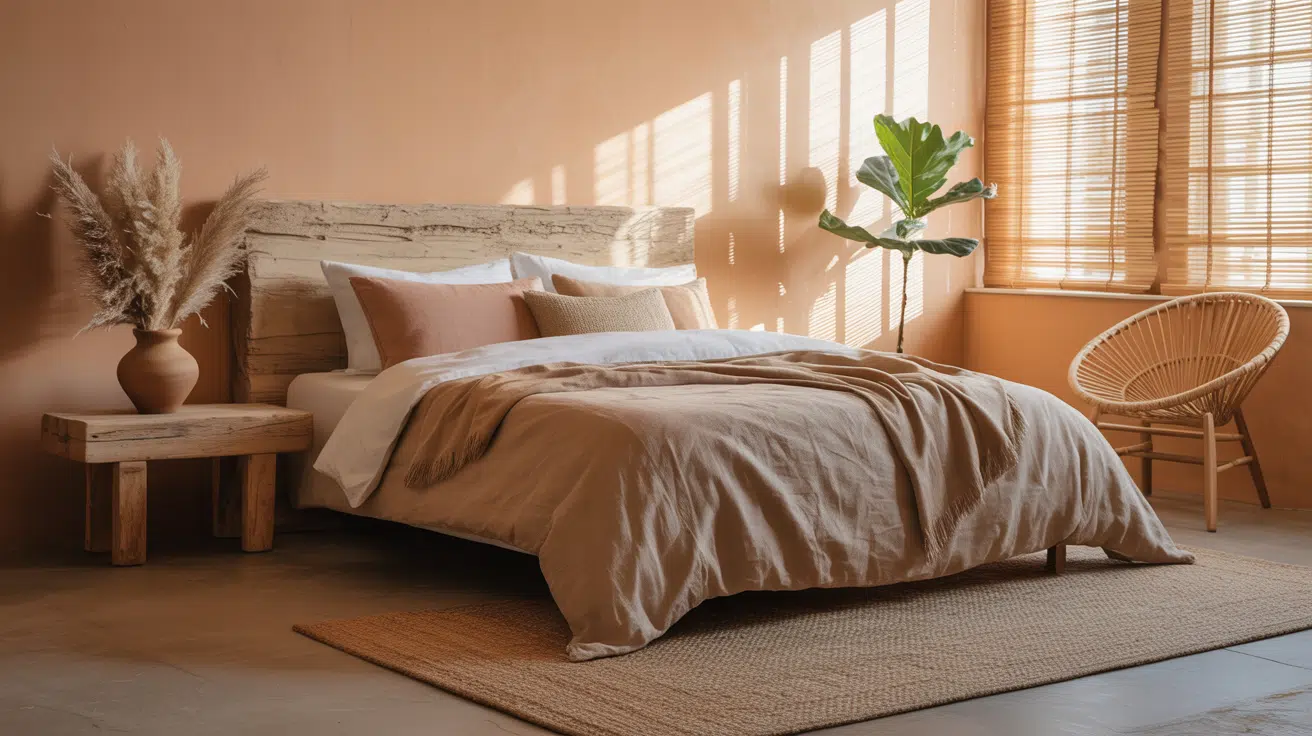
- Queen Beds: A 6×9 rug works under the bottom half of a queen bed. For more coverage and a luxurious feel, go with an 8×10 rug.
- King Beds: Choose a 9×12 rug to fully anchor a king bed. For smaller budgets, consider using a 6×9 area rug at the foot of the bed or two 3×5 area rugs on either side.
4. Entryway and Hallway Runner Sizes

Entryways need rugs that can withstand heavy traffic while looking welcoming. The size depends on your space and the type of doors you have.
- Small Entryways: It works best with 2×3 or 3×5 rugs. These offer a spot for shoes and help protect floors near the door.
- Large Entryways: Use 4×6 or 5×8 rugs to define the space, especially if you have a bench or table. They are great for controlling mud and moisture.
- Hallways: Choose runners that leave 6–9 inches of visible floor at each end. Standard widths are 2–3 feet, with lengths sized to fit your hallway, minus approximately 12–18 inches.
5. Kitchen and Bathroom Rug Sizing Tips

Kitchen and bathroom rugs serve both practical and aesthetic purposes, adding comfort and style. These spaces need rugs that fit well, handle moisture, and provide cushioning where you stand.
- Kitchen Rugs: Use 2×3 rugs in front of sinks, or 2×6 runners along galley kitchens and islands. Larger kitchens can accommodate 3×5 rugs without obstructing the traffic flow.
- Bathroom Rugs: A 2×3 rug suits most bathrooms, especially near vanities or showers. Small powder rooms may only require a 20×30 mat, while larger bathrooms can accommodate 3×5 rugs or runners.
- Moisture-Friendly Materials: Water resistance matters more than size. Look for rugs made from cotton, bamboo, or synthetic materials. They dry quickly and handle humidity better than wool rugs.
6. Outdoor Rug Sizes for Patios and Decks

Outdoor rugs help define seating areas and add comfort to hard patio surfaces. They must handle weather while offering the same anchoring effect as indoor rugs.
- Small Patios: Use 4×6 or 5×8 rugs to fit small tables or a couple of chairs. These sizes bring comfort and help organize compact outdoor layouts.
- Large Patios & Decks: Choose 8×10 or 9×12 rugs for dining sets or full seating areas. These sizes create a finished outdoor room feel with more underfoot comfort.
- Furniture Placement: Just like indoors, make sure furniture legs rest fully on the rug. This prevents wobbling and gives your patio a more polished look.
Rug Placement Rules That Work with Furniture
The way your rug interacts with furniture affects how cohesive and intentional the room feels. Use these common layout rules to guide your choices:
1. Front Legs on Rule
Place the rug under the front legs of sofas and chairs. This anchors the seating area visually while still showing some flooring around the edges for balance.
2. All Legs on Rule
In this setup, every piece of furniture, including sofas, chairs, and tables, sits fully on the rug. It offers a unified and upscale look, especially in large rooms with ample rug space.
3. All Legs Off Rule
The rug sits in front of all furniture without touching any legs. This approach works best for accent rugs or smaller rooms where a large rug would overwhelm the space.
4. 18-Inch Rule
Leave about 18 inches of bare floor space between the edges of the rug and the walls. This helps the rug feel well-positioned and prevents it from overpowering the room.
Following these simple rug placement rules can instantly improve your room’s appearance and feel. If you’re styling a small space or a large living area, the right rug layout brings everything together with comfort and clarity.
Common Mistakes to Avoid
Even the best-looking rug won’t work if the size is wrong. Here are common mistakes to watch out for and how to avoid them.
- Choosing a Rug That’s Too Small: Makes furniture look like it’s floating and disconnects the space. Size up when in doubt.
- Ignoring Furniture Scale: A small rug under a large sectional or a big rug in a tiny room throws off proportion.
- Overlooking Room Function: A rug should suit your lifestyle. It should allow for walkways and everyday use.
- Forgetting About Rug Thickness: Thick rugs can block doors or make furniture unstable. Always check height and clearance.
Avoiding these common mistakes helps your rug look, feel, and last better. With the right size and fit, your rug won’t just fill space, it’ll bring the whole room together.
Conclusion
Choosing the right rug size doesn’t have to feel confusing. Now that you’ve seen the rug sizes chart and learned how different rugs fit in other rooms, you’re ready to make smarter choices for your space.
Just remember: measure first, avoid common sizing mistakes, and don’t be afraid to go up a size when in doubt.
Want more help making your home feel just right? Check out our other blogs for simple tips, room guides, and style ideas that work in real life.
Frequently Asked Questions
Can I use a 5×7 rug in the dining room?
A 5×7 rug can work with a small table, but ensure chairs stay on the rug when pulled out, leave 24 inches around all sides.
What size rug fits under a queen bed?
A 6×9 rug fits under two-thirds of a queen bed, while an 8×10 provides full coverage. For accents, try 3x5s on the sides or a 5×8 at the foot.
What does “rug pile” mean?
Rug pile is the height of the fibers. Low pile is durable and flat, ideal for busy areas. The high pile feels plush but requires more upkeep and shows footprints.
Should my rug go under the couch or in front of it?
To connect the space, place at least the front legs of the couch on the rug. If the rug is too small, keep it fully in front to avoid imbalance.