Not All Waste Is Equal: What You Can (and Can’t) Throw in a Skip Bin
When it comes to decluttering, renovating, or managing a construction project, hiring a skip bin is one of the most efficient ways to handle waste. However, not all waste is created equal—some materials can be safely disposed of in a skip bin, while others require special handling. Understanding what you can and can’t throw in a skip bin ensures compliance with regulations, avoids extra fees, and promotes environmentally responsible disposal.
In this guide, we’ll break down the different types of waste accepted in skip bins, prohibited items, and how skip bin hire services can help you manage waste effectively.
1. What Can You Put in a Skip Bin?
Skip bins are designed to handle a wide range of waste materials, but the exact items allowed depend on the type of skip you hire. Here are the most common categories:
A. General Waste
This is the most common type of skip bin, suitable for non-hazardous household and commercial waste, such as:
- Furniture (wooden chairs, tables, cabinets)
- Clothing and textiles (if not contaminated)
- Toys and small appliances
- Packaging materials (cardboard, plastic, Styrofoam*)
- Mixed debris from home cleanouts
Note: Some skip bin providers may have restrictions on Styrofoam—always check first.
B. Green Waste
Ideal for garden and landscaping projects, green waste skip bins accept:
- Grass clippings
- Tree branches and leaves
- Weeds and plants
- Small logs (untreated wood only)
Prohibited: Soil, rocks, and large stumps (these may require a separate bin).
C. Construction and Demolition Waste
For renovation or building projects, heavy-duty skip bins can handle:
- Bricks and concrete
- Tiles and ceramics
- Timber and plasterboard
- Rubble and sand
Note: Some providers require separate bins for clean concrete vs. mixed construction waste.
D. Heavy Waste (Inert Materials)
These skip bins are designed for dense, non-biodegradable materials like:
- Bricks
- Concrete
- Rocks and gravel
- Pavers
Since these materials are heavy, skip bin companies often impose weight limits.
2. What Can’t You Put in a Skip Bin?
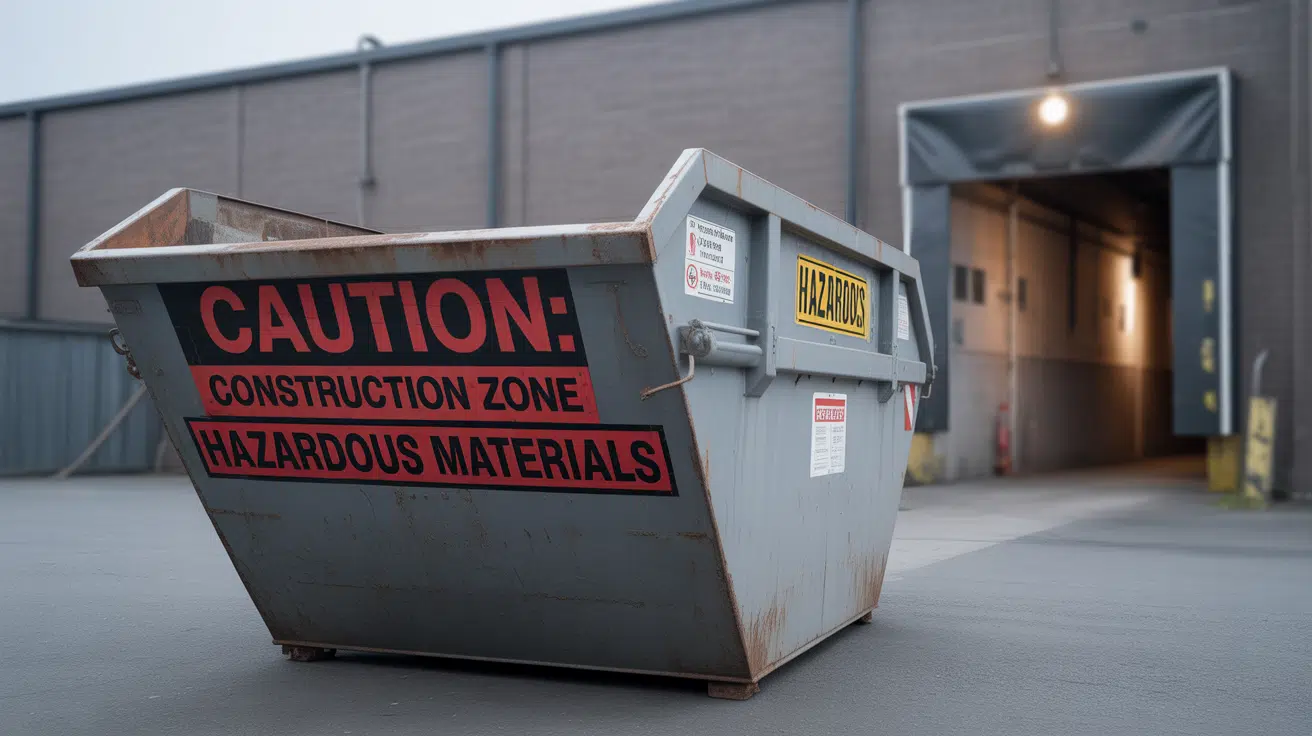
While skip bins are versatile, certain materials are prohibited due to environmental regulations, safety concerns, or the need for specialized disposal. Dumping restricted items can result in additional fees or refusal of collection.
A. Hazardous Waste
These materials pose risks to human health and the environment and require special disposal methods:
- Asbestos (highly toxic—must be removed by licensed professionals)
- Chemicals (paints, solvents, pesticides, cleaning agents)
- Batteries (car batteries, lithium-ion batteries)
- Oils and fuels (engine oil, petrol, diesel)
- Medical waste (syringes, pharmaceuticals)
B. Electronic Waste (E-Waste)
Electronics contain hazardous components and valuable metals that should be recycled separately:
- TVs and monitors
- Computers and laptops
- Refrigerators and air conditioners (contain refrigerants)
- Mobile phones and batteries
Many councils and recycling centers offer free e-waste drop-off services.
C. Tyres
Tyres are banned from landfills in many regions due to their non-biodegradable nature and fire risk. They must be recycled through specialized programs.
D. Gas Bottles and Fire Extinguishers
These can explode under pressure and must be returned to suppliers or disposed of at designated facilities.
E. Food Waste
While small amounts of food scraps might be overlooked, large quantities can attract pests and cause odors. Composting or organic waste bins are better options.
F. Mattresses and Bedding
Some skip bin providers accept mattresses, but many require separate disposal due to recycling challenges. Check with your local council for mattress recycling programs.
3. Why Are Some Items Prohibited?
Understanding why certain materials are banned helps ensure responsible waste disposal:
- Environmental Protection – Hazardous chemicals can leach into soil and water.
- Worker Safety – Asbestos, sharps, and flammable materials pose health risks.
- Legal Compliance – Governments impose strict regulations on toxic waste.
- Recycling Potential – E-waste, tyres, and mattresses can often be repurposed.
Dumping prohibited items in a skip bin can lead to:
✔ Extra fees (for sorting or hazardous disposal)
✔ Skip refusal (the company may not collect the bin)
✔ Legal penalties (fines for illegal dumping)
4. How Skip Bin Hire Services Help with Proper Waste Disposal
Reputable skip bin hire providers play a crucial role in responsible waste management by:
A. Offering Different Bin Types
- Mixed waste skip bins – For general household and light construction waste.
- Clean fill skip bins – For soil, sand, and concrete only.
- Green waste skip bins – For garden debris.
B. Providing Clear Guidelines
A good skip bin company will inform customers about acceptable and prohibited items upfront.
C. Partnering with Recycling Facilities
Many providers sort waste after collection to maximize recycling and minimize landfill contributions.
D. Handling Special Waste
Some companies offer additional services for hazardous materials (e.g., asbestos removal) for an extra fee.
5. Tips for Efficient Skip Bin Use
To make the most of your skip bin hire, follow these best practices:
✔ Sort waste beforehand – Separate recyclables, green waste, and general rubbish.
✔ Avoid overfilling – Most bins have a “no overflow” rule for safety during transport.
✔ Check weight limits – Heavy materials like concrete may require a specific bin.
✔ Ask about restricted items – If unsure, contact the skip bin provider before loading.
6. Alternatives for Prohibited Waste
If you have items that can’t go in a skip bin, consider these disposal methods:
- Council hard rubbish collections – Many local councils offer free pickups for large items.
- Specialized recycling programs – E-waste, tyres, and chemicals often have dedicated drop-off points.
- Hazardous waste facilities – Check your local government’s website for disposal locations.
Conclusion: Skip Smart, Dispose Right
Not all waste belongs in a skip bin—knowing the difference ensures a smooth, cost-effective, and eco-friendly disposal process. By hiring the right skip bin for your needs and avoiding prohibited items, you contribute to a cleaner environment and comply with waste regulations.
Whether you’re tackling a home renovation, garden cleanup, or commercial project, skip bin hire services provide a convenient solution—as long as you follow the rules. Always check with your provider before loading questionable items, and when in doubt, seek alternative disposal methods.
Responsible waste management starts with informed decisions. Choose the right skip, fill it correctly, and keep unnecessary waste out of landfills!