

Making Chalk Paint: An Easy Guide
Tired of store-bought paint that costs too much and also sometimes limits your color options? I love DIY, but have to face the same issue, especially when trying to give old furniture or home décor a new look.
But now, making chalk paint at home is simple, cheap, and lets you choose the exact color and texture you want.
You must be wondering why, so let me tell you. In this guide, you’ll learn what chalk paint is and why it’s great for all kinds of projects.
You’ll learn how to make it with easy-to-find ingredients and how to use it on various surfaces. If you’re ready to paint smarter, not harder, then keep reading.
What is Chalk Paint and Why Make It Yourself?
Chalk paint is a thick, matte-finish paint known for its velvety texture and vintage beauty. It adheres to most surfaces without the need for priming or sanding.
Making it a go-to choice for DIY furniture makeovers, decorative pieces, and rustic-style interiors.
Benefits of Making It at Home
Cost-Effective: Store-bought chalk paint can be pricey. Homemade versions use basic ingredients like latex paint, baking soda, or plaster of Paris, cutting costs significantly.
Custom Colors: Mixing your own means you’re not limited to pre-made shades. You can match exact color tones to fit your space or personal taste.
ReadilyAvailable: If you already have leftover latex paint at home, all you need is a simple additive. No need to run to a specialty store.
Making Chalk Paint: Best DIY Recipes
These chalk paint recipes are easy to make and ideal for everything from furniture flips to fun crafts, depending on the texture and finish you want.
Plaster of Paris Chalk Paint
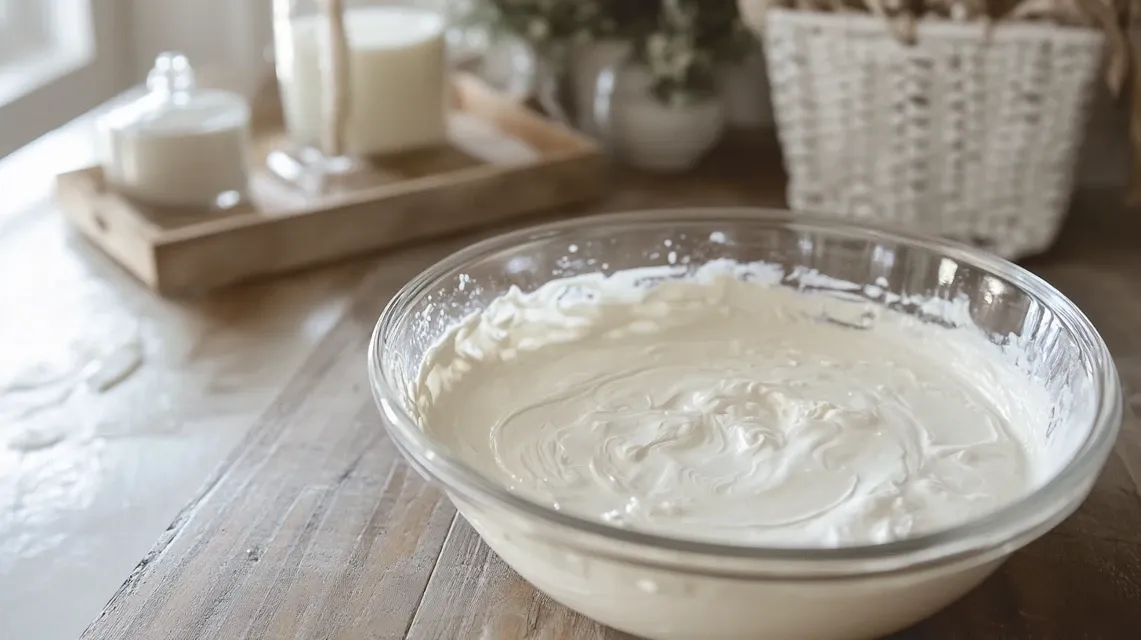
To make this version, mix ⅓ cup of Plaster of Paris with ⅓ cup of water until smooth, then add 1 cup of latex paint.
This recipe is known for giving a smooth, durable finish, making it ideal for furniture makeovers.
However, it can thicken quickly during application and may lead to some color fading over time, especially in sunlight or high-use areas.
Calcium Carbonate Chalk Paint
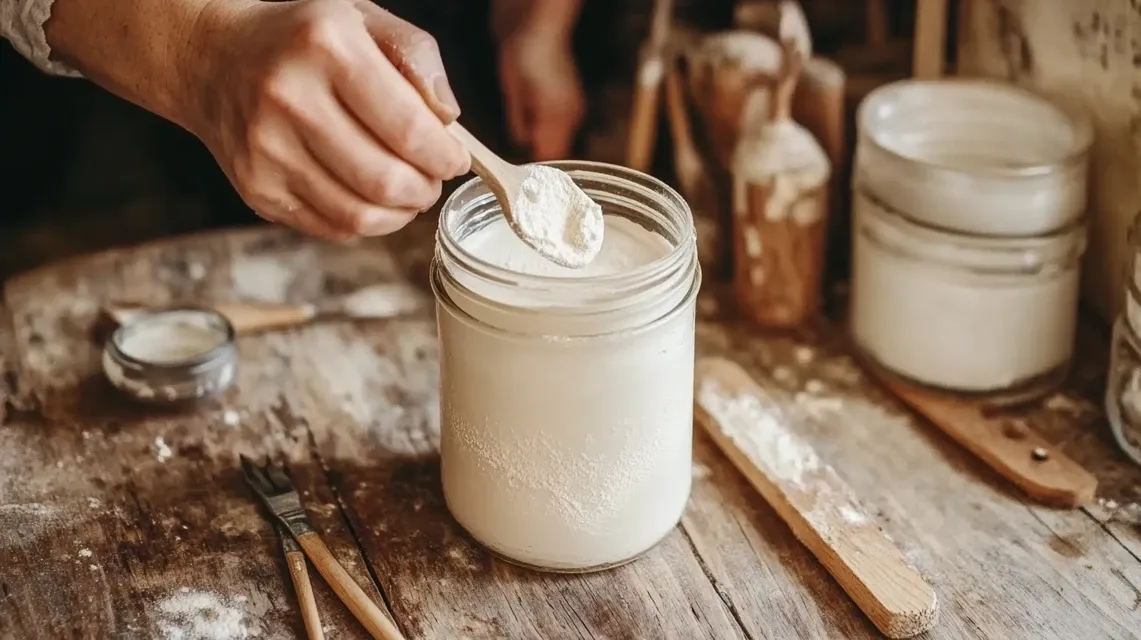
Combine 1 cup of latex paint with 4 tablespoons of calcium carbonate powder. Blend the powder with a bit of water first to avoid clumping, then stir into the paint.
This recipe offers a smooth, creamy consistency and is best used on wood, laminate, and even metal. It’s perfect for high-traffic furniture, thanks to its soft matte finish and long-lasting coverage.
Baking Soda Chalk Paint

Mix 1 cup of latex paint with ¼ cup of baking soda. It’s a quick and inexpensive option that creates a chalky, textured look.
While it’s less durable and tends to be grainier than other recipes, it’s great for small craft projects and decorative pieces that don’t get much wear.
It’s ideal for quick weekend DIYs or seasonal decor.
Cornstarch or Flour-Based Paint (Kid-Friendly Sidewalk Version)

Combine 1 cup of water with 1 cup of either cornstarch or flour and add food coloring to create a fun, washable paint.
Add more flour for a puffy texture or keep it even for a flat finish. This version is completely non-toxic and safe for children, making it perfect for sidewalk art or indoor creative play.
It rinses away easily with water.
How to Choose the Right Paint Base
Choosing the right paint base matters for how your walls look and how long the paint lasts. Here’s a simple guide to help you pick the best one for your space.
Latex vs. Acrylic vs. Flat/Matte/Satin
Latex paint is water-based, dries fast, and is easy to clean perfect for indoor walls and ceilings.
Acrylic paint is stronger and lasts longer, so it’s better for outdoor surfaces or bathrooms where there’s more moisture. After choosing the paint type, pick a finish.
Flat and matte hides wall flaws, but is harder to clean. Satin has a little shine and is easier to wipe, good for living areas.
Semi-gloss and gloss are shiny and best for kitchens, bathrooms, or doors where you need easy cleaning.
Paint Color and Coverage Considerations
Lighter colors make small rooms look bigger, while darker shades feel warm and cozy. Always test paint on a wall before choosing, since light changes how colors look.
High-quality paint covers better, often needing fewer coats. Thick paints or paint with built-in primer save time.
Pick your paint based on how the room is used, how much cleaning it needs, and the feeling you want in the space.
How to Use Chalk Paint on Different Surfaces
Chalk paint is versatile and works on many surfaces. Here’s how to prep and apply it correctly for wood, metal, glass, and more to get a smooth, long-lasting result.
Furniture
Before painting furniture with chalk paint, lightly sand glossy or super smooth surfaces to help the paint stick.
You don’t need to fully strip the piece, just scuff it up a bit. Primer usually isn’t needed unless the surface is slick or stained. After painting, seal with clear wax or a water-based top coat.
This protects the finish and keeps it looking fresh longer.
Glass or Mason Jars
To get chalk paint to stick well to glass or mason jars, clean the surface with rubbing alcohol to remove oils or dirt.
You can lightly sand the surface to give the paint something to grip. Chalk paint might need two coats for full coverage.
Let it dry fully between coats. Use a matte sealant spray to protect the paint and avoid scratches or peeling.
Metal or Plastic
Before painting metal or plastic, clean the surface well and let it dry. Light sanding helps, especially for shiny or slick plastic.
For better results, use a bonding primer made for metal or plastic. After that, apply chalk paint in thin layers. Let each coat dry before adding another.
Finish with a top coat spray or wax to protect it from chipping or peeling.
Sidewalks (Washable Crafts for Kids)
For a safe sidewalk chalk paint mix, use cornstarch, water, and food coloring. It’s non-toxic and easy to wash off. Use foam brushes or sponges for painting.
After playtime, clean up with water and a broom or hose. Avoid painting on hot days to keep the mixture from drying too fast.
This is a fun and safe way for kids to enjoy painting outdoors without staining surfaces.
Storage and Shelf Life Tips
Storing homemade paint the right way helps it last longer and stay usable. Here are some simple tips to keep your paint fresh and easy to use when you need it:
- Homemade chalk paint usually lasts 1–2 weeks, but it can last longer if sealed tightly.
- Store in airtight containers like glass jars with tight lids or plastic containers with snap seals.
- Keep in a cool, dry place away from direct sunlight or heat.
- Label containers with the date made so you can track freshness.
- Check before using: if it smells bad, has mold, or clumps won’t mix out, throw it away.
- Stir well before each use, as ingredients may settle at the bottom.
Wrapping Up
Now, you are aware that making chalk paint at home is not only budget-friendly, but it also gives you full control over color, texture, and usage.
From furniture flips to kid-safe sidewalk art, I’ve shown you how to choose the right recipe, apply it to different surfaces, and store it the right way.
Upcycling old items or creating something brand new, chalk paint makes it simple and fun. Now that you know the tips, tricks, and recipes, it’s time to start your first project.
Grab your supplies, mix your paint, and get creative. Try one idea today and let me know the results in the comments section below!


