Laminate vs. LVP : Which One is Right for You?
Flooring often looks similar on the surface, but the structure underneath can change how it performs in daily life.
When comparing Laminate Flooring vs. LVP Flooring, the differences go beyond appearance. Moisture exposure, foot traffic, and comfort underfoot can all affect which material works better in your home.
I have noticed that many homeowners focus only on price or style at first, then later realize room conditions matter just as much.
In this guide, you will see how both options compare in construction, durability, maintenance, and ideal room placement. This breakdown will make it easier to match the right flooring with the way each space is used.
Laminate Flooring vs. LVP Flooring: Quick Overview
Both flooring options offer durability and a wood-like appearance. The right choice depends on moisture levels, budget, and comfort preference.
What Laminate Flooring is Made Of
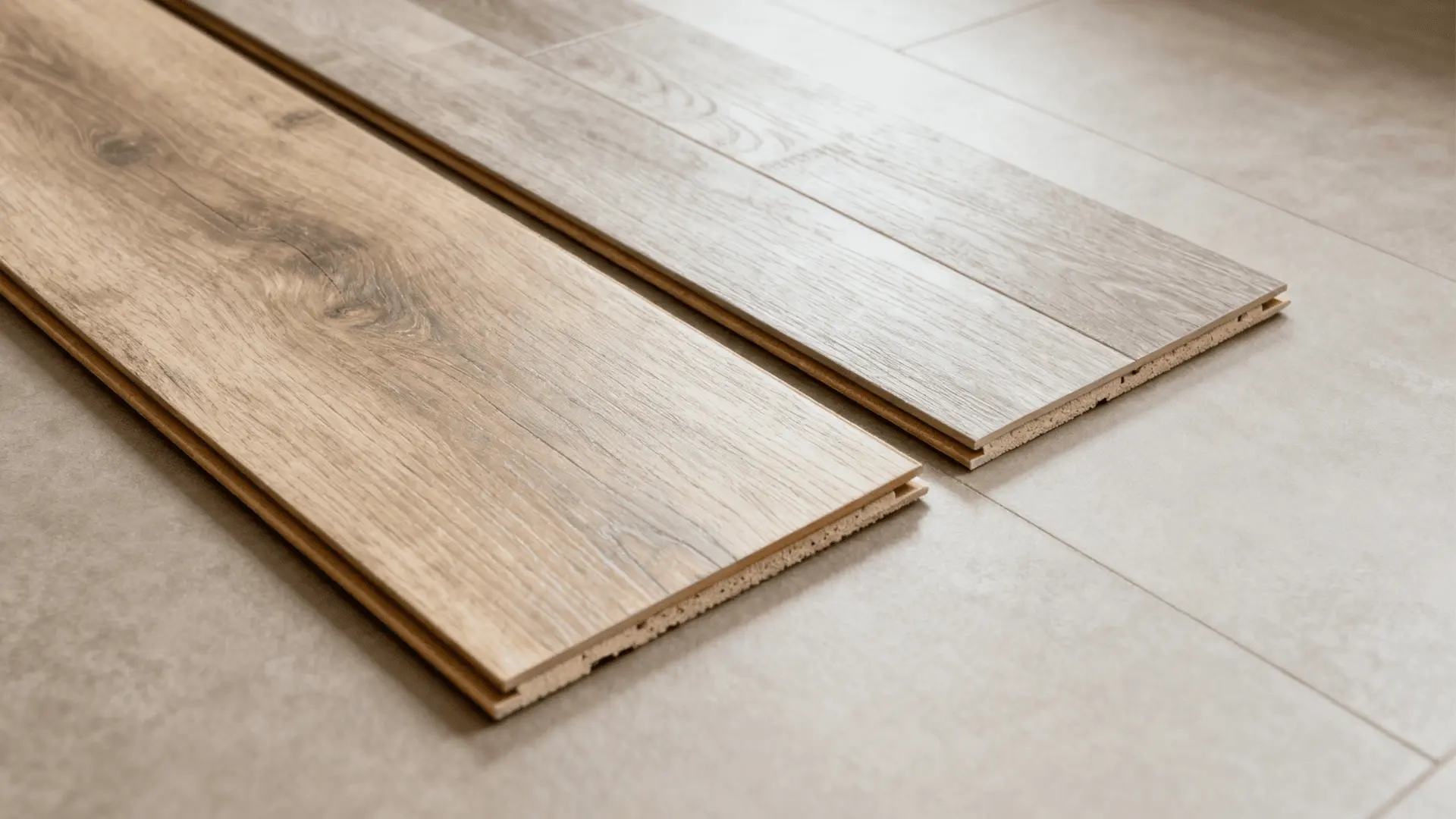
Laminate flooring is a wood-based product made up of layers. Each layer serves a specific purpose, Here is how it breaks down:
- Wear Layer: A clear protective coating on top that resists scratches, scuffs, and daily foot traffic.
- Decorative Layer: A high-resolution photographic image that mimics the look of real wood, stone, or tile.
- Core Layer: A dense HDF (high density fiberboard) core made from compressed wood fibers that gives the plank its rigidity and strength.
- Backing Layer: A bottom layer that adds stability and helps resist minor moisture from below.
The core being wood-based is what defines laminate. It gives the floor a solid, natural feel underfoot but also makes it vulnerable to swelling and warping.
What Luxury Vinyl Plank (LVP) is Made Of
LVP is a fully synthetic product built entirely from vinyl layers. It is designed to replicate the look of hardwood while offering performance benefits. Here is its typical construction:
- Wear Layer: A tough transparent layer on top that protects against scratches, stains, and heavy use.
- Decorative Layer: A printed vinyl layer that closely mimics the appearance of real wood grain or stone.
- Core Layer: A rigid or flexible vinyl core that gives the plank its structure. Rigid core LVP, also known as SPC or WPC, is the most popular variety today.
- Backing Layer: A bottom layer, often with attached underlayment, that adds comfort, sound absorption, and moisture resistance.
Because every layer is vinyl-based, LVP is fully waterproof from top to bottom, making it suitable for areas where laminate simply cannot go.
Why People Often Compare Laminate and LVP
LVP and Laminate look alike, cost similarly, and install the same way. It is no coincidence that they always end up in the same conversation:
- Similar Appearance: Both use photographic layers to replicate wood grain, making them visually difficult to tell apart without close inspection.
- Comparable Price Points: Both sit in a similar budget range, making them natural alternatives to each other for cost-conscious homeowners.
- Same Installation Method: Both use a click lock floating floor system that does not require glue or nails, making them equally DIY friendly.
- Same Target Audience: Both appeal to homeowners who want the look of hardwood without the maintenance, cost, or complexity that comes with it.
- Sold Side by Side: Retailers consistently display both options together, which naturally leads shoppers to compare them directly before making a decision.
The key is knowing that despite looking similar in a showroom, their real life performance can differ significantly depending on where they are installed.
Laminate Flooring vs. LVP: What’s the Main Difference?
Laminate and LVP are two of the most popular flooring choices for homeowners today. Here is a quick breakdown of what sets them apart:
| Factor | Laminate Flooring | Luxury Vinyl Plank |
|---|---|---|
| Base Material | Wood based composite core | Plastic based vinyl core |
| Internal Construction | HDF core with photographic layer and wear coating | Multiple vinyl layers with rigid or flexible core |
| Water Resistance | Low to moderate, not suitable for wet areas | High, fully waterproof in most cases |
| Durability | Strong but can swell when exposed to moisture | Resistant to moisture, scratches, and dents |
| Feel Underfoot | Feels closer to real wood | Slightly softer and more flexible |
| Common Use Areas | Living rooms, bedrooms, dry spaces | Kitchens, bathrooms, basements, high traffic areas |
| Price Range | Generally more affordable | Slightly higher but varies by brand |
| Why They Are Compared | Both mimic hardwood, easy to install, and suit similar budgets | Same reasons, often sold side by side in stores |
Both materials have their strengths, and the right choice depends on where you are installing, how much foot traffic the area gets, and how much moisture exposure is likely.
Side-by-Side Comparison of Laminate Flooring vs LVP Flooring
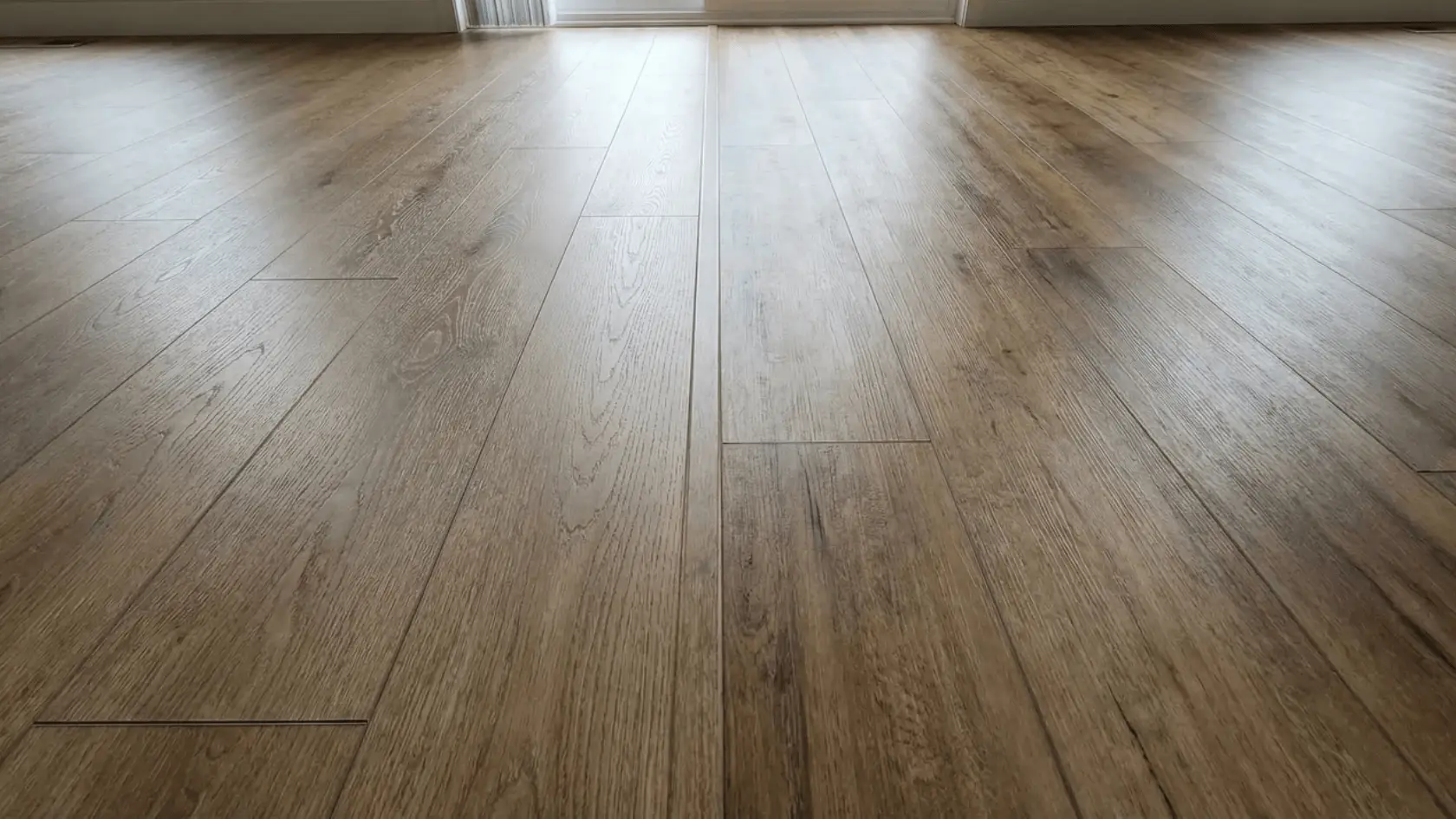
Knowing what each floor is made of is useful. Understanding how those differences play out in your home is what actually helps you decide:
1. Water Resistance and Waterproof Performance
This is where laminate and LVP part ways most significantly.
- LVP is fully waterproof from top to bottom. Spills, humidity, and even standing water will not damage it, which is why it works confidently in kitchens, bathrooms, laundry rooms, and basements.
- Laminate, on the other hand, can handle the occasional spill if wiped up quickly, but it is not designed for wet environments.
The HDF core absorbs moisture over time, leading to swelling, warping, and edge damage that is difficult and expensive to reverse. For any room with regular moisture exposure, LVP is the safer and smarter choice.
2. Scratch Resistance, Dents, and Wear
Both floors come with a wear layer on top that protects against daily use, but they respond differently under pressure.
- Laminate handles surface scratches well but can chip or crack under heavy impact due to its rigid wood-based core.
- LVP is slightly more resistant to dents and impact damage because the vinyl core has a small amount of give that absorbs pressure rather than cracking under it.
Pet owners and high-traffic households will find LVP more forgiving overall, though high-quality laminate still holds up well in moderate traffic areas.
3. Comfort, Sound, and Feel Underfoot
Laminate has a firm, solid feel that many homeowners associate with real hardwood. If that natural wood sensation matters to you, laminate delivers it more authentically.
LVP, particularly rigid core versions, offers a slightly softer feel underfoot. Many come with an attached underlayment that adds cushioning and reduces the hollow sound that hard floors can produce.
In terms of sound, LVP generally performs better straight out of the box. Laminate without a quality underlayment can sound clicky and hollow underfoot, which becomes noticeable in open-plan spaces.
4. Appearance and Realism Compared to Hardwood
Both laminate and LVP use photographic layers to replicate the look of real wood and both do it remarkably well. The difference lies in the finer details.
Laminate has traditionally had a slight edge in visual realism, particularly in texture. Higher end laminate planks feature embossed surfaces that closely follow the wood grain pattern in the photographic layer, creating a more tactile and convincing hardwood look.
LVP has closed the gap considerably in recent years. Modern LVP products feature deep embossing, realistic colour variation, and longer plank formats that are harder to distinguish from real wood. At the luxury end of the LVP market, the difference is negligible for most homeowners.
5. Installation and DIY Friendliness
Both floors use a click-lock floating system that does not require glue, nails, or professional tools, making them among the most DIY friendly flooring options available. However, there are a few practical differences worth noting:
- Subfloor Tolerance: LVP, particularly flexible vinyl, is more forgiving over slightly uneven subfloors. Laminate requires a flatter surface for the click lock joints to sit properly without stressing over time.
- Cutting: Laminate requires a saw for clean cuts. LVP can often be scored and snapped, making it quicker and easier to work with during installation.
- Underlayment: Many LVP products come with underlayment already attached, saving an extra step. Laminate almost always requires a separate underlayment to be laid first.
For a straightforward DIY project in a dry room, either floor is manageable. For trickier subfloors or wet area installations, LVP gives you more flexibility and confidence.
Cost Breakdown: What You’ll Likely Pay
Price matters, and knowing what to expect before you shop makes the whole decision easier
Average Cost of Laminate Flooring
| Quality Level | Material Cost Per Sq Ft | Installation Cost Per Sq Ft | Total Estimated Cost Per Sq Ft |
|---|---|---|---|
| Budget | USD 0.50 to 1.50 | USD 1.00 to 2.00 | USD 1.50 to 3.50 |
| Mid Range | USD 1.50 to 3.00 | USD 1.50 to 3.00 | USD 3.00 to 6.00 |
| Premium | USD 3.00 to 5.00 | USD 2.00 to 4.00 | USD 5.00 to 9.00 |
DIY installation removes the labour cost entirely, bringing total spend down to just the material price.
Average Cost of LVP Flooring
| Quality Level | Material Cost Per Sq Ft | Installation Cost Per Sq Ft | Total Estimated Cost Per Sq Ft |
|---|---|---|---|
| Budget | USD 1.50 to 2.50 | USD 1.00 to 2.00 | USD 2.50 to 4.50 |
| Mid Range | USD 2.50 to 5.00 | USD 1.50 to 3.00 | USD 4.00 to 8.00 |
| Premium | USD 5.00 to 8.00 | USD 2.00 to 4.00 | USD 7.00 to 12.00 |
Rigid core LVP, including SPC and WPC options, typically sits at the higher end of the price range due to its superior durability and waterproof performance.
Disclaimer: Prices are estimates and may vary based on location, brand, and other factors. For accurate quotes, contact local retailers or professionals.
Factors that Influence Flooring Prices
- Wear Layer Thickness: Thicker wear layers mean better scratch and dent resistance and a longer lifespan. They also mean a higher price.
- Plank Size and Format: Wider and longer planks generally cost more but create a more realistic and spacious look.
- Brand and Warranty: Established brands with longer warranties tend to charge a premium.
- Underlayment: Budget laminate and LVP products rarely include attached underlayment.
- Room Size and Subfloor Condition: Larger rooms naturally cost more in total.
Best Rooms for Laminate Flooring
Laminate flooring performs best in dry areas of the home. It works well in spaces with minimal exposure to moisture. Here are the ideal rooms for laminate flooring:
1. Living Rooms
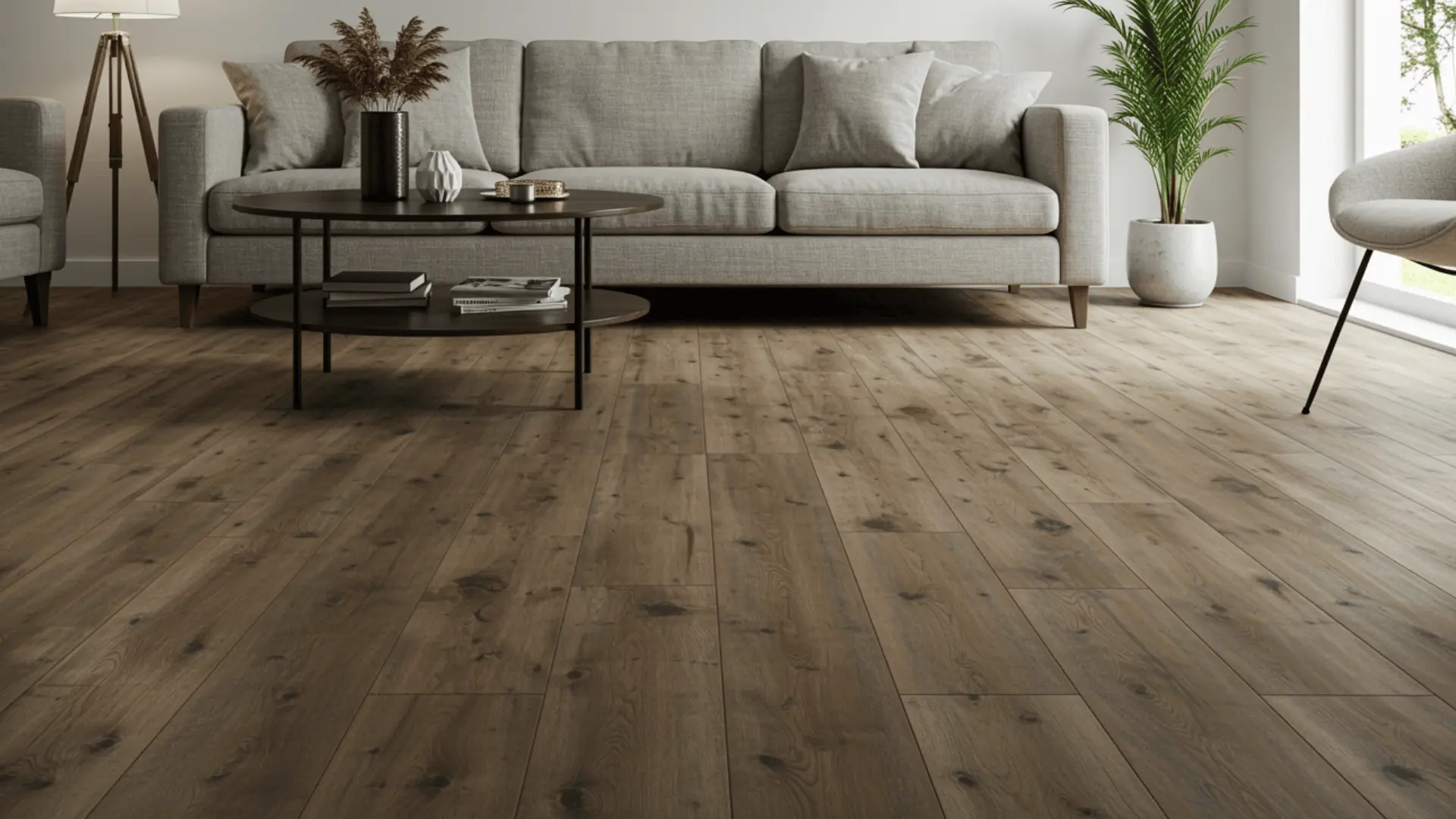
Living rooms are a great fit for laminate flooring because they stay mostly dry. The surface handles daily foot traffic well while maintaining a clean wood-look finish. It also pairs easily with area rugs and furniture layouts.
2. Bedrooms
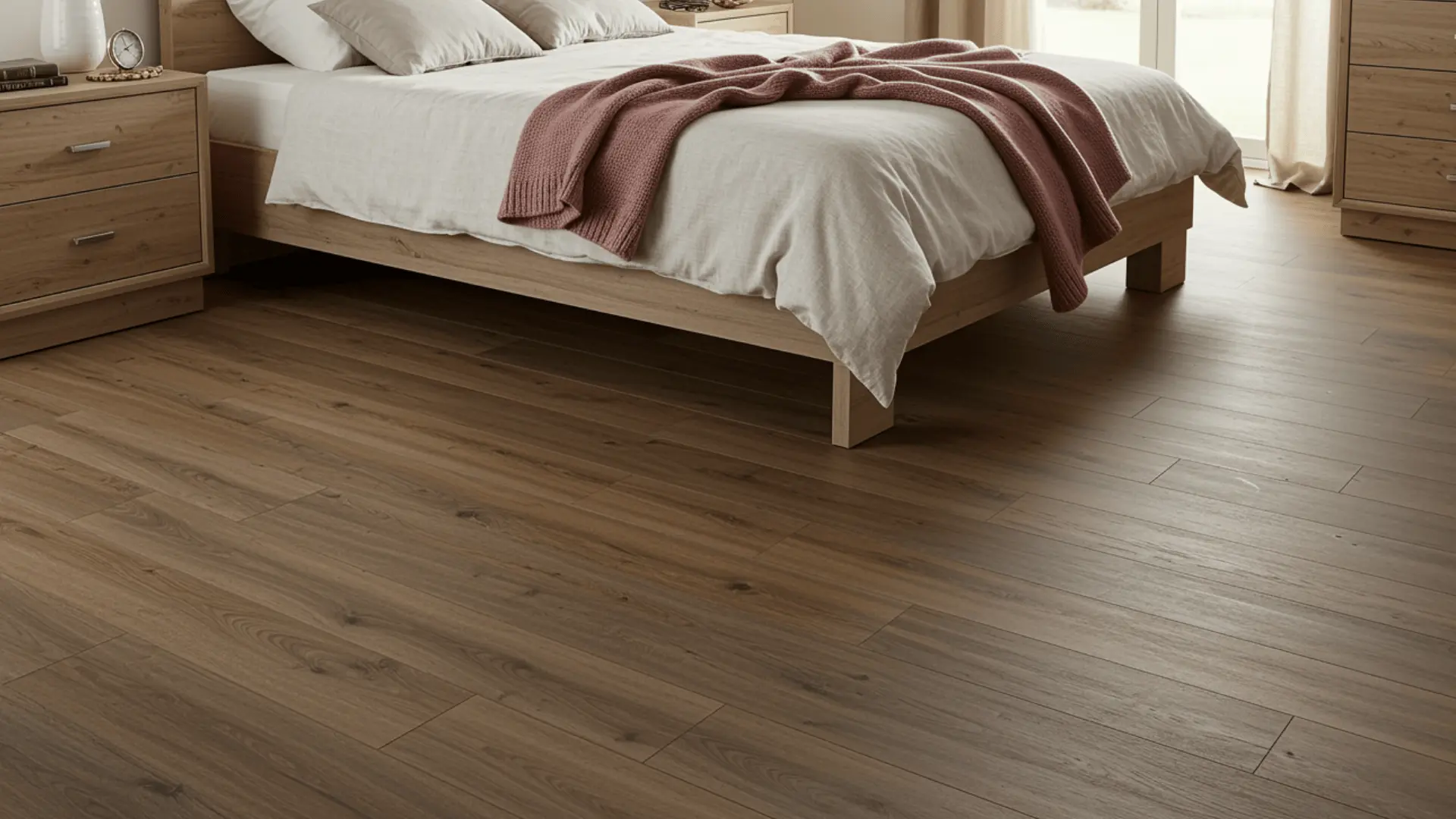
Bedrooms usually have low moisture and lighter foot traffic. Laminate provides a neat and warm look without needing frequent maintenance. It also works well under beds, dressers, and side tables.
3. Dining Rooms
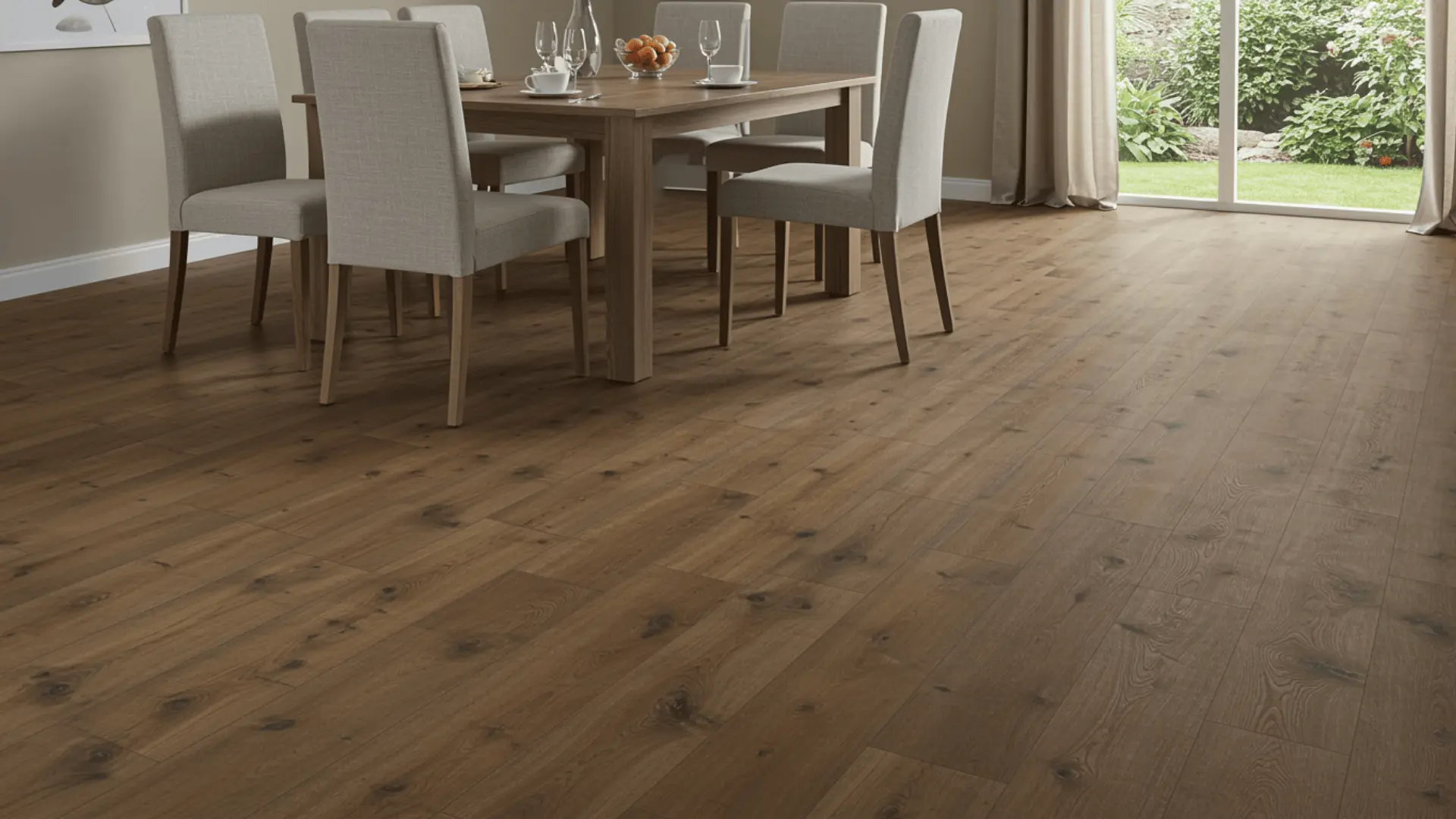
Dining rooms benefit from laminate because it resists scratches from chair movement. Small food spills can be wiped quickly without damaging the surface. The wood-like finish also complements many dining table styles.
4. Hallways
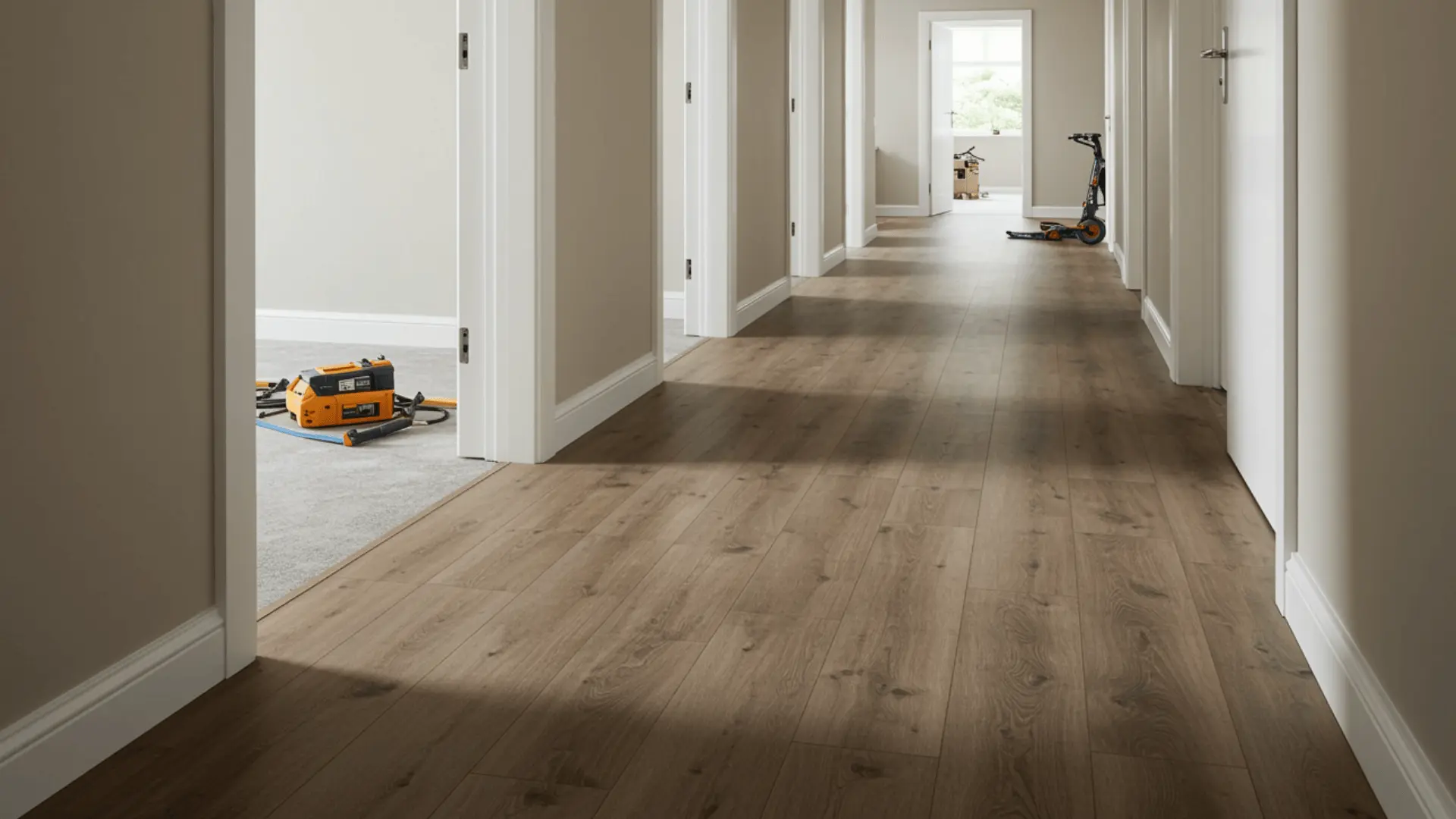
Hallways often experience steady foot traffic throughout the day. Laminate’s durable wear layer helps reduce visible wear over time. It keeps the space looking clean and uniform.
5. Home Offices
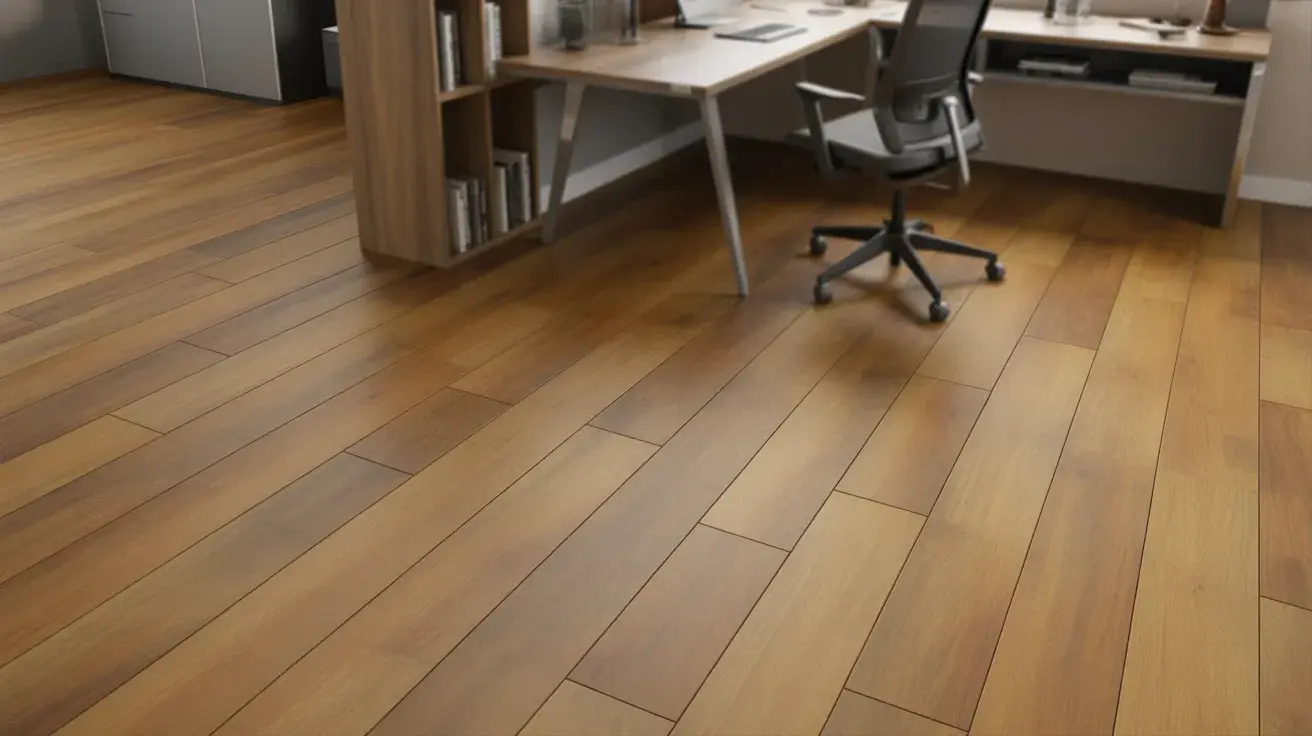
Home offices remain dry and controlled compared to kitchens or bathrooms. Laminate creates a neat, professional appearance for workspaces. It is also easy to clean around desks and rolling chairs.
Best Rooms for Luxury Vinyl Plank (LVP)
LVP is designed to handle moisture and heavy use. These are the rooms where it truly earns its place:
1. Kitchens
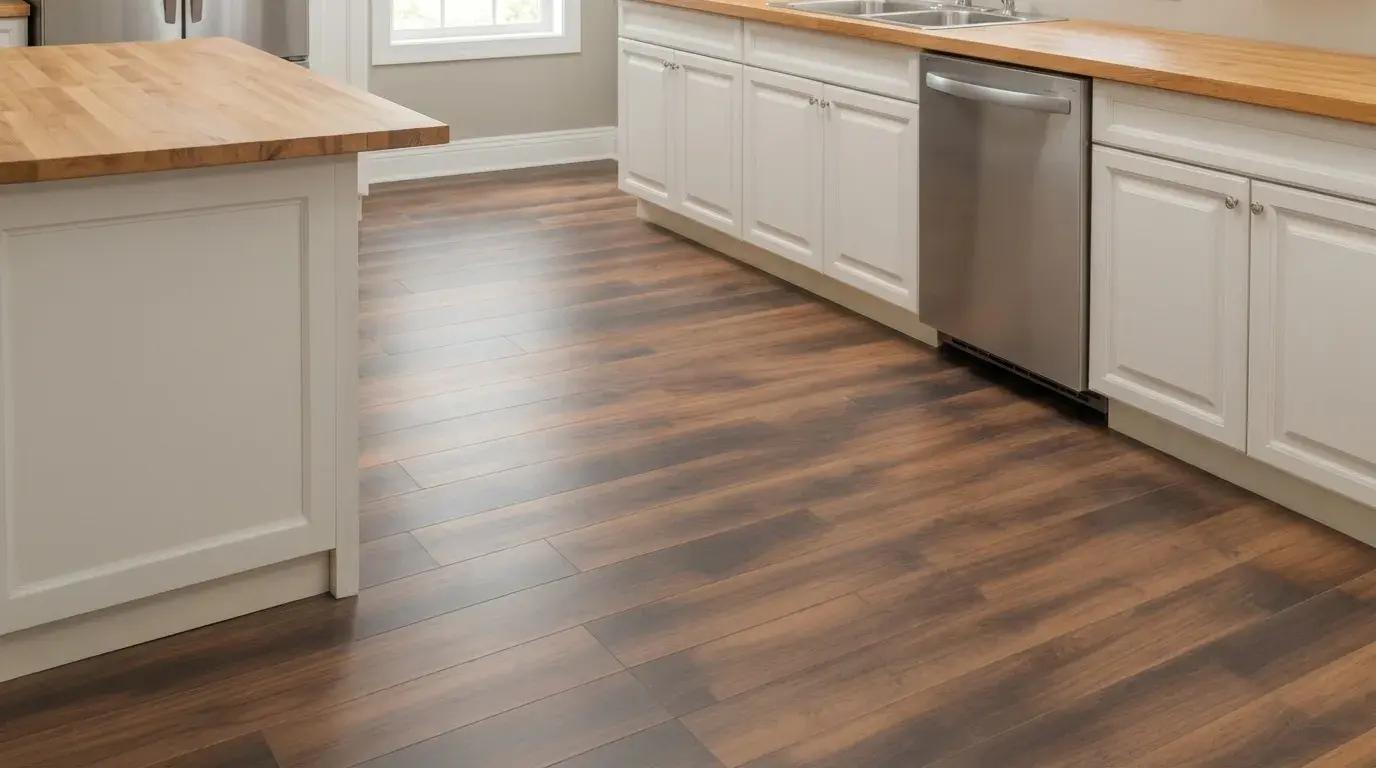
Kitchens often experience spills from cooking and cleaning. LVP handles water exposure better than many other flooring types. Its durable surface also stands up to heavy daily foot traffic.
2. Bathrooms
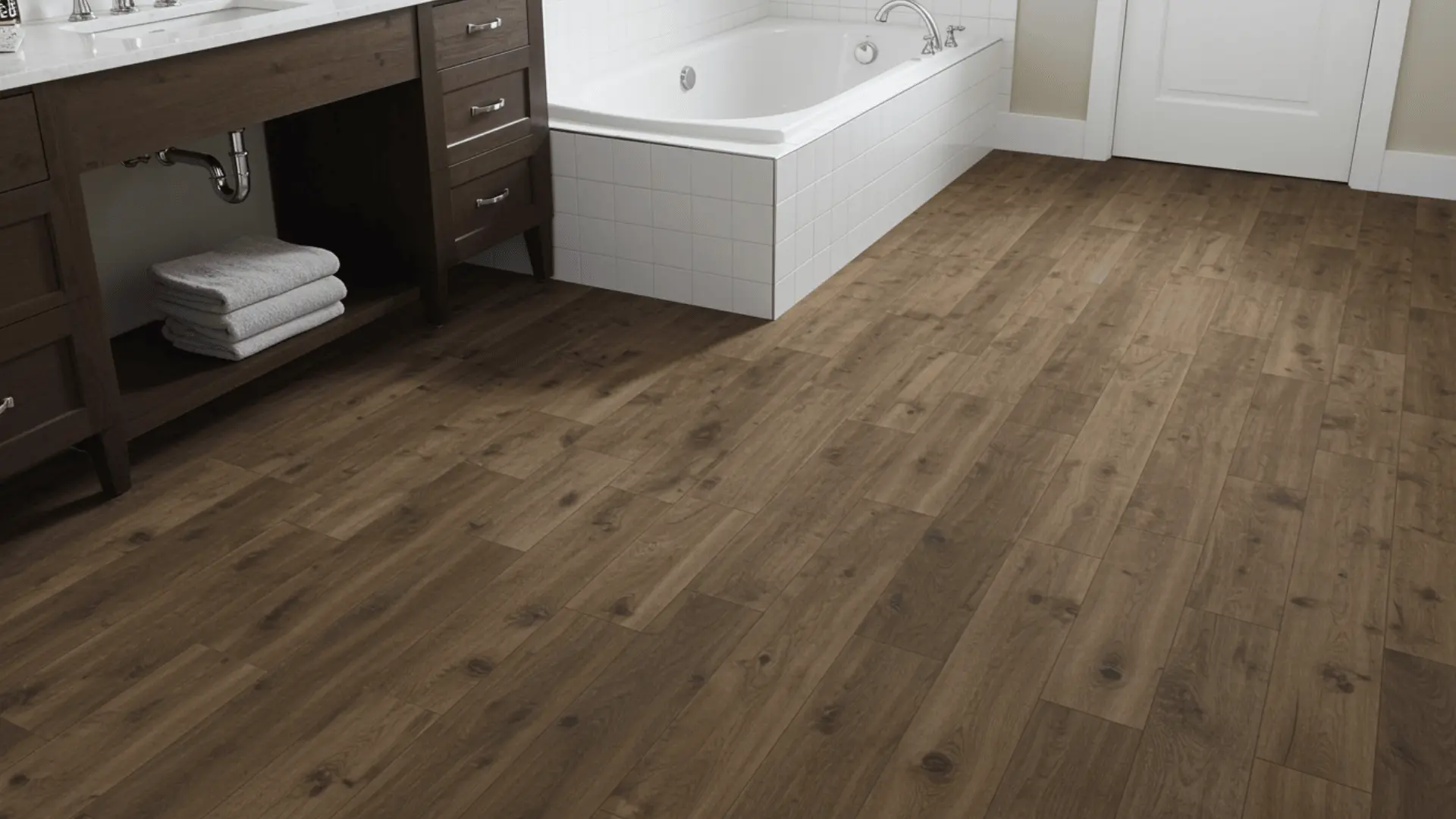
Bathrooms are one of the most moisture-prone areas in a home. LVP’s waterproof structure helps prevent swelling or damage. It provides a practical flooring option for frequent water contact.
3. Laundry Rooms
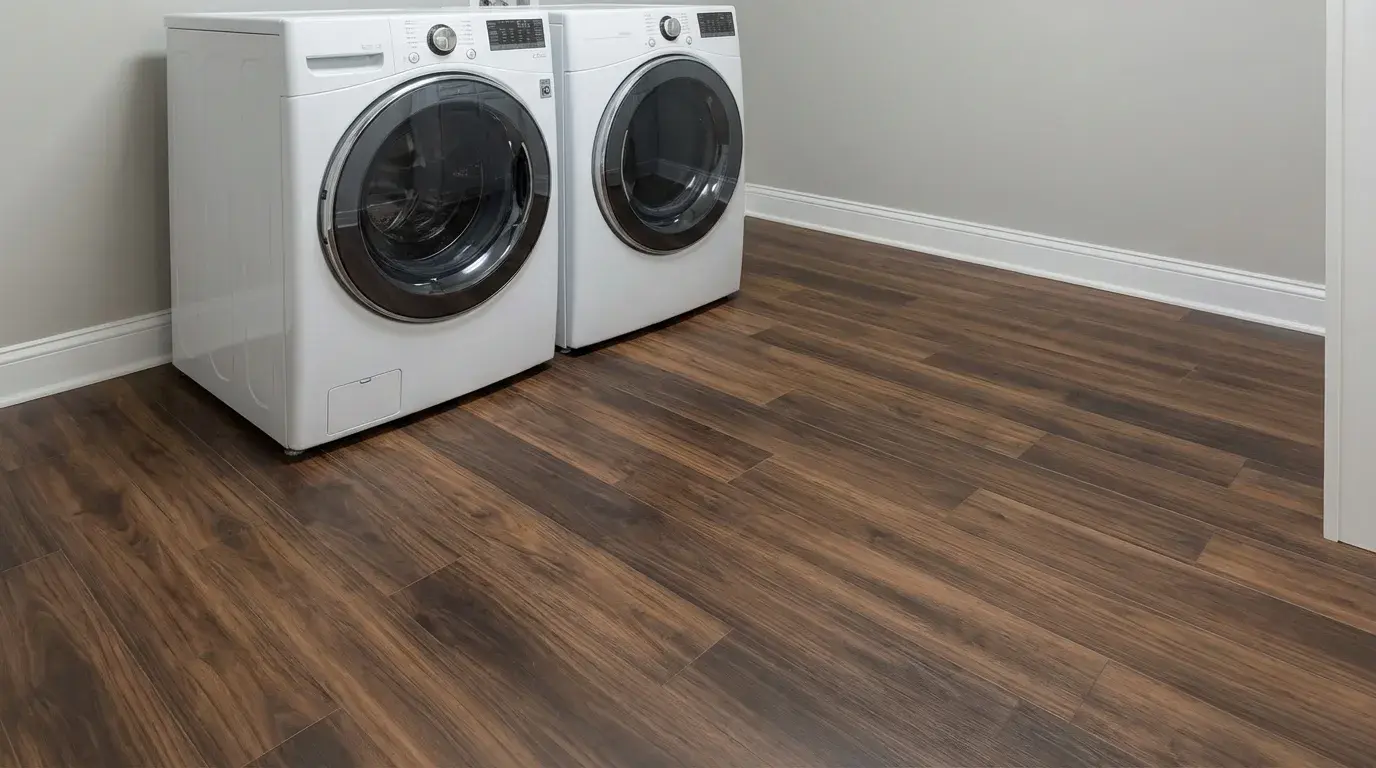
Laundry rooms can have water spills from washing machines or sinks. LVP protects the subfloor from moisture exposure. It is also easy to clean if detergent or water spills occur.
4. Basements
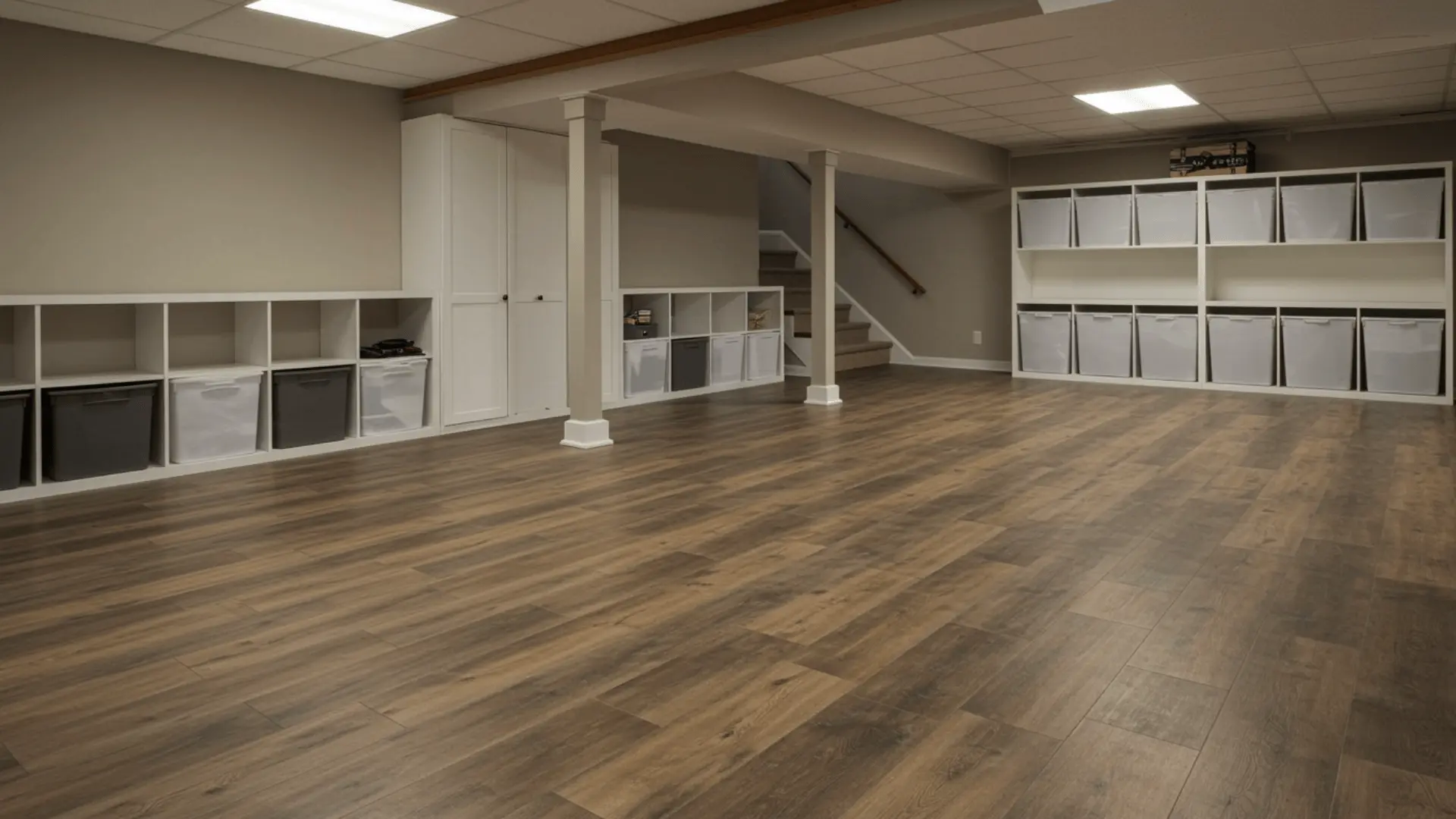
Basements often deal with humidity and occasional dampness. LVP works well because it resists moisture and temperature changes. This makes it a reliable choice for finished basement spaces.
5. Entryways
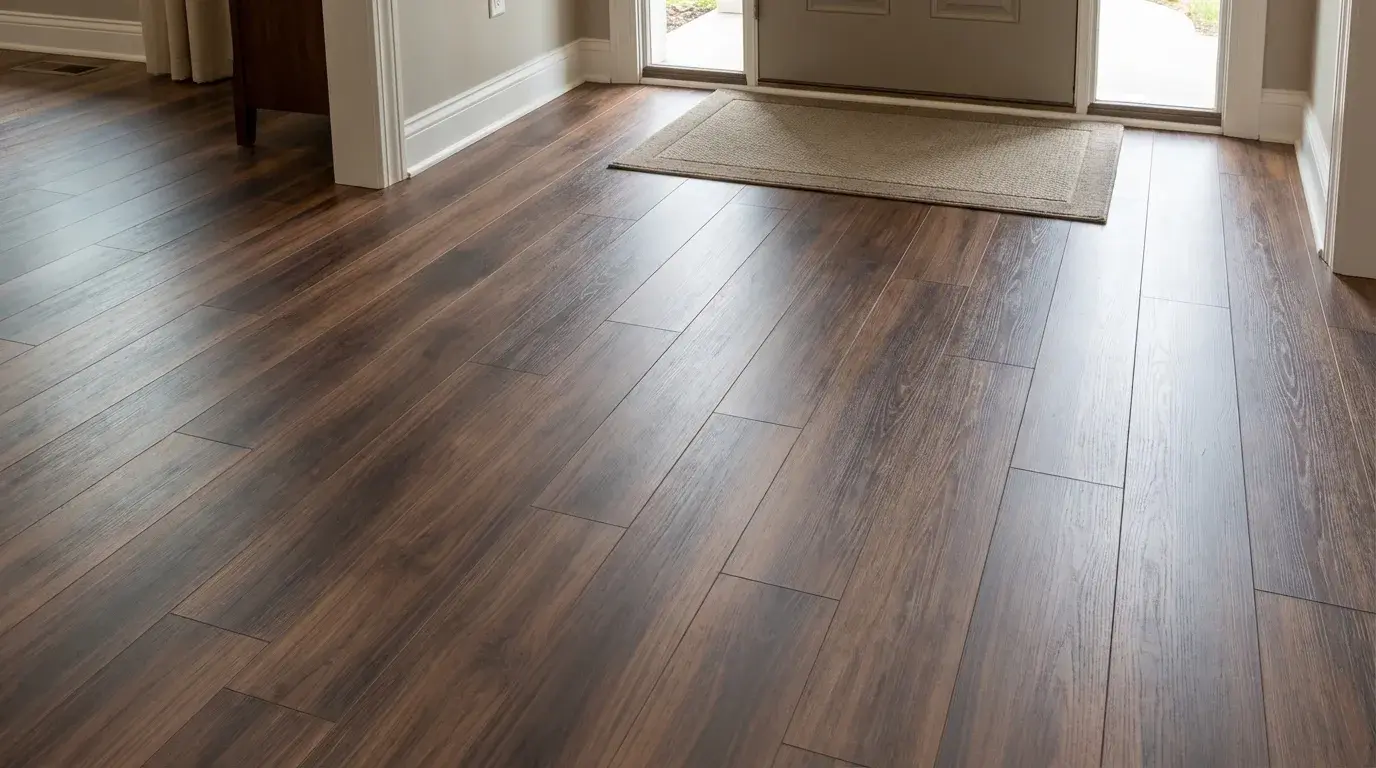
Entryways receive water from rain, snow, and wet shoes. LVP handles these conditions without absorbing moisture. Its durable surface also resists scratches from dirt and debris.
Pros and Cons of Laminate vs. LVP
Most performance differences have already been covered above. Here are a few practical points that often get overlooked:
- Environmental Impact: Laminate has a more eco-friendly profile. Its wood-based core uses natural materials and is easier to dispose of responsibly. LVP is fully synthetic, which raises valid concerns around end-of-life disposal.
- Refinishing: Neither floor can be refinished like real hardwood. Once the wear layer is damaged beyond a certain point, affected planks need to be replaced rather than sanded back.
- Resale Value: Both floors are viewed positively by buyers. However, waterproof flooring throughout a home is increasingly seen as a practical advantage, giving LVP a slight edge from a resale perspective.
- Spare Planks: Individual planks in both floor types can be replaced if damaged. Buying a few extra planks at installation time is always a smart move in case the range gets discontinued later
Laminate vs. LVP: Which One Should You Choose?
The right flooring depends on your space, budget, and lifestyle needs. Here’s a breakdown to help you decide quickly based on common priorities:
| If You Prioritize… | Choose Laminate | Choose LVP |
|---|---|---|
| Budget-Friendly Option | Usually more affordable | Slightly higher cost |
| Dry Areas Only | Ideal for low-moisture rooms | Also works well |
| Waterproof Protection | Not recommended for heavy moisture | Fully waterproof |
| Kitchens & Bathrooms | Not ideal | Best choice |
| Comfort Underfoot | Firm and solid feel | Softer and more cushioned |
| Noise Reduction | Can be slightly louder | Quieter when walked on |
| Scratch Resistance | Strong surface protection | Durable, but depends on the wear layer |
| Basements & Laundry Rooms | Not recommended | Suitable for damp areas |
| DIY Installation | Click-lock system | Click-lock system |
If moisture is not a concern and budget is the primary concern, laminate works well. If water resistance and comfort are important, LVP is usually the better option.
Conclusion
Choosing between laminate flooring vs. LVP does not have to be complicated. Both deliver a realistic hardwood look at a fraction of the cost of real wood.
The decision really comes down to one simple question: what does your room demand?
If moisture, pets, or heavy daily use are part of your everyday reality, LVP is the floor that will hold up without giving you headaches. If you are working with a dry space and want that firm, authentic hardwood feel without stretching your budget, laminate delivers exactly that.
Every home is different, and so is every homeowner’s priority.
Have you recently installed laminate flooring or LVP in your home? Or are you still weighing up your options? Drop your questions or experiences in the comments below.