How to Cut Brown Fern Leaves?
I used to cringe every time I spotted those ugly brown leaves on my favorite Boston fern.
Sound familiar? Here’s what I wish someone had told me years ago: those brown fronds aren’t just an eyesore, they’re actually holding your plant back from its full potential.
The good news? Cutting them off is incredibly simple and will change your fern in just a few weeks.
I’m going to walk you through exactly when to prune, how to do it properly, and the aftercare secrets that’ll have your fern growing back lusher than ever.
Should You Cut Brown Fern Leaves?
Short answer? Yes, most of the time you should definitely cut those brown leaves!
Your potted fern will look infinitely better without those sad, brown fronds dragging down its appearance. Additionally, brown leaves serve as a neon sign for pests, as they love to hide in dead plant material.
Removing them keeps your fern healthier and less attractive to unwanted visitors.
Most importantly, cutting brown fronds redirects your plant’s energy toward growing fresh, new leaves instead of trying to keep dying ones alive. Healthy growth also brings out the natural texture and shape that make ferns such favorites in fern arrangements.
But wait, there are times when you should hold off:
If your fern is already stressed from repotting, moving, or other environmental changes, give it time to settle in before pruning.
Also, if your outdoor fern is going dormant for winter, those brown fronds actually provide protection, so leave them until spring.
When to Cut Brown Fern Leaves

Timing matters, but it’s not as complicated as you might think.
- For indoor ferns: You can pretty much prune anytime you notice brown leaves. These plants don’t follow strict seasonal patterns indoors, so just go with what you see.
- For outdoor ferns: The best time is late winter to early spring, right before new growth starts. This gives your fern the entire growing season to bounce back.
- How often should you prune? Light pruning every few weeks works great for most ferns. You might also do one bigger seasonal cleanup if you prefer batch tasks.
Here are the signs it’s definitely time to cut:
When more than half of a frond has turned brown, it’s time to say goodbye. Also, if fronds are lying flat on the soil looking lifeless, they’re not coming back; cut them out.
How to Cut Brown Fern Leaves Step by Step
If your fern has brown leaves, it’s a sign that part of the plant has died back or dried out. Trimming those leaves helps redirect energy to new growth and keeps the plant looking neat. Follow these simple steps to safely remove the brown fronds without harming the healthy parts:
What you’ll need:
Sharp scissors or pruning shears, rubbing alcohol for cleaning your tools, and gloves if your fern has rough or spiky fronds that can scratch your hands.
Step 1: Inspect Your Fern Carefully
Take a slow look at your fern from all angles and identify which fronds are turning brown, yellow, or crispy.
Pay attention to leaves that look wilted or drooping, since they often drain energy from the healthy parts of the plant. Being thorough ensures your fern puts its energy into new growth instead of trying to maintain dying fronds.
Step 2: Remove the Most Obvious Brown
These are the leaves that are clearly past their prime and doing more harm than good. Cutting them out not only tidies up your plant but also helps improve airflow around the healthy fronds.
Think of it as removing clutter so your fern can breathe and focus on producing fresh, green leaves.
Step 3: Cut Fronds Close to the Soil Line
When trimming, always snip each frond as close to the base as possible. Avoid leaving little stubs, as they don’t serve any purpose and can become entry points for pests or rot.
A clean cut at the base also encourages your plant to push out new, healthy fronds more efficiently.
Step 4: Disinfect Your Tools After Each Cut
Dip your scissors or shears in rubbing alcohol between cuts. This may feel extra cautious, but it prevents you from spreading fungal spores, bacteria, or pests from one frond to another.
It’s a simple habit that keeps your fern healthier in the long run.
Step 5: Dispose of the Cut Fronds Properly
Don’t leave the removed fronds sitting in the pot or on the soil; they can quickly attract insects or harbor mold.
Instead, gather them up and add them to your compost bin or dispose of them. Clearing the area keeps your fern’s environment clean and reduces the risk of reinfection.
Care After Cutting for Better Regrowth
Now comes the crucial part: helping your fern recover and grow back even better than before.
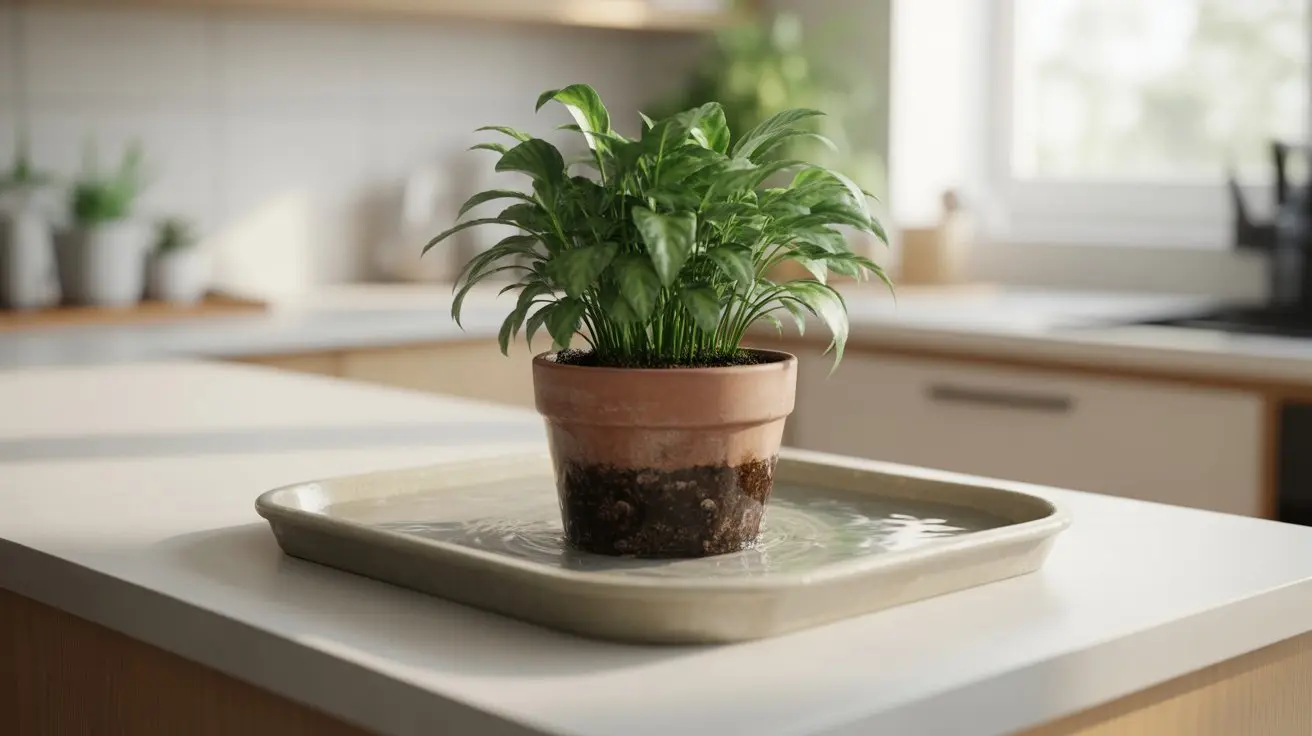
- Watering strategy: Keep the soil consistently moist but not waterlogged. Think of a wrung-out sponge, that’s the perfect moisture level. Check the top inch of soil every few days.
- Humidity boost: This is huge for fern recovery. Try misting around your fern, setting up a pebble tray filled with water nearby, or running a humidifier. Your fern will absolutely love you for this.
- Light conditions: Bright, indirect light is perfect. Think of the light under a tree canopy, bright enough to read a book but with no harsh direct rays.
- Fertilization: Feed your fern with a balanced liquid fertilizer every 4-6 weeks during spring and summer. Dilute it to half strength; ferns prefer gentle feeding.
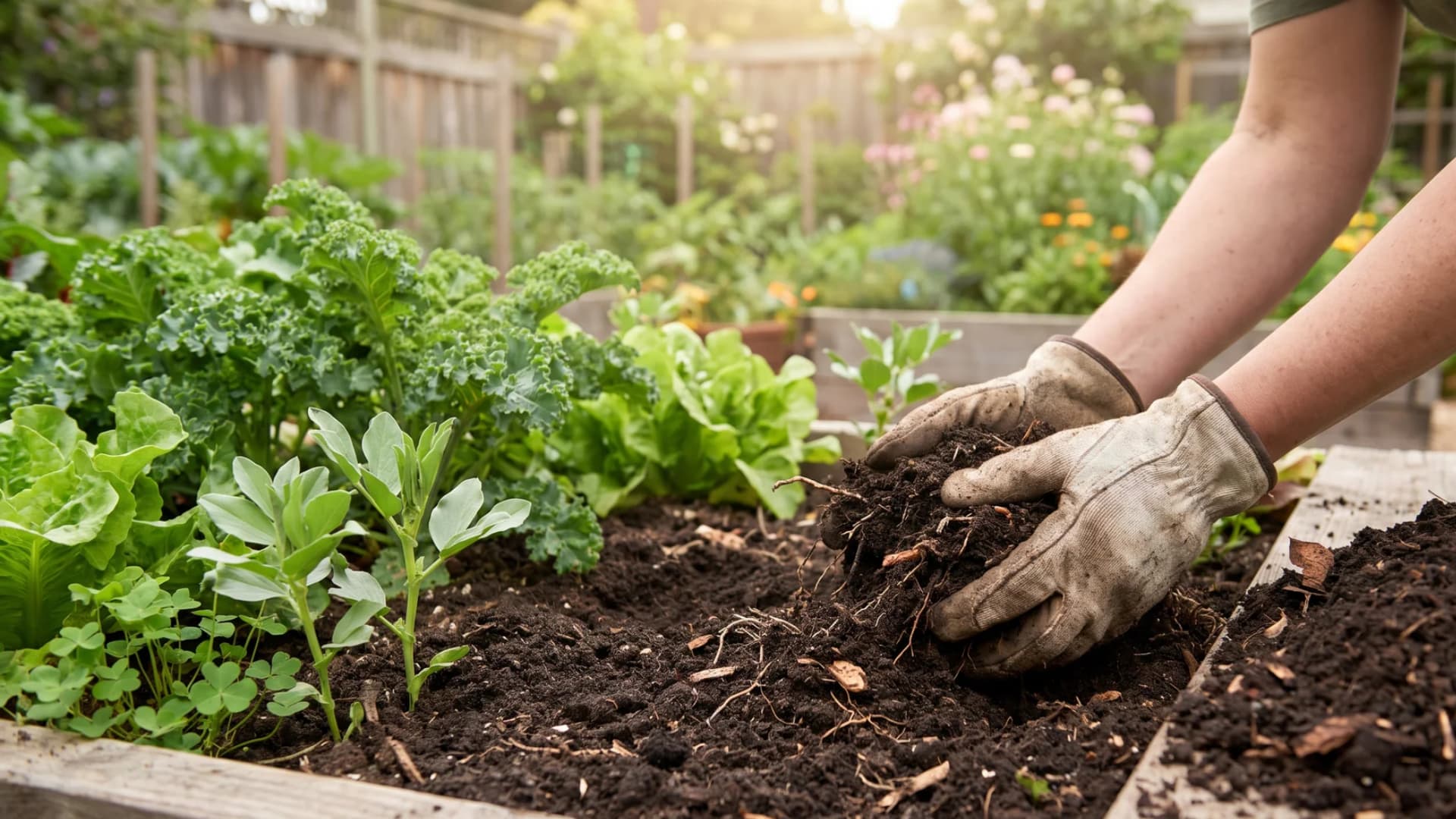
- Soil refresh: If your potting mix looks compacted or hasn’t been changed in over two years, consider refreshing it with some fresh, well-draining potting soil.
Wrapping It Up
I’ll be honest, the first time I pruned my fern, I was terrified I’d kill it. But watching those fresh, bright green fronds unfurl a few weeks later? Pure magic!
Identify those brown, tired fronds, make clean cuts at the base, and give your fern some extra TLC with consistent watering and humidity.
Your plant is tougher than you think and wants to grow; you’re just giving it permission to shine.
The transition will surprise you. Within a month, you’ll have a completely different plant that you’ll actually want to show off to guests.
Ready to give your fern a fresh start? Grab your scissors today and watch the magic happen!