How to Choose the Right Bulldozer for Clearing, Grading and Everything in Between
When you take a look at the operation of a construction company and analyse the quality of service they provide, you’ll quickly realise one thing – much of their success depends on the equipment they work with.
One piece of equipment that has proven to be essential in the portfolio of a successful construction company is a bulldozer. It’s a type of machine that helps with many tasks on project sites such as clearing land, moving soil, grading surfaces and even demolishing old structures. Its versatility makes it a cornerstone of many construction operations, whether it’s for road building, residential development, or large-scale commercial projects.
Considering the fact that dozers are a heavy investment, it’s important to choose the best option for your operation so that your money gets spent wisely. Here is what you will need to consider to ensure the best outcome.
Types
Before you buy a bulldozer, you need to get familiar with the types available. Each has its strengths and is suited for specific jobs and terrain. Let’s take a look.
Crawler Bulldozers
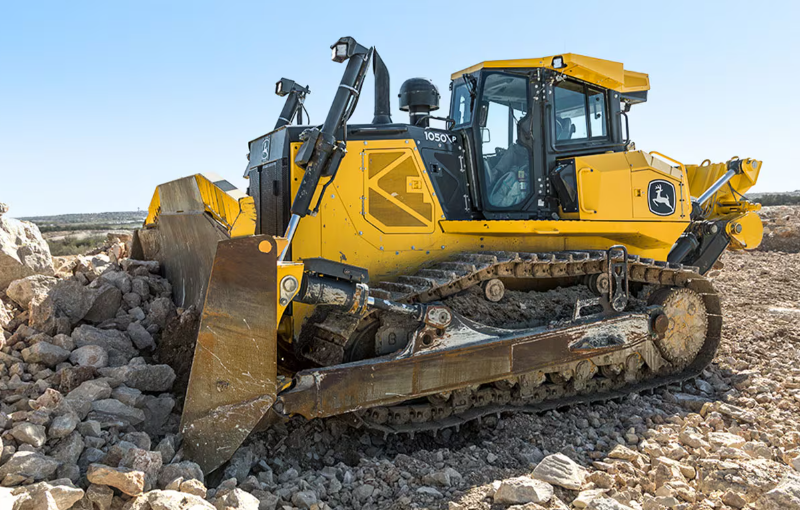
Crawler dozers are the machine you want on your side for rough, muddy or uneven job sites. Unlike wheeled equipment, these machines run on continuous tracks, which spread their weight more evenly on the ground. This design gives them incredible stability and is perfect for tough terrain that would challenge other machines.
Built for strength and endurance, crawler dozers are a staple in demanding industries like construction, mining and forestry. Whether it’s clearing thick brush, levelling uneven ground or pushing tons of earth and debris, these machines get the job done fast and efficiently.
One of their main advantages is their ability to operate on soft, unstable surfaces. From wetland projects to loose, sandy soil, crawler dozers have traction and keep working where others would get stuck.
Wheel Bulldozers
Unlike crawler models, these dozers run on large, heavy-duty tires that provide more mobility and faster movement across job sites. This makes them ideal for projects that require efficiency on firm, level ground.
Thanks to articulated steering, wheel dozers are very manoeuvrable even in tight work zones. That’s why they’re a popular choice for road construction, infrastructure development and quarry operations where site relocation is part of the job.
One of their biggest benefit is reduced downtime. These machines can move quickly between tasks and locations, keeping your workflow steady and on schedule. However, they have their limits. Wheel dozers perform best in dry, compact environments and may lose traction on muddy or loose terrain.
Mini Bulldozers
Don’t let the size of these machines fool you! They pack a punch when it comes to versatility and precision. Designed to navigate tight, confined spaces with ease, mini dozers are a go-to solution for projects where big equipment won’t fit.
Mini dozers are often used in landscaping, residential construction and small-scale excavation work. Their compact design allows them to grade, clear and level in tight areas like near buildings, gardens or narrow driveways. Because of their smaller size, they cause minimal disruption to the surrounding environment and are much easier to transport from site to site.
Mini dozers are also cheaper to run and maintain than their bigger counterparts. This makes them a great choice for contractors who want efficiency without overspending.
Size and Power
Bulldozers are generally divided into three categories: Small (under 15 tons), Medium (15 tons to 50 tons) and Large (over 50 tons). The size you choose will determine what the machine can do, how easy it is to move, and if it’s suitable for your job site.
Power is also key. Think about the type of work you’ll be doing and the ground conditions. For example, if you’re working with tough materials like sand or rock, you’ll need a dozer with at least 220 horsepower (162kW). More horsepower means the machine can push heavier loads faster and get the job done more efficiently and on time.
Blade
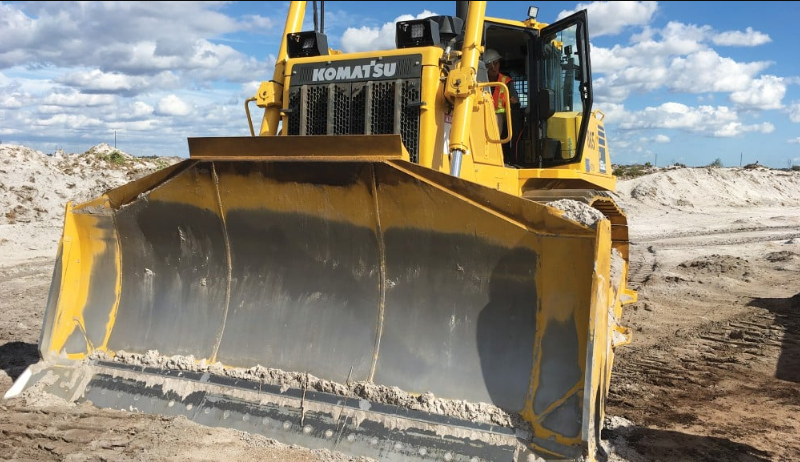
The blade is the most important part of a dozer; it’s what does the actual pushing, grading and shaping of the material. But not all blades are the same. Different types are designed for specific tasks and ground conditions. Here’s a breakdown of the most common dozer blades and what they’re best used for:
Straight Blade (S-Blade)
This blade is short and has no side wings, perfect for precise grading and levelling work. It performs best with medium to hard soils and is used where accuracy is more important than volume.
Universal Blade (U-Blade)
The U-blade has large side wings and a curved shape, and it can carry more material. It’s great for pushing large volumes over longer distances, especially in soft to medium-density soils like loose dirt or sand.
Angle Blade
This blade can be angled up to 30 degrees to the left or right, perfect for pushing material to the side, like snow, gravel or debris. It’s a go-to choice for roadwork and site cleanup.
Power-Angle-Tilt Blade (PAT Blade)
As the name suggests, this blade can tilt, angle and lift, giving you a lot of control. It’s very versatile and efficient, especially for jobs that require frequent blade adjustments or work in tight spaces.
New vs. Used
Used machines come with a discount of 25% to 50% compared to brand-new machines. This is a cost-effective option, especially for smaller companies with tight budgets.
But to ensure you get a good deal, have the machine inspected by a licensed mechanic. A professional assessment will give you a clear picture of the current condition of the machine and help you estimate how much useful life the machine has left. This is crucial to avoid hidden repair costs down the road. Also, remember that as dozers get older, maintenance needs increase. Older machines will require more frequent repairs or replacement parts, which can add up quickly and cause unexpected downtime.
While buying used has its advantages, buying new offers benefits that go beyond just getting a clean machine. New machines come with updated engines, new controls and fuel-saving features that will increase productivity and reduce operating costs. Plus, new machines are backed by warranties that cover major components, so you have peace of mind and less financial risk of early repairs.
Sarah Lyall is a passionate home decor blogger with a knack for finding unique and stylish ways to make any space feel like home. With a background in interior design and a lifelong love of all things home and garden, Sarah has turned her blog into a go-to resource for anyone looking to bring a little extra warmth and character into their living spaces.