
How to Balance Bespoke Home Design With Scalable Systems
Clients naturally want their homes to feel completely their own, tailoring room designs down to the last detail. This diversity will support your portfolio, but building bespoke can eat into your productivity and profits, weaking your business position.
The answer lies in achieving balance—incorporating bespoke elements into repeatable systems that support speed and growth. Discover how to achieve this balance and deliver beyond client expectations while ensuring your success.
The Importance and Challenges of Personalization
When building a house, you’re creating a home. For it to feel like a sanctuary that supports wellbeing, it needs to reflect individual identity. This is why personalization is so important in successful property design. However, with insufficient planning, the process of tailoring risks delays and last-minute changes, making projects time-consuming and costly for your company.
Working with clients to consider how changes could improve a room’s functionality will help guide them to lasting designs that they love, minimizing the risk of requests for alterations while still ensuring customer satisfaction.
Developing Repeatable Foundations
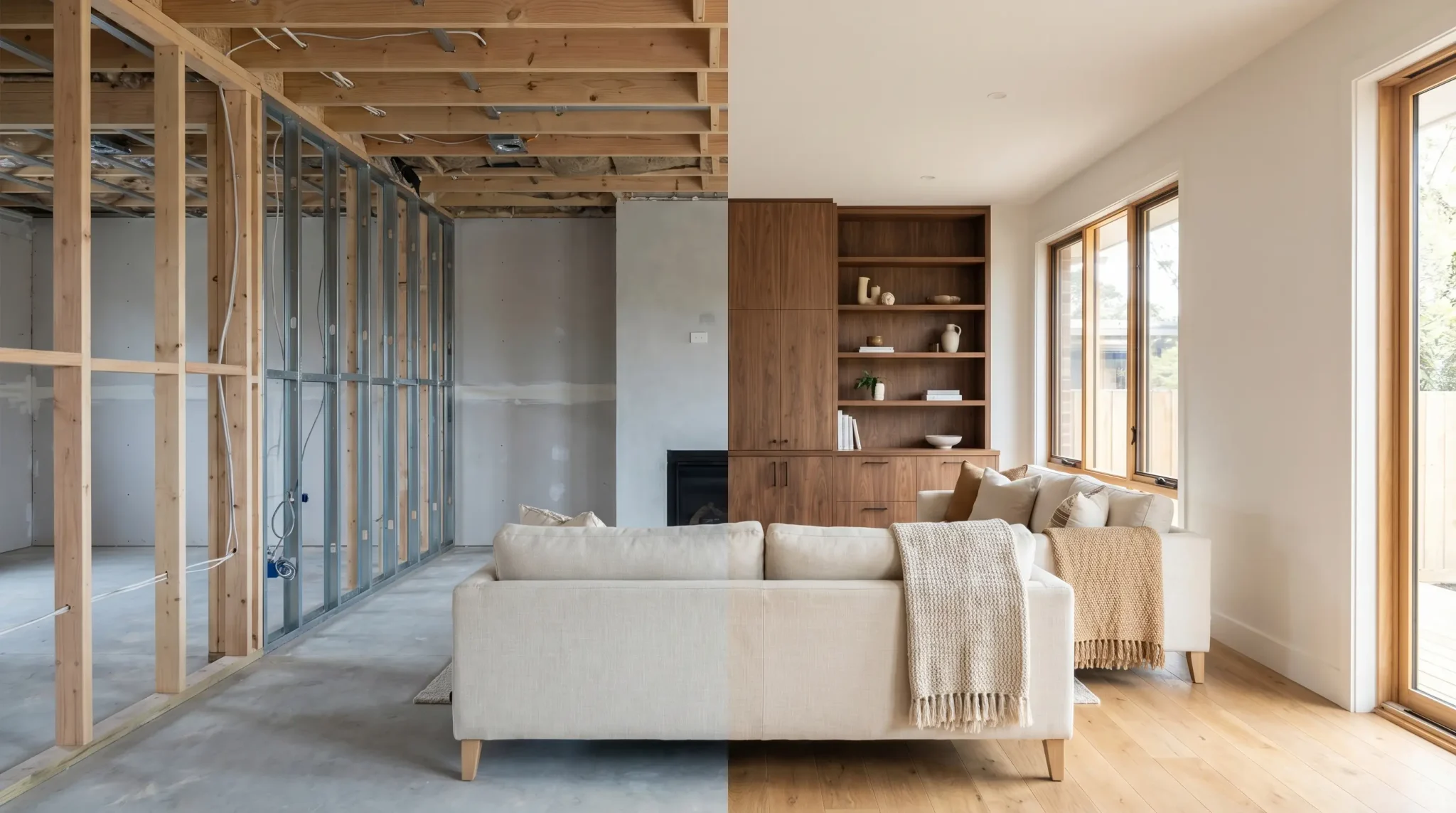
Protecting your time and money to support business growth relies on developing reliable foundations you can safely repeat across all projects. This includes plastering or fitting professional-standard drywall and trim and creating connections for permanent fixtures like radiators, plug sockets and lights. Giving your team the go-ahead to crack on with the basics lets you get ahead while the details are ironed out with customers. Using similar products and processes across each project also allows you to save by buying in bulk and developing strong relationships with a core set of contractors.
In addition to physical materials and processes, the foundations also includes how you approach each project. Cover the essentials with clients in the beginning, confirming key details like layout that enable you to do the bulk of the work reasonably quickly. Cosmetic details can then be tweaked later down the line. You should also be sure to get a maximum budget in return for a rough timeline and set expectations about when and how changes can be requested. Overall, this gives you more control and greater predictability with every bespoke order.
Knowing What & When to Customize
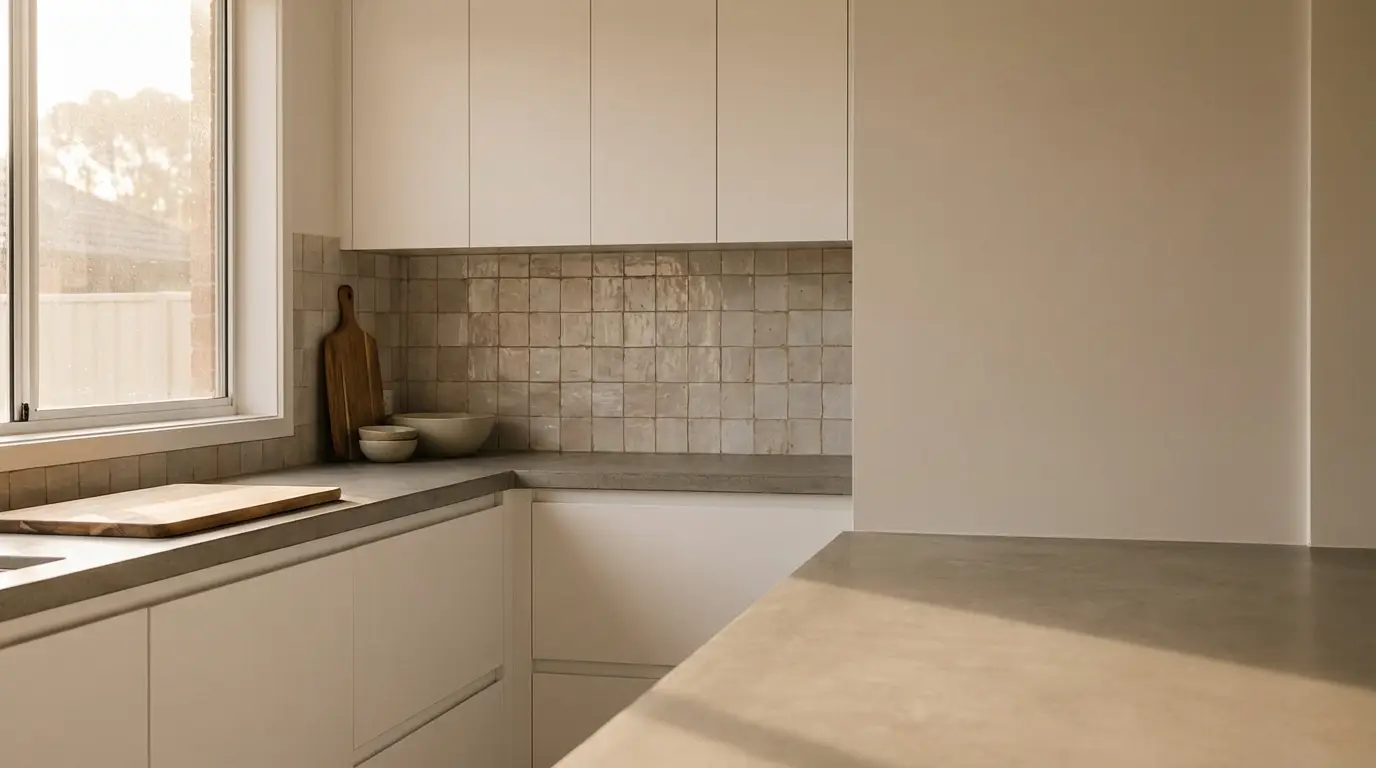
Knowing what you should offer as changeable will help keep bespoke projects in control. One strategy is to apply a 70/30 split, standardising roughly 70% of the design and reserving 30% for meaningful variation that can be client-led. Decide this split at concept stage, not during construction, so your team and customers understand where flexibility sits.
Focus your custom budget on spaces people interact with most—kitchens, bathrooms, and living areas—while keeping other rooms like bedrooms and circulation pathways largely consistent. This approach preserves installation efficiency while still giving a sense of ownership of their spaces.
Identifying High-Impact Details
Understanding where customization adds value, for you and your clients, helps ensure you prioritize those that matter most. This might be enhancing comfort and usability or making the home worth more. You’ll be more in control of construction while ensuring you’re still doing the best for your customers.
When planning, highlight the importance of interior design essentials like bringing in natural light and developing layered lighting schemes, ensuring adequate and attractive storage solutions, creating pleasant acoustics and supporting optimal thermal performance. Actively demonstrate the difference these key elements have in comparison to small colour changes and tile details. These choices rarely complicate construction but significantly influence how occupants judge the home over time, helping to generate consistent positive reviews for your company.
Maintaining Flexibility and Communication
Even with a clear strategy, projects evolve, and bespoke projects are especially prone to changeability. Mastering the art of communication with clients, staff and suppliers provides structure, helping you manage alterations without chaos.
Establish decision deadlines for each design element and link them to the construction programme. When clients understand that a late change to a bathroom layout could delay tiling and final inspection, they make more informed choices and understand if a late-change fee is applied. Hold regular coordination meetings with your design team and trades to review upcoming work and confirm specifications. Shared drawings, updated in real time, reduce misunderstandings on site. You keep flexibility where it adds value, but you anchor decisions to a clear process that protects delivery.


