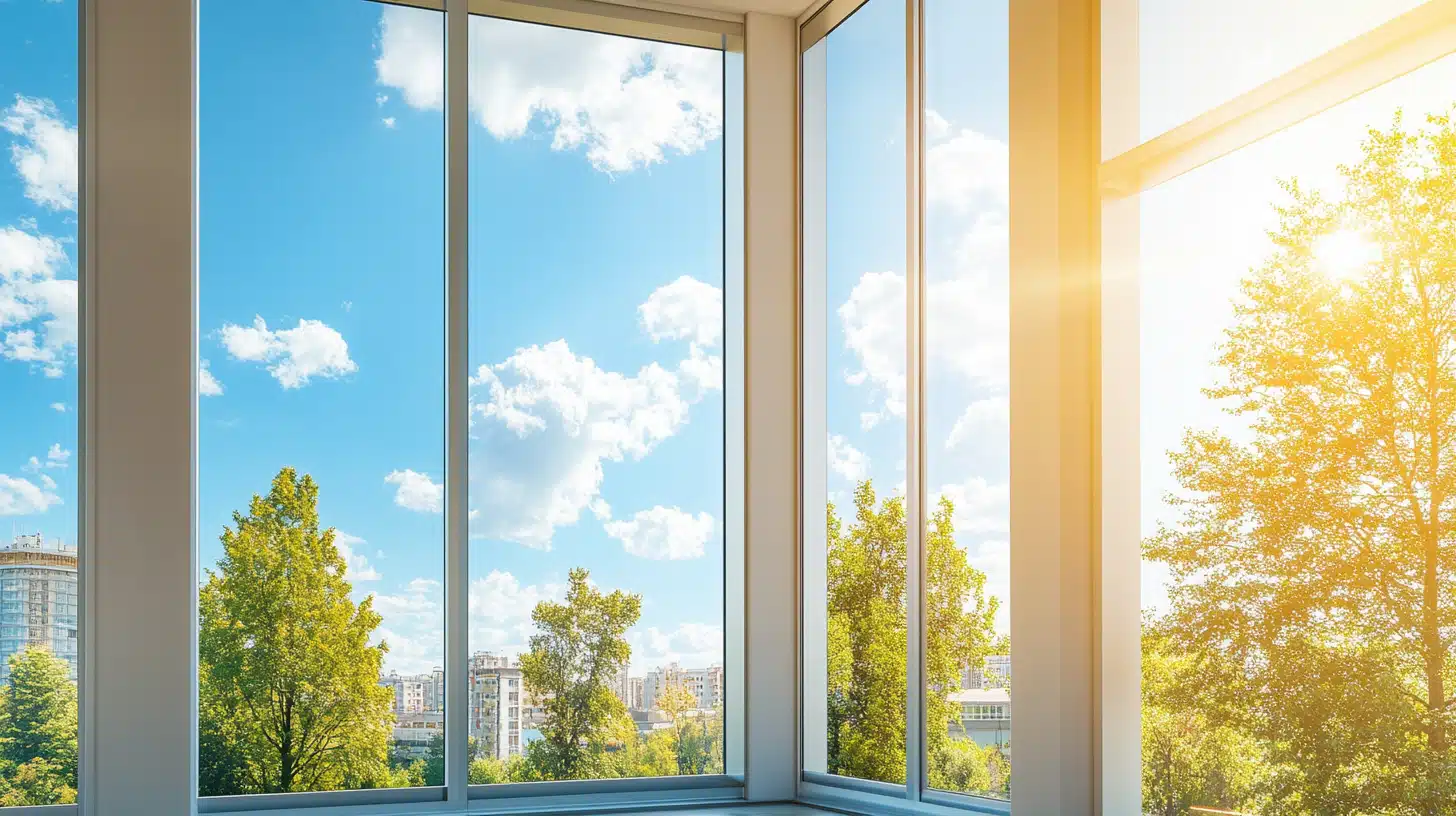
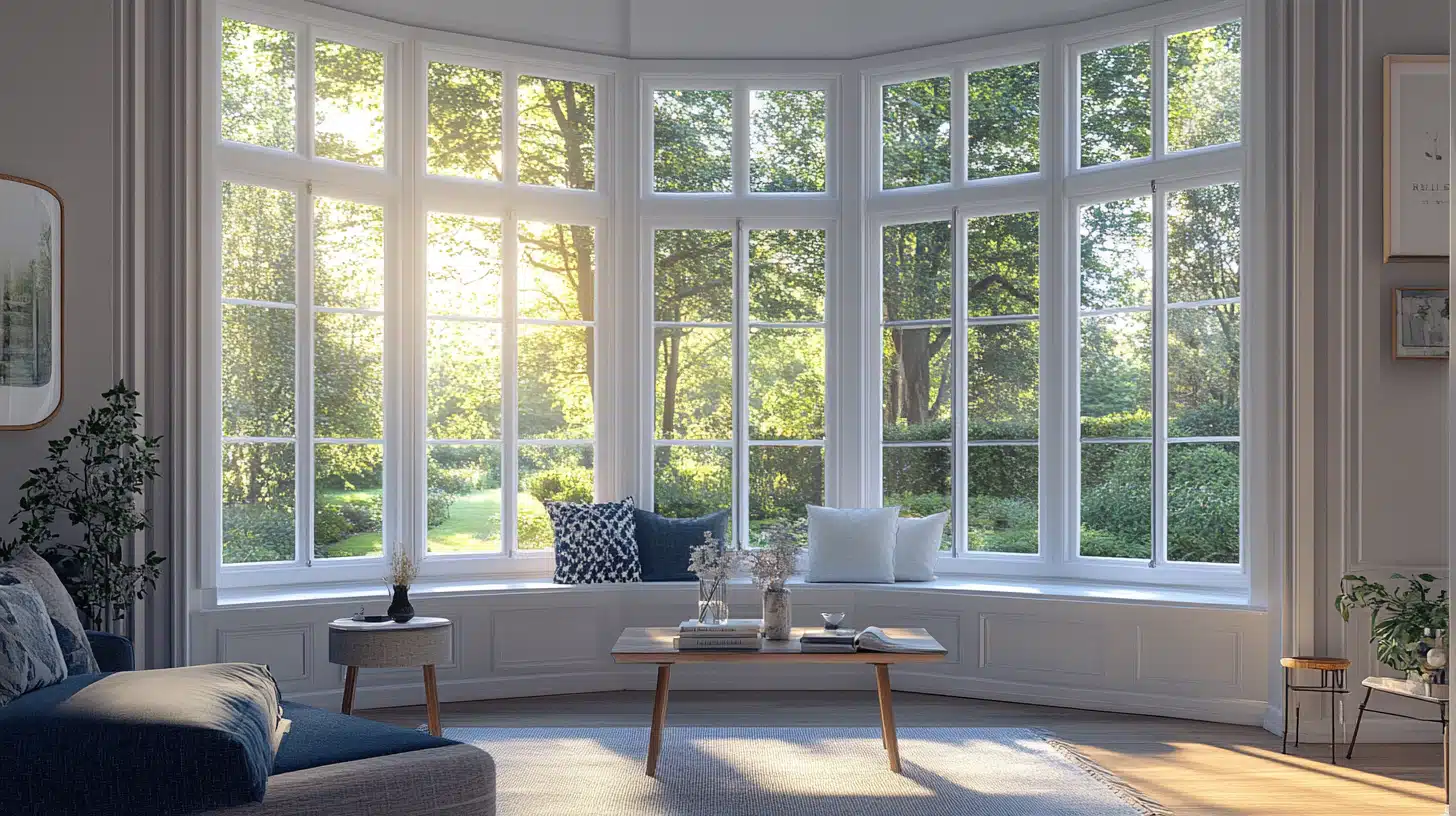
How Proper Window Installation Improves Home Energy Efficiency
Many homeowners focus on insulation, appliances, or HVAC systems when thinking about energy efficiency. However, windows also play a major role in controlling heat loss, heat gain, and air movement throughout the home.
The difference between a well installed window and a poorly installed one is not always visible right away. Over time, it can show up in rising energy bills, uncomfortable indoor temperatures, and unnecessary strain on heating and cooling systems. Below are more insights on how installing the right window can be a powerful boost to your home’s energy efficiency, regardless of the weather.
What Role Does Windows Play in Energy Efficiency?
Before we discuss some of the benefits of installing the right window, you need to ask yourself what role they actually play in energy efficiency, if at all, and whether they would make any difference.
A window is a structural opening that must maintain a building while still allowing light and ventilation. When installed correctly, windows act as gateways between indoor and outdoor environments, preventing air leakage and managing heat transfer.
This is why proper installation ensures that every component around the window works together, including insulation layers, sealants, and the alignment of the frame within the wall. If even one of these elements is handled poorly, small gaps can allow outside air to move freely into the home, forcing heating and cooling systems to compensate for temperature loss constantly.
Over time, these inefficiencies become noticeable through drafts near window areas, uneven room temperatures, and heating or cooling systems that seem to run far more often than expected. Professional contractors believe the issue is not the window product itself; instead, it is the installation process that determines whether the window performs as designed.
Reasons Why Installation Quality Shouldn’t Be Ignored
People often focus on the brand or style of a window, yet the installation process is just as important as the product itself. Even the most energy efficient window can lose its effectiveness if it is not properly aligned, sealed, and integrated into the surrounding wall system.
For example, homeowners researching window replacement in San Antonio often discover that climate conditions make installation precision important, as the region’s hot summers mean any small gap around a window frame can allow warm air to continuously enter, increasing indoor temperatures and forcing air conditioning systems to work harder than necessary.
This is why professionals often emphasize installation techniques, such as proper flashing and airtight sealing, because these steps determine whether the window actually improves energy performance. Below are detailed reasons why every homeowner should consider the right window installation, irrespective of the budget.
It Prevents Air Leakage
Air leakage is one of the most common causes of energy inefficiency in homes, and windows are frequent contributors when they are not installed correctly. Professional installation focuses heavily on sealing these openings and transition points with high quality materials designed to expand and contract while remaining durable as temperatures change throughout the year.
Foam insulation, flashing tape, and weather resistant sealants all play a role in preventing air infiltration while protecting the wall structure from moisture intrusion. This way, you tend to notice fewer drafts, quieter interiors due to reduced outdoor air movement, and more stable room temperatures.
Controls Heat Transfer
Another factor affecting energy efficiency is how windows manage heat transfer. Glass technologies such as low emissivity coatings help control the flow of heat through the window. Still, these features only work effectively when the window frame is installed properly within the wall opening.
If a window is slightly misaligned or poorly supported, small structural gaps can disrupt insulation continuity around the frame. This allows heat to bypass the energy efficient glass system and move directly through the wall cavity, which reduces the overall benefit of the window design. Correct installation techniques ensure that the frame sits properly within the opening, maintaining the thermal barrier that modern windows are engineered to provide.
Reduces Strain on Cooling Systems
One of the most practical benefits of well installed windows is the reduced workload placed on HVAC systems. When windows maintain a tight seal and support consistent indoor temperatures, heating and cooling equipment does not need to work frequently to maintain comfort.
This reduction in system strain can extend the lifespan of HVAC equipment while also lowering monthly energy costs. Over time, the savings from improved efficiency can help pay off the initial investment in high quality window installation.
Beyond financial savings, consistent indoor temperatures create a more comfortable living environment, with rooms that feel balanced rather than experiencing hot and cold spots caused by air leakage or uneven insulation.
Endnote
Proper window installation plays a far greater role in home energy efficiency than many homeowners realize. In the long run, the true value of a window is not just the glass or frame itself but the quality of the installation that allows the entire system to perform as intended.