
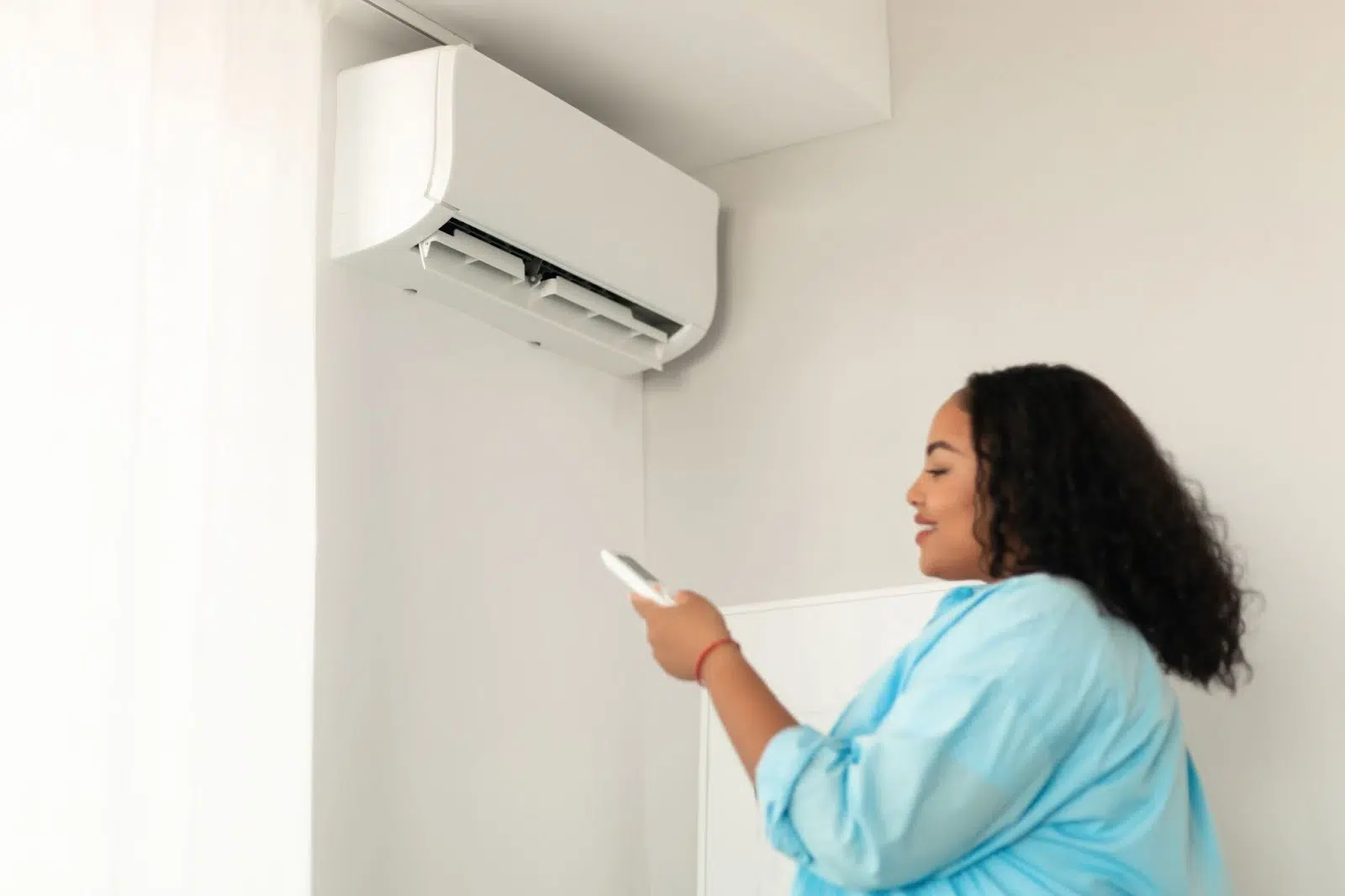
How Poor Airflow Can Be a Sign of Bigger Problems Inside Your AC
When the air from your AC vents suddenly feels weak, it’s tempting to assume the problem will sort itself out. Maybe it’s just a hot day or a quirk in the system. But a noticeable drop in airflow is rarely random. It’s often an early sign that something inside the unit isn’t functioning the way it should. Instead of treating it as a surface-level issue, it’s worth considering whether it points to something more serious.
What Weak Airflow Can Tell You About System Health
Weak airflow usually means your system is under pressure somewhere. In some cases, it’s as simple as a blocked filter or dirty vents. But when those quick fixes don’t help, it can reveal underlying mechanical or electrical issues that need attention. The fan might be slowing down due to motor wear, or the refrigerant levels might have dropped below normal, affecting how efficiently the system cools.
In larger ducted systems, airflow loss can indicate a leak or blockage inside the ductwork. In split systems, especially older ones, low airflow could point to a compressor issue or a misfiring thermostat. Because these problems develop gradually, you might not notice them right away. But they often mean the system is no longer working at full capacity — and that usually leads to higher energy use and less effective temperature control.
The Hidden Strain on Other Components
If your system has to work harder to push air through, that added strain doesn’t just stop at the vents. Other components start picking up the slack, often running longer than they’re designed to. Fans overheat. Compressors cycle on and off more often. Even the electrical circuits can be affected as the system tries to compensate for what it perceives as inconsistent performance.
This kind of strain builds slowly but can result in major breakdowns if left unaddressed. It’s especially common in households that rely on their air conditioning every day during summer or winter. Even minor airflow issues, if ignored, can cut years off the lifespan of your unit. That’s why professionals often recommend early intervention, even if the system is still technically running. A quick check now can prevent a complete failure later on.
When Poor Airflow Becomes a Safety Risk
Reduced airflow doesn’t just impact comfort — it can create hazards, especially if your unit is older or hasn’t been serviced recently. When the system runs inefficiently for extended periods, parts like the fan motor and compressor can overheat. In some cases, this leads to automatic shutdowns, but not all systems have built-in safeguards. Without proper ventilation and internal cooling, the risk of overheating climbs, and that can trigger more serious electrical faults.
There have also been instances where airflow issues masked bigger problems like damaged wiring or failing capacitors. These are not always easy to spot without opening the unit, which is why it’s crucial to treat weak airflow as more than just a minor fault. In homes with young children or elderly residents, maintaining a safe and reliable cooling system isn’t just a matter of comfort — it’s a health priority.
Why Routine Maintenance Might Not Be Enough
Staying on top of basic maintenance is essential, but it’s not always enough to keep airflow consistent. Filters can be cleaned and coils wiped down, yet deeper problems can still linger. Over time, internal parts lose efficiency. Dust collects on components you can’t easily see. Even electrical connections can shift or loosen, causing inconsistent performance. These kinds of wear-and-tear issues are usually invisible until something goes wrong.
That’s why it helps to go beyond seasonal maintenance if you’re noticing persistent issues. When airflow doesn’t improve despite your usual upkeep, that’s a good reason to consider AC repair by a licensed technician. A complete system check can detect problems that surface-level cleaning won’t fix. And if caught early, the solution is often far simpler and cheaper than waiting until something breaks.
What to Do if You Notice Changes
If your air conditioning used to run smoothly but now struggles to maintain a consistent temperature, changes in airflow can reveal more than you might think. Pay attention to how and when the issue appears. Is it only happening in certain rooms? Does it get worse after the system has been running for a while? These kinds of clues can help technicians narrow down the cause more quickly during a service call.
Avoid the urge to turn the system on and off repeatedly in an attempt to “reset” it. That can actually put more strain on the components, primarily if the issue lies with overheating or pressure build-up. Instead, note what you’re experiencing, keep the unit off if it seems to be struggling, and arrange for a professional to inspect the system. Acting early can make a big difference in both performance and repair costs.
Conclusion
While weak airflow might seem like a minor issue, it’s often a warning sign of something more serious going on inside your air conditioner. From hidden wear to potential safety concerns, treating it as a minor inconvenience can end up costing more in the long run. A timely response helps protect your system, your comfort, and your power bill — all without waiting for a full breakdown.


