How Often Should You Service Your Air Conditioner?
Table of Contents
- Understanding the Importance of Regular AC Maintenance
- General Recommendations for AC Servicing
- Key Components of an AC Service
- Signs Your AC Needs Immediate Attention
- DIY Maintenance Between Professional Services
- Conclusion
Understanding the Importance of Regular AC Maintenance
Maintaining your air conditioner is essential not only for comfort but also for ensuring the efficiency and longevity of your system. Without routine service, dust and debris can build up, strain internal components, and ultimately reduce your AC’s ability to cool your home effectively. As you prepare for the demands of the Arizona summer, consider the benefits of professional AC repair in Scottsdale, AZ, a critical step in protecting your investment and your comfort.
Neglecting basic maintenance may lead to increased energy usage, higher monthly bills, and unexpected system failures. Harmful particles can circulate through your home, affecting air quality and irritating allergies. By scheduling regular maintenance, you reduce the risk of expensive emergency repairs and keep your cooling system running smoothly for years.
General Recommendations for AC Servicing
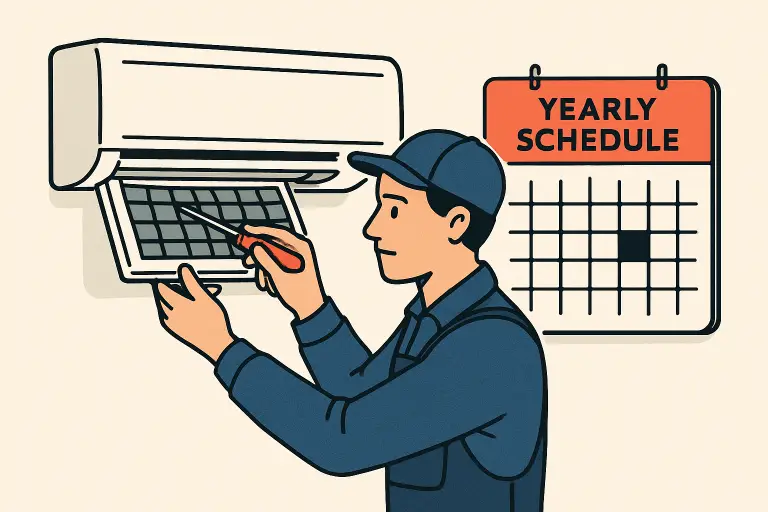
The consensus among HVAC professionals is that your air conditioner should be serviced at least once a year. Ideally, you should do this in the early spring before temperatures soar. By catching minor issues before they escalate, annual check-ups prevent breakdowns during the peak of summer heat, when you need your system most. According to experts at Forbes Home, yearly maintenance can catch refrigerant leaks, filter clogs, and coil problems before they become emergencies.
Routine service is not just about mechanical upkeep. It is also about optimizing energy efficiency. A well-maintained air conditioner requires less power to operate, leading to lower utility bills and a reduced carbon footprint.
While most homes can get by with annual servicing, there are key factors that might require you to schedule more frequent AC tune-ups:
- Climate: In hot, humid regions like much of Arizona and Florida, cooling systems work overtime to beat the heat. In these environments, some experts, such as those at Beacon AC, recommend twice-yearly servicing to ensure peak performance and reliability both before and after the most intense seasons.
- Usage: If you run your air conditioner nearly every day or leave it on for extended hours, consider scheduling check-ups every six months. Heavier use means more wear and tear.
- System Age: Units older than a decade are especially vulnerable to breakdowns. If your AC is getting on in years, increased maintenance can stave off sudden failures and may identify when it is finally time to replace the system.
Evaluating these factors helps homeowners tailor their maintenance schedule to their needs. In environments with extensive use or high dust and pollen levels, more frequent attention helps ensure your system stays dependable and efficient.
Key Components of an AC Service
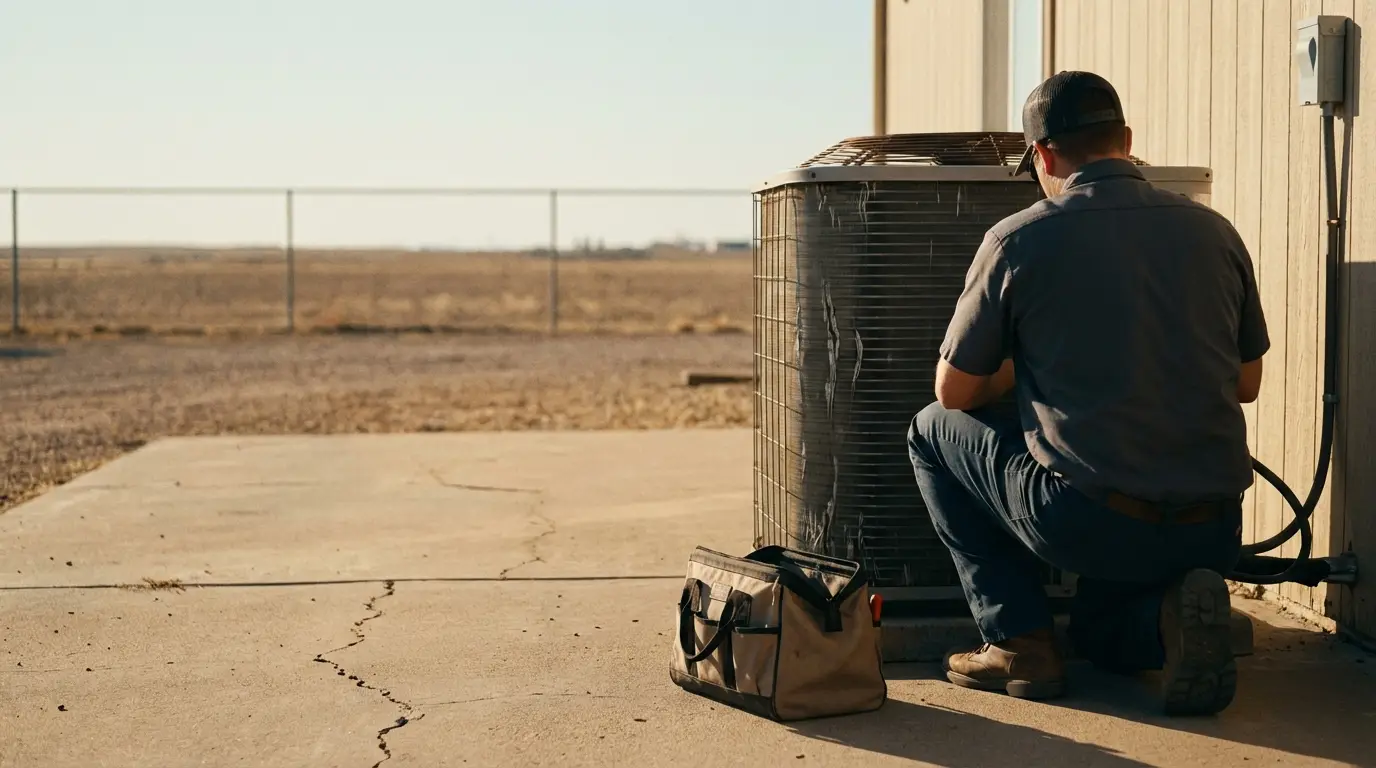
Professional AC service involves a detailed inspection and cleaning of essential parts. Technicians usually complete the following tasks during a comprehensive tune-up:
- Inspecting and cleaning both evaporator and condenser coils to remove accumulated dirt that can reduce airflow and heat absorption.
- Checking and replacing air filters improves indoor air quality and keeps your system running efficiently.
- Verifying refrigerant levels and refilling as required to ensure optimal cooling performance and protect the compressor.
- Inspecting and tightening electrical connections reduces the risk of fire hazards and system malfunctions.
- Lubricating moving parts to minimize friction and wear.
- Testing thermostat settings and calibration for accurate temperature control and comfort.
These steps are designed to address both preventable maintenance issues and hidden faults that could lead to significant breakdowns or loss of efficiency over time. According to Consumer Reports, regular tune-ups not only boost performance but also maximize the lifespan of AC units.
Signs Your AC Needs Immediate Attention
Regardless of regular servicing schedules, certain warning signs indicate your air conditioner may require urgent repairs:
- Strange noises, such as banging, grinding, or squealing.
- Noticeably reduced cooling, with rooms feeling warmer than the thermostat setting.
- Unpleasant odors can point to mold or electrical issues.
- Unexpected spikes in energy bills are often a sign of reduced efficiency.
- Frequent cycling on and off, suggesting thermostat or compressor problems.
- Leaks or pooling water around the AC unit could indicate a blocked drain or a refrigerant issue.
If you notice any of these symptoms, call a professional technician right away to diagnose and solve the problem before it worsens.
DIY Maintenance Between Professional Services
In between annual or biannual professional services, homeowners can undertake several tasks to support the health of their AC systems:
- Replace or clean air filters every one to three months, especially during high-usage periods.
- Keep the outdoor condenser unit clear by removing leaves, branches, and debris.
- Check indoor vents and registers to make sure they are open and unobstructed by furniture or curtains.
- Test thermostat batteries and make sure settings are appropriate for current conditions.
These simple measures help maximize efficiency, improve air quality, and minimize the risk of system strain or costly repairs between scheduled services.
Conclusion
The health and efficiency of your air conditioner depend on a sensible maintenance schedule tailored to your usage, climate, and system age. While a single annual service visit meets most homeowners’ needs, factors such as regional weather patterns, heavy use, and older equipment may require more frequent service. By remaining diligent, scheduling preventive maintenance, and addressing warning signs early, you can ensure lasting comfort, lower energy bills, and fewer unpleasant surprises from your AC system.