
Evening Entertainment Ideas for a Cozy, Better-Planned Night at Home
A Great Night In Needs Mood, Pacing, and One Good Surprise
A good night in is rarely accidental. It feels good because it has shape: a softer first hour, one central pleasure, and a clear landing before the evening starts dragging into passive screen time. That matters more than people admit. Research highlighted by the American Psychological Association has linked evening relaxation with better next-morning energy, while the CDC continues to stress that healthy sleep habits include a relaxing bedroom environment, a steady routine, and turning off electronic devices at least 30 minutes before bedtime. In other words, the quality of a night at home is not just about entertainment. It is also about what the evening does to the body afterward.
The Room Comes First
Most weak evenings fail before the entertainment even begins. The lighting is too harsh, the phone controls the pace, and the room still feels like leftover workday space. That is why atmosphere matters more than people think. APA guidance on stress management emphasizes the value of a consistent wind-down period, and CDC sleep guidance points to a quiet, relaxing, cool room as part of better sleep hygiene. A night in works best when the environment signals that decision-making pressure is over and the body no longer has to stay on alert.
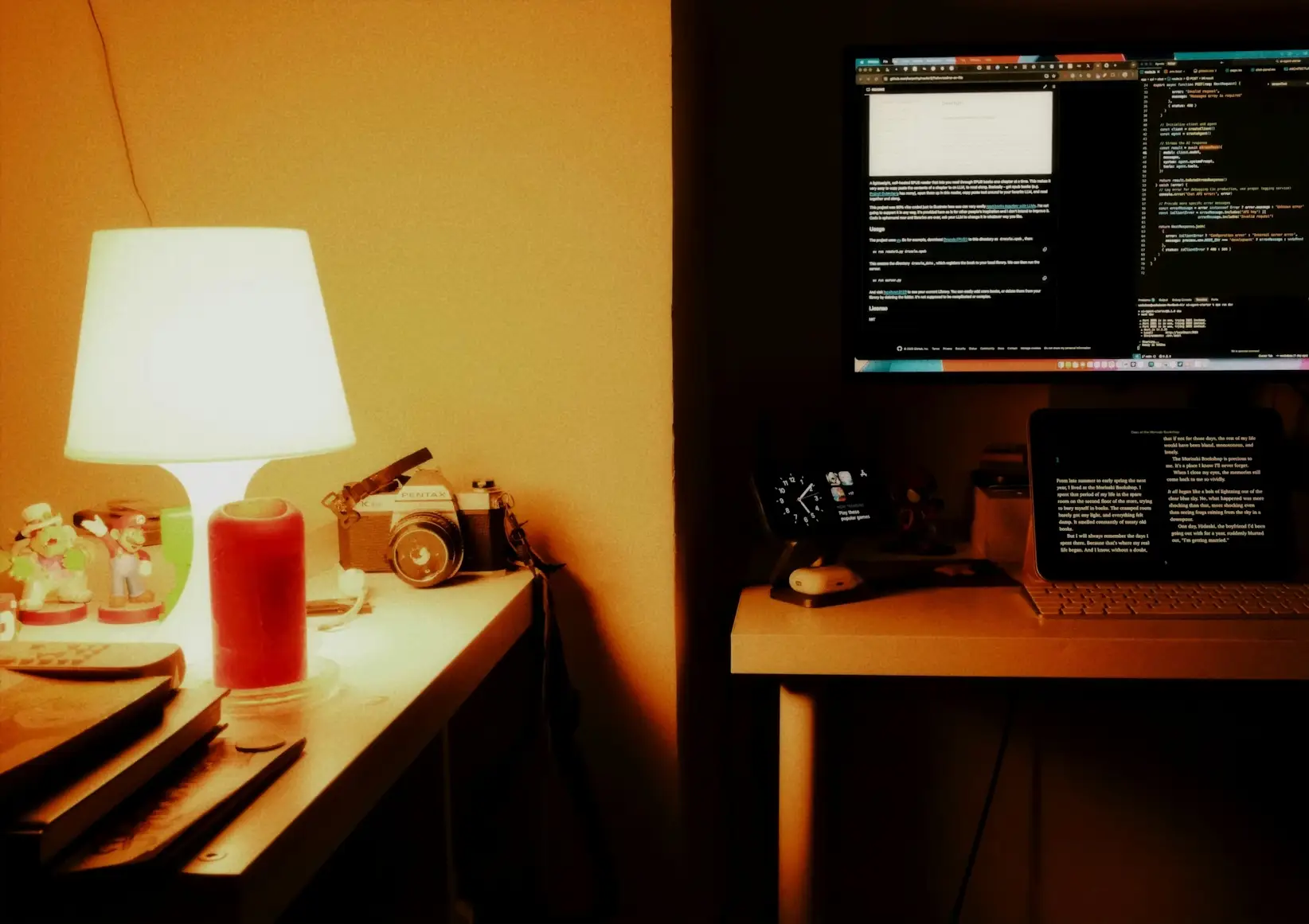
This is also why the best home evenings usually begin with something almost boring: a lamp instead of an overhead light, a drink, a playlist, a blanket, a tidied sofa, a kitchen that does not threaten tomorrow’s mood. Those details are not decoration. They reduce friction. Once the room feels worth staying in, the entertainment no longer has to fight the environment to feel enjoyable.
A Night in Gets Better When It Stops Trying to Be Everything
One of the easiest ways to ruin a pleasant evening is to overload it. Dinner, a film, social media, a call, a game, random clips, two more episodes, and one late-night scroll rarely add up to richness. They usually add up to blur. APA’s recent material on rest makes a useful point here: sleep is only one form of restoration, and people often need a mix of mental, sensory, emotional, or social rest to feel properly reset. That is a better way to think about evenings at home. The aim is not maximum activity. The aim is the right kind of recovery for the state you are actually in.
That is why a well-built night in usually has one main event and a couple of supporting elements rather than five half-started ones. The main event might be a live match, a thriller, a long bath, a board game, or an hour of reading. Around that, the evening needs only enough structure to feel intentional. Too much variety can make leisure feel strangely frantic. A clear center makes the night more memorable and often more restful.
Food and Entertainment Should Match the Energy of the Room

There is a reason some evenings improve with takeaway and others improve with soup, toast, and tea. The food should reinforce the emotional temperature of the room, not compete with it. A playful night can carry pizza, snacks, and brighter flavors. A restorative one usually benefits from something quieter and easier to clean up. That sounds minor, but a good night in often comes down to whether the logistics feel light or annoying.
The same is true of the entertainment itself. Not every evening needs a demanding, prestige-style commitment. Some nights want suspense without complexity, rhythm without noise, or novelty without cognitive overload. This is where many lifestyle articles become too vague. The useful distinction is not between “good” and “bad” entertainment. It is between formats that fit the room and formats that hijack it.
Short-Form Digital Play Works When It Respects the Evening
Compact interactive entertainment has become part of the modern night-in routine for very clear reasons. People often do not want a three-hour commitment after dinner. They prefer something offering a quick pulse of suspense before leaving the room intact. Analyzing modern digital context reveals how playing a quick Super Ace demo fits naturally into a broader evening ecology built around brief and self-contained enjoyment. It can sit between a film and tea, or between conversation and the point where the house starts getting quieter. What matters most is an activity that offers a clean beginning, a clear emotional arc, and a swift exit.
A similar logic applies to brighter, faster options that deliver momentum with minimal setup. Some evenings benefit from playful but low-commitment choices, especially when attention is already thinning and nobody wants rules-heavy entertainment. Tracking evolving mobile habits shows why trying a round of Lucky slot works perfectly to offer a short burst of energy without demanding a complete reorganization of the night. The appeal relies solely on proportion rather than intensity. A little movement and a little anticipation ensure the evening can continue without becoming chaotic.
People no longer divide leisure into rigid categories neatly matching older lifestyle assumptions. A person might cook, watch highlights, message a friend, test a short game, and still end the night in a calm mood if the pacing remains right. Reviewing current audience behavior explains why brief sessions of slot games casino make sense inside a thoughtful night-at-home routine alongside other casual activities. The deciding factor is whether the entertainment remains guided by choice rather than drift. Moderation and deliberate pacing keep these small digital moments enjoyable.
The Ending Is What Most People Neglect
Many pleasant evenings go wrong in the final hour. The main event ends, but instead of landing, the night spills into low-quality screen time that leaves the mind overstimulated and the body tired. That is exactly the kind of pattern CDC sleep guidance warns against when it recommends turning devices off at least 30 minutes before bed and keeping a consistent, relaxing routine. Adults aged 18 to 60 are generally advised to get at least seven hours of sleep, and CDC data show that insufficient sleep remains widespread. A night in that steals the next morning is not really well designed, no matter how cozy it looked at 9 p.m.
A better rule is simple: protect the landing. Dim the room, reduce the noise, stop before the entertainment turns stale, and leave one quiet ritual for the last part of the evening. That might be tea, a shower, a song, ten pages of a book, or just putting the phone away early enough for the body to notice. Good nights in are not built only on pleasure. They are built on timing.
The Best Nights in Feel Chosen, Not Endless
That is the real difference between a night that restores you and a night that merely distracts you. The better evening has atmosphere, a center, a little spark, and a clear finish. It does not try to imitate a festival in miniature. It just gives the body and mind the right sequence: decompression, enjoyment, and release. Once that sequence is right, even a simple night at home can feel richer than a much louder plan.


