

6 Easy Homemade Plant Food Ideas That Actually Work
Your kitchen scraps might be the best thing that ever happened to your plants. Homemade plant food is affordable, easy to make, and more effective than most people expect.
The catch is knowing which ingredient does what, and how to use it without causing harm. Tossing coffee grounds or banana peels into a pot without understanding the “why” can do more damage than good.
This blog breaks it all down simply. You’ll learn what each ingredient actually does for your plant, how to prepare and apply it correctly, and when to stop.
What You Can Make With Everyday Kitchen Scraps
You don’t need to buy anything special to feed your plants. Most of what they need is already in your kitchen: coffee grounds, eggshells, or banana peels.
Each option below targets a specific plant need. Read the “when it fails” part carefully; it’s just as important as the recipe itself:
1. Coffee Grounds for Nitrogen Boost
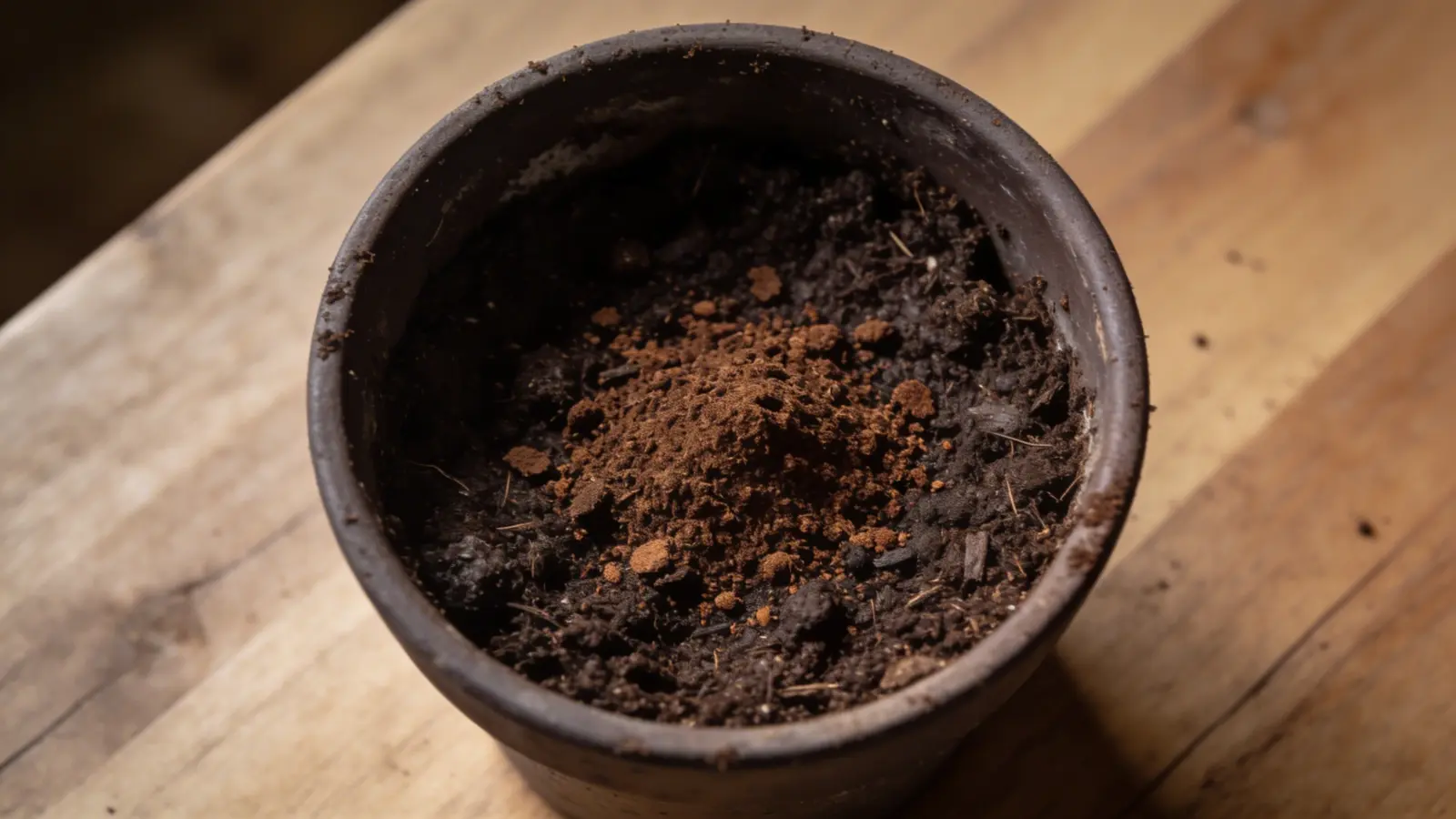
Why it works: Coffee grounds are rich in nitrogen, the nutrient plants need most for healthy leaf growth. They also feed beneficial soil microbes, which improve soil structure over time.
How to use: Sprinkle used grounds lightly on the soil surface, or steep them in water overnight to make a “coffee tea.” Strain before applying.
Best for: Acid-loving plants like ferns, ivies, and African violets
When it fails: Too much raises soil acidity to harmful levels, causing root stress and brown leaf tips. Coffee grounds are not suitable for plants that prefer neutral or alkaline soil.
2. Eggshells for Calcium Support
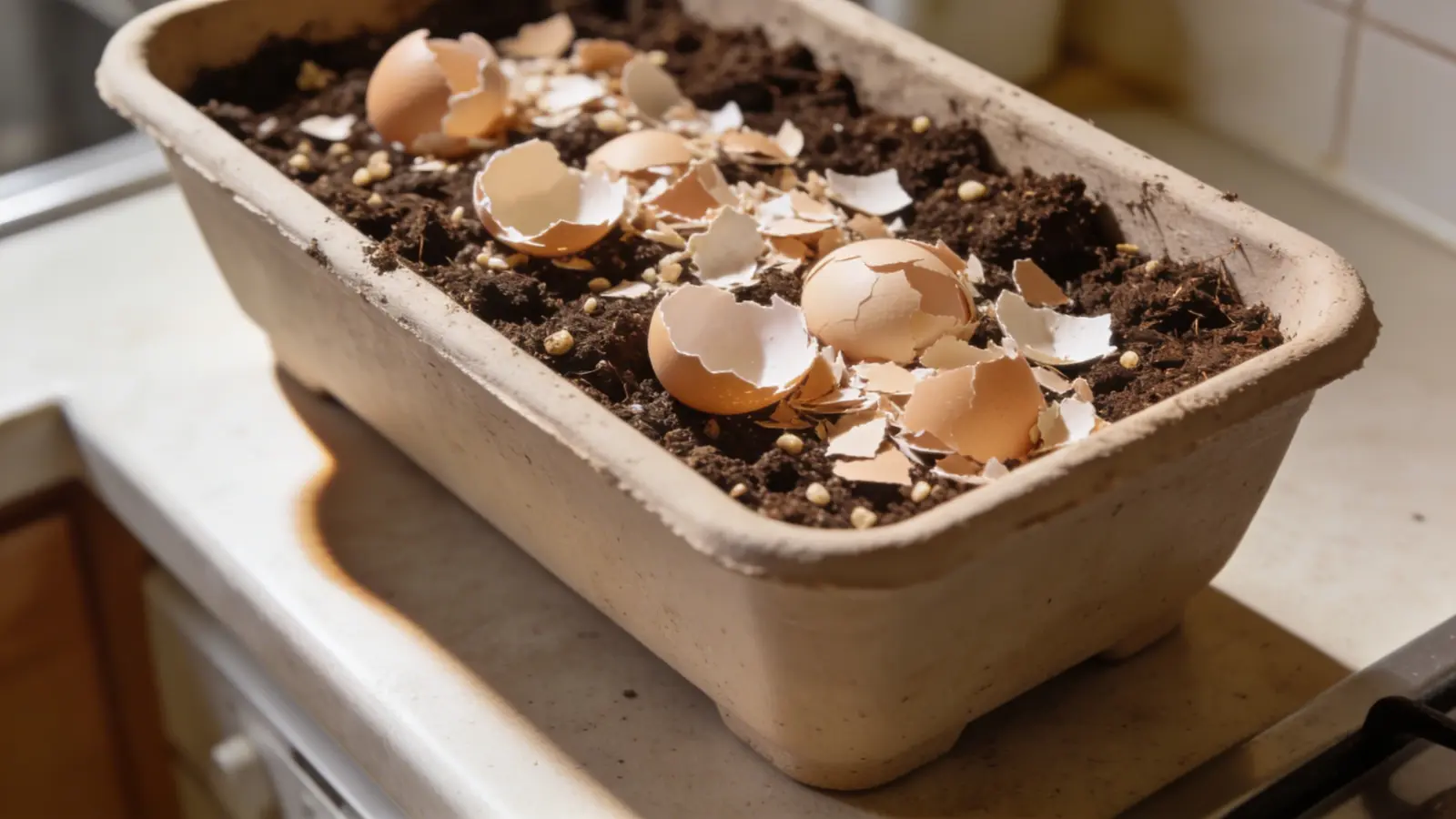
Why it works: Eggshells are made mostly of calcium carbonate, which strengthens plant cell walls and helps prevent rot-related issues like blossom end rot.
How to use: Crush shells as finely as possible, then mix into soil or soak in water overnight for a mild liquid feed.
Best for: Succulents, cacti, and vegetables like tomatoes and peppers
When it fails: Large or coarse pieces break down too slowly to be useful. Eggshells also raise soil pH slightly, making them a poor choice for acid-loving plants.
3. Epsom Salt for Magnesium Deficiency
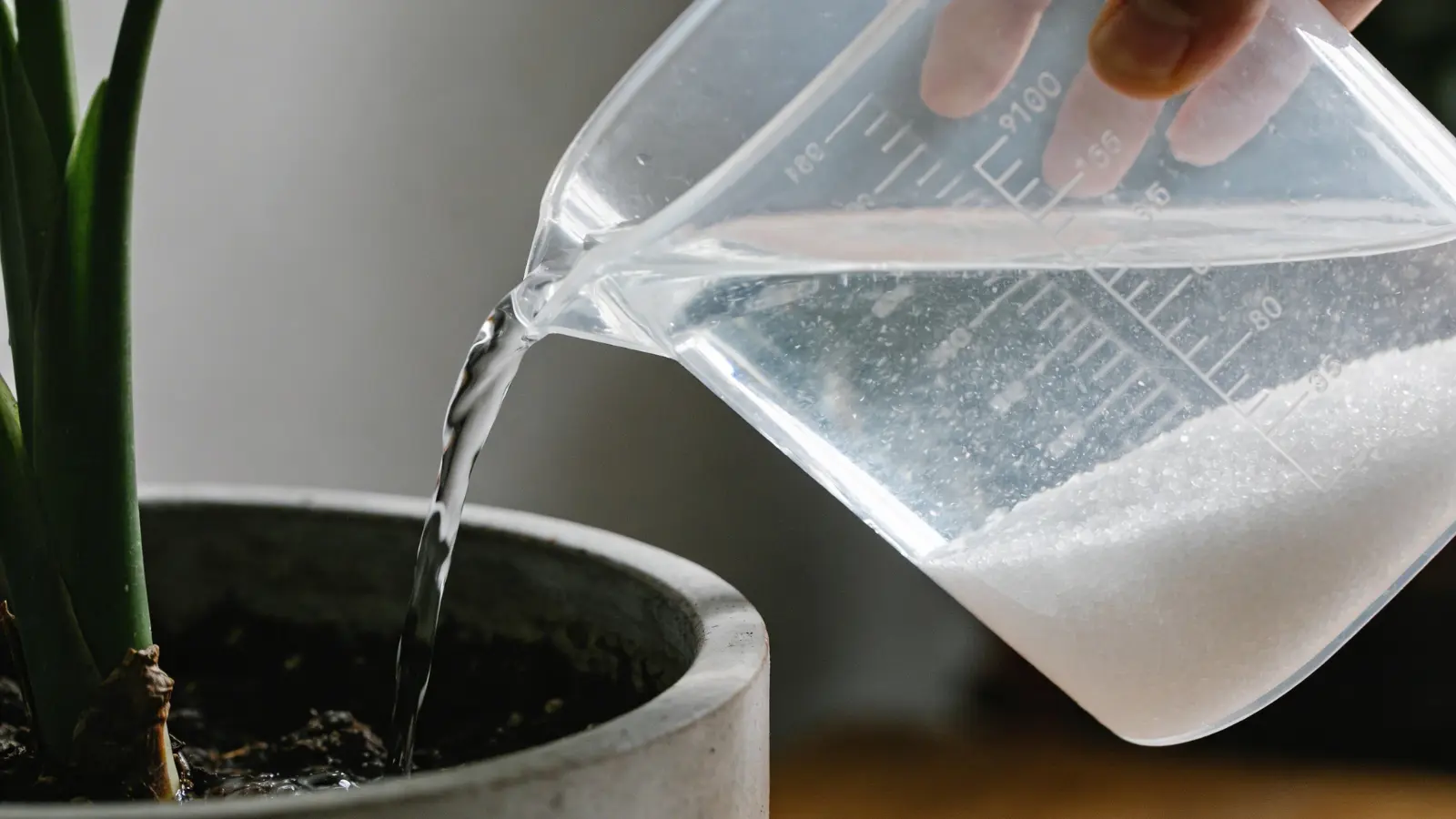
Why it works: Epsom salt contains magnesium and sulfur. Magnesium is essential for chlorophyll production; it’s what keeps leaves green and supports nutrient absorption.
How to use: Dissolve one tablespoon in a gallon of water and apply once a month during the growing season.
Best for: Plants showing yellowing between leaf veins, a clear sign of magnesium deficiency
When it fails: Using Epsom salt on healthy plants with no deficiency causes salt buildup in the soil, which damages roots over time. It is not a general-purpose fertilizer.
4. Banana Peels for Flowering and Growth

Why it works: Banana peels are high in potassium, which supports strong stems, vibrant blooms, and overall plant resilience.
How to use: Soak chopped peels in water for 48 hours and dilute before applying. You can also blend peels with water for a quick liquid feed, or bury small pieces around the base of the plant.
Best for: Flowering plants like orchids, peace lilies, and roses
When it fails: Whole peels placed on soil decompose very slowly and attract fruit flies. Always chop, blend, or soak them first.
5. Fish Tank Water for Balanced Nutrients
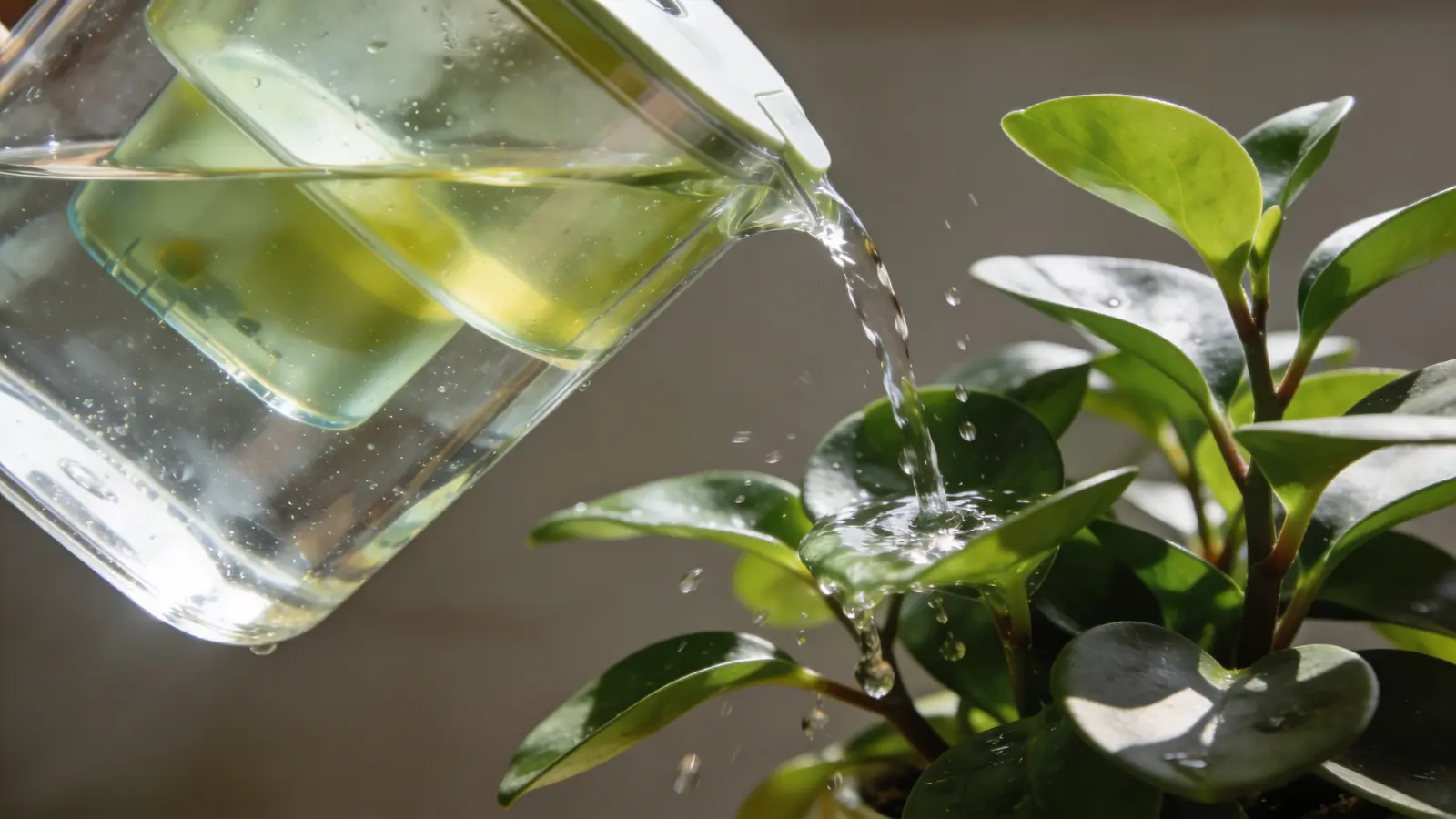
Why it works: Used aquarium water contains nitrogen and phosphorus from fish waste, two nutrients plants actively need for leaf and root development.
How to use: Save the water during your next tank change and use it to water your plants directly. No dilution needed.
Best for: Moisture-loving plants like ferns, calatheas, and mosses
When it fails: Water from saltwater tanks or tanks treated with chemicals is harmful to plants. Only use fresh, untreated aquarium water.
6. Seaweed for Trace Minerals
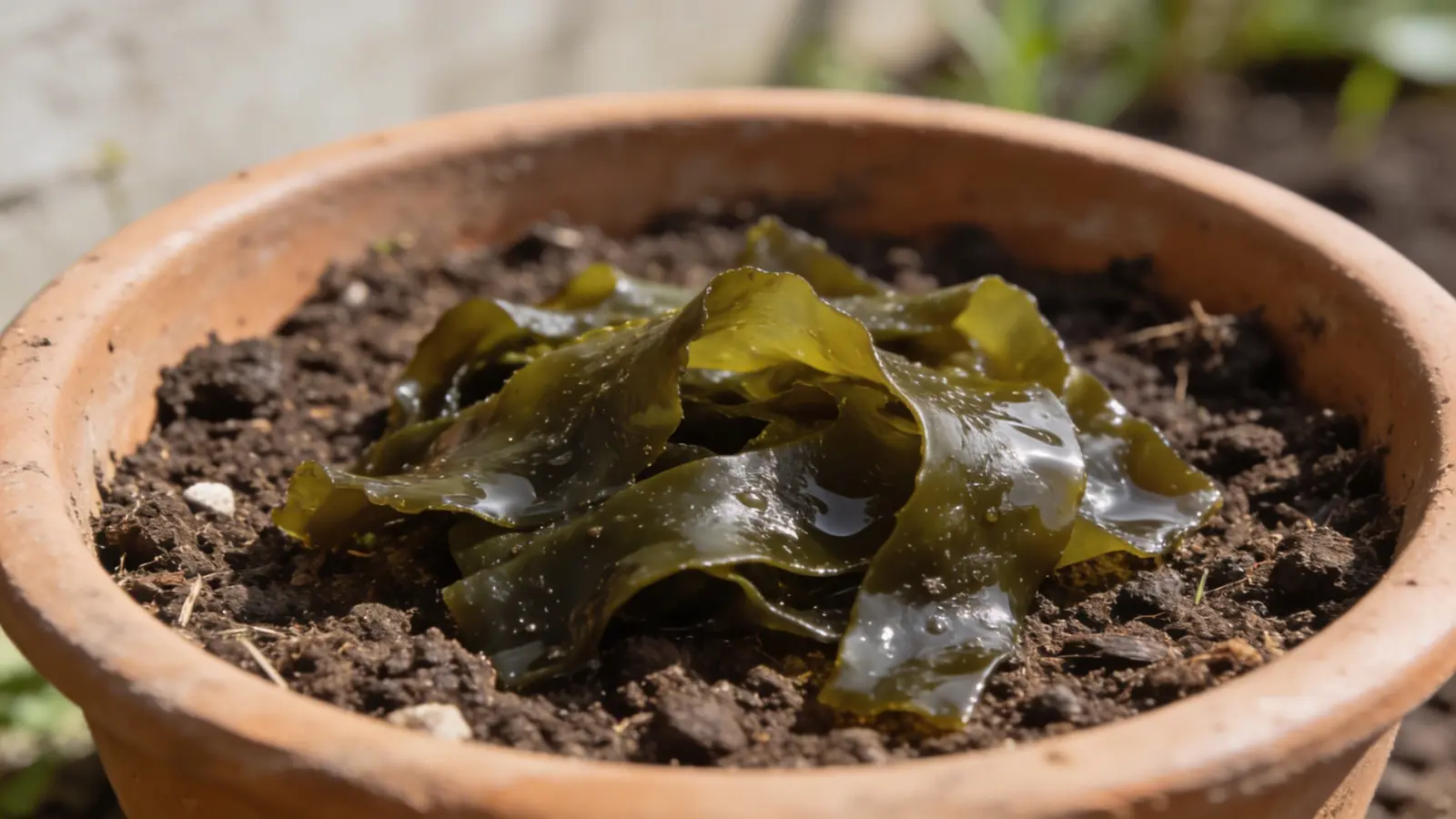
Why it works: Seaweed provides micronutrients like iron, zinc, and manganese, elements plants need in small amounts for balanced growth and overall health.
How to use: Rinse collected seaweed thoroughly to remove salt, chop it up, then mix it into soil or compost. Dried seaweed from garden centres works just as well.
Best for: General plant health maintenance across most plant types
When it fails: Skipping the rinse leaves salt residue on the seaweed, which transfers to your soil and damages roots.
How to Make a Simple Liquid Plant Food at Home
A liquid fertilizer works faster than solid scraps because nutrients are already dissolved in water, and roots absorb them almost immediately.
Basic steps:
- Collect your scraps (peels, shells, or grounds)
- Soak in water for 24–48 hours
- Strain out all solids completely
- Dilute the liquid (1 part liquid to 3–5 parts water) before applying
The dilution step is important. Undiluted liquid is too concentrated and causes root burn or salt buildup in the soil.
When it fails: Soaking beyond 48 hours leads to fermentation. The mix starts to smell bad and can introduce harmful bacteria to your soil.
How to Use Homemade Plant Food Safely?
Natural ingredients can still cause real damage if applied incorrectly. Follow these rules to keep your plants safe.
- Frequency: Feed every 2–4 weeks, not more
- Application: Always apply to the soil, never directly on leaves
- Quantity: Start with a small amount and observe before increasing
Signs you’re overfeeding:
- Burnt leaf edges or sudden wilting
- Leaves curling inward despite regular watering
- Soil is staying wet longer than usual
If any of these appear, stop feeding immediately and give your plant a break for two to three weeks.
How to Choose the Right DIY Fertilizer for Your Plant
Picking the wrong fertilizer wastes time and can set your plant back. Match the ingredient to what your plant actually needs.
- Slow or pale leaf growth? → Use nitrogen, try coffee grounds
- No flowers forming? → Use potassium, try banana peel water
- Weak roots or rot issues? → Use calcium, try the eggshell mix
Indoor vs outdoor: Indoor plants need weaker, more diluted solutions. Their soil stays moist longer, so nutrients build up faster.
Soil condition: If your soil is already nutrient-rich, reduce feeding frequency. Adding more to rich soil causes stress, not growth.
Common Mistakes With Homemade Plant Food
Most plant food problems come down to a handful of repeated errors.
Overfeeding: The most common mistake. Nutrients accumulate faster than roots can absorb them, leading to root damage. If growth suddenly stalls or leaves start curling, pull back on feeding and flush the soil with plain water.
Using raw scraps directly in soil: Any unprepared organic material left on top of soil, peels, shells, or grounds- breaks down slowly and attracts pests. Always soak, crush, or chop before applying.
Mixing too many ingredients at once: Combining multiple fertilizers creates nutrient overload or imbalance. Stick to one source at a time and rotate based on your plant’s needs.
Ignoring what your plant is showing you: Drooping stems or pale new growth, are early warning signs. Address those signals before adding more fertilizer; sometimes the plant needs less, not more.
Conclusion
Homemade plant food is one of the simplest ways to keep your plants healthy without spending much. The key is matching the right ingredient to the right plant, and not overdoing it.
Whether you start with banana peel water or a coffee ground sprinkle, small steps make a real difference over time.
Pick one recipe from this blog, try it this week, and watch how your plant responds over the next two to three weeks.
Tried one of these methods before? Drop a comment below and let us know what worked for you.
Frequently Asked Questions
Can I Use Homemade Plant Food on Seedlings?
Not recommended. Seedlings are sensitive to concentrated nutrients. If you do use it, dilute much more than usual and wait until the plant has at least two to three true leaves.
How Do I Know if My Homemade Fertilizer Is Actually Working?
Watch for new leaf growth, stronger stems, or improved color within two to four weeks. No visible change after a full feeding cycle usually means a nutrient mismatch, not a dosage problem.
Can I Store Leftover Liquid Plant Food?
Yes, but only for up to a week in a sealed container kept in a cool, dark place. Beyond that, fermentation sets in, the nutrients break down, and the liquid can harm your soil instead of helping it.


