Easy Furniture Flipping Ideas to Earn Extra Income
Furniture flipping is a simple and practical way to earn extra money by turning old or worn items into attractive, useful pieces again.
You buy furniture at a low price, fix small issues, apply a fresh finish, and sell it for more, all without needing a big investment or advanced skills.
Many people start with small items like chairs or side tables and learn as they go, and even basic upgrades such as sanding, painting, or replacing hardware can significantly increase value and attract buyers.
It works well for students, homemakers, and anyone looking to use their free time productively.
The process is flexible, creative, and rewarding, and as you gain experience, it becomes faster and more profitable with every project.
What Is Furniture Flipping?
Furniture flipping involves buying old or used furniture, refurbishing it, and selling it for a higher price.
You improve its appearance and functionality, making it more useful and attractive to buyers. The idea is simple and easy to follow for beginners who want to earn extra income.
You buy → fix → resell, and the profit comes from keeping your costs lower than your selling price.
Each project becomes faster and more profitable as your skills grow. The goal is to spend less on fixing and earn more while selling.
How Furniture Flipping Works?
Furniture flipping follows a clear step-by-step process from finding a piece to selling it for profit.
Follow each stage in order, and the work becomes faster, easier, and more predictable with every project you complete:
1. Finding Furniture to Flip
The first step is to find furniture that is cheap and has resale potential. Look for pieces that need simple fixes but still have a strong structure.
Picking the right piece is important for making a profit later. A good buy reduces your effort and increases your chances of selling faster.
2. Cleaning and Prepping the Piece
Before any repair, clean the furniture properly to remove dirt, grease, and old polish. Wipe the surface with a damp cloth, use mild cleaners for stains, remove old hardware if needed, and let it dry completely.
Cleaning reveals the true condition of the piece and prepares it for the next step.
3. Repairing and Sanding
Once clean, repair any minor damage and smooth the surface for finishing. Tighten loose screws and joints, fill cracks with wood filler, and sand rough areas to remove old paint or polish.
Good repair work creates an even surface and gives the final result a neat, professional look.
4. Painting or Refinishing
This is where the furniture starts to look new again. Apply primer for better grip, paint with even strokes, and choose neutral colors that tend to sell faster.
Let each coat dry before applying the next. A clean finish increases value and helps attract buyers quickly.
5. Listing and Selling
Good photos and clear details attract serious buyers. Take well-lit photos from different angles, write an honest description, and set a price above your total cost but still reasonable.
Post on platforms like OLX or Facebook Marketplace, as a better presentation leads to quicker sales and higher returns.
Tools and Materials You Need to Start
You do not need expensive equipment to start furniture flipping, as most basic tools are affordable, easy to find, and simple to use, even for beginners.
- Sander or sandpaper
- Screwdriver or drill
- Paint brushes and rollers
- Cleaning cloths
- Paint
- Primer
- Wood filler
- Sandpaper sheets
A small initial investment in the right tools and materials is enough to complete your first few projects successfully. Always keep safety in mind and wear basic protective gear, such as gloves and a mask, while working.
How to Choose the Right Furniture to Flip
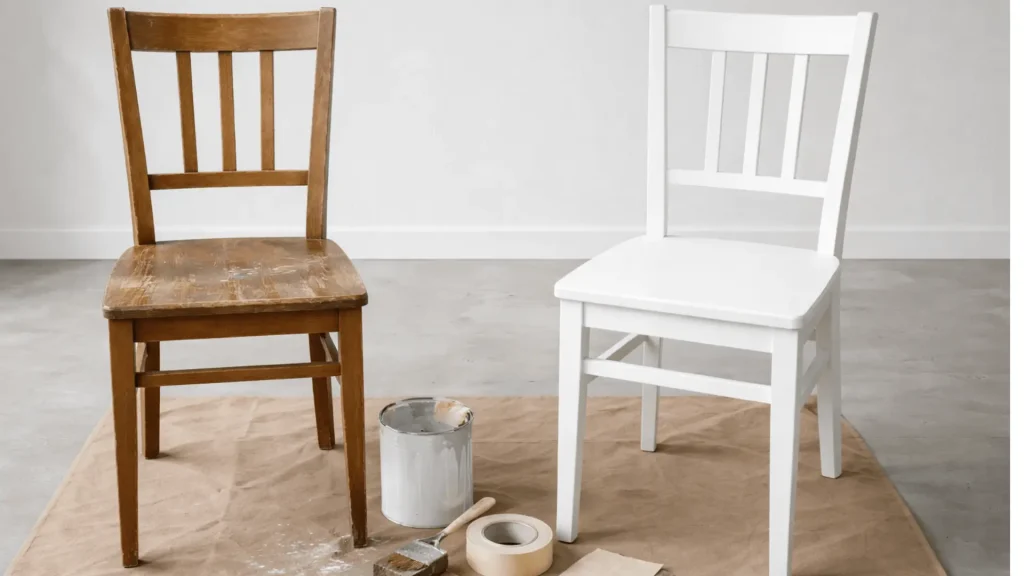
Choosing the right furniture is key to making a profit in furniture flipping. Focus on strong structure, because looks can be fixed, but weak furniture cannot.
A piece may look old, but it can still sell well after simple updates. Learning this skill saves time, effort, and money.
Look for Solid and Well-Built Pieces
Always check if the furniture is strong and stable before buying it, because well-built pieces are easier to repair and have better resale value. Focus on solid wood rather than particleboard, as it lasts longer and holds its value better over time.
Make sure the frame is stable with no wobble, and test drawers and hinges to ensure smooth use. Also, inspect joints and corners carefully, since strong construction makes a big difference during repairs and resale.
Avoid Common Problem Items
Some items look cheap but need too much work to fix. Avoid furniture with major damage or poor materials.
- Broken frames or deep cracks
- Water damage or swelling
- Termite damage or holes
- MDF or low-quality materials
- Outdated styles with low demand
Skipping these helps you avoid losses. It keeps your work simple and profitable.
How to Evaluate Resale Value?
Think about resale value before buying any furniture, because a good flip depends on demand and clear profit potential in your market.
Check similar listings to understand pricing, choose simple and neutral styles that appeal to more buyers, and estimate your total cost before making a purchase.
Smart decisions like these help you earn better profits, and with experience, spotting good deals becomes much easier.
Where to Find Furniture to Flip?
Finding the right piece at a low price is the first step to making a good profit, and knowing where to look makes the process much easier.
- Thrift stores and garage sales: Visit early for better options and always check for strong structure, as minor surface damage is easy to fix later.
- Facebook Marketplace and online listings: Use filters, check listings daily, and negotiate politely to get better deals on items listed for a longer time.
- Free finds and curbside picks: Keep an eye on local groups and community boards to find usable pieces that only need simple cleaning or repair.
When it comes to selling, your platform choice and listing quality directly affect how fast you recover costs and earn profit.
- Facebook Marketplace: Best for quick local sales and easy communication with nearby buyers.
- Instagram: Helps showcase your work and attract repeat buyers over time.
How to Take Better Listing Photos?
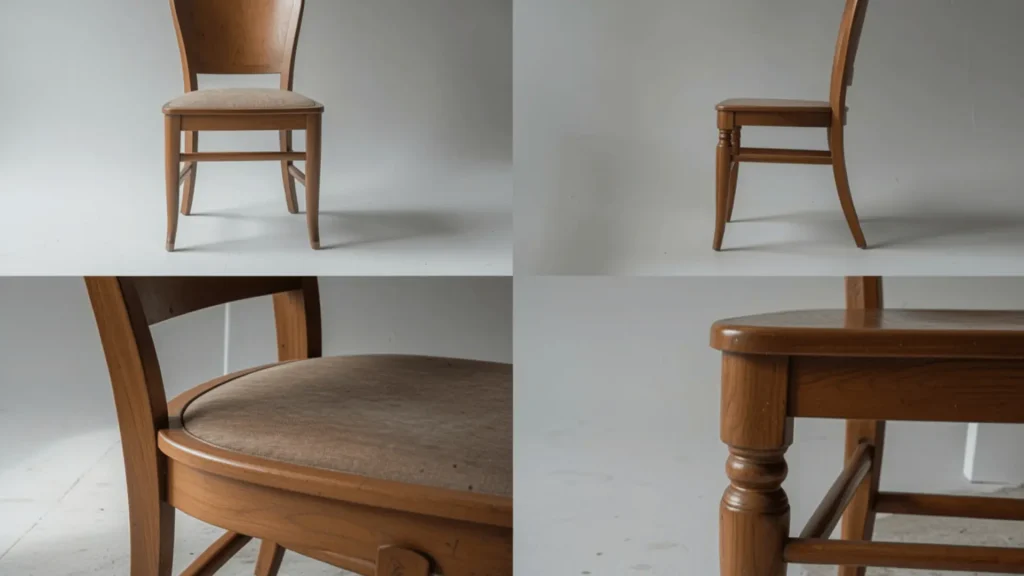
Follow these steps to take better listing photos:
- Shoot near a window during the day natural light shows true color and finish; avoid flash
- Use a plain wall, neutral floor, or soft outdoor setting with no clutter
- Shoot front, side, back, and a three-quarter view to show depth
- Close up on hardware, joints, texture, and restored details
- Photograph any remaining wear honestly it reduces disputes
- Add one simple prop (a plant, a book) to help buyers visualize the space
- Use the same background and lighting across all listings to signal professionalism
How to Price and Profit from Furniture Flipping
The right price helps you cover costs and attract buyers without cutting your profit too much. Start by calculating your total cost, add a margin of around thirty to fifty percent, and compare similar listings in your area to stay competitive.
Most sellers aim to double their total investment on each piece, with smaller items giving lower returns and larger pieces bringing higher profits.
Your final earnings depend on the purchase price, material costs, time spent, and local demand, so managing these well leads to better returns.
Results take time, especially in the beginning, but with each project, you learn what works and what does not. Consistent effort and smarter decisions make the process faster and more profitable over time.
Tips to Succeed in Furniture Flipping
Success in furniture flipping comes from staying consistent, improving your skills, and making smart decisions with each project. These habits make the biggest difference as you grow.
- Focus on quality over speed: Rushing leads to poor finishes and lower selling prices. Take your time with edges, paintwork, and repairs as buyers notice and pay accordingly.
- Build a repeatable process: Follow a fixed order of cleaning, repairing, sanding, and finishing for every piece. Consistency saves time and reduces errors across multiple projects.
- Keep tools and materials organized: A tidy workspace means less time searching and more time working. Label supplies and store tools in fixed locations before starting each project.
- Manage your workspace by zone: Use separate areas for storage, active work, and finished pieces. Clear boundaries between zones prevent clutter and keep projects moving smoothly.
Small, consistent improvements with every flip are what turn a side project into a steady and reliable income over time.
Conclusion
Furniture flipping is one of those side projects that rewards you more the smarter you work.
You now know where to find the right pieces, how to evaluate resale potential, which tools to keep on hand, and how to turn a rough old find into a finished piece worth selling.
The process is straightforward: buy smart, repair carefully, finish cleanly, and price it right. Results won’t always come instantly, but with every flip, your eye for good pieces sharpens, and your process gets faster.
Whether you’re doing it for extra income or building toward something bigger, furniture flipping is a skill that genuinely grows with you over time.
Tried furniture flipping yourself? Share your experience or favorite flip in the comments below — we’d love to hear your story!
Frequently Asked Questions
Do I need a dedicated workspace to start furniture flipping?
No, you can start in a small area like a balcony, garage corner, or even outdoors. Just ensure proper ventilation and enough space to work safely.
How Long Does it take to Complete One Furniture Flip?
It depends on the size and condition of the piece, but most small projects can take anywhere from a few hours to a couple of days.
Is Furniture Flipping Suitable as a Long-Term Income Source?
Yes, with consistent effort and improved skills, many people turn it into a steady side income or even a full-time business.