Decor Trends 2026: Bold Colours, Rich Textures, and Timeless Design
Home design continues its creative renaissance in 2026, celebrating vibrancy, tactile richness, and thoughtful choices that balance beauty with practicality. From striking color palettes to sustainable materials, this year’s trends reflect a desire for spaces that feel both personally meaningful and professionally designed.
Embracing Bold Colors That Energize Your Space
Pantone officially announced Cloud Dancer as the Color of the Year for 2026, a soft, luminous white that brings calm and serves as a blank canvas for personal expression. This unexpected choice represents possibility and fresh starts, perfect for spaces where you want to create your own statement.
Benjamin Moore’s Color of the Year 2026, Silhouette AF-655, offers striking contrast: a rich espresso brown with charcoal undertones inspired by tailored suiting. This sophisticated shade works beautifully as dramatic accent walls, kitchen cabinetry, or grounding neutrals in bedrooms and dining rooms.
Emerald green, sapphire blue, and amethyst purple continue their reign in 2026 interiors, infusing rooms with opulence. Start small with these jewel tones through throw pillows, artwork, or lampshades before committing to larger pieces. The key is balance. Let one bold color dominate while using others as supporting players.
Expert tip: Pair jewel tones with warm metallics like brass or copper to enhance their richness and create spaces that feel luxurious and inviting.
Texture Takes Center Stage

The texture revolution transforms homes from flat to fabulous. Wallpapered ceilings turn the often-ignored fifth wall into stunning design features. Grasscloth, botanical prints, or geometric patterns can completely change a room’s personality.
Wood paneling returns with modern twists. Half-height paneling painted in rich colors paired with floating shelves creates non-traditional elegance. Decorative plaster finishes add depth and movement to accent walls.
Natural light remains foundational, enhanced by soft, muted colors like lavender, sage, and cream that create calming atmospheres.
Expert tip: Layer textures in odd numbers. Three different materials create visual interest without overwhelming the eye. Combine smooth, rough, and soft textures within the same color family for sophisticated depth.
Sustainable & Multifunctional Design
Today’s homeowners want a style that serves multiple purposes and stands the test of time. Industry research shows sustainability requirements continue growing in 2026 interior design projects, reflecting consumers’ awareness about product longevity and environmental impact.
Furniture offering hidden storage, rooms transforming from workspace to relaxation zones, and decor providing year-round beauty are increasingly valued. Minimalist design continues its growth, with consumers favoring clean, functional designs that pair simplicity with practical spaces.
Sustainable materials like reclaimed wood, natural fibers, and recycled metals are becoming standard choices. Energy-efficient lighting, low-VOC paints, and durable furnishings that withstand trends reflect a shift toward thoughtful consumption and lasting design choices.
Expert tip: When selecting decor, calculate cost-per-year rather than upfront price. A quality piece lasting 10 years often proves more economical and sustainable than replacing cheaper items every few years, while also reducing environmental impact.
Creating Home Wellness Sanctuaries
Dedicated wellness spaces are necessities, not luxuries. Whether a corner for morning yoga, a meditation nook, or spa-inspired bathroom, these areas prioritize mental and physical well-being through thoughtful design.
Expert tip: Create sensory balance in wellness spaces by combining soft textures, muted colors, and artificial florals in calming whites or greens. The absence of pollen from faux flowers makes them ideal for meditation and yoga areas where clear breathing is essential.
Seamless Indoor-Outdoor Flow
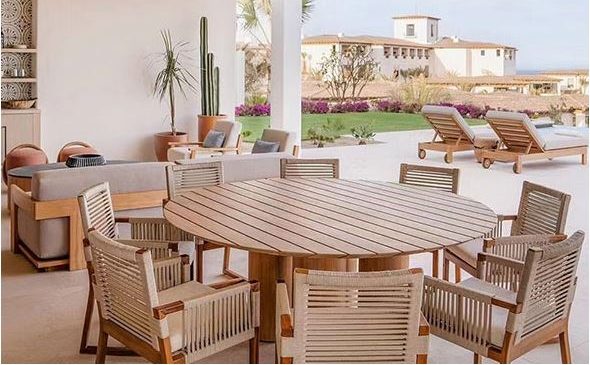
Boundaries between indoor and outdoor living continue blurring. This trend creates consistent design languages flowing from interior spaces onto patios, balconies, and gardens through coordinated furniture, color palettes, and materials.
Weather-resistant fabrics, fade-proof cushions, and durable outdoor rugs extend indoor comfort to exterior spaces. Large sliding or folding glass doors create visual continuity, while consistent flooring materials blur the threshold between inside and out.
Expert tip: Choose outdoor furniture and decor rated for sun exposure with UV-resistant materials. Coordinate your outdoor color scheme with adjacent interior rooms to create a cohesive flow that makes both spaces feel larger and more intentional.
Blending Heritage with Modern Chic
Modern heritage style celebrates traditional design elements updated for contemporary living. Think paneled walls in fresh colors, vintage-inspired lighting with modern functionality, or antique furniture paired with sleek accessories.
This approach appreciates craftsmanship and quality, with values extending to every design choice. Thoughtfully selected decor pieces complement both antique vessels and modern planters, bridging different eras within cohesive spaces.
Expert tip: Pair vintage containers with modern floral varieties, or place contemporary stems in antique vases. This juxtaposition creates visual tension that makes both elements more interesting while honoring the past and present simultaneously.
Bringing Nature Indoors: Floral and Botanical Decor

Plants and flowers remain central to 2026 interior design, whether fresh, preserved, or high-quality artificial. The key is selecting options that match your lifestyle, maintenance capacity, and design goals.
Fresh flowers offer unmatched natural beauty and fragrance, perfect for special occasions and spaces where you can maintain them regularly. Preserved flowers and dried botanicals provide lasting beauty with minimal care, adding organic texture to shelves and mantels.
For high-traffic areas, low-light spaces, or allergy-sensitive environments, quality artificial options have become remarkably realistic. Modern manufacturing techniques create pieces nearly indistinguishable from their natural counterparts, valued at over $3 billion globally and growing as consumers seek durable, beautiful solutions.
Quality matters significantly in any floral decor, notes Rachel Dunn from The Faux Flower Company. “Whether choosing fresh or artificial, look for natural color variations, realistic textures, and attention to detail. Premium pieces maintain their appeal and justify their investment.”
Where to Find Your Inspiration
Design inspiration abounds in magazines, social media, showrooms, and nature walks. Pay attention to color combinations in gardens, texture pairings in boutique hotels, and styling techniques in favorite shops.
Pinterest and Instagram offer endless ideas. Adapt them to your space rather than copying. The best designs reflect personal style and create homes that feel authentically yours.
Expert tip: Create a mood board combining inspiration images with photos of your actual space, lighting, and existing furniture. This helps you adapt trendy ideas to work with your home’s unique characteristics rather than forcing incompatible styles.