
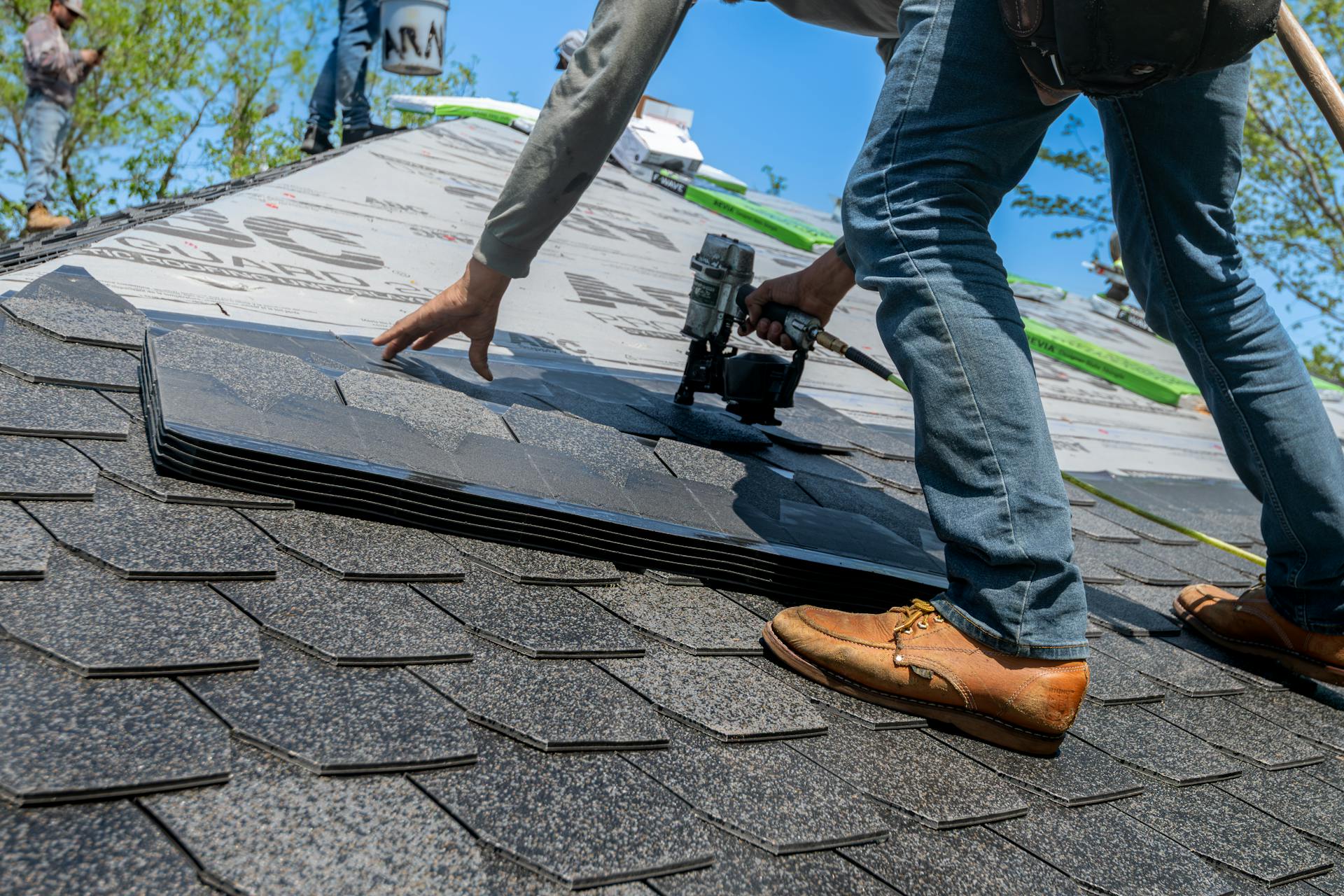
Cost of a Replacement Roof in Office Spaces
Planning for a roof replacement in an office environment involves more than just budgeting for construction. Office furniture providers and design teams should understand the potential disruption, hidden costs, and strategic opportunities associated with this major project. For any organization considering renovations or significant office changes, knowing the real scope of the project is crucial. Consulting a trusted roofing contractor early in the process can ensure all project aspects, from building regulations to furniture protection, are addressed.
The cost of a replacement roof can influence future design decisions, overall workspace comfort, and day-to-day office operations. This article explores the factors that influence commercial roof costs, the interplay between building structure and design, and how teams can optimize project value while safeguarding their office investments.
Whether your office space is being updated for new tenants, to align with workspace trends, or to support energy efficiency upgrades, partnering with experienced professionals is key. The process impacts more than just the roof overhead; it can affect workflow, space utilization, and eventual depreciation. Consider engaging a reputable provider, such as Army Roofing, to guide your project from planning to completion.
With rising construction costs across the U.S., understanding project variables can help you avoid exceeding your budget or encountering unexpected office disruptions. Making smart choices early can protect your office assets and ensure a successful outcome.
Average Costs of Commercial Roof Replacement
The national average cost of a commercial roof replacement in 2025 ranges from $6 to $12 per square foot, which means a mid-sized 10,000-square-foot building could see expenses between $60,000 and $120,000. The final amount depends on roof type, geographic location, accessibility, and project complexity. For offices in major U.S. cities, labor and permit costs may further increase these numbers, according to data from sources such as Forbes Home.
Material choice is also a significant factor. Thermoplastic polyolefin (TPO) tends to be cost-effective for large flat roofs, while EPDM, PVC, and metal offer increased durability at higher prices. Repairs and retrofits often cost less but may not provide the same long-term benefits as a full replacement.
Factors Influencing Roof Replacement Costs
- Material Selection: Commonly used options like TPO, EPDM, PVC, and metal each carry different price tags and maintenance needs. Office buildings catering to high-end corporate tenants may opt for premium solutions to enhance longevity and aesthetics.
- Labor Costs: Labor can represent 40 to 60 percent of the total roof replacement budget. Complexity, regional wage variations, and union labor requirements can drive these costs up. Offices in densely populated areas or older city buildings can expect to pay more.
- Building Accessibility: Rooftop equipment, multi-story heights, and complex layouts often increase costs due to the need for specialized lifts or staging.
- Permitting and Compliance: Each municipality enforces its own requirements for roof replacements, and permits are often required to comply with local building codes. Inspections and approvals may add both cost and time to the project.
Weather-related insurance requirements, waste removal, and the need for temporary interior protection can further influence costs. Reviewing all variables with a roofing contractor before finalizing the scope of work prevents surprises and supports accurate budgeting.
Impact on Office Design and Furniture
Roof work significantly impacts office interiors, necessitating careful planning by furniture and design teams to manage disruptions and capitalize on layout opportunities. Structural enhancements during roof replacement, particularly for heavier materials, can enable concurrent upgrades to lighting, insulation, and open-plan configurations, thereby optimizing space use. Protective measures for valuable assets, such as protective tarps and temporary partitions, are essential to prevent dust and water damage. Additionally, roofing materials influence workspace acoustics, and new insulation can enhance sound damping for improved productivity. Close collaboration among building managers, design teams, and construction crews is vital to mitigate damage and workflow interruptions, with design professionals providing solutions that may integrate further enhancements during the construction phase.
Strategies for Cost-Effective Roof Replacement
- Early Planning: Initiate collaboration between office management, design teams, and contractors as early as possible. Early identification of issues enables better budgeting, contractor scheduling, and resource allocation.
- Material Evaluation: Assess all roofing materials for durability, cost, sustainability, and energy efficiency. Life-cycle costing tools, as described by Buildings.com, can highlight long-term savings associated with high-quality installations.
- Energy Efficiency: Investing in reflective or green roofing solutions can reduce operational costs and may qualify offices for eco-incentives or insurance discounts. Energy-saving upgrades can improve indoor air quality and comfort for building occupants.
- Minimize Disruptions: Schedule work during weekends, holidays, or after business hours. Consider phased construction to keep parts of the office operational or to efficiently sequence moves with furniture upgrades.
Conclusion
Replacing a commercial roof is a complex project with lasting effects on office budgets, furniture, and workspace usability. Success depends on careful planning, selecting the right partners and materials, and integrating the project with broader design and renovation objectives. By understanding the full cost of a replacement roof and implementing collaborative strategies, office furniture and design teams can protect their investments, minimize disruptions, and deliver a workspace that aligns with modern business needs.


