Chaos Gardening Guide for Beginners
Gardening often feels complicated, with too many rules around spacing, timing, and planning.
That’s why many people start looking for a simpler way to grow plants without overthinking every step.
Chaos gardening is gaining attention as an easy, flexible approach that removes strict structure and allows plants to grow more freely.
In this blog, you’ll learn how to start chaos gardening the right way, what to expect as it grows, and how to manage it without turning it into a high-effort process.
What Chaos Gardening Actually Means
Chaos gardening is a method where seeds are mixed together and scattered across one space, allowing plants to grow with minimal control. Instead of planting in rows or measuring exact spacing, you let nature decide which plants settle and thrive.
At its core, this method relies on natural competition. When seeds grow close together, plants begin competing for:
- Sunlight
- Water
- Nutrients
Stronger plants establish themselves more quickly, while weaker ones slow down or stop growing. This mirrors how plants grow in the wild, where seeds fall randomly and adapt to the conditions around them.
Because planting is dense, the soil gets covered faster. That coverage helps reduce weeds by limiting empty space and blocking light from reaching unwanted growth.
At the same time, plants grow at different heights and speeds. Some stay low and spread outward, while others grow taller, forming natural layers that use space more efficiently.
Over time, the garden begins adjusting to sunlight, soil quality, and climate conditions on its own. The result is a balanced system that feels natural and requires less ongoing effort once established.
What Chaos Gardening is Not
Some people believe chaos gardening means doing nothing after planting, but that’s a misconception. While it’s a low-effort approach, it’s not completely hands-off. A few basic steps are still required to ensure success:
- Soil preparation is crucial for seeds to take root properly.
- Early watering is necessary for seedlings to establish themselves.
- Overcrowded or aggressive plants may need to be thinnedoradjusted.
Neglecting these steps can cause the garden to lose balance, preventing it from growing as intended.
How to Start Chaos Gardening Step-by-Step
Chaos gardening works best when you follow a simple process instead of guessing what to do next. Follow these steps to set up your chaos garden the right way:
Tools and Materials for Starting a Chaos Garden
- Garden rake (to clear debris and level soil)
- Hand trowel (for loosening soil and small adjustments)
- Garden hoe (optional, for removing weeds)
- Watering can or garden hose with gentle spray setting
- Garden gloves
- Compost or organic matter (to enrich soil)
- Topsoil (if existing soil quality is poor)
- Mulch (optional, for light coverage and moisture control)
- Mixed seed varieties (flowers, herbs, and easy vegetables)
- Container or bucket (for mixing seeds evenly)
- Plant markers (if you want to track certain varieties)
- Thin stakes or twine (for light support if needed)
Step 1. Choose the Right Location
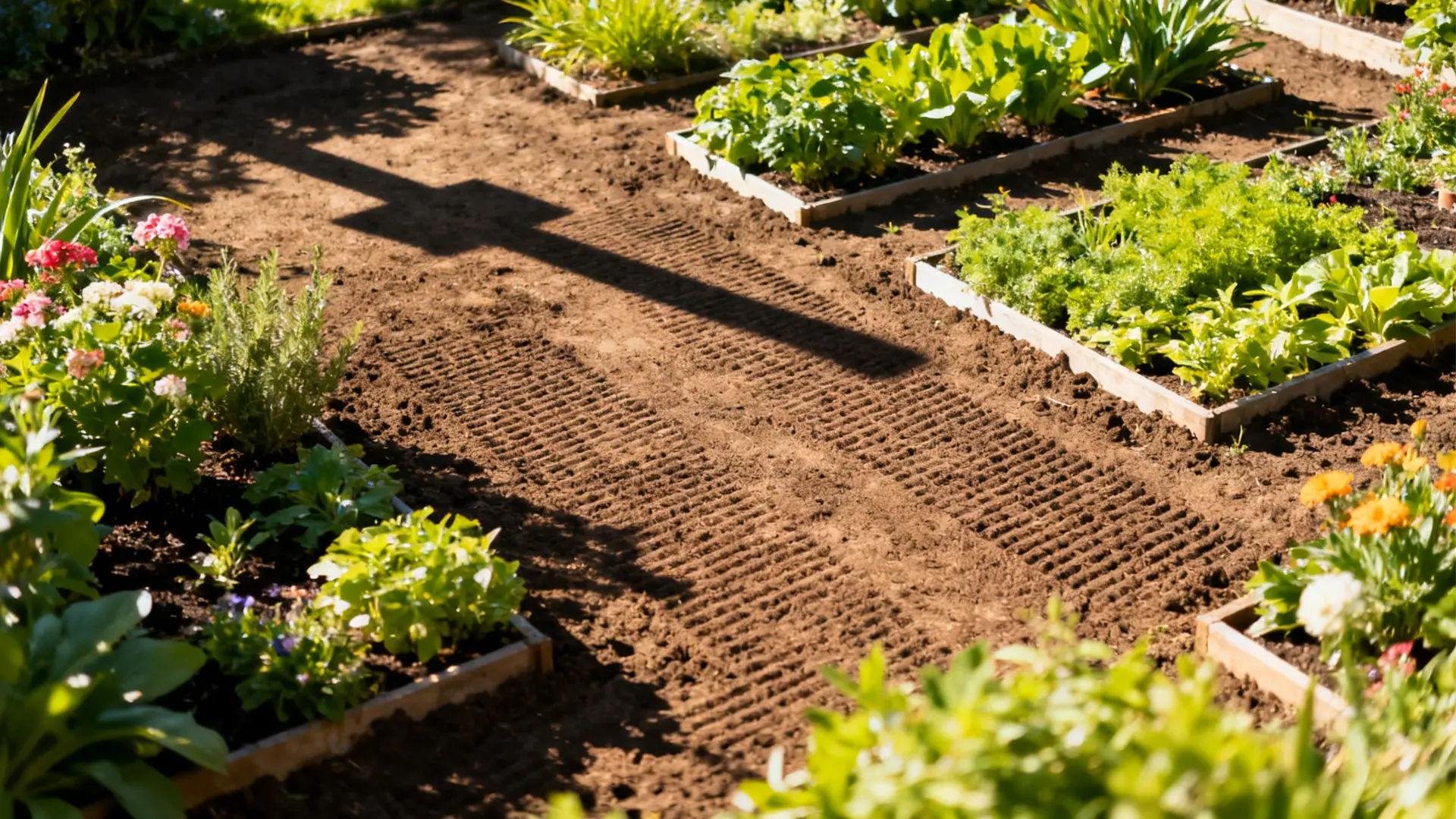
Start by picking a spot that gets at least 4–6 hours of direct sunlight daily. Sunlight controls how fast and evenly plants grow.
If the area is too shaded, weaker plants struggle while a few take over quickly. Make sure the soil drains well and does not stay wet for long.
Avoid tight or blocked spaces, as plants need enough room to compete and spread naturally.
Step 2. Prepare the Soil
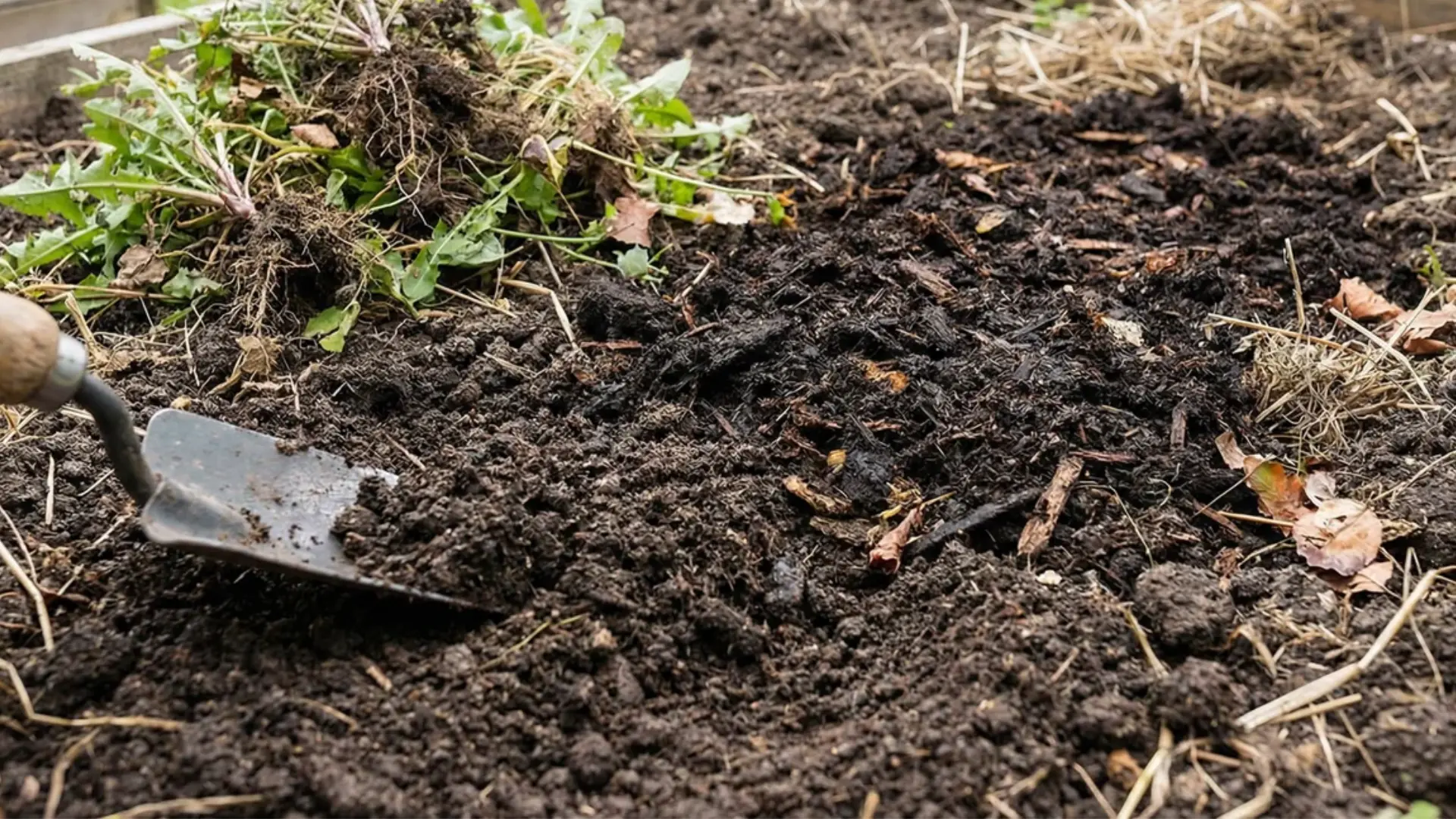
Properly prepared soil sets the stage for healthy, balanced plant growth by providing a strong foundation for your garden.
Begin by removing weeds and debris from the area. Weeds compete for nutrients, water, and space, which can prevent your seeds from establishing themselves properly.
Next, loosen the top layer of soil. This allows roots to penetrate the soil more easily and access nutrients, promoting stronger plant growth.
To further improve soil quality, add compost. Compost enriches the soil with organic matter, providing essential nutrients and supporting faster germination. It helps retain moisture, enhances soil structure, and promotes a balanced environment for all plants.
With well-prepared soil, plants will grow more efficiently, and competition between them will be natural and productive.
Step 3. Select and Mix Seeds
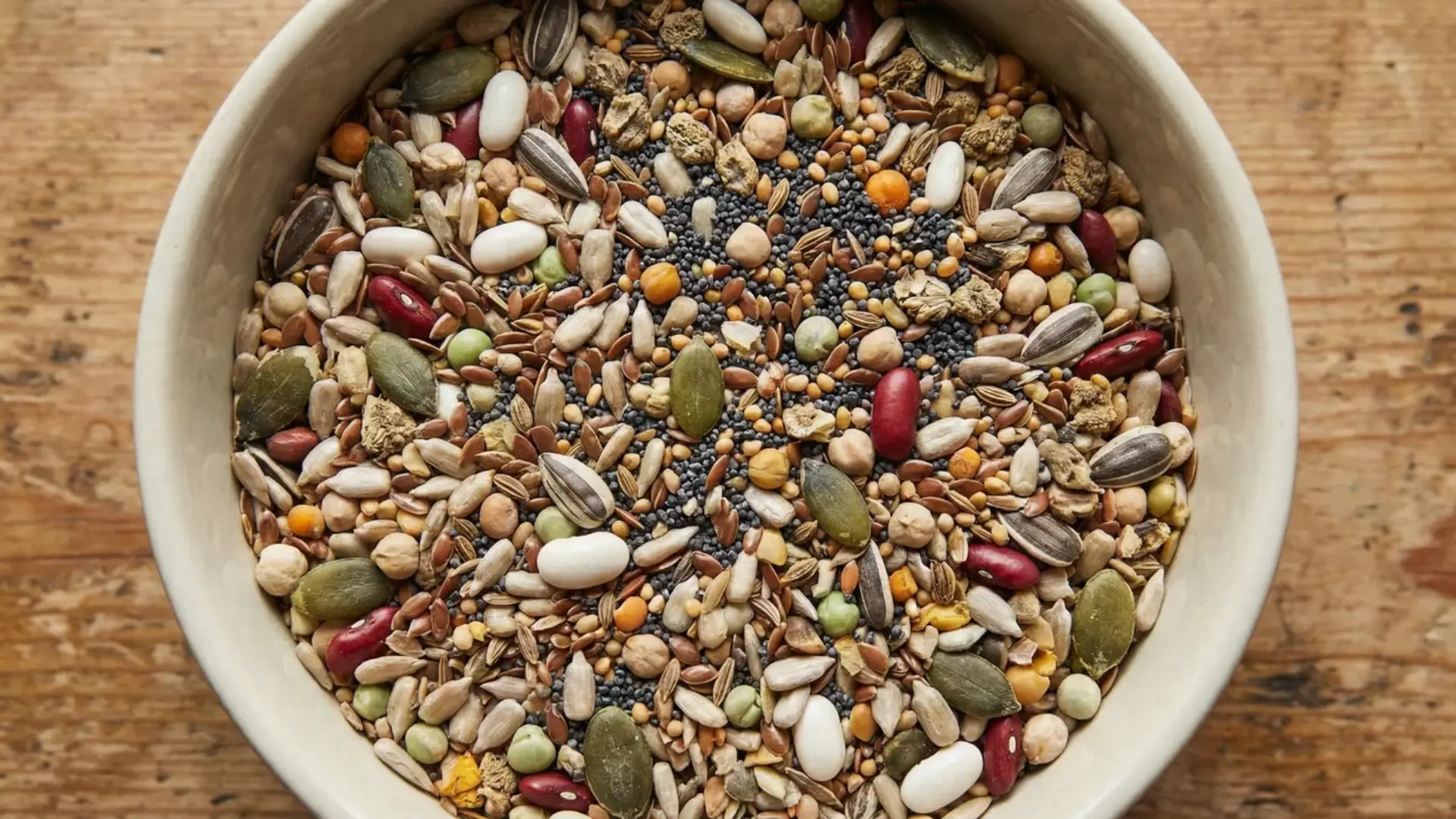
The right seed mix helps maintain balance in your chaos garden from the start. If the mix is uneven, a few plants can take over, reducing variety.
Combine plants with different growth speeds so space is used efficiently over time. Include a mix of flowers, herbs, and easy vegetables.
Avoid aggressive spreaders that block others, and choose seeds with similar growing needs to prevent early failure.
Step 4. Scatter the Seeds Evenly
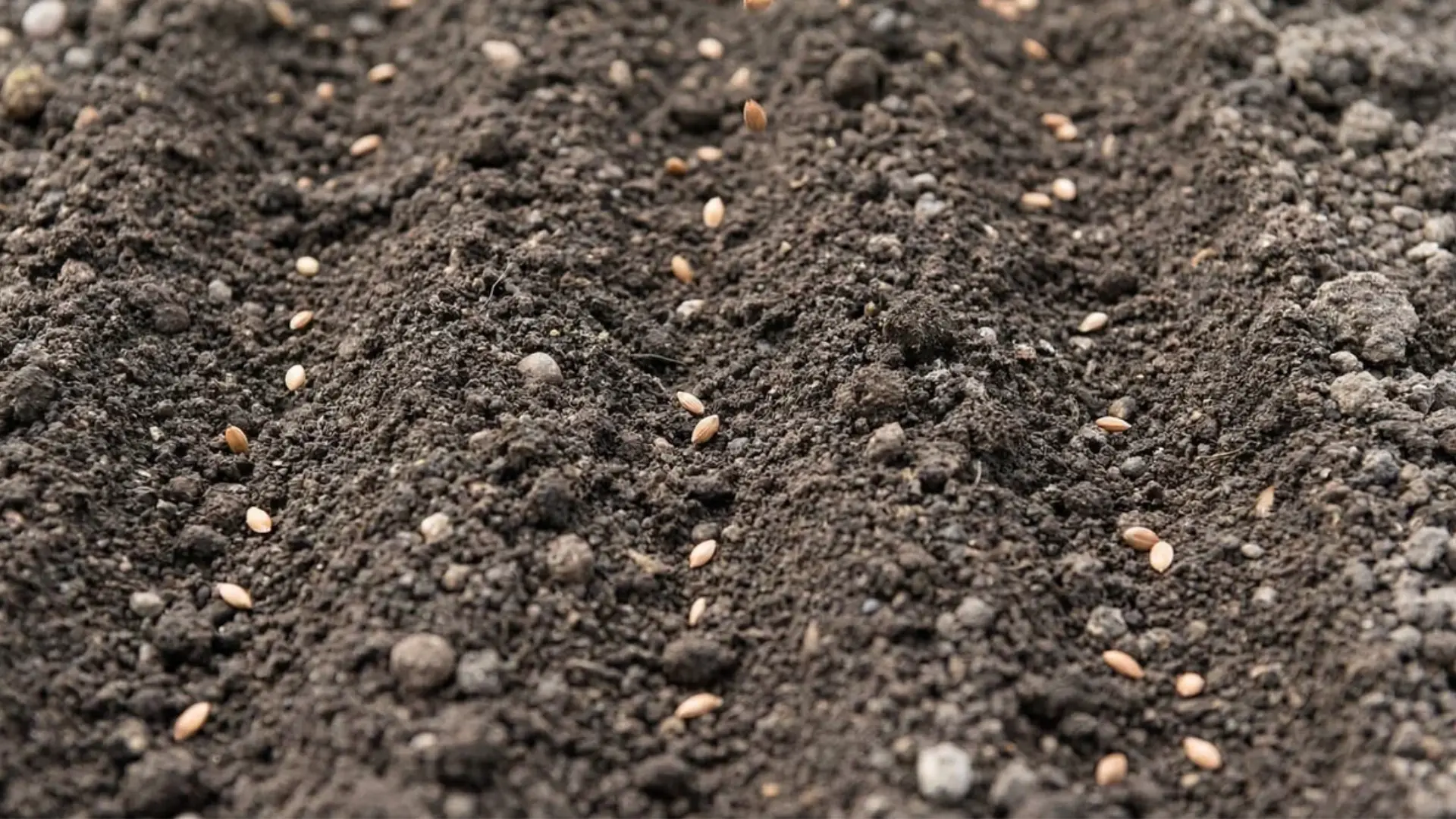
How you scatter the seeds plays a major role in plant growth. Even distribution ensures balanced growth and prevents overcrowding.
Start by mixing all seeds in a container. This ensures that different types are spread evenly across the area.
Scatter the seeds lightly and evenly to avoid dense clusters that block light and airflow. Be mindful not to drop too many seeds in one spot, as overcrowding leads to poor growth.
Even distribution helps protect seeds from birds and retain moisture, creating a better environment for healthy plant growth.
Step 5. Water and Let It Grow
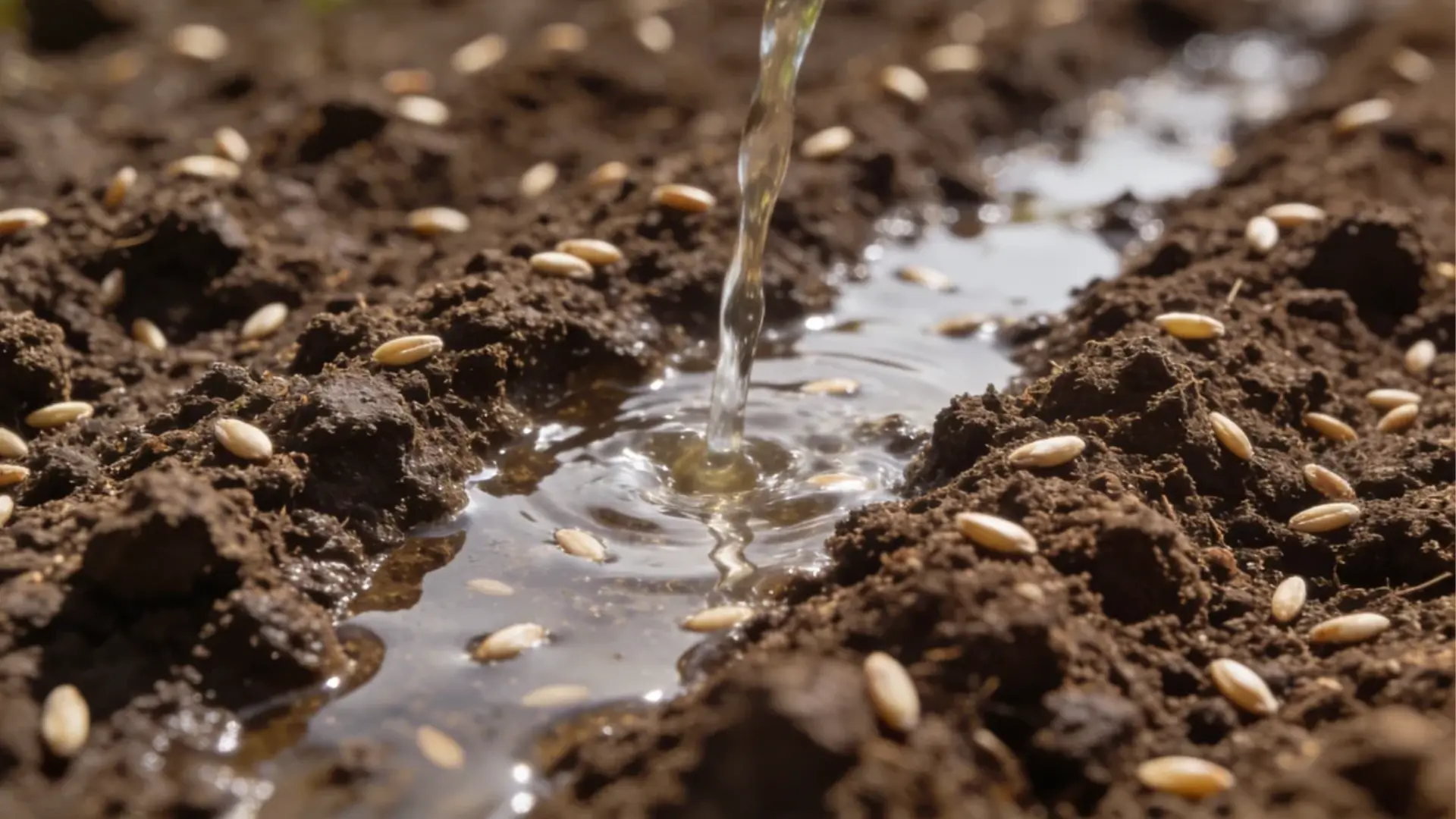
Watering sets the foundation for early growth, but it should be kept under control. Right after sowing, give the area a deep watering so the seeds settle into the soil.
During germination, keep the soil slightly moist. This helps seeds sprout at a steady pace instead of unevenly.
Too much water can damage seeds before they grow, while too little can stop germination completely. Once plants begin to establish, reduce watering.
What to Do After Planting Your Chaos Garden
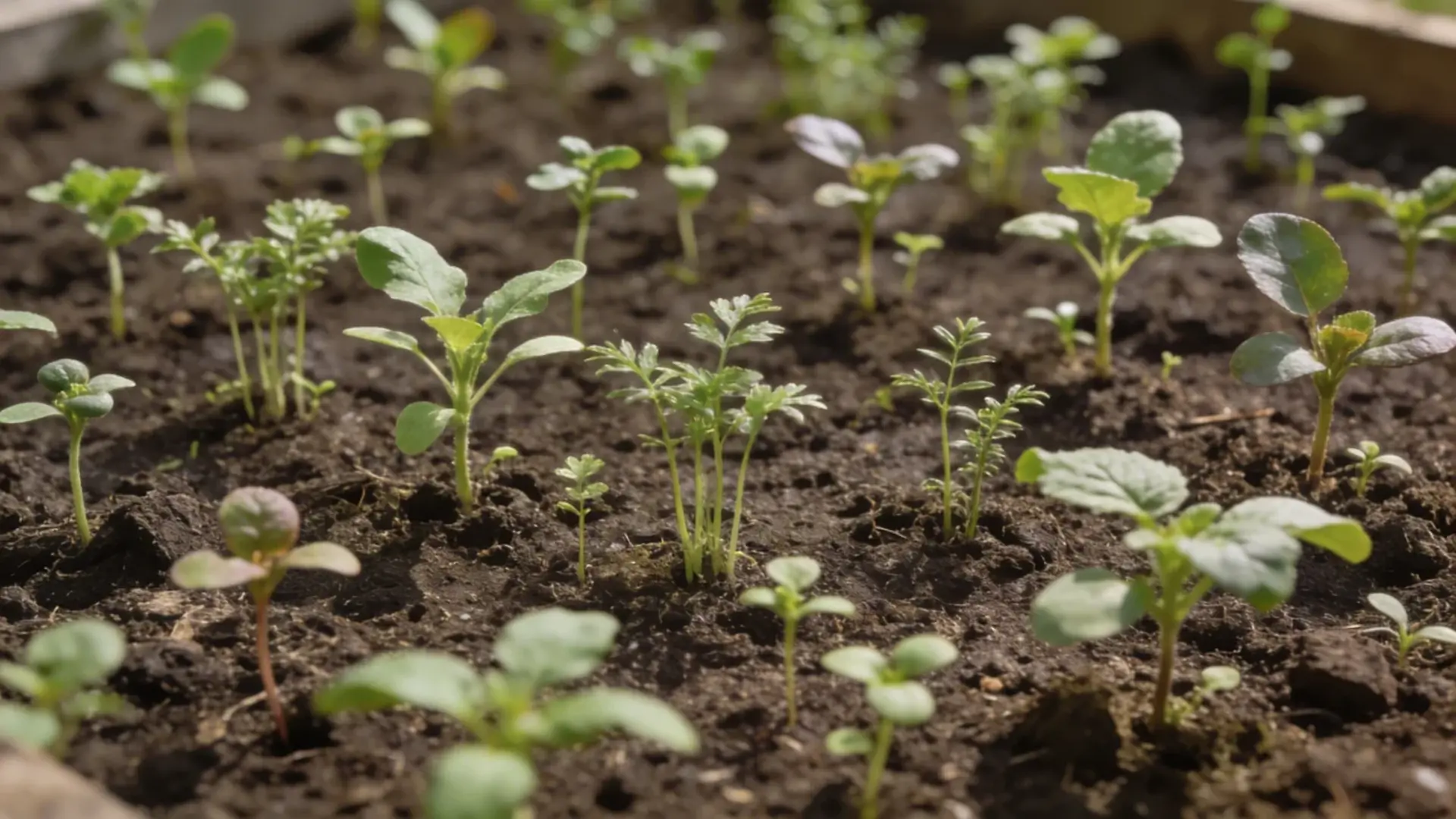
This stage is where chaos gardening starts to take shape through natural competition and small adjustments. Knowing when to step back and when to act helps a lot with your chaos gardening.
Let Growth Happen (Minimal Intervention Phase)
After sprouting, let plants grow without constant interference. They begin competing for light, water, and nutrients, which shapes the garden naturally.
Stronger plants take space, while weaker ones fade. This process helps create balance and reduces weeds as the soil gets covered.
Avoid stepping in too early. Let the system settle before making any changes.
Make Adjustments and Handle Common Problems
As plants grow, some areas may become overcrowded or uneven, thin dense spots to improve light and airflow.
If one plant dominates, reduce it slightly to maintain balance. It can be hard to identify seedlings, so avoid removing plants too early.
Uneven growth is normal due to light and soil differences. Make small adjustments only when needed. Focus on guiding growth, not controlling it completely.
Know What Results to Expect
In chaos gardening, the results will not be uniform, and that’s part of its natural appeal. Understanding this from the start helps manage expectations.
- Growth will vary across the area, with some plants thriving and others struggling.
- Some plants may fail to grow, while others flourish depending on their conditions.
- Environmental factors like light and soil quality will affect plant outcomes.
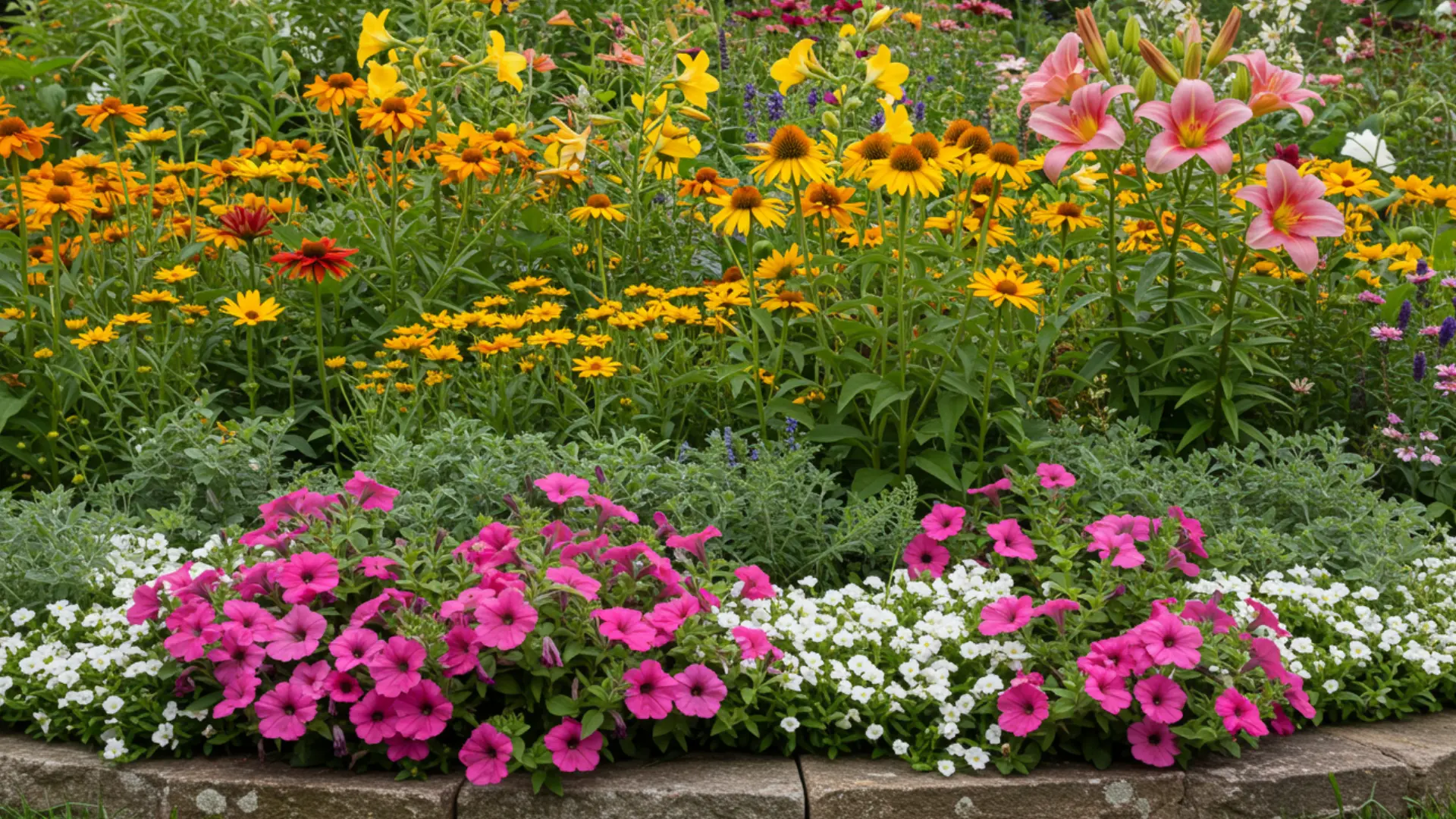
- The garden will look natural, with plants growing in an organic, unstructured way rather than a perfectly arranged design.
Conclusion
Chaos gardening makes it easier to grow a mix of plants without strict planning or constant effort. Instead of controlling every detail, the focus shifts to allowing natural growth while making small adjustments when needed.
The key is to set it up correctly and then let the process shape itself over time. Each garden will turn out differently based on conditions and plant choices.
If you’re thinking of trying chaos gardening, start simple and observe how your garden develops.
Have you tried it before, or are you planning to start? Share your thoughts or questions in the comments.