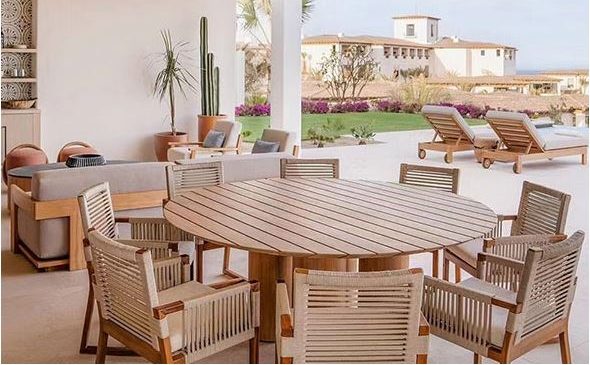
Chalk Paint Dining Table: Easy Guide for a Fresh Look
Looking to give your old dining table a fresh, stylish update without spending a lot? I’ve found that a chalk paint dining table is one of the easiest and most affordable ways to do just that.
It doesn’t need sanding or priming, and it gives your table a soft, vintage look that feels both charming and updated.
In this guide, I’ll show you why chalk paint is such a great option, what tools you’ll need, and how to paint your table step by step. I’ll also share tips for fixing common paint issues and keeping your table looking great over time.
Let’s turn that old table into something new.
Why Choose Chalk Paint for Your Dining Table?
Chalk paint is a great option to alter your dining table. It offers a matte finish that gives a vintage or shabby chic look without needing sanding or priming.
It’s easy to apply, even for beginners. With chalk paint, you can give your table a fresh, stylish makeover in no time.
However, there are a few things to keep in mind. Chalk paint comes in a limited color selection compared to other paints.
Also, while it provides a great finish, chalk paint can sometimes be less durable than other types of paint, especially on high-traffic surfaces. You’ll want to seal it properly to protect the finish and ensure it lasts longer.
Chalk paint is a convenient and stylish choice, but it may require extra care and attention to maintain its beauty over time.
Chalk Painting a Dining Table: Step-by-Step Guide
Here’s a simple guide to painting your dining table with chalk paint. Follow these steps to convert your table into a beautiful, custom piece.
Tools and Materials Required
Before you get started, make sure you have these tools ready:
- Palm sander or sandpaper
- Deglosser and scouring pad
- Chalk paint
- Natural bristle paintbrush
- Foam brush for sealing
- Polyurethane or wax
- Vinegar and water solution
Step 1: Preparing Your Dining Table

Start by cleaning the table with a damp cloth to remove dust and grime. If your table has stains or a glossy finish, use a primer to prevent bleed-through.
Test a small patch to see if a primer is necessary before you begin painting. Proper preparation will help the paint adhere better and create a smooth finish.
Step 2: Cleaning the Table

Once you’ve sanded the table, clean it thoroughly to remove any dust and debris. Use a deglosser with a scouring pad, then rinse the table with a clean sponge and water.
Follow up by spraying the table with a vinegar and water solution to remove any remaining residue. This ensures a smooth and clean surface for painting.
Step 3: Applying Chalk Paint

Now, it’s time to start painting. Use chalk paint and a natural bristle brush. Apply thin, even coats with long strokes to avoid streaks.
Since chalk paint doesn’t require a primer, you can paint directly onto the cleaned surface. Make sure to let the first coat dry fully before applying a second coat.
Step 4: Distressing the Table

For a distressed, vintage look, sand the edges and areas you want to highlight. Use fine-grit sandpaper (220 grit) and focus on the edges and corners of the table to create a weathered effect. Lightly sand the entire tabletop to remove any chalkiness, leaving it with a buttery smooth finish.
Step 5: Sealing the Table

After distressing, it’s time to seal the table. You can use polyurethane for a glossy finish or wax for a matte finish.
Apply the sealant with a foam brush to avoid brush marks. Let the first coat dry, then apply a second coat for added protection. This will bring out the deep color of the chalk paint and help protect the surface.
By following these simple steps, you’ll have a beautifully painted and distressed dining table that’s ready for use.
For a more detailed walkthrough of the process, check out the video tutorial below:
Troubleshooting Common Chalk Paint Issues
Sometimes, even with chalk paint, things don’t go perfectly. Here’s how to handle common issues like brush marks, streaks, peeling, and uneven finishes:
- Fixing Brush Marks and Streaks: Lightly sand the affected area once the paint is dry, then reapply a thin coat of chalk paint. Use long, smooth strokes to prevent new brush marks.
- Dealing with Peeling Paint: If paint peels off, sand the peeling spots, clean the area, and reapply a fresh coat of chalk paint. Make sure to allow adequate drying time between coats.
- Solving Curing Problems or Uneven Finishes: Ensure the paint is dry between coats. Sand rough or uneven spots and apply a thin layer of paint or sealer for a smooth finish.
By following these tips, you can easily address common chalk paint issues and ensure your project turns out beautifully.
Additional Tips for Long-Lasting Results
To keep your chalk-painted dining table looking beautiful for years, here are some essential tips for protecting and maintaining the painted surface.
Protecting Your Painted Table
To ensure that your chalk-painted dining table stays looking beautiful for years, it’s important to take steps to protect it from daily wear and tear. One of the simplest ways to protect your table is by using placemats and coasters.
These items shield the surface from heat, stains, and scratches caused by hot plates or drinks. You can also place a tablecloth or runner on the table, which adds an extra layer of protection, particularly in high-traffic areas like the center of the table.
Additionally, try to avoid exposing the table to direct sunlight, as the UV rays can cause the paint to fade over time, leaving the surface looking worn.
Cleaning and Maintaining the Painted Surface
Keeping your painted table clean and well-maintained is essential for preserving its finish. Start with regular dusting using a soft, dry cloth to remove dirt and debris that may accumulate on the surface.
For more stubborn spots or spills, you can clean the table with a damp cloth, but be sure to avoid harsh chemical cleaners, as they can damage the paint.
To maintain the painted surface, especially if you’ve used wax as a sealant, consider reapplying the wax every 6-12 months, depending on how frequently the table is used.
If you’ve applied a polyurethane finish, a light sanding followed by a new coat of sealer every few years will keep the table looking as good as new.
By following these tips for protection and maintenance, you can ensure that your chalk-painted dining table remains a beautiful centerpiece for your home for years to come.
Product Recommendations
If you’re ready to get started on your chalk paint project, here are some top product recommendations that I’ve personally found to be great for getting the best results:
-
Annie Sloan Chalk Paint: A top choice for its smooth application and wide range of colors. It’s also low odor and water-based, making it perfect for indoor use.
-
Zinsser BIN Shellac-Based Primer: If your table has stains, a glossy finish, or a dark wood color, this primer helps prevent bleed-through and ensures the chalk paint goes on smoothly.
-
Annie Sloan Clear Chalk Paint Wax: A great option for sealing the paint and giving it a soft, matte finish. It’s easy to apply and adds a protective layer to your table.
-
Polyurethane Water-Based Sealer: If you prefer a glossy finish, this sealer will help protect your chalk paint and add a durable layer to resist scratches and stains.
These products will help you get the best results, making sure your dining table makeover lasts for years to come.
Conclusion
Painting your table with chalk paint is such an easy way to give it a fresh, updated feel. I’ve done it myself and loved the results. Now that you know how to plan, paint, seal, and care for your chalk paint dining table, you’re all set to keep it looking great for years.
If you’re going for a smooth finish or that classic vintage look, these tips will help you get results you’ll be proud of. Just take your time with prep, use the right tools, and protect the surface from everyday wear.
Want more painting tips or furniture makeover ideas? Check out other blogs on the website for simple projects and step-by-step guides to help keep your home looking its best.