
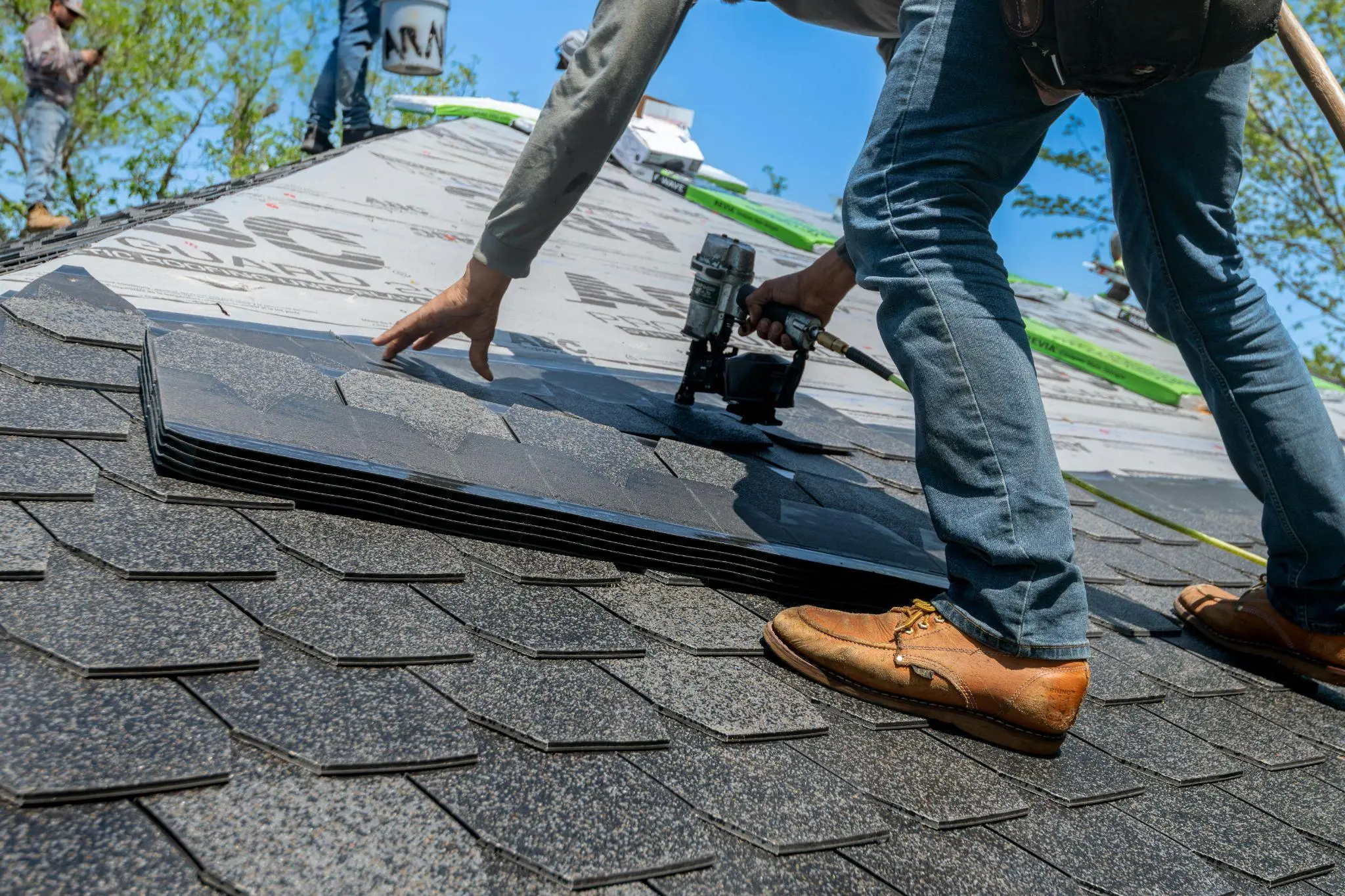
Baton Rouge vs New Orleans: How Weather Impacts Roofing
Louisiana’s two largest cities, Baton Rouge and New Orleans, share a state and a love for their unique culture, but their weather patterns create distinct roofing challenges that influence material selection, installation practices, and maintenance requirements. Understanding these regional differences helps homeowners in both cities make informed decisions about protecting their properties.
Geographic Influences on Weather
The 80 miles separating Baton Rouge and New Orleans include significant geographic variations that drive weather differences. These variations, while subtle, have meaningful implications for roofing performance.
Elevation plays a surprising role in the two cities’ weather patterns. Baton Rouge sits at approximately 56 feet above sea level, while much of New Orleans lies below sea level, protected by levees and pumps. This elevation difference affects temperature patterns, drainage, and exposure to flooding.
Proximity to water bodies influences both cities’ climates, but in different ways. New Orleans is surrounded by water, Lake Pontchartrain to the north, the Mississippi River to the south, and wetlands in all directions. Baton Rouge, while adjacent to the Mississippi River, has more varied topography and less pervasive water influence.
The urban heat island effect differs between the cities due to their size and development patterns. New Orleans’ denser urban core creates more pronounced heat retention, while Baton Rouge’s more spread-out development moderates this effect. These temperature differences affect roofing material selection and performance.
Temperature and Heat Considerations
Summer temperatures in both cities are brutally hot, but subtle differences influence roofing performance and selection.
Baton Rouge typically experiences slightly higher maximum temperatures than New Orleans, with summer highs regularly reaching the upper 90s. The city’s inland location means less moderating influence from surrounding water bodies, allowing temperatures to climb higher during peak summer days.
New Orleans benefits marginally from its water surroundings, with temperatures rarely exceeding those in Baton Rouge by more than a degree or two. However, the city’s lower elevation and greater humidity can make conditions feel more oppressive despite similar thermometer readings.
These temperature patterns affect roofing material selection in both cities. Cool roofing materials that reflect solar radiation provide significant benefits in both locations, though the payback period may be slightly shorter in Baton Rouge due to higher peak temperatures.
Humidity and Moisture Challenges
Both cities face severe humidity challenges, but New Orleans’ situation is particularly extreme due to its geography.
New Orleans’ below-sea-level elevation and surrounding water create persistently high humidity levels that rarely drop below 70 percent and frequently exceed 90 percent during summer months. This moisture-rich environment accelerates material degradation and creates ideal conditions for biological growth on roofing surfaces.
Baton Rouge experiences high humidity as well, but generally 5 to 10 percent lower than New Orleans throughout the year. This difference, while seemingly small, can meaningfully affect material lifespan and maintenance requirements.
Ventilation strategies differ between the cities based on humidity levels. New Orleans homes may require more aggressive attic ventilation to manage moisture, while Baton Rouge homes can sometimes achieve adequate performance with standard ventilation approaches.
Rainfall and Storm Patterns
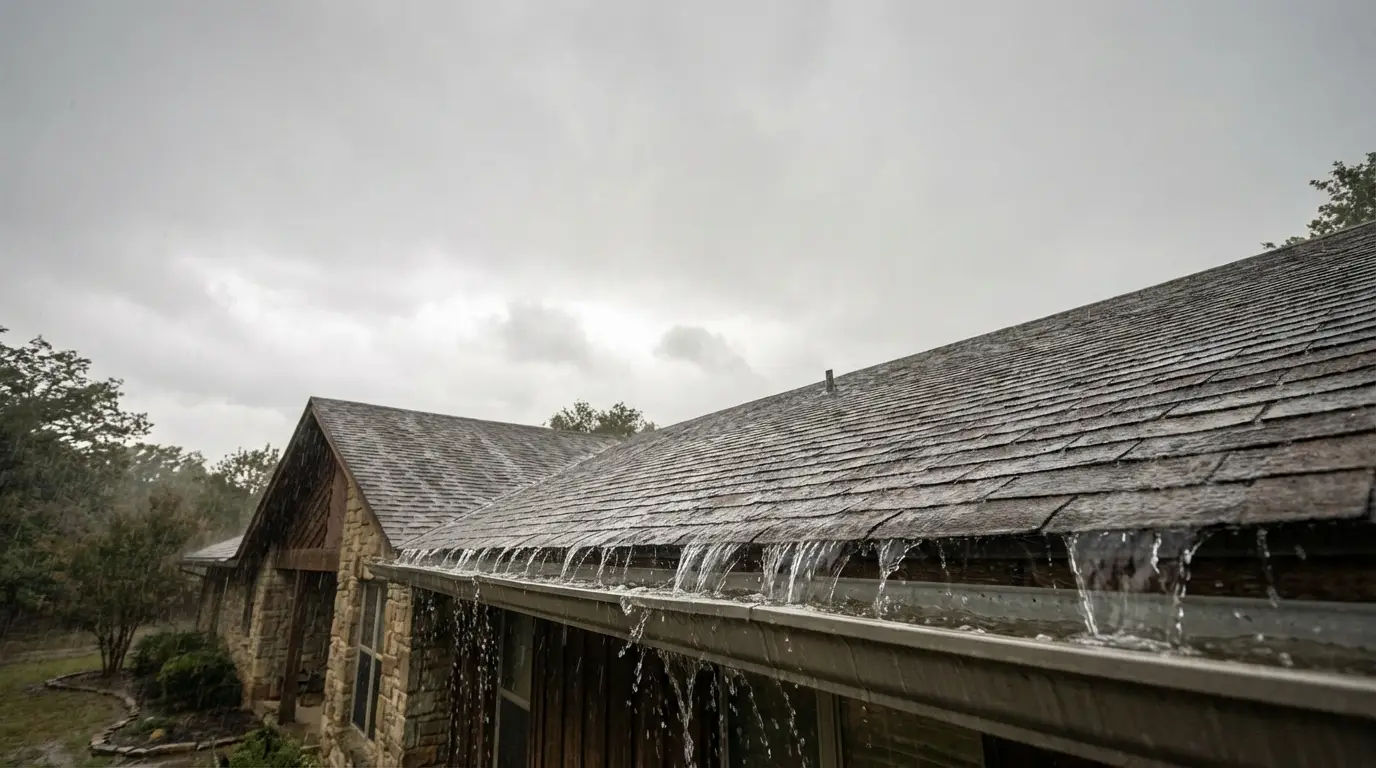
Both cities receive abundant rainfall, but distribution and intensity patterns vary.
Baton Rouge averages approximately 63 inches of rainfall annually, while New Orleans receives about 64 inches. The similarity in total precipitation masks differences in how this rain falls. Baton Rouge experiences more intense thunderstorm activity, with short-duration heavy downpours common during summer afternoons.
New Orleans’ rainfall is distributed somewhat more evenly throughout the year, with less pronounced dry seasons. The city’s pumping system manages routine rainfall, but intense storms can overwhelm capacity and create flooding that affects roofing systems.
Hurricane exposure differs significantly between the cities. New Orleans’ coastal location makes it more vulnerable to direct hurricane strikes and storm surge. Baton Rouge, while still at risk, is sufficiently inland to avoid the most severe storm surge impacts, though wind and rain damage remain significant concerns.
Wind Exposure and Hurricane Risk
Hurricane wind patterns create different risk profiles for the two cities.
New Orleans faces higher wind speeds from tropical systems due to its coastal location. Category 3 hurricanes can bring sustained winds exceeding 110 miles per hour, with gusts much higher. These wind speeds test roofing systems to their limits and beyond.
Baton Rouge typically experiences lower wind speeds from the same storms, though major hurricanes still bring dangerous conditions. The city’s inland location provides some protection, but modern building codes in both cities require wind-resistant roofing designed to withstand significant forces.
Wind-driven rain presents different challenges in each city. New Orleans’ stronger winds can force water into smaller openings, making flashing details and penetration seals particularly critical. Baton Rouge’s slightly lower wind speeds may be marginally less demanding in this regard.
Material Selection Implications
These weather differences influence optimal roofing material choices in each city.
Metal roofing performs well in both locations but may have a slight edge in New Orleans due to its superior moisture resistance. The material’s ability to shed water and resist biological growth addresses the city’s more severe humidity challenges.
Asphalt shingle selection should consider local conditions. In New Orleans, algae-resistant formulations are particularly important due to the city’s humidity. Baton Rouge homeowners can also benefit from these products, though the need is somewhat less critical.
Tile roofing, whether clay or concrete, handles both cities’ conditions well. The thermal mass of tile roofing helps moderate temperature swings, while the material’s durability withstands both heat and moisture challenges.
Installation Practice Variations
Professional roofers in each city have developed practices optimized for local conditions.
New Orleans roofers emphasize moisture management in their installations, with particular attention to underlayment selection and flashing details. The city’s humidity demands materials and techniques that create redundant moisture barriers.
Baton Rouge contractors focus slightly more on heat resistance and thermal performance, reflecting the city’s higher peak temperatures. Ventilation design and cool roofing options receive particular attention.
Both cities require hurricane-resistant installation practices, including enhanced fastening patterns and wind-resistant materials. Building codes in both locations reflect the shared threat of tropical storms.
Maintenance Requirements
Ongoing maintenance needs differ based on local conditions.
New Orleans homes require more frequent cleaning to address biological growth on roofing surfaces. The city’s humidity promotes algae, moss, and lichen growth that can degrade roofing materials if left untreated.
Baton Rouge maintenance emphasizes heat-related issues, including checking for thermal damage and ensuring ventilation systems function properly. The city’s more intense solar exposure creates different maintenance priorities.
Both cities require vigilant gutter maintenance, though New Orleans’ more consistent rainfall means gutters work harder year-round. Baton Rouge’s intense thunderstorms create brief periods of very high water flow that test drainage systems.
Working with Local Professionals
Regardless of which city you call home, working with experienced local professionals ensures roofing systems optimized for local conditions.
A roofing contractor in Baton Rouge, Louisiana understands the specific challenges of that city’s climate and has developed approaches that address them effectively. Their experience with local conditions informs recommendations about materials, installation practices, and maintenance schedules. For larger buildings and business properties, working with a commercial roof contractor Baton Rouge property owners trust is especially important to ensure roofing systems are designed to withstand the region’s heat, humidity, and storm exposure.
Similarly, New Orleans contractors bring city-specific expertise that translates into better outcomes for homeowners there. Their familiarity with local building practices, permit requirements, and common problems streamlines the roofing process.
When seeking roofing services, prioritize contractors with demonstrated experience in your specific city. While general roofing knowledge is valuable, local expertise makes a meaningful difference in long-term performance.
Making Informed Decisions
Understanding the weather differences between Baton Rouge and New Orleans helps homeowners make informed roofing decisions. While both cities face challenging conditions, the specific nature of those challenges varies.
Consider your city’s particular climate stressors when selecting roofing materials and contractors. Products and practices that work well in one city may need adjustment for optimal performance in the other.
The investment in appropriate roofing pays dividends through extended lifespan, reduced maintenance, and better protection for your home. Whether you’re in Baton Rouge or New Orleans, taking time to understand your local climate and select roofing accordingly protects your most significant investment for years to come.


